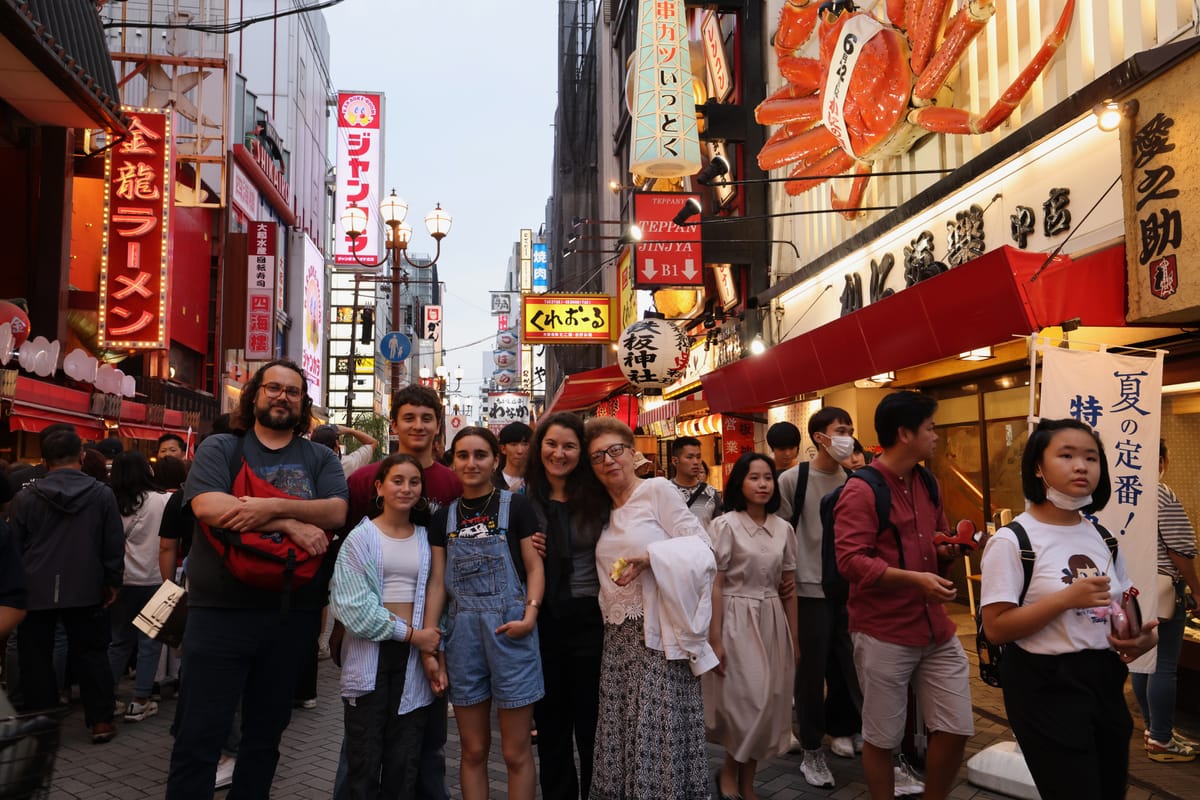
Saturday - Day to trip Koyasan and an evening back in Osaka
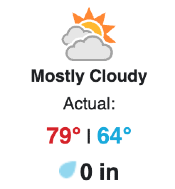
This was a packed day, but one of the absolute highlights of the entire trip. We were getting to really appreciate Osaka. The people were fun and eccentric, and the city was plenty vibrant, but so much more approachable than Tokyo.
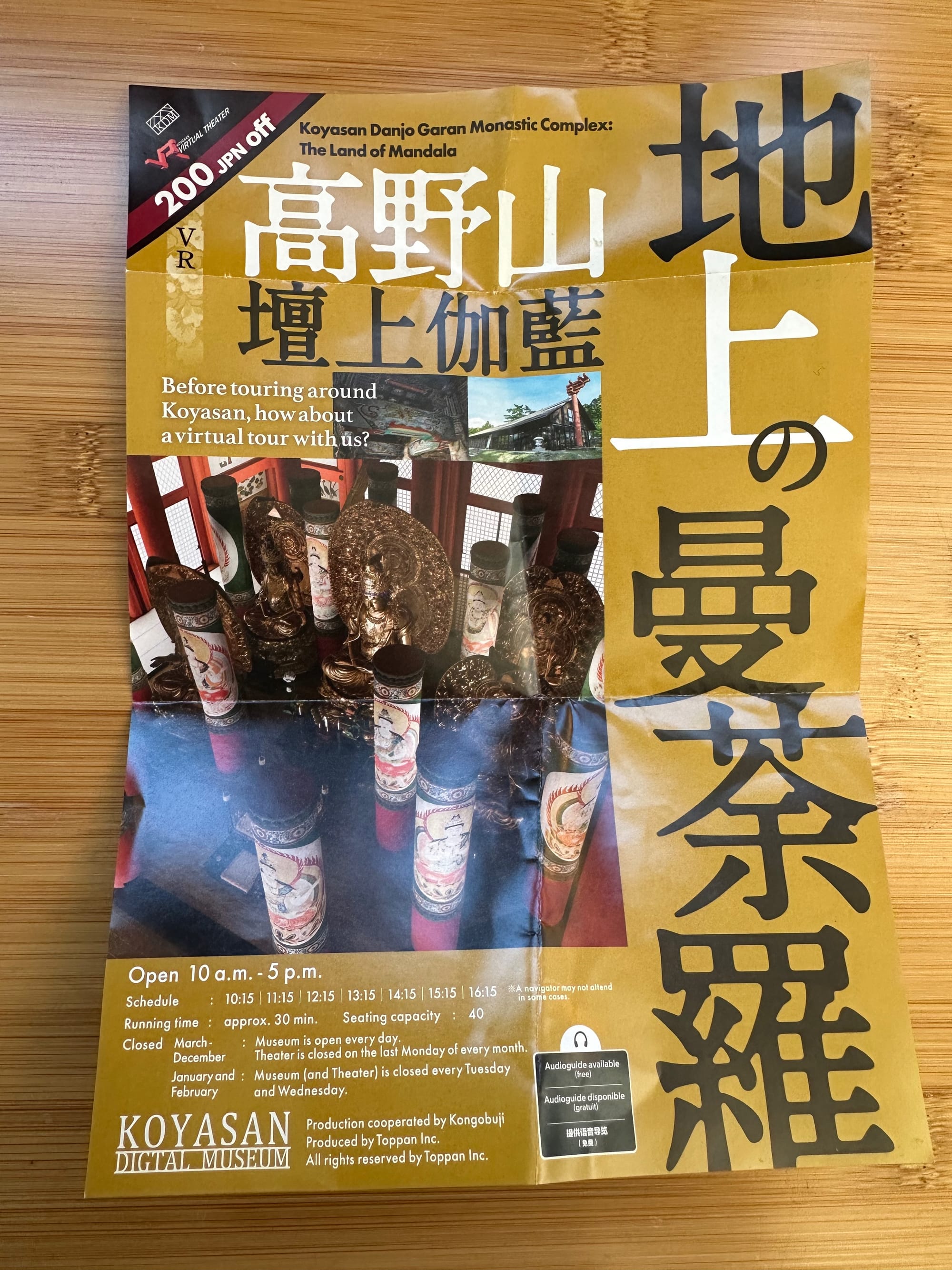
We debated whether or not we should include the day trip to Mount Koya many times, as we had dinner plans with Vivien and family this evening and we knew it would be difficult to pull off. Mount Koya is left out of many of the guide books and suggested itineraries that we studied before the trip, but I had actually taken a virtual jog through Koyasan with Tommy Rivs on our elliptical(!) earlier in the summer and I was floored by how gorgeous and peaceful the Koyasan cemetery appeared to be. I was pulled so heavily to find a way to get there. In the end, we decided to make the journey.
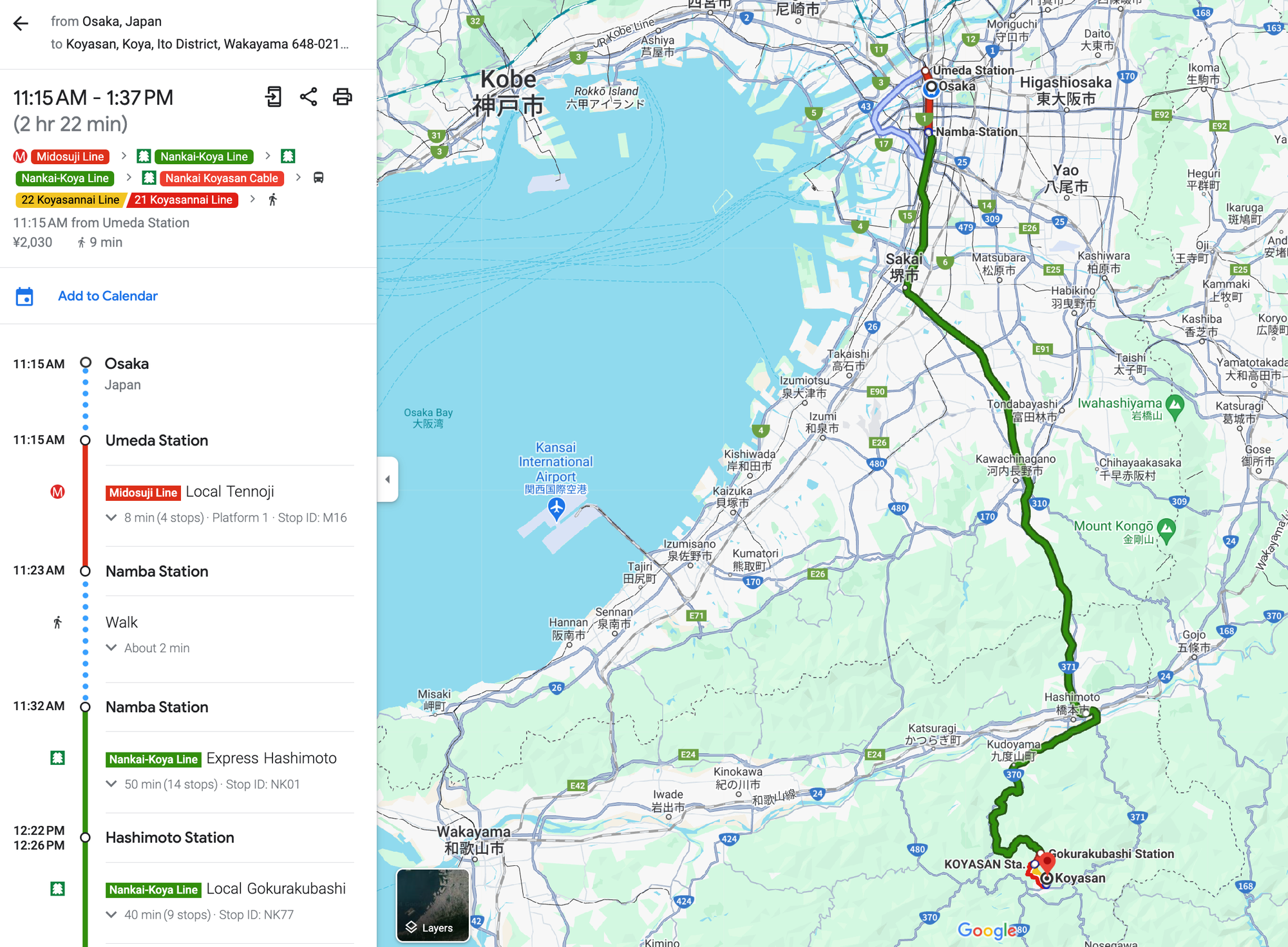
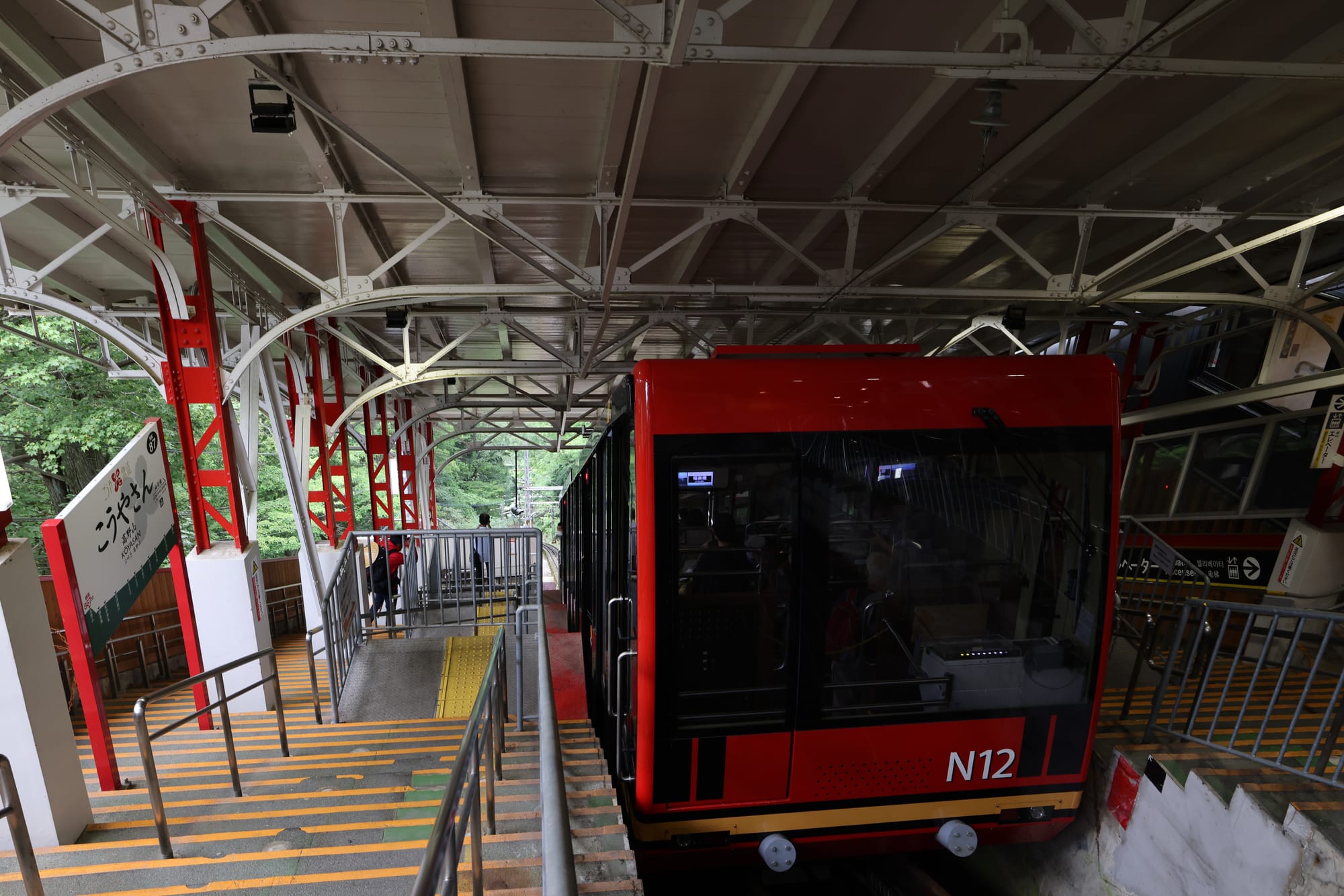
Mount Koya is a very ancient religious pilgrimage area in Japan, and Koyasan is a town in the midst of the mountain that serves as a capital of sorts and center of religious and commercial activity. Getting there from Osaka required a regional train, a cable car, and a bus.
Mount Koya (高野山, Kōyasan) is the center of Shingon Buddhism, an important Buddhist sect which was introduced to Japan in 805 by Kobo Daishi (also known as Kukai), one of Japan's most significant religious figures. A small, secluded temple town has developed around the sect's headquarters that Kobo Daishi built on Koyasan's wooded mountaintop. It is also the site of Kobo Daishi's mausoleum and the start and end point of the Shikoku 88 Temple Pilgrimage.
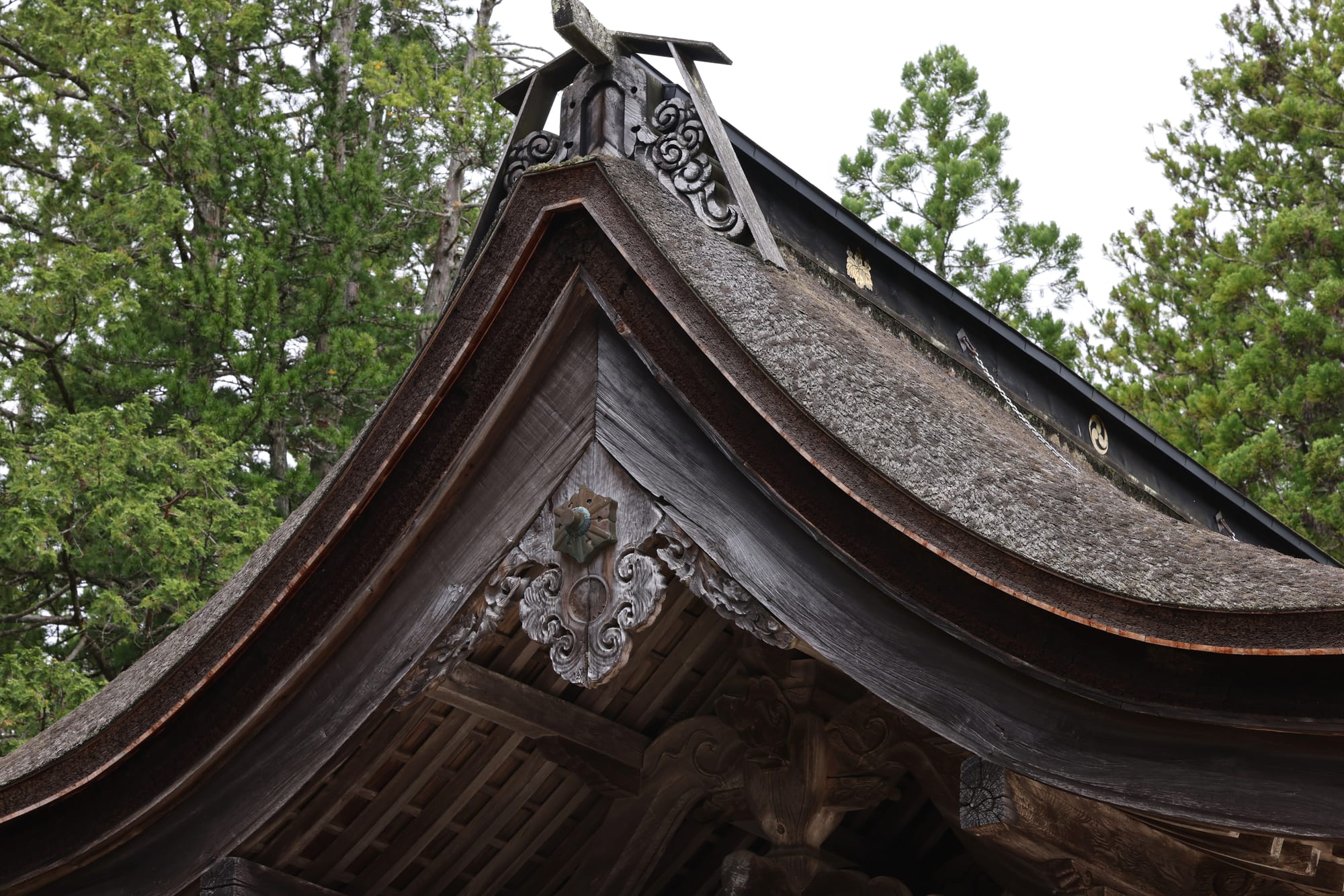
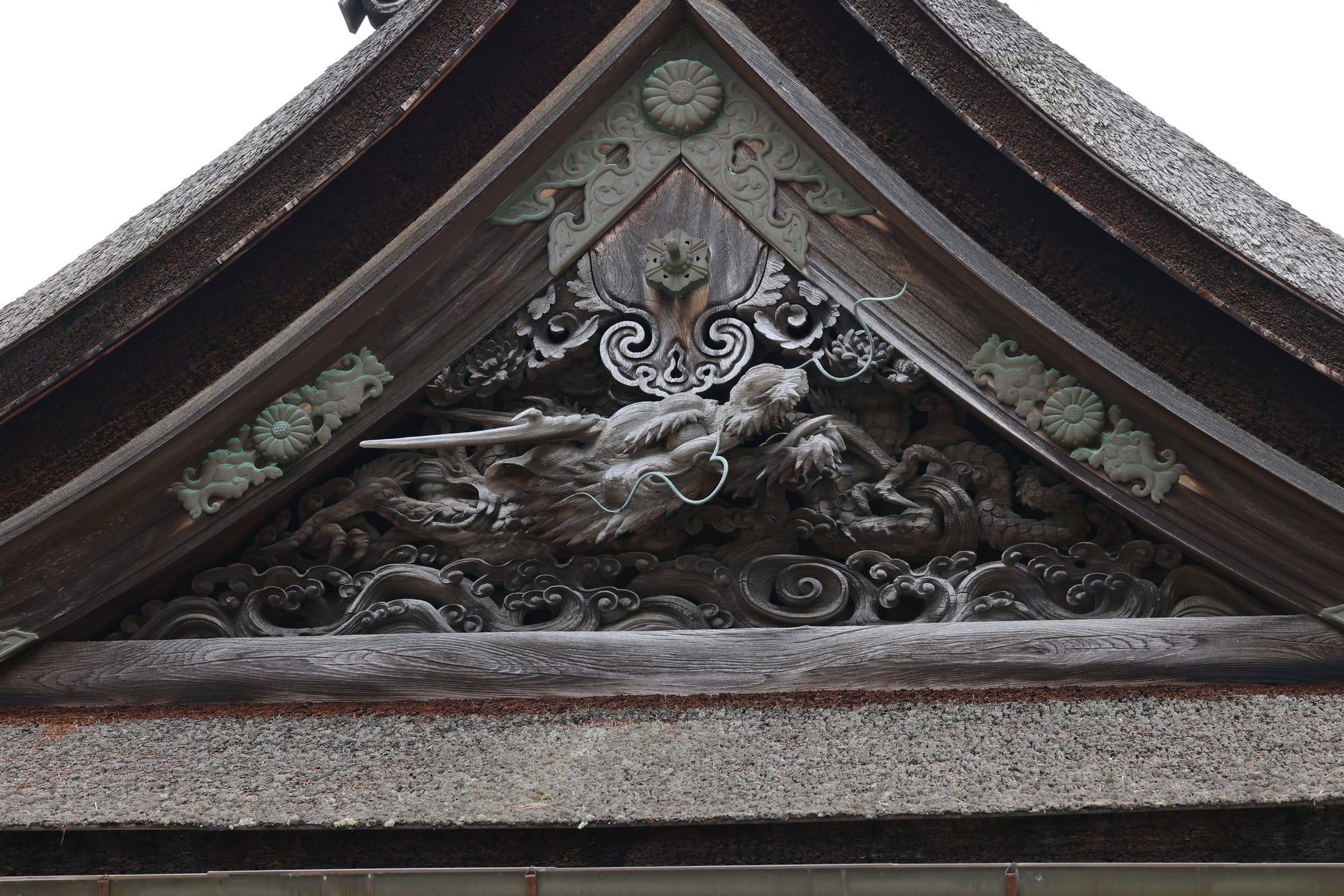
Kobo Daishi began construction on the original Garan temple complex in 826 after wandering the country for years in search of a suitable place to center his religion. Since then over one hundred temples have sprung up along the streets of Koyasan. The most important among them are Kongobuji, the head temple of Shingon Buddhism, and Okunoin, the site of Kobo Daishi's mausoleum.
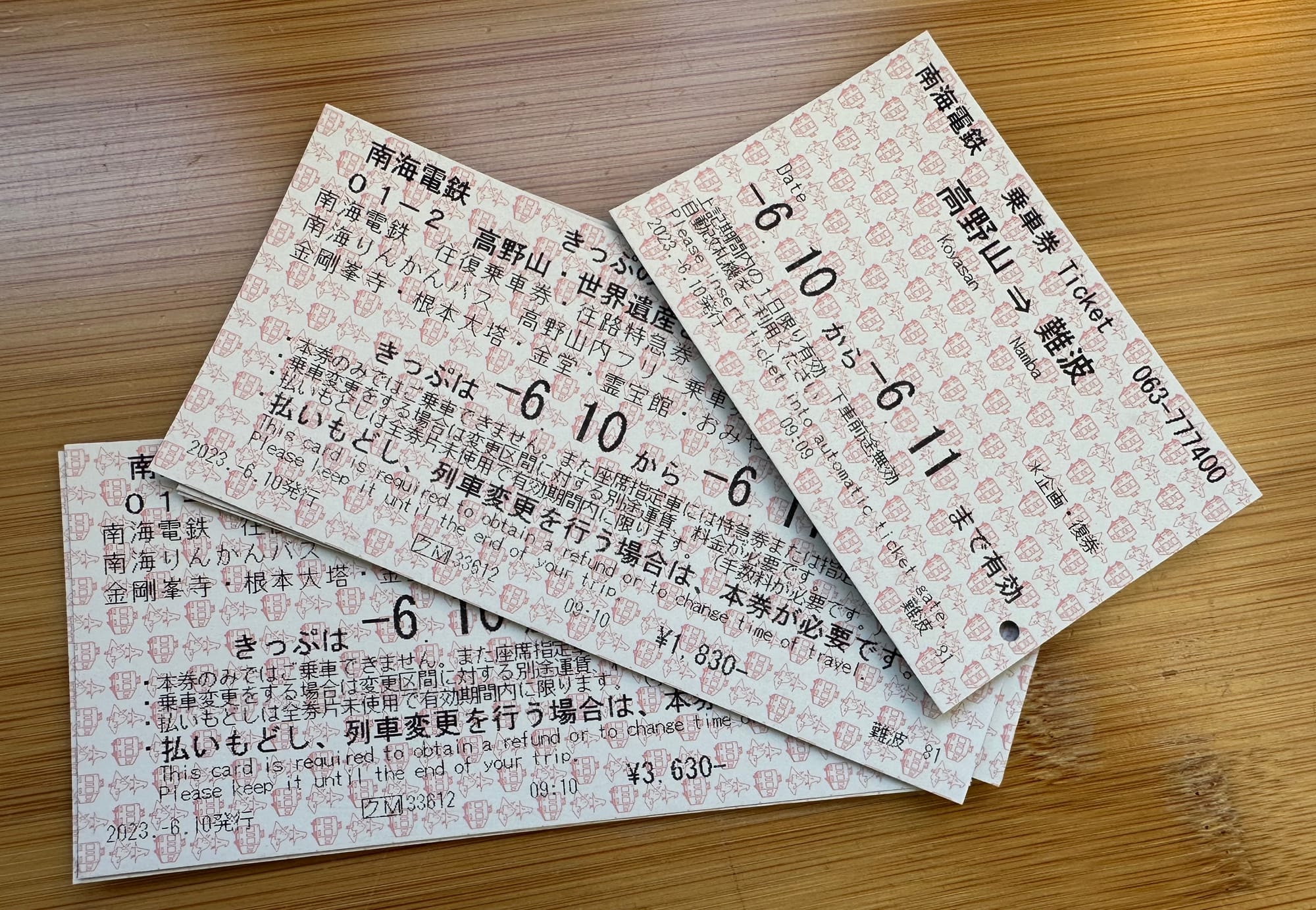
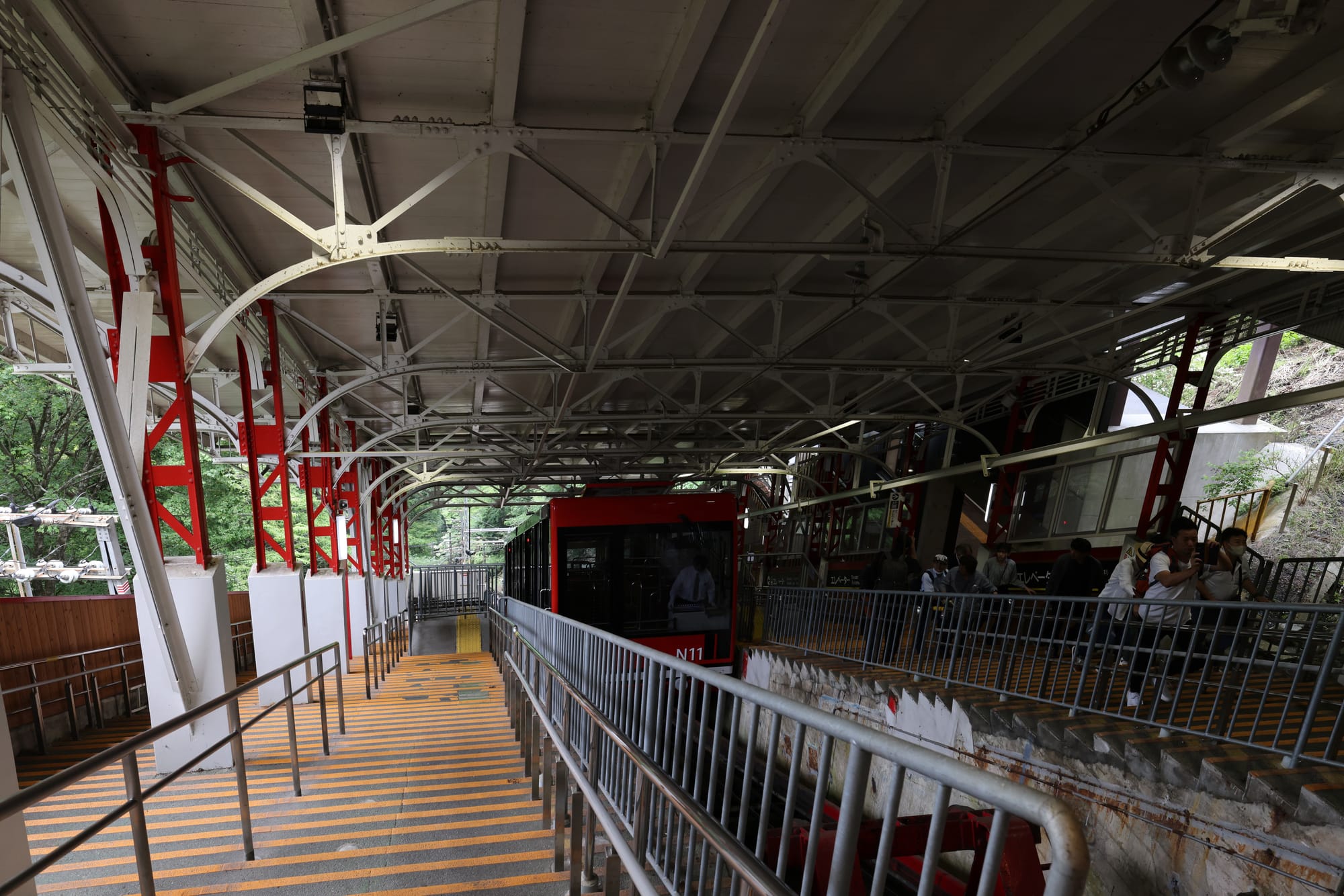
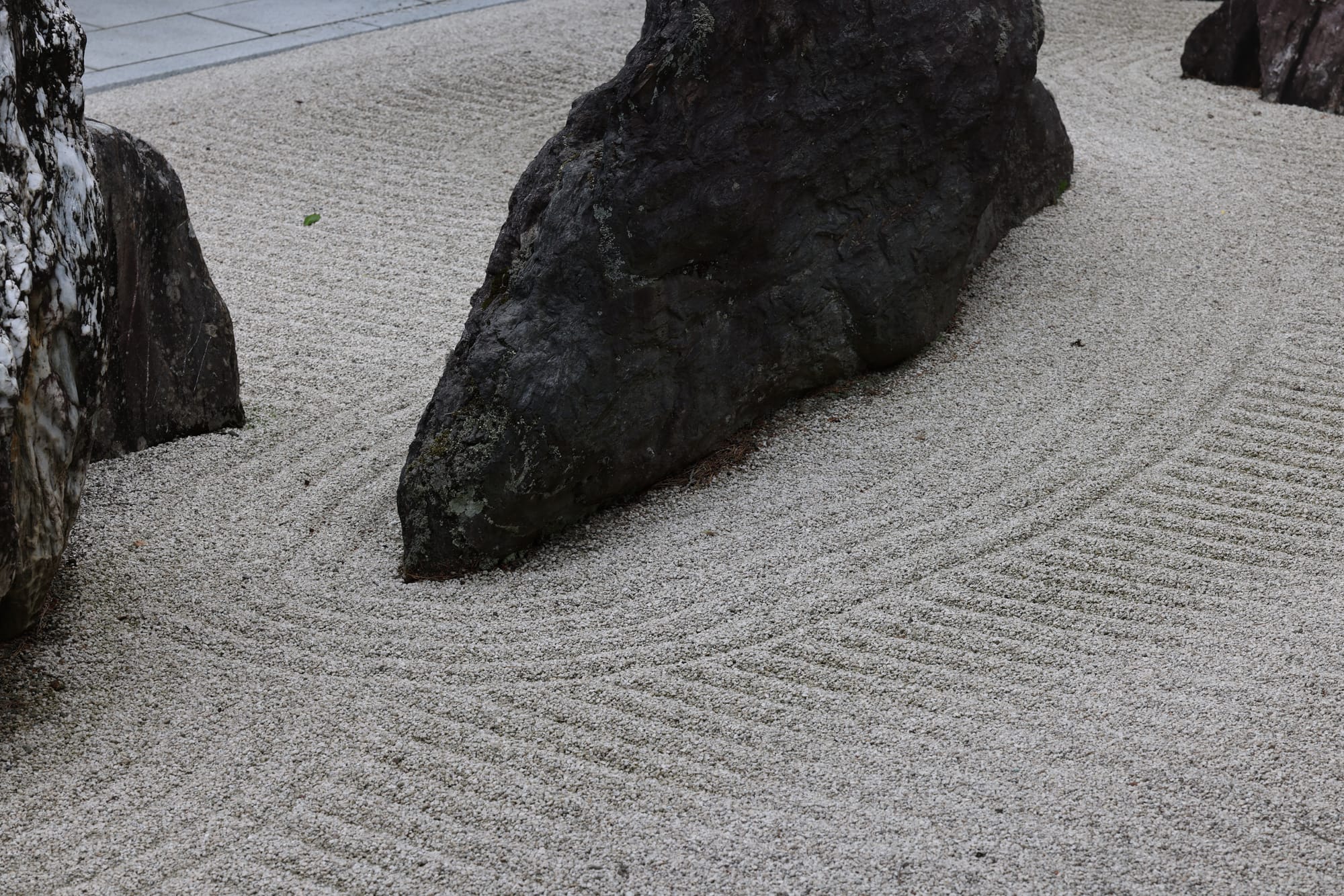
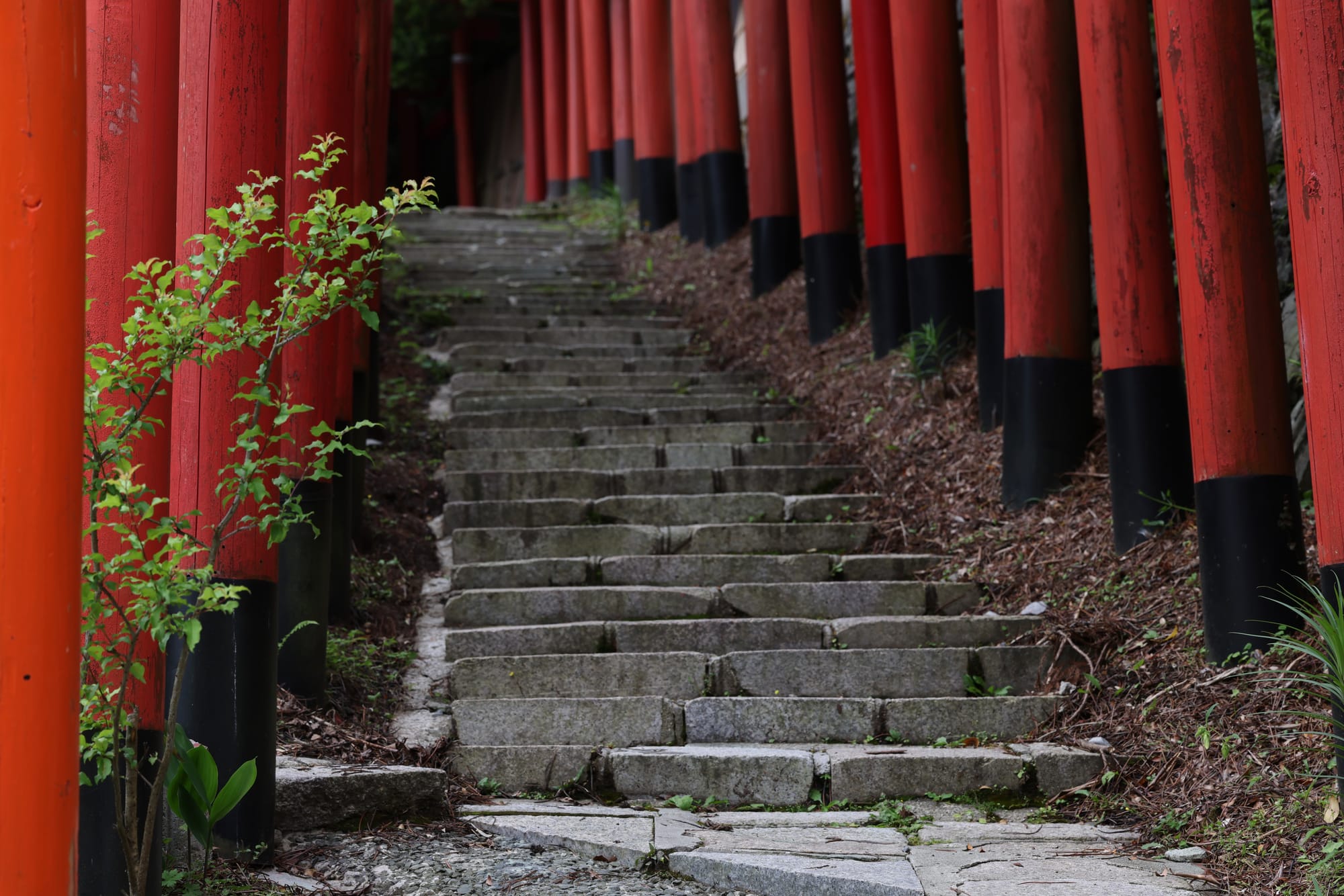
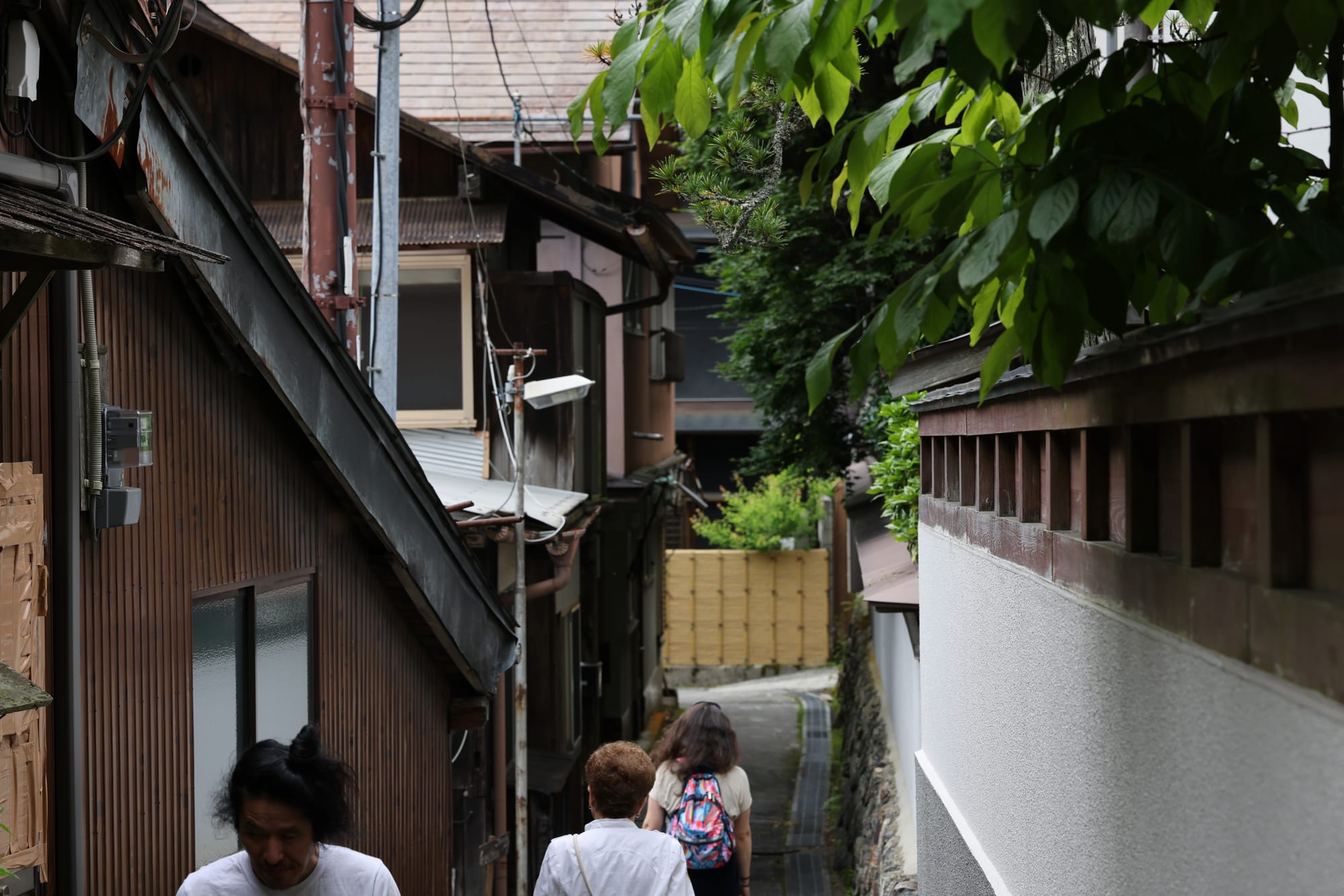
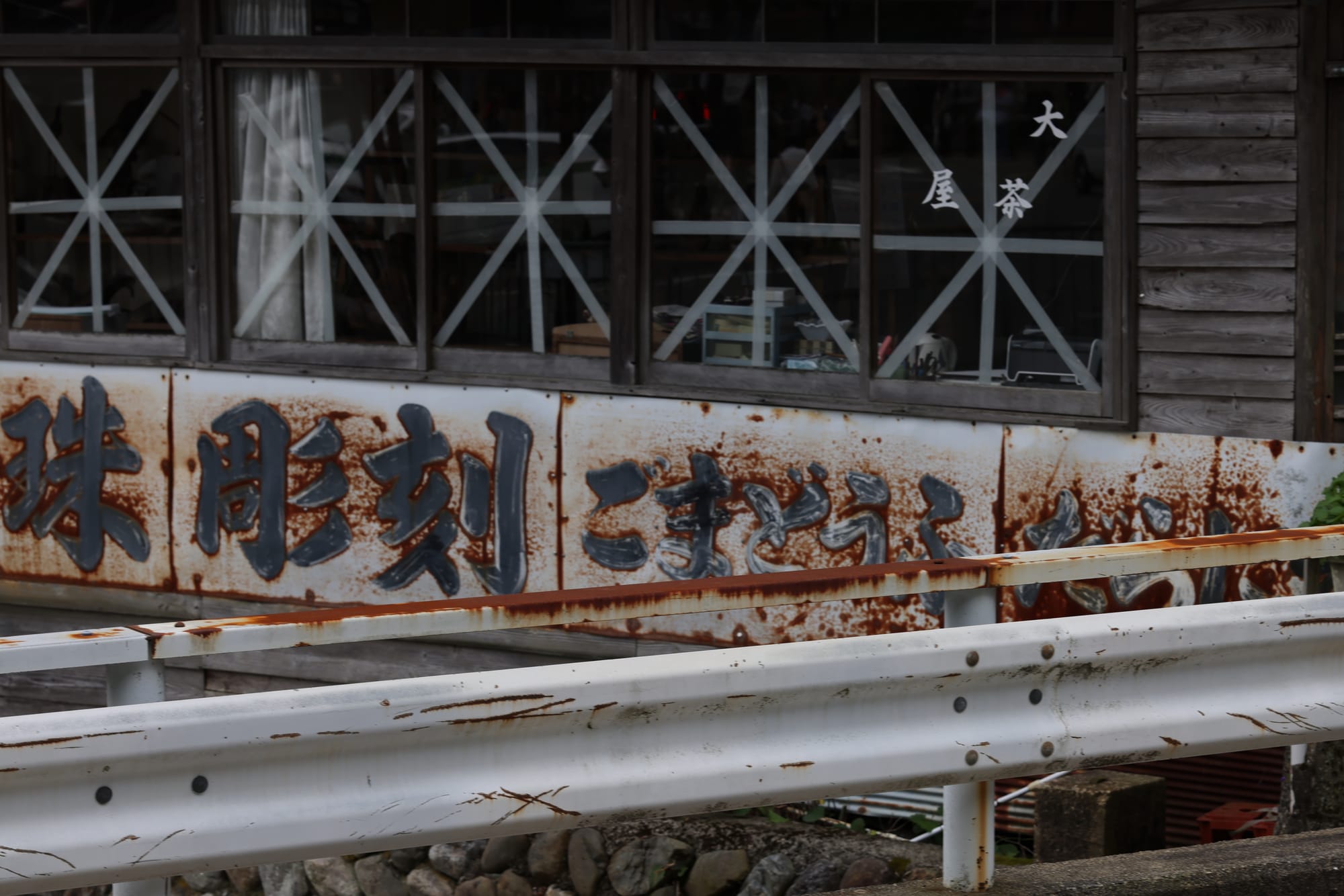
The town of Koyasan is long and thin, and easily walkable. There are hundreds of temples in the town, and several beautiful old Japanese gardens, including rock gardens. Snacks, grub, and mochi, are abundant along the main drag.
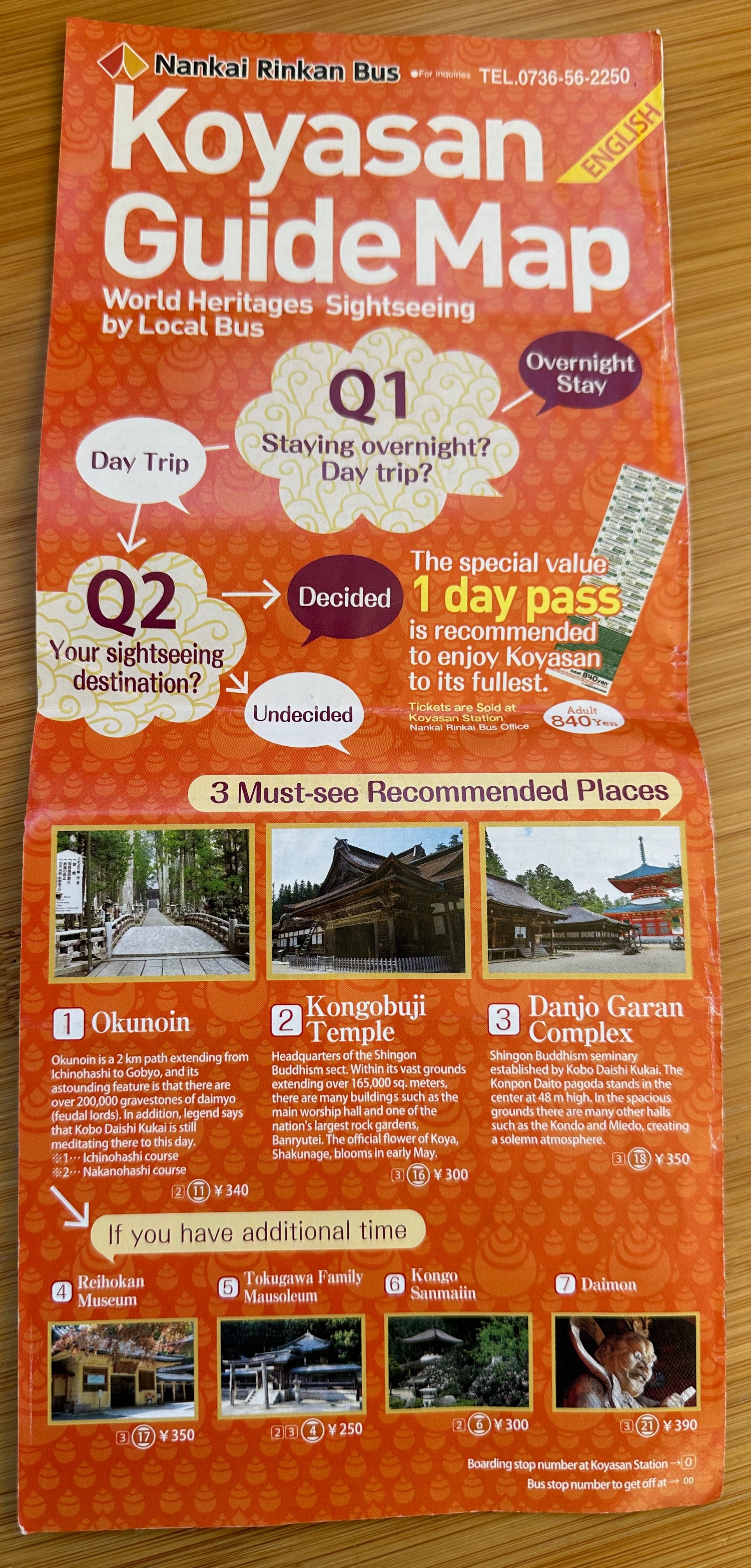
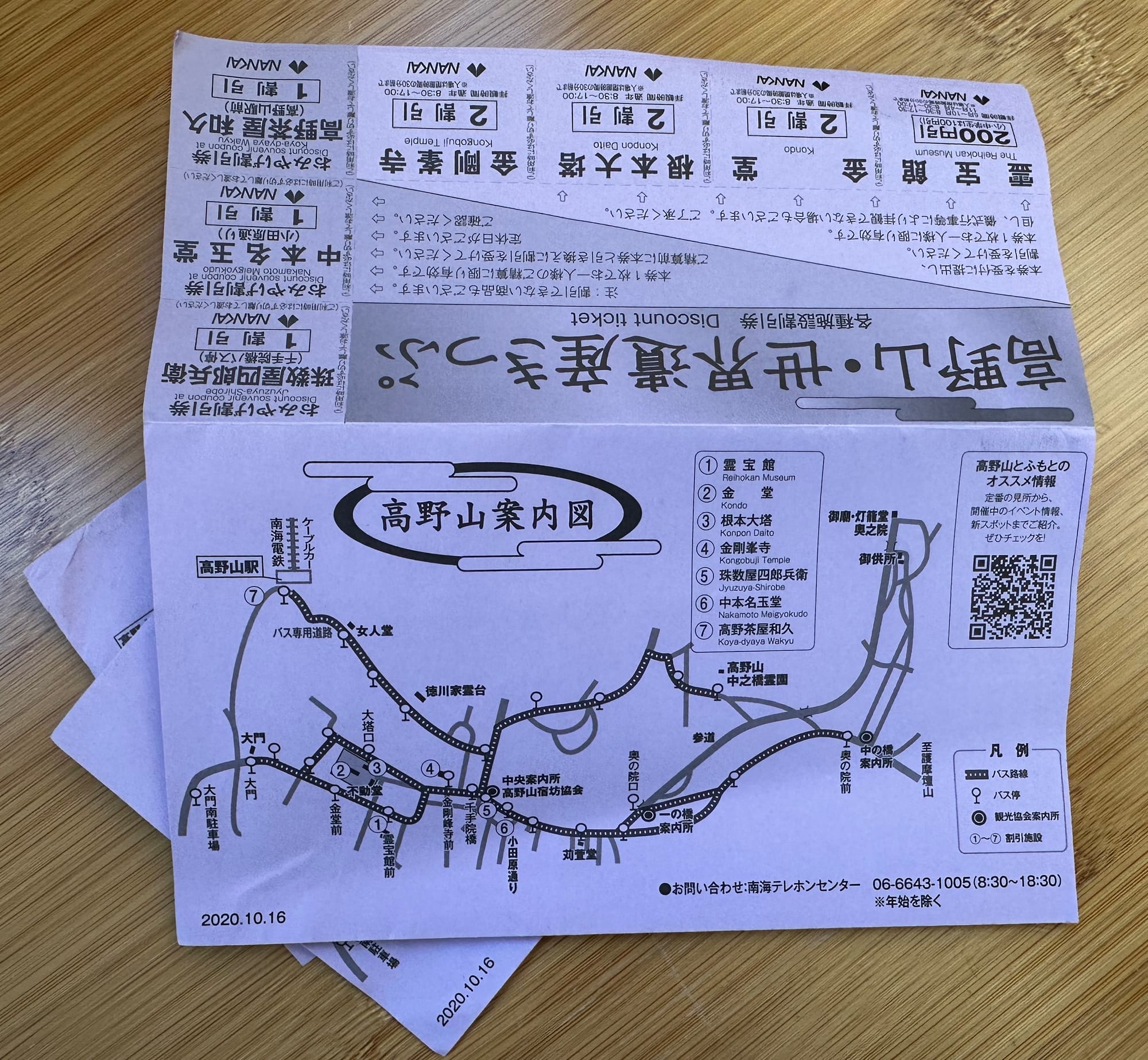
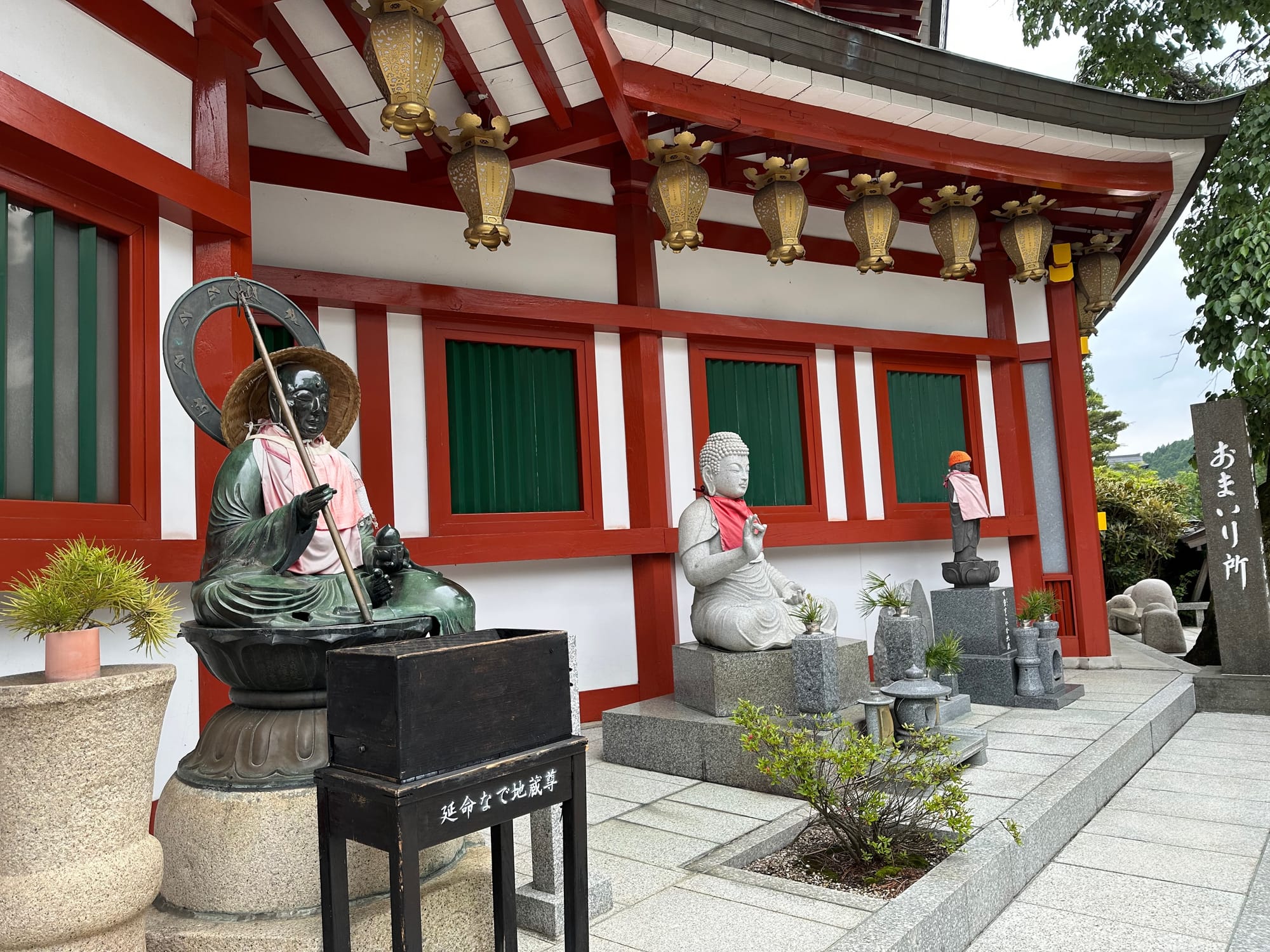
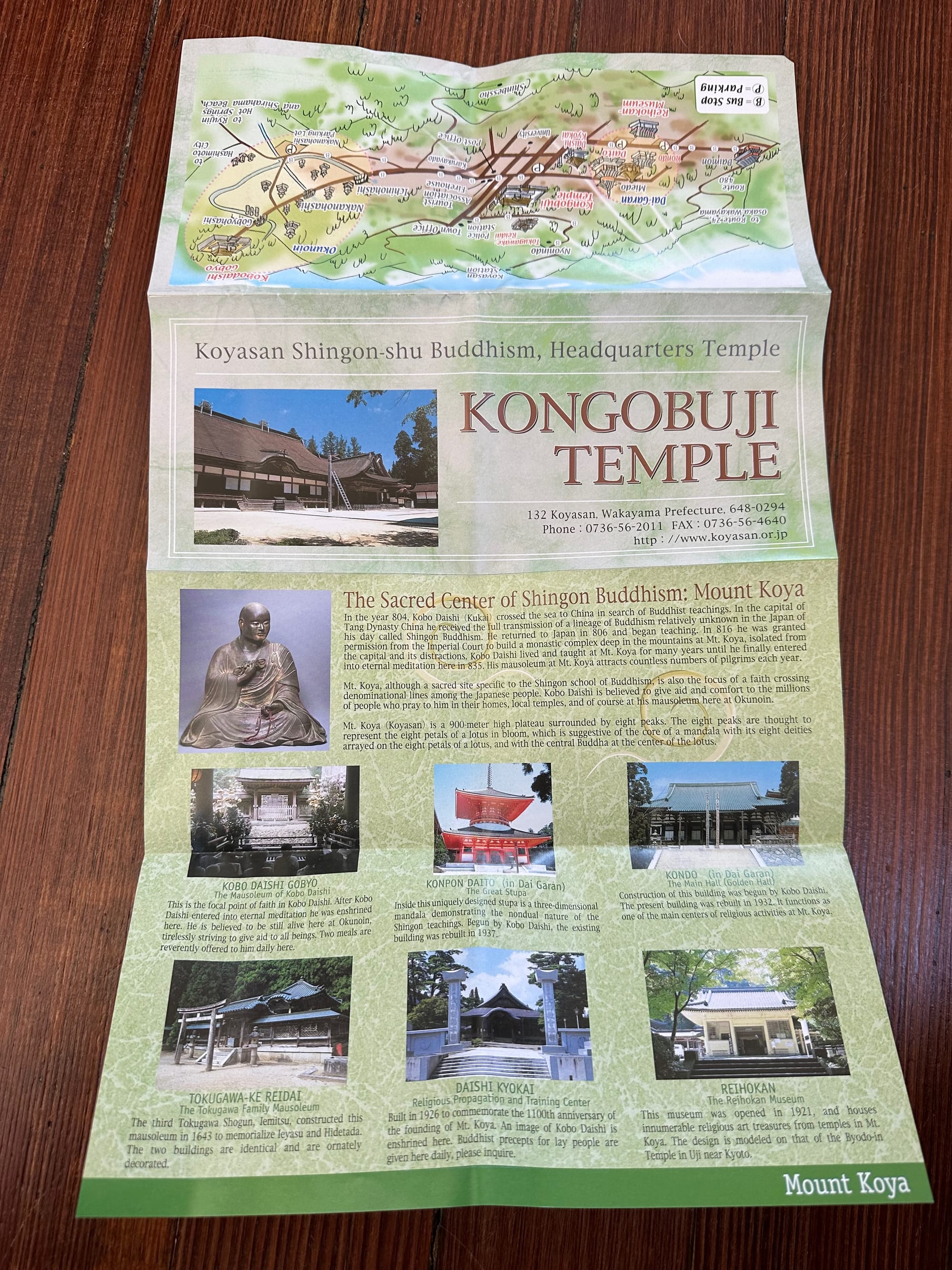
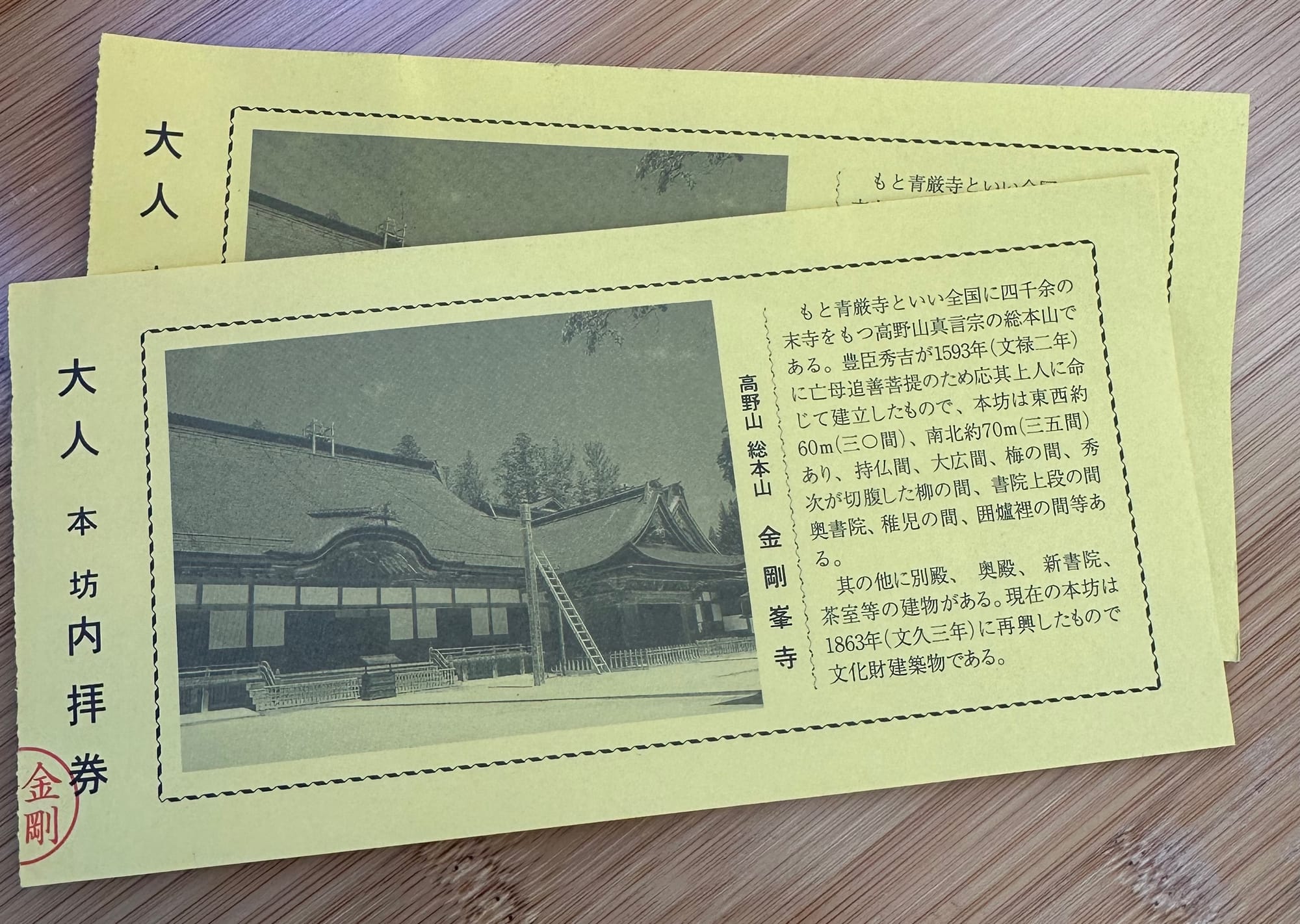
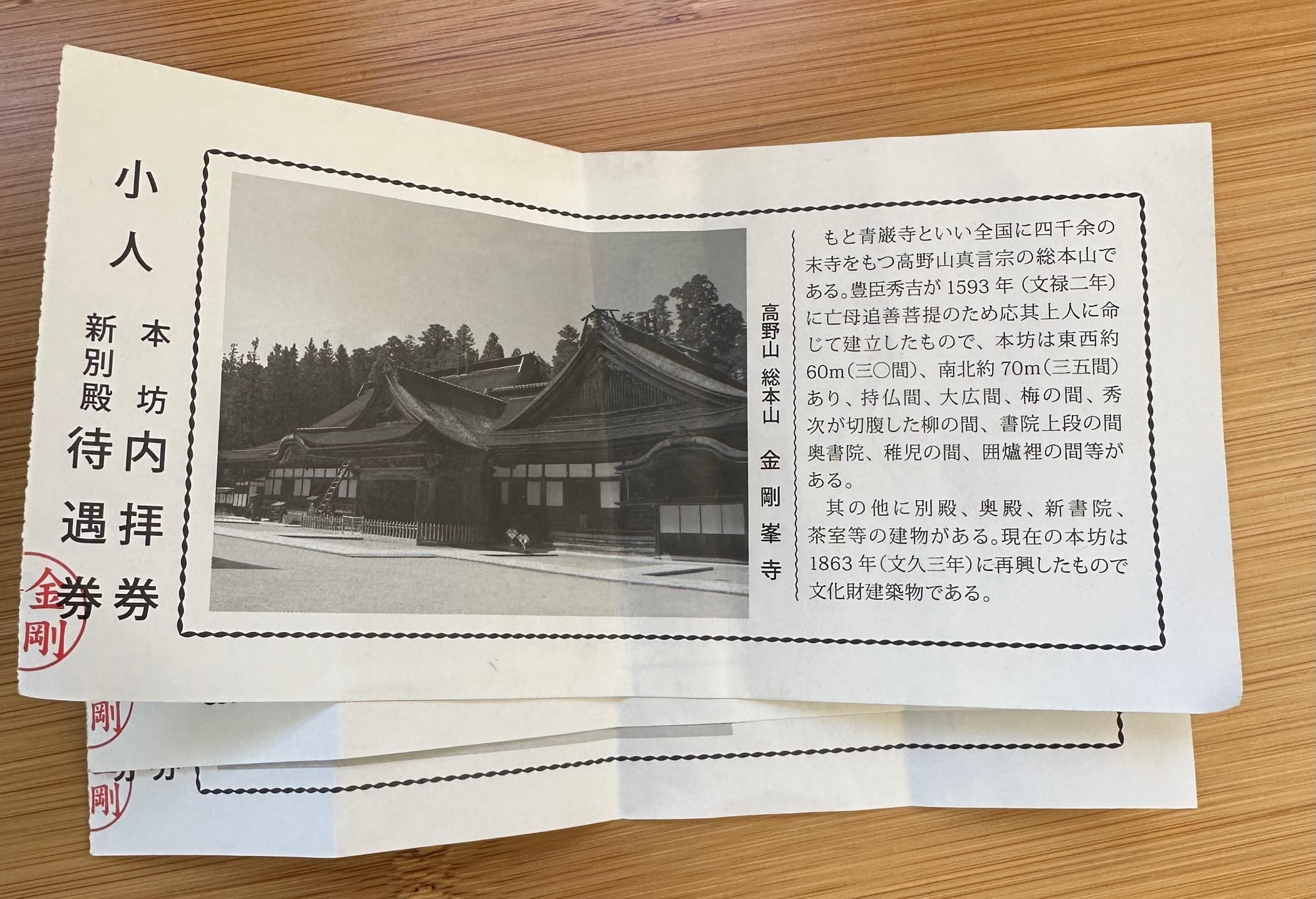
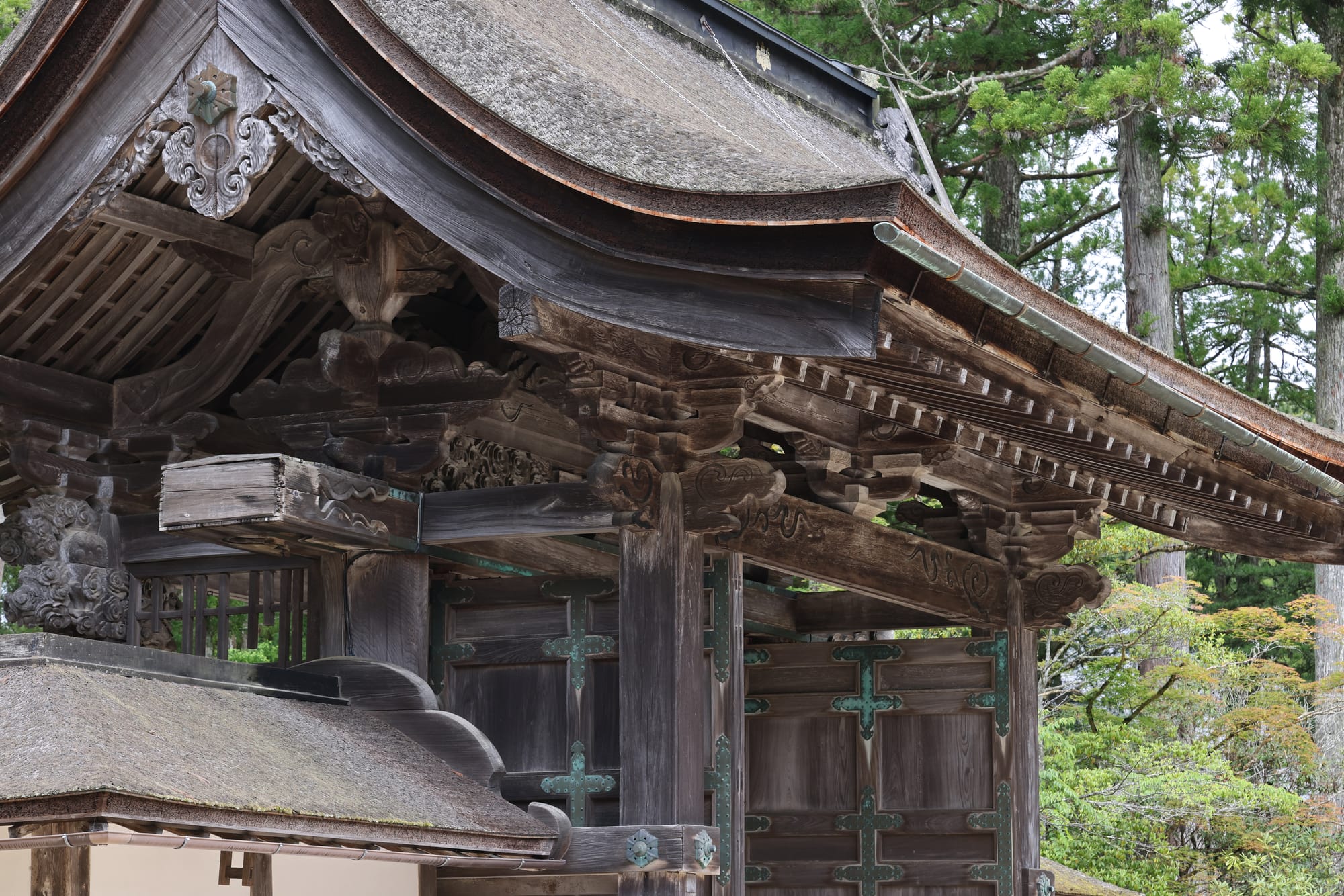
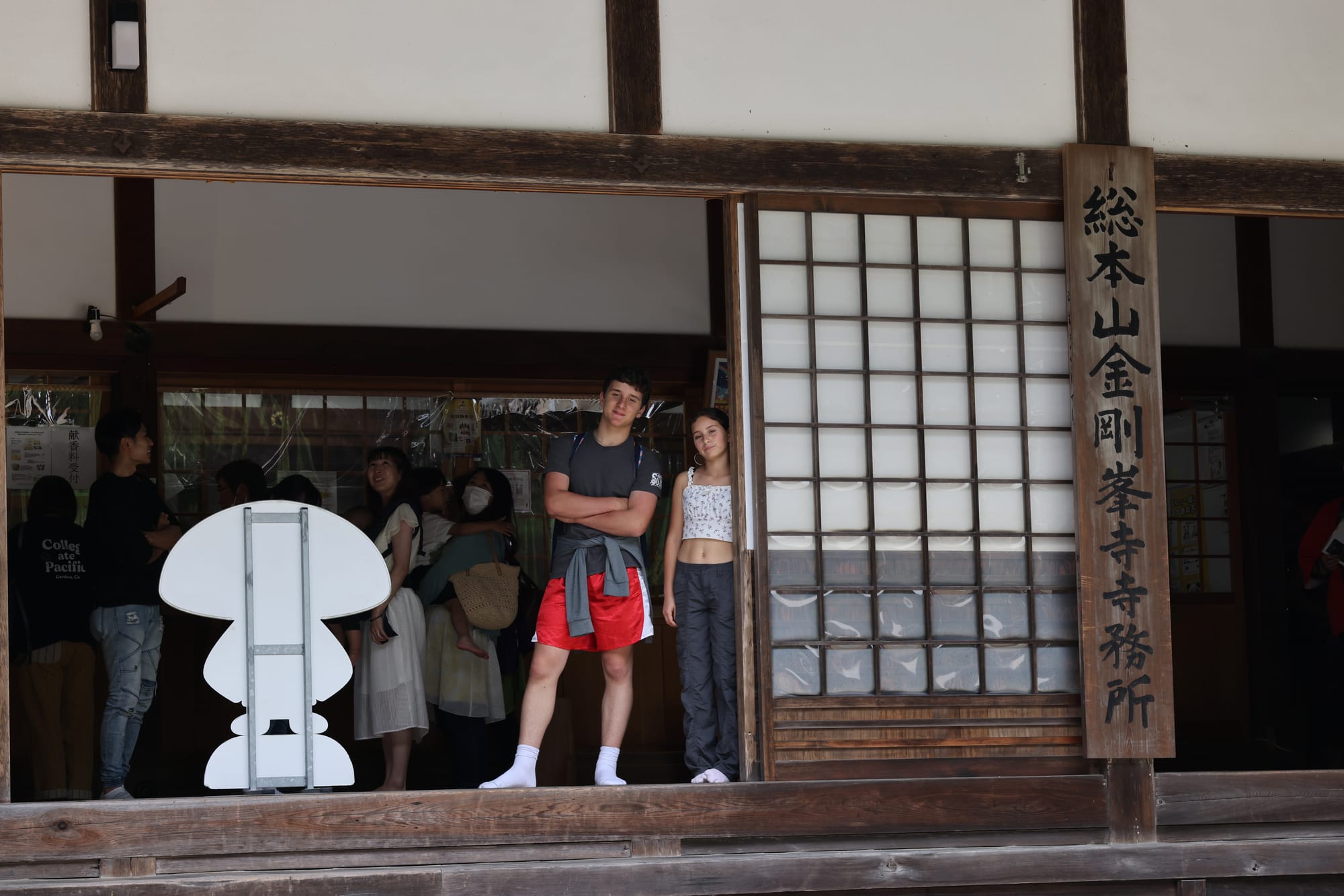
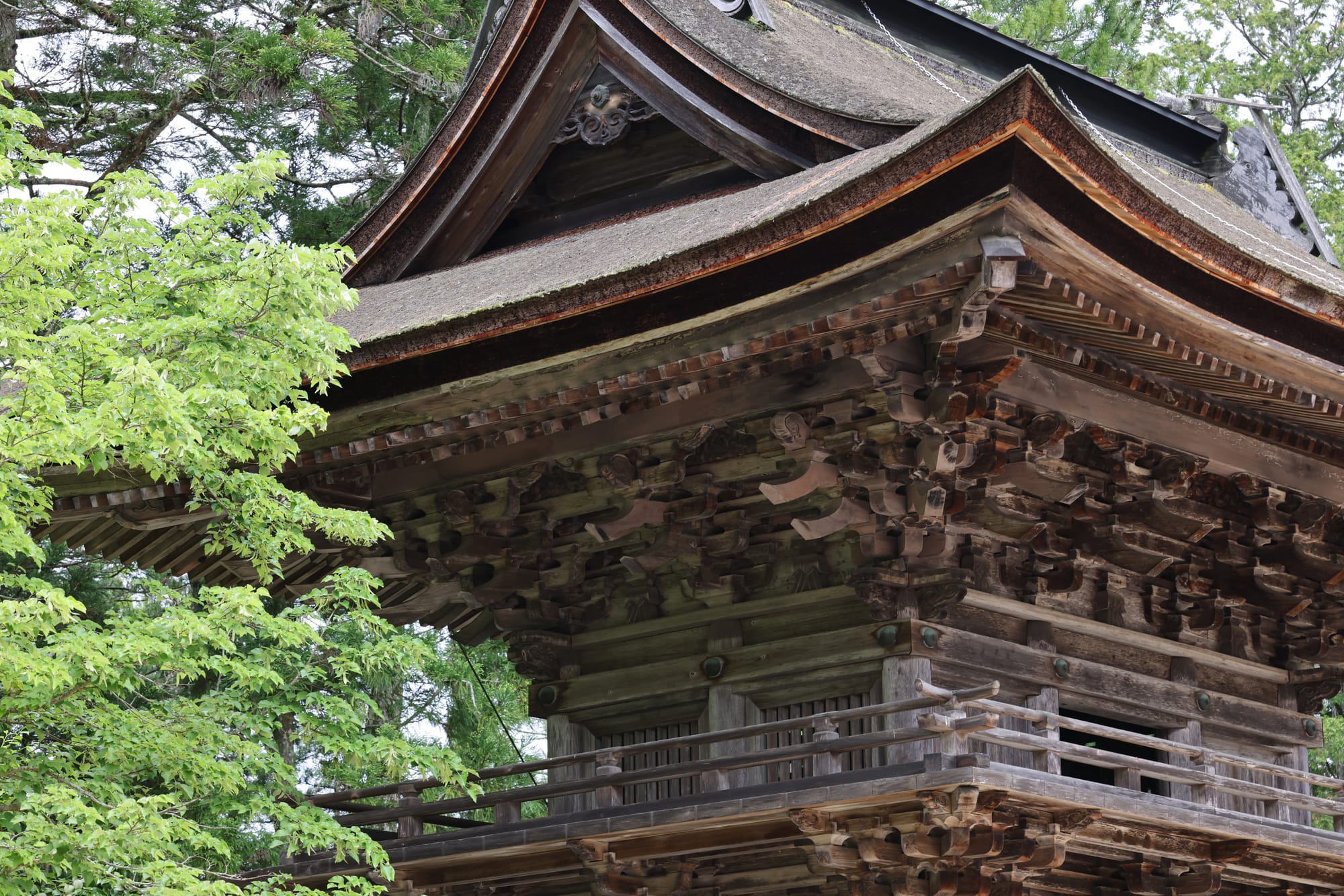
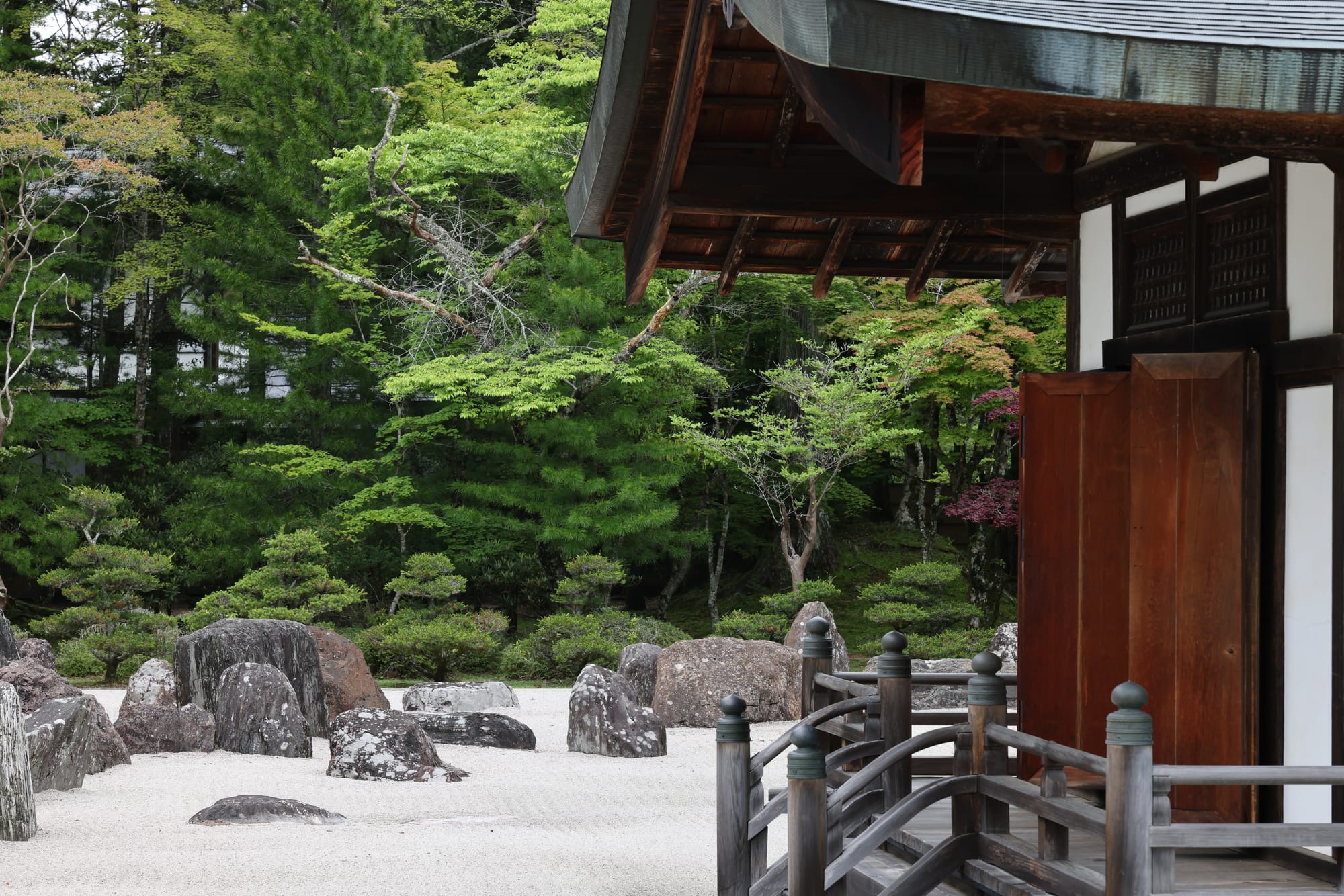
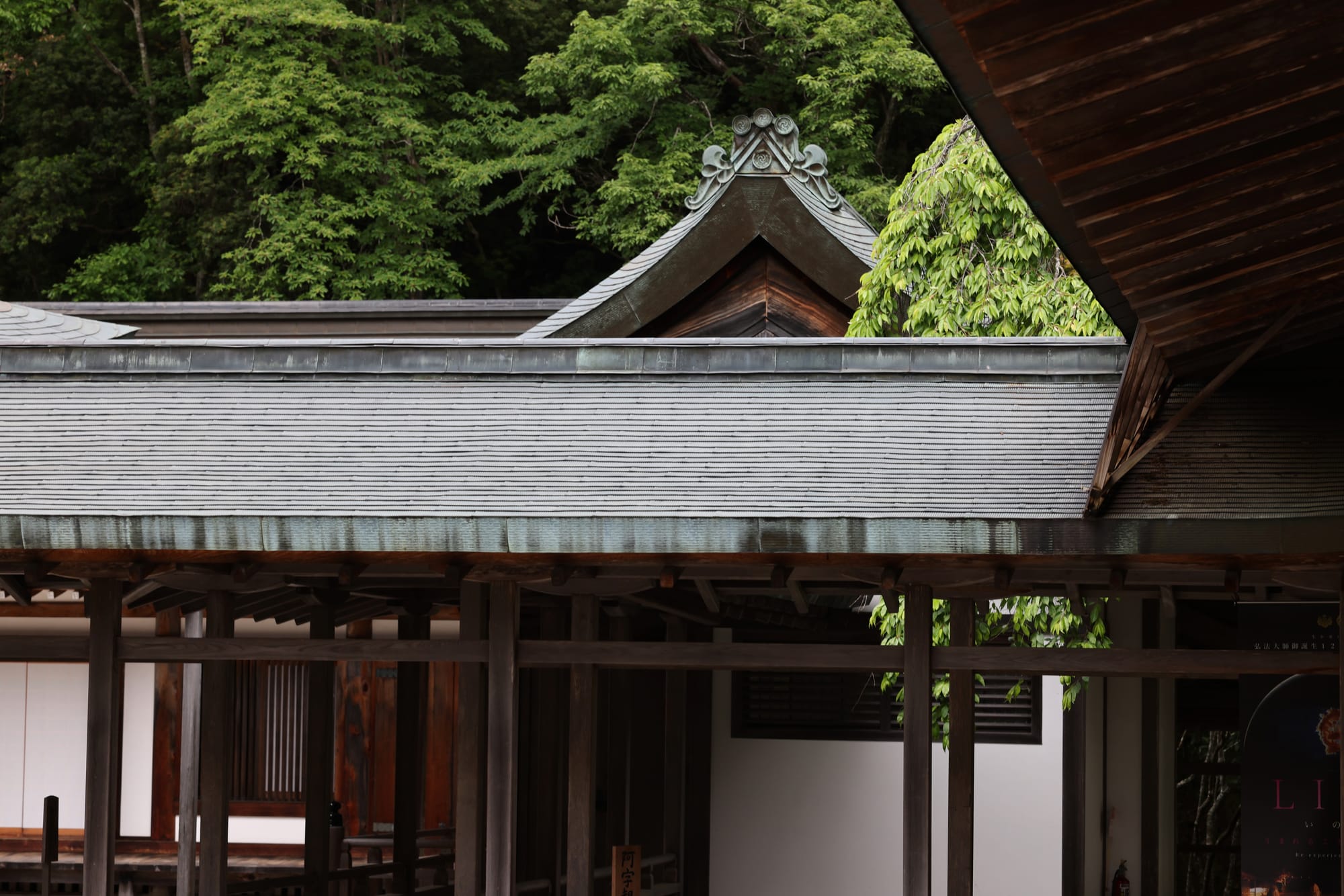
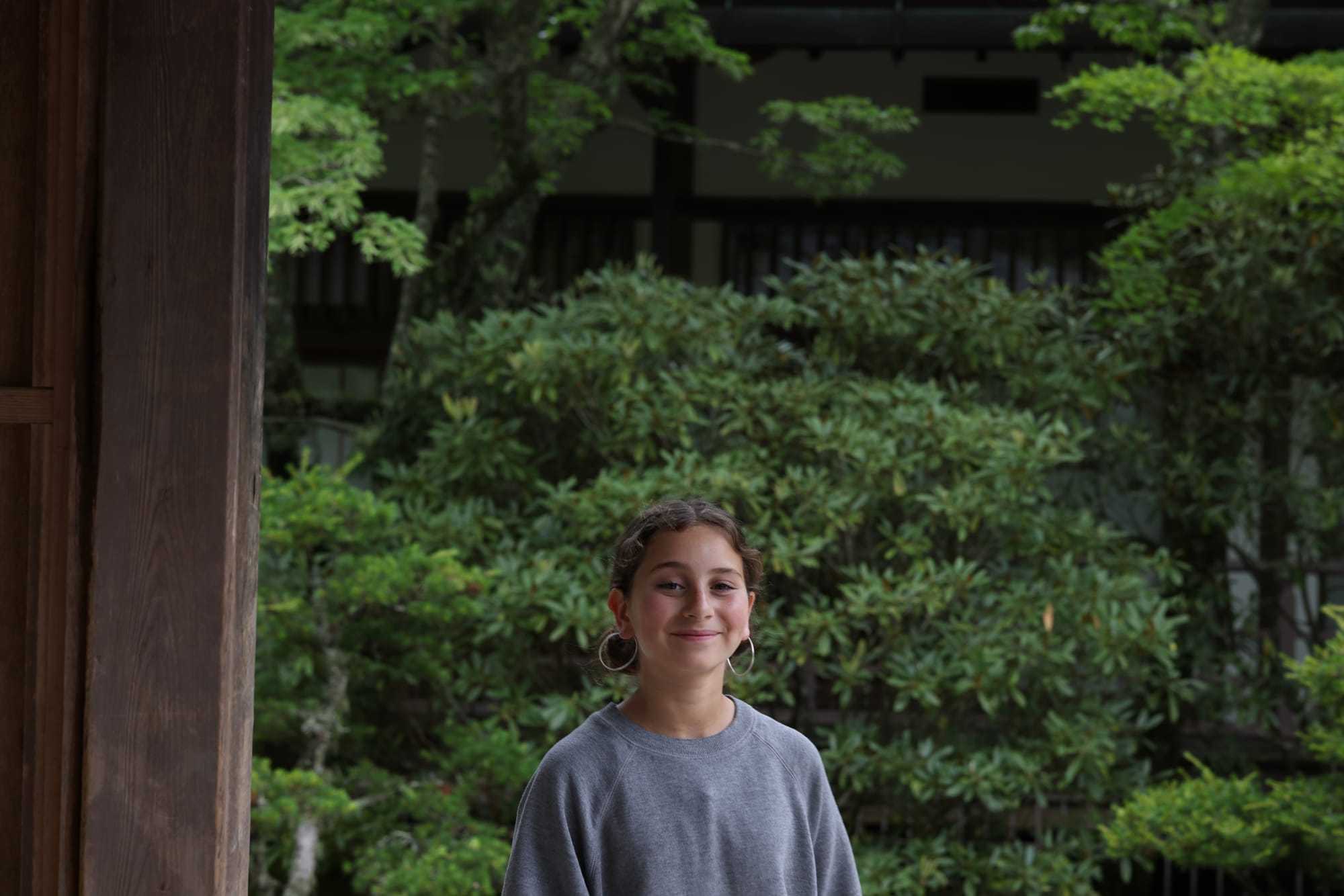
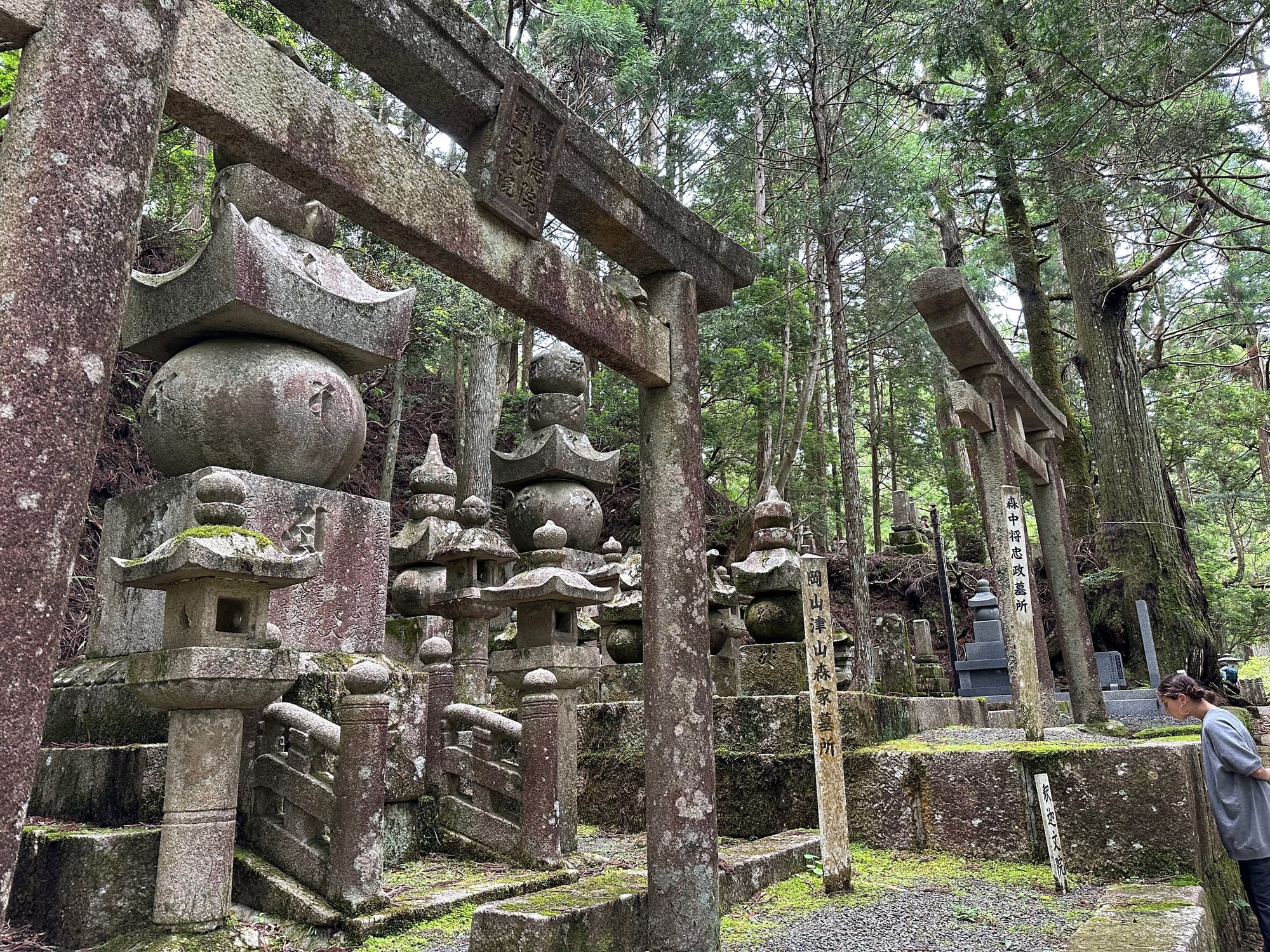
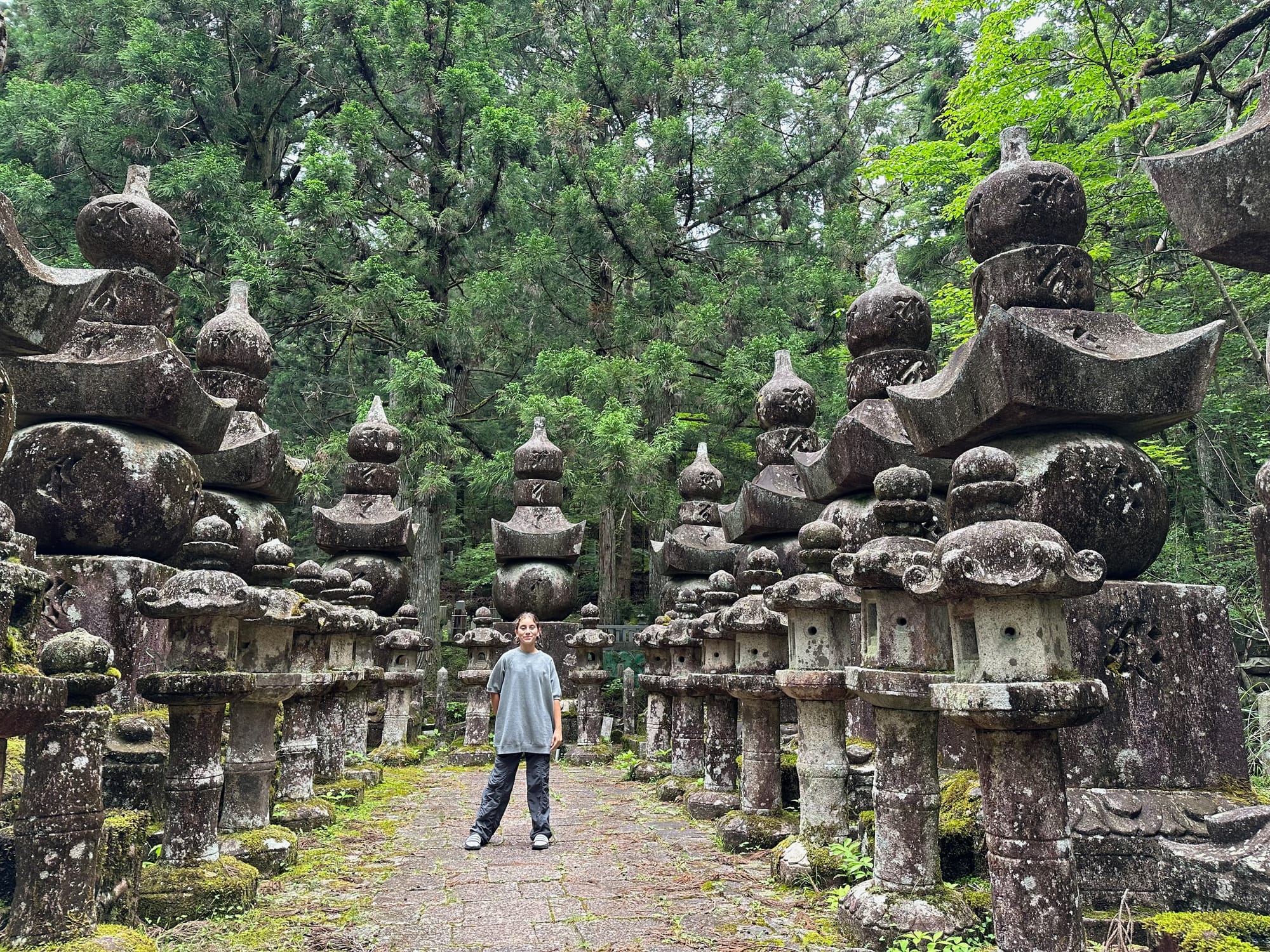
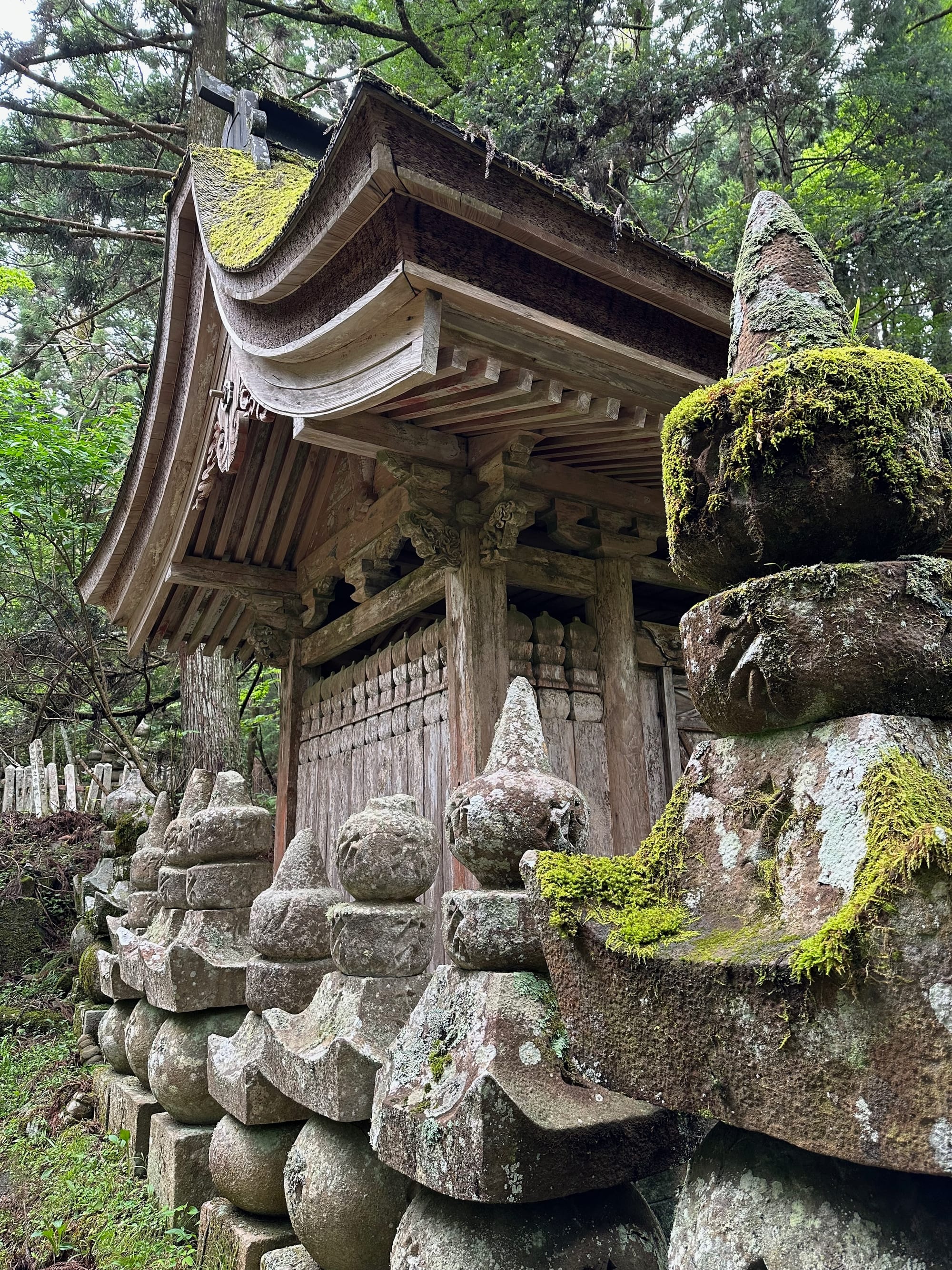
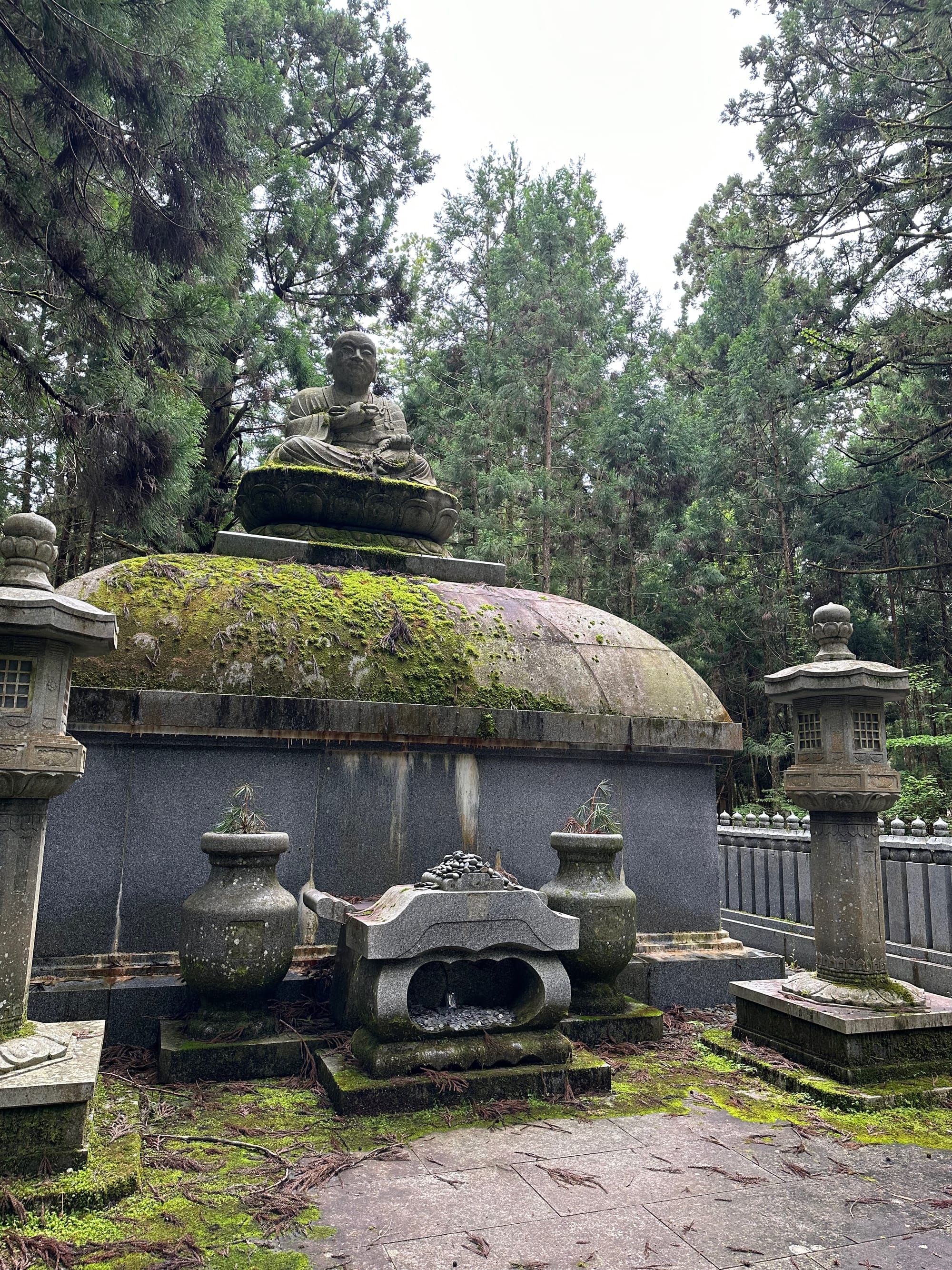
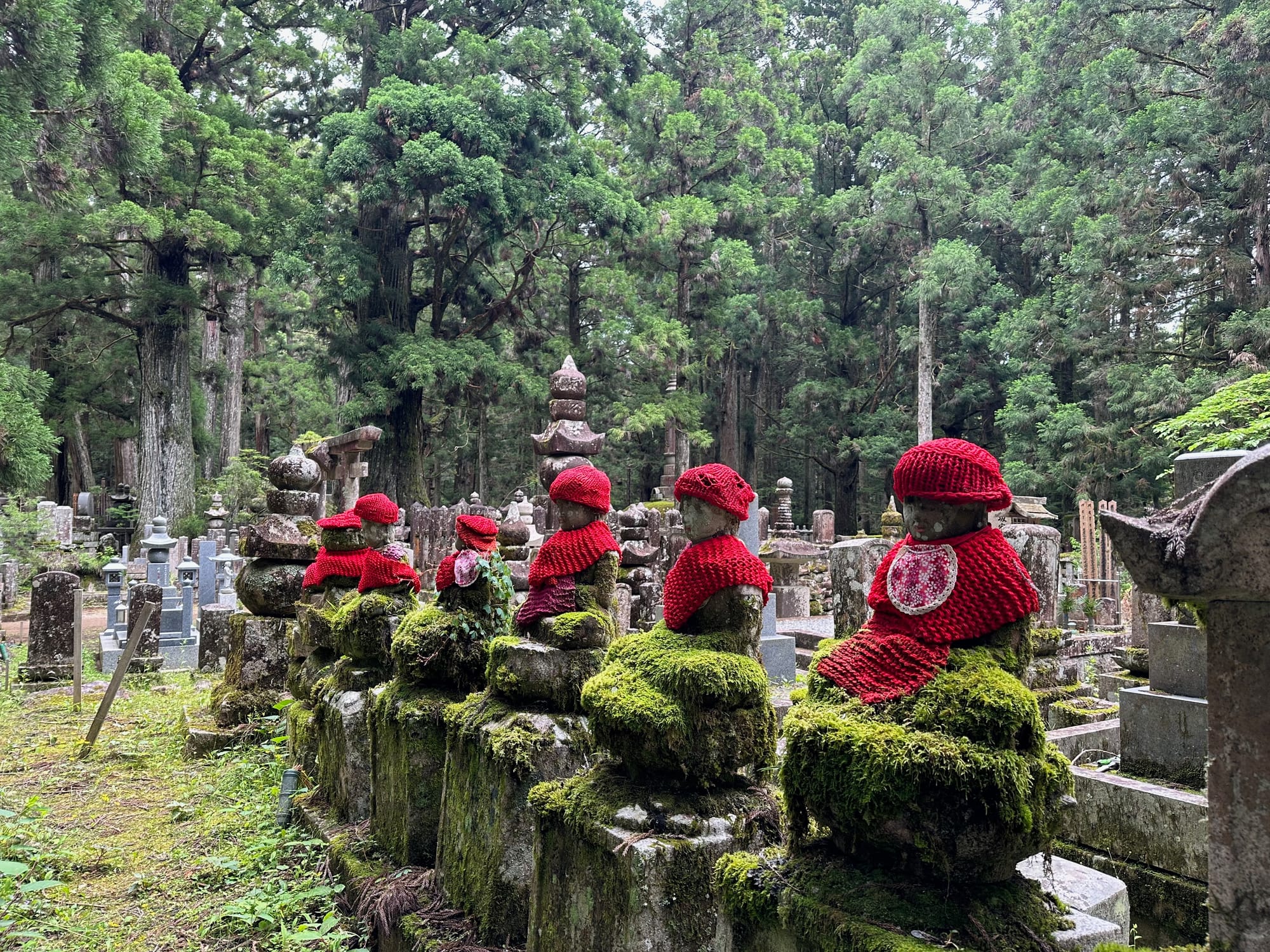
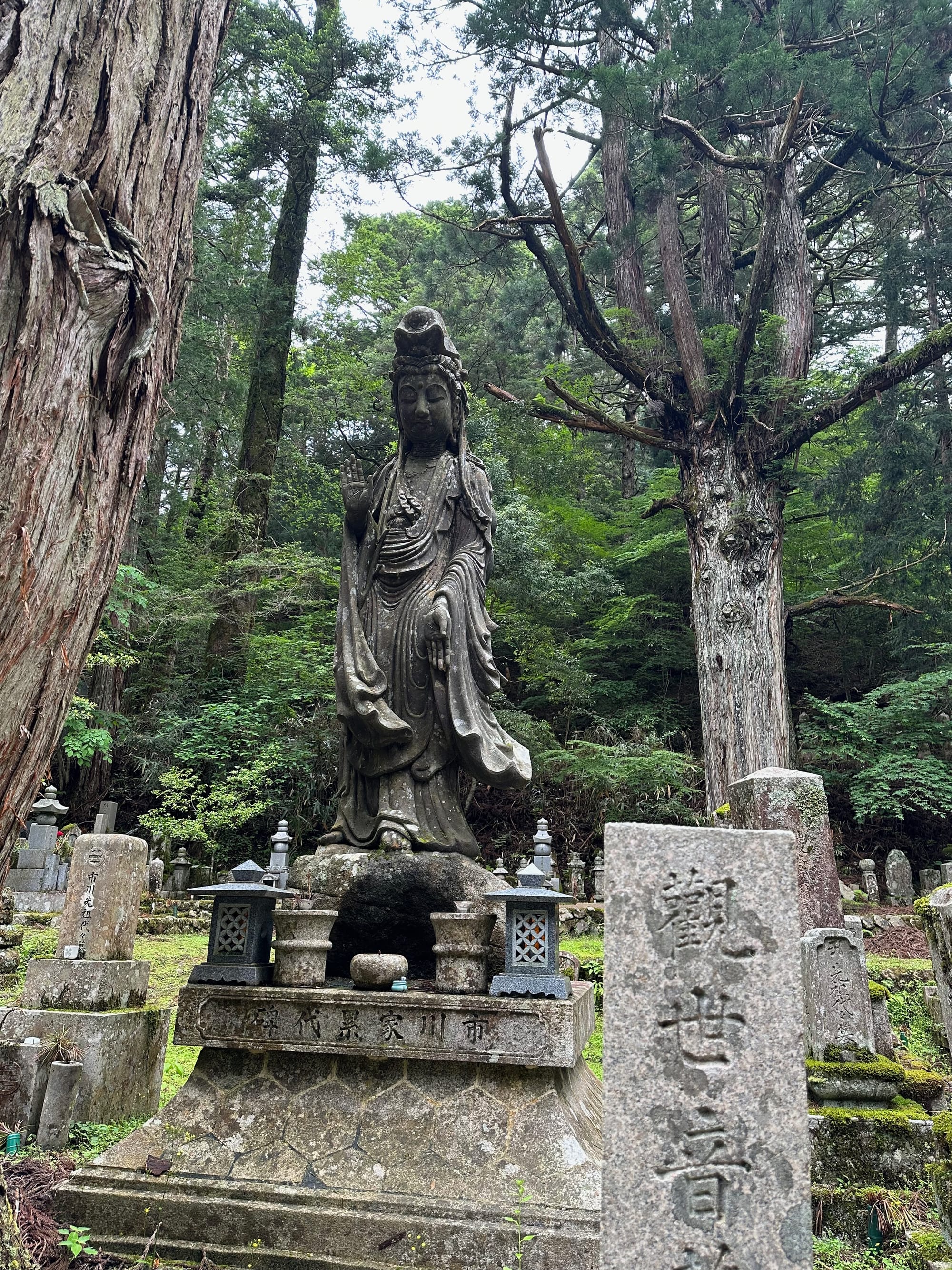
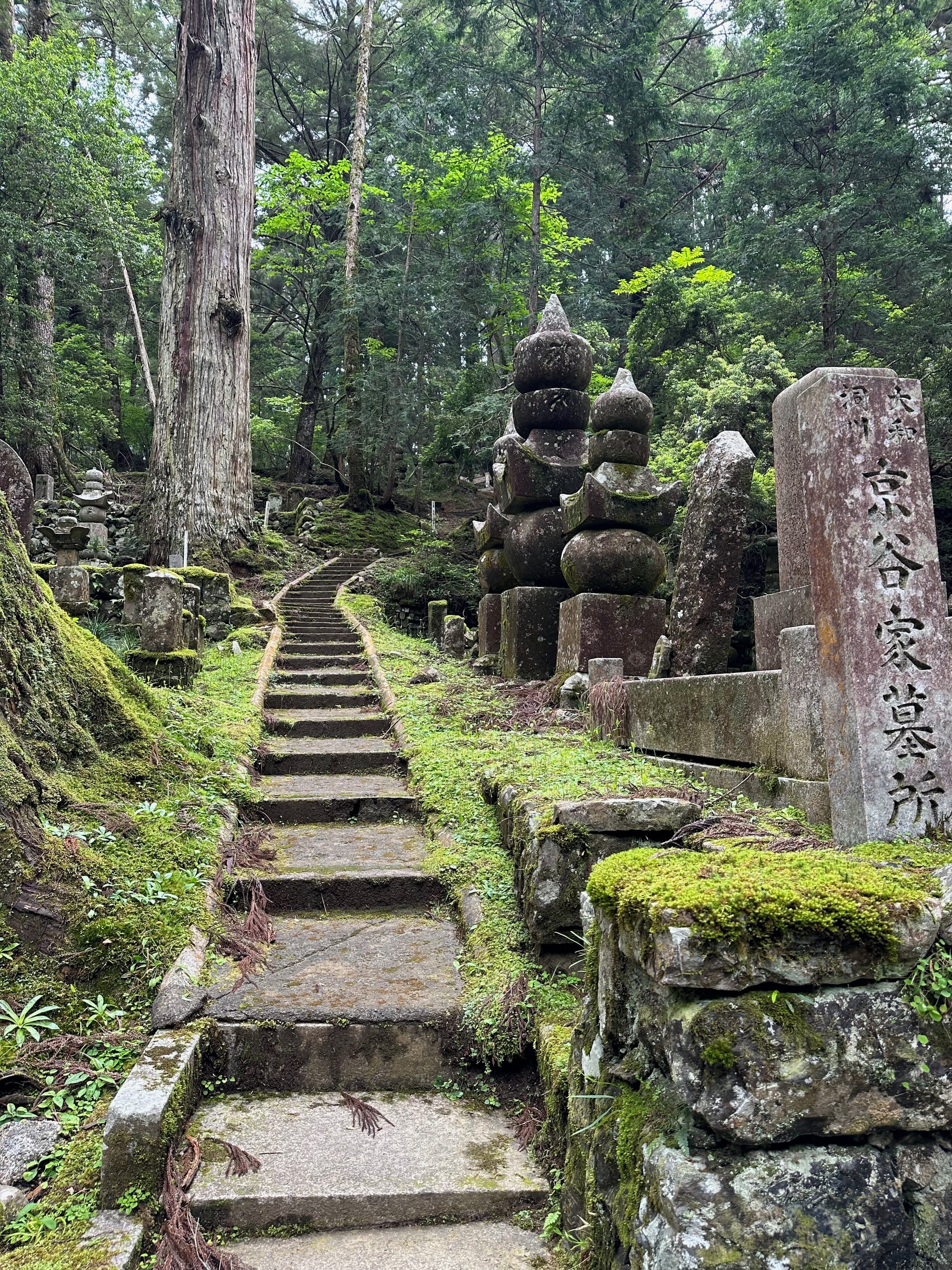
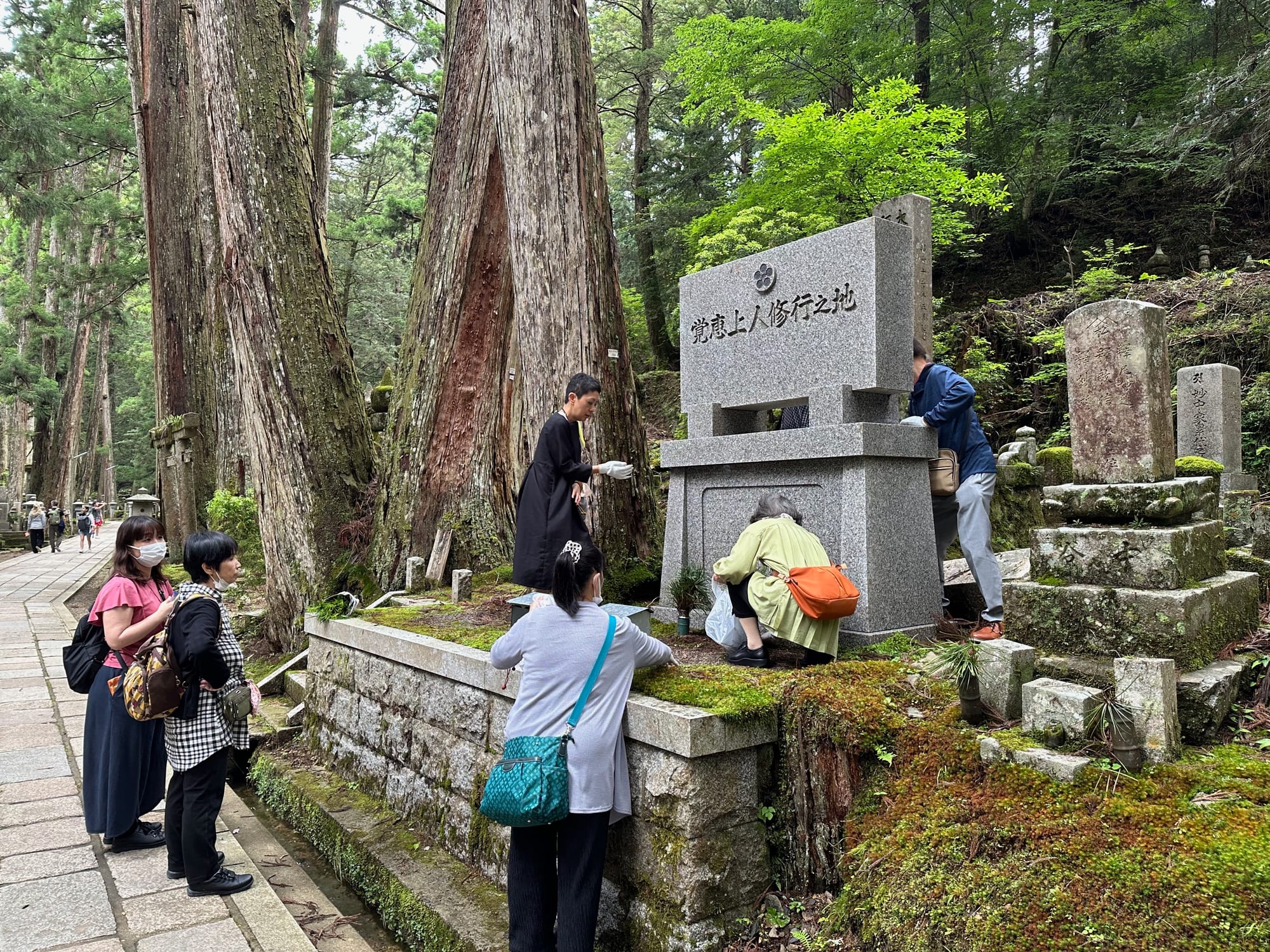
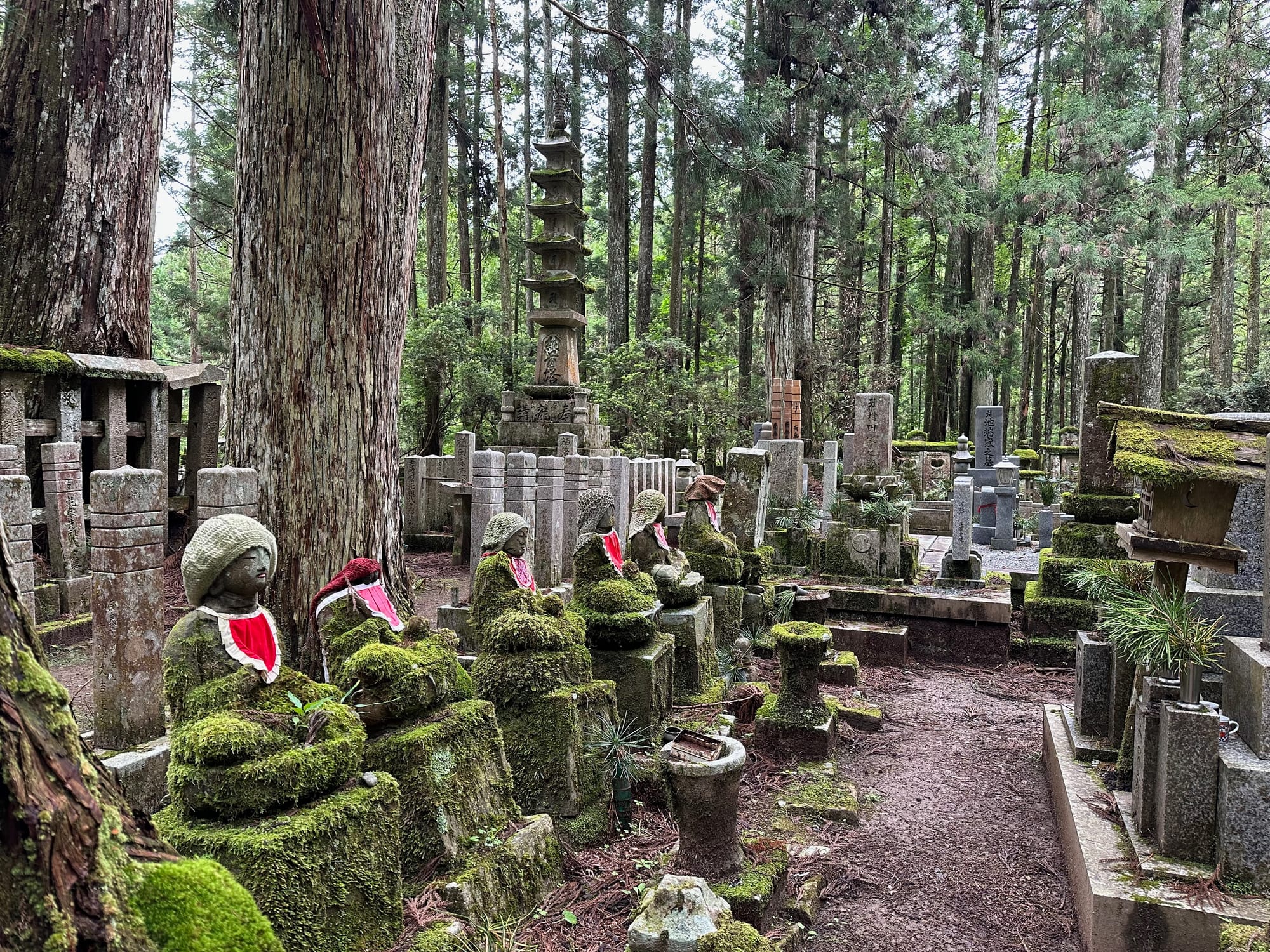
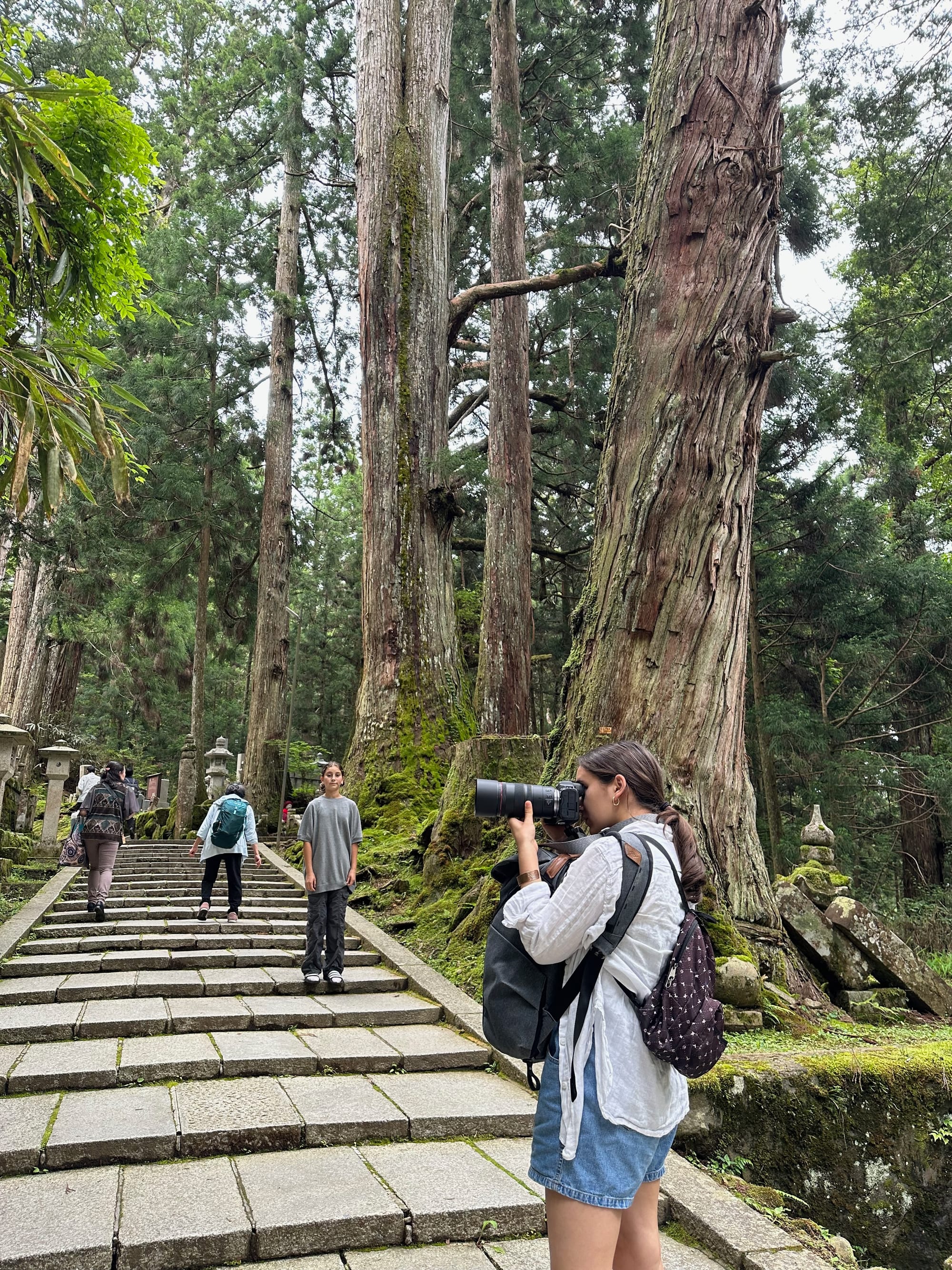
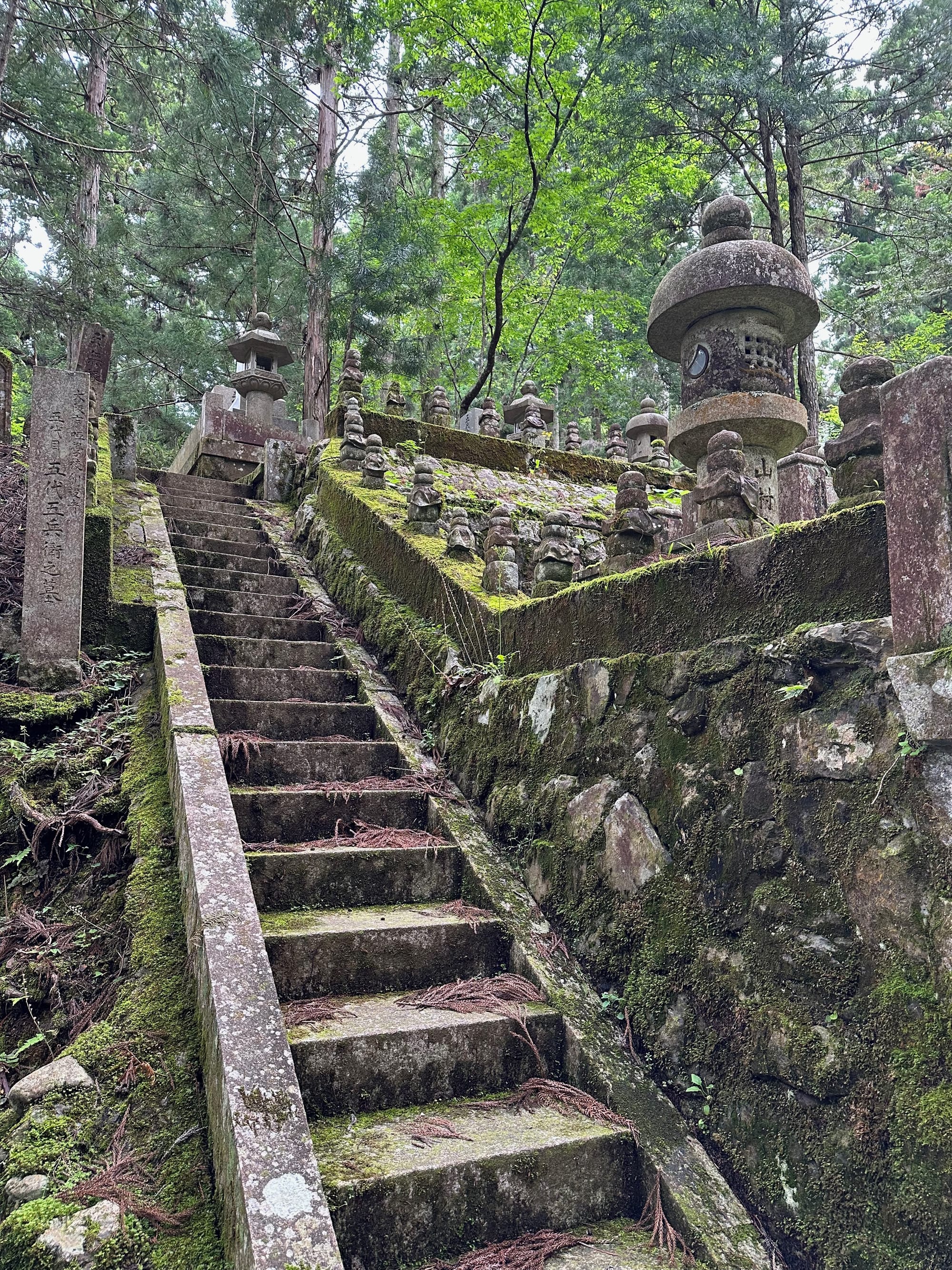
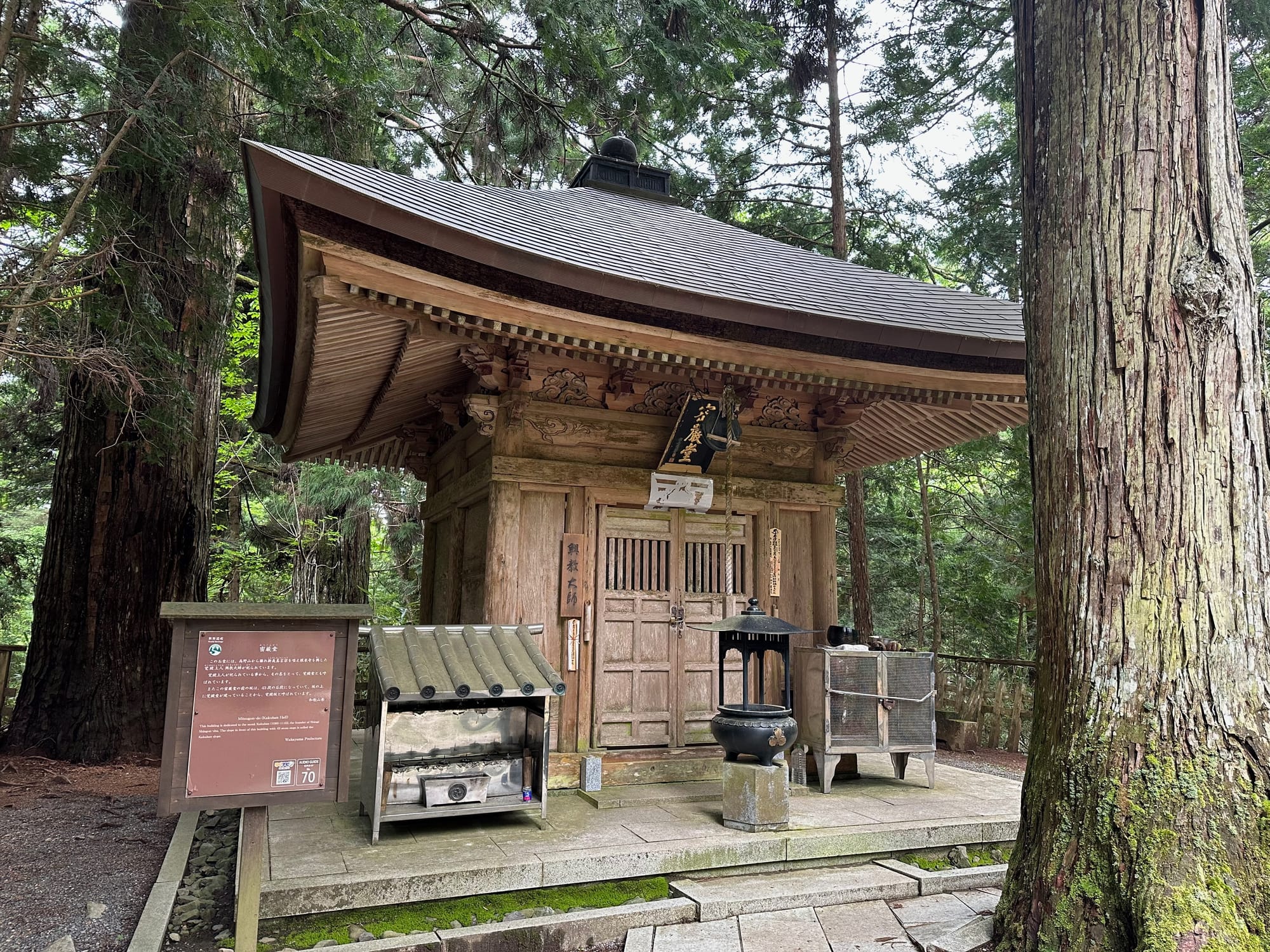
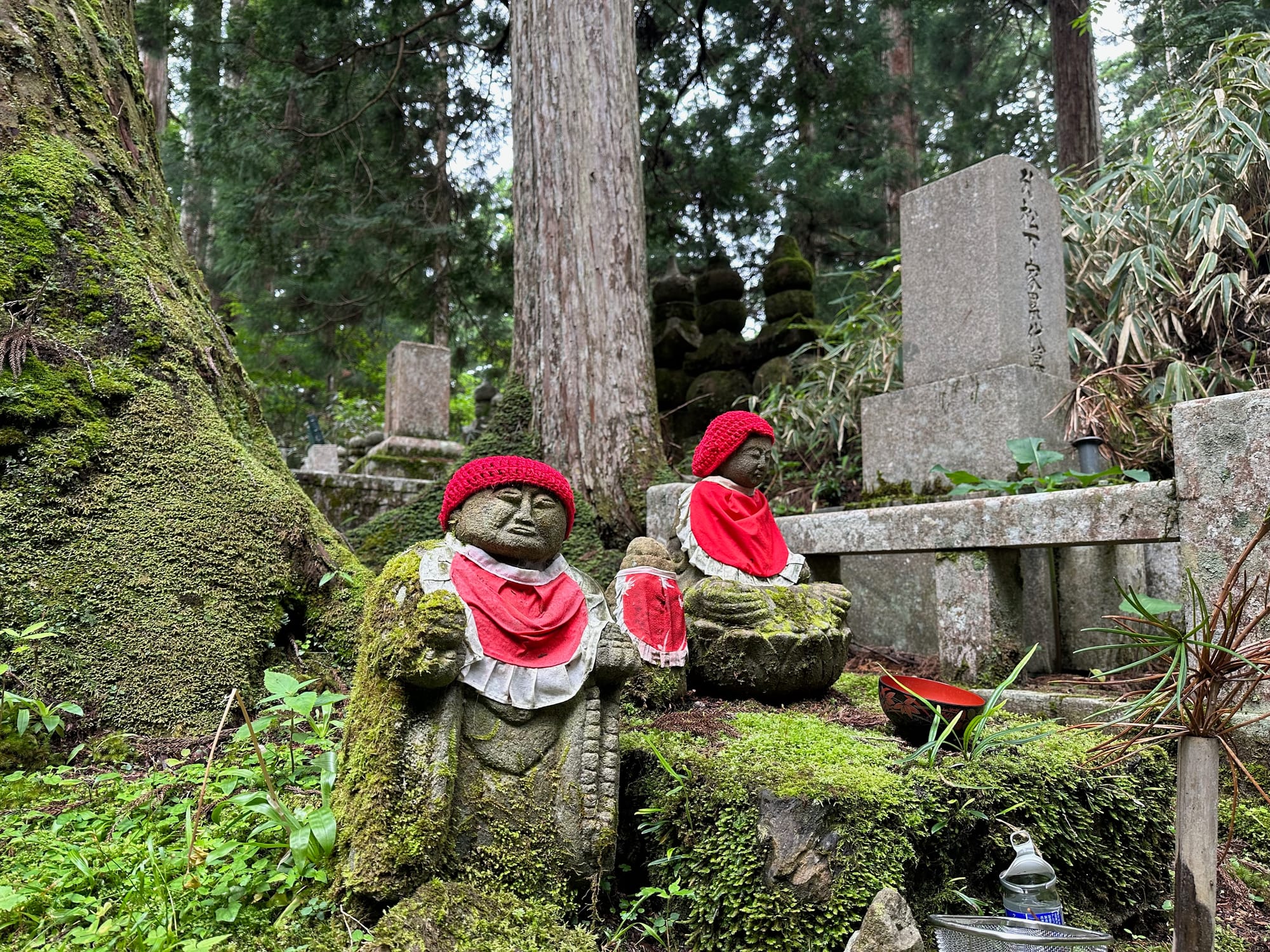
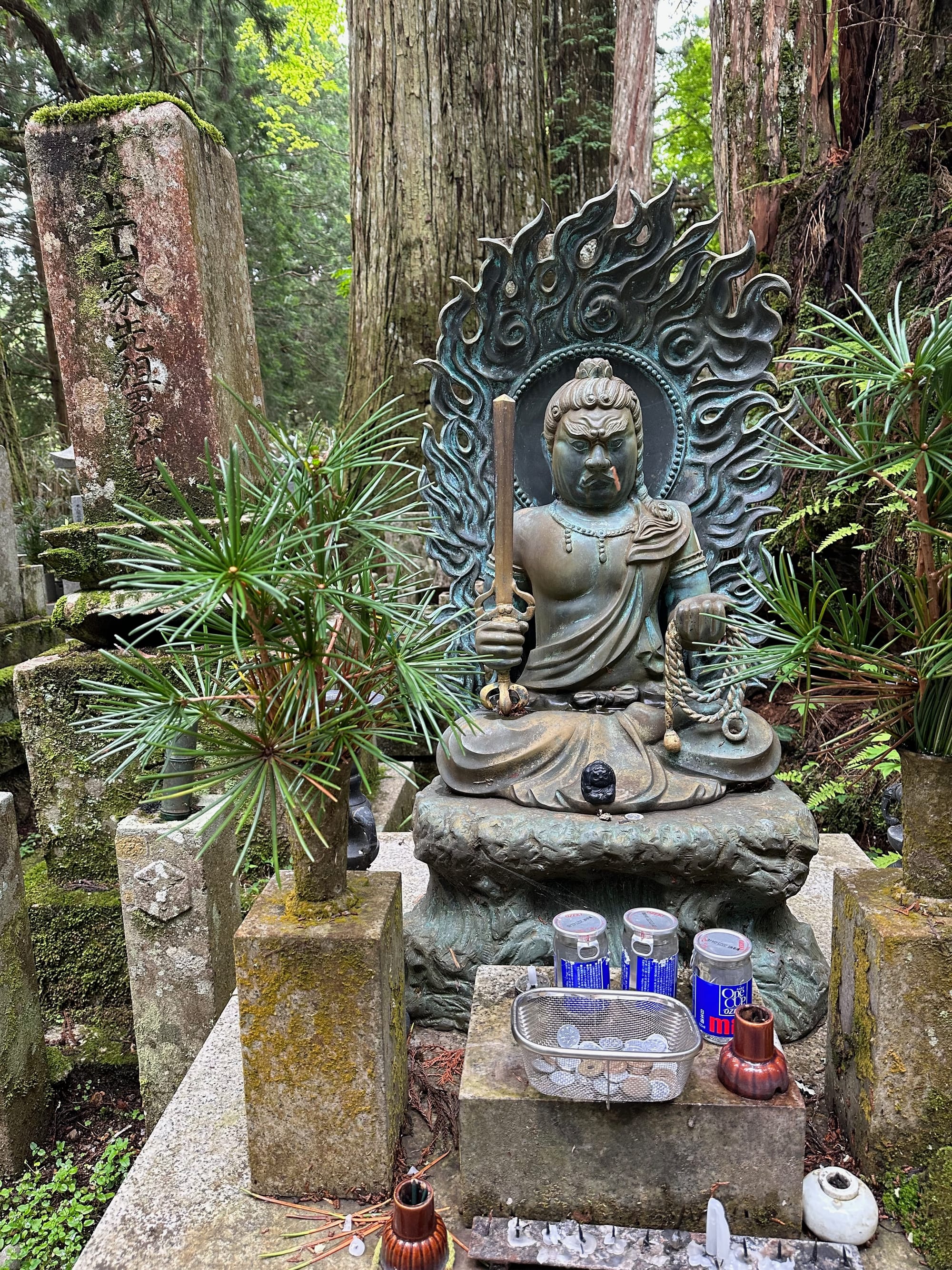
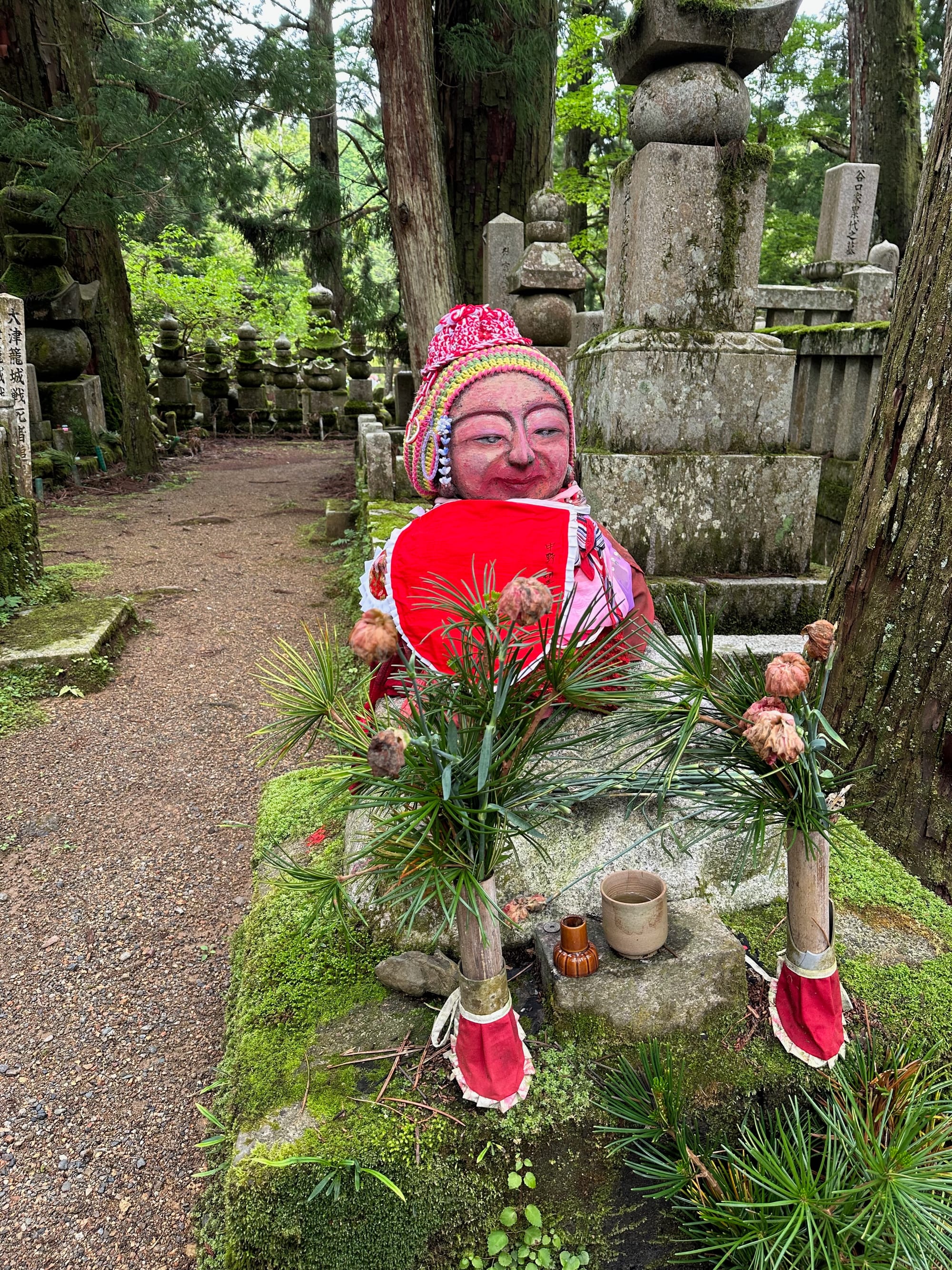
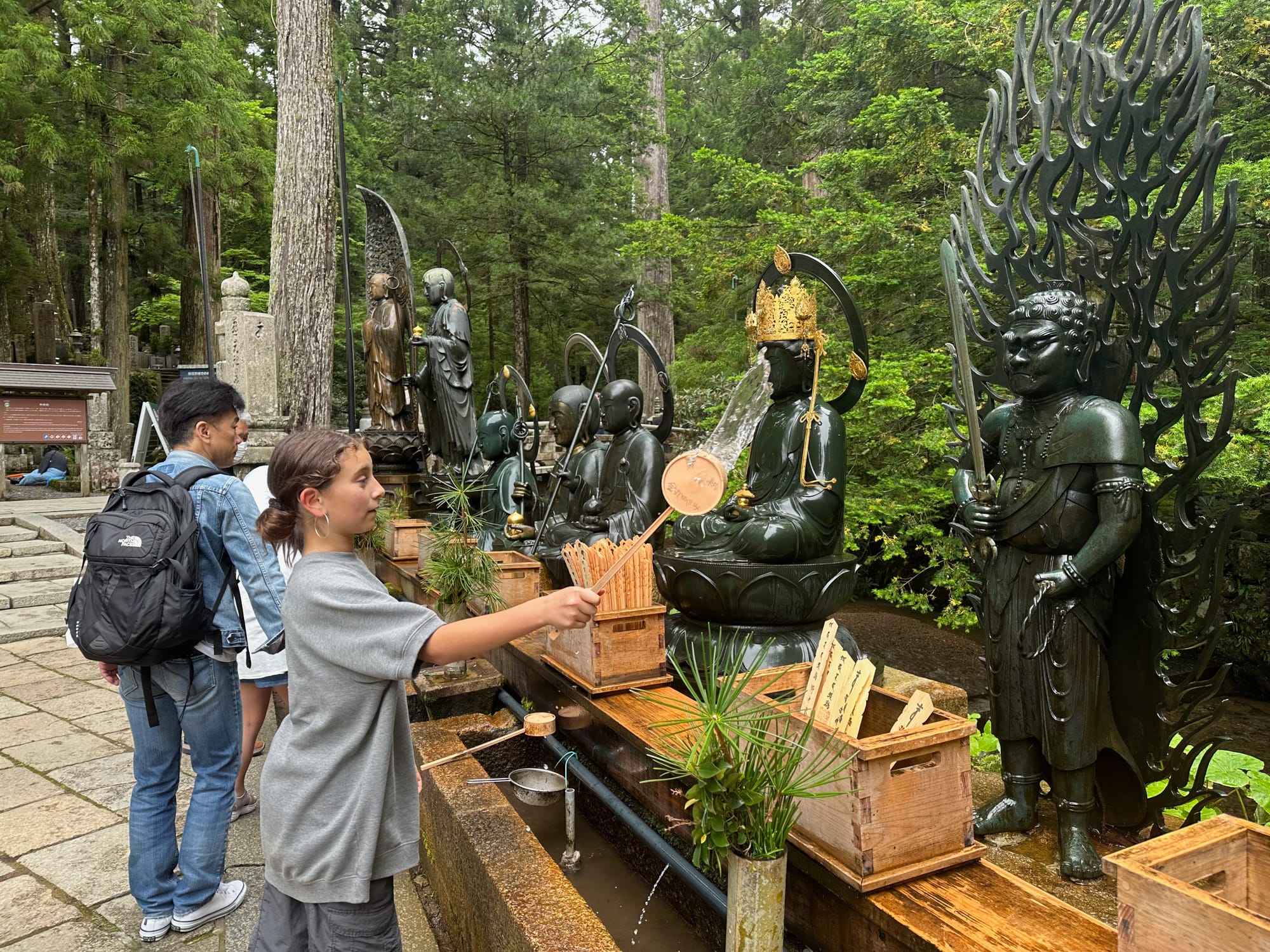
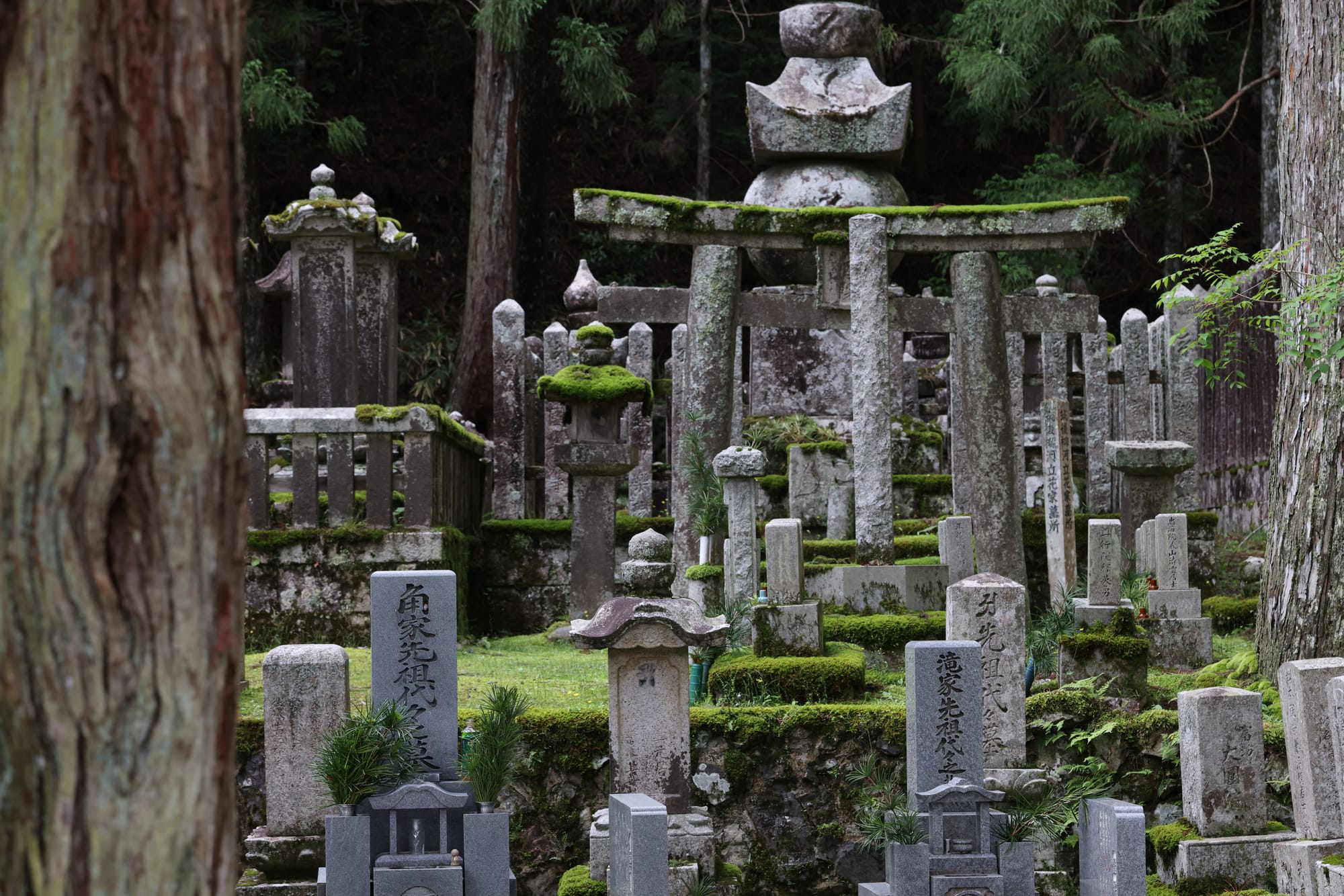
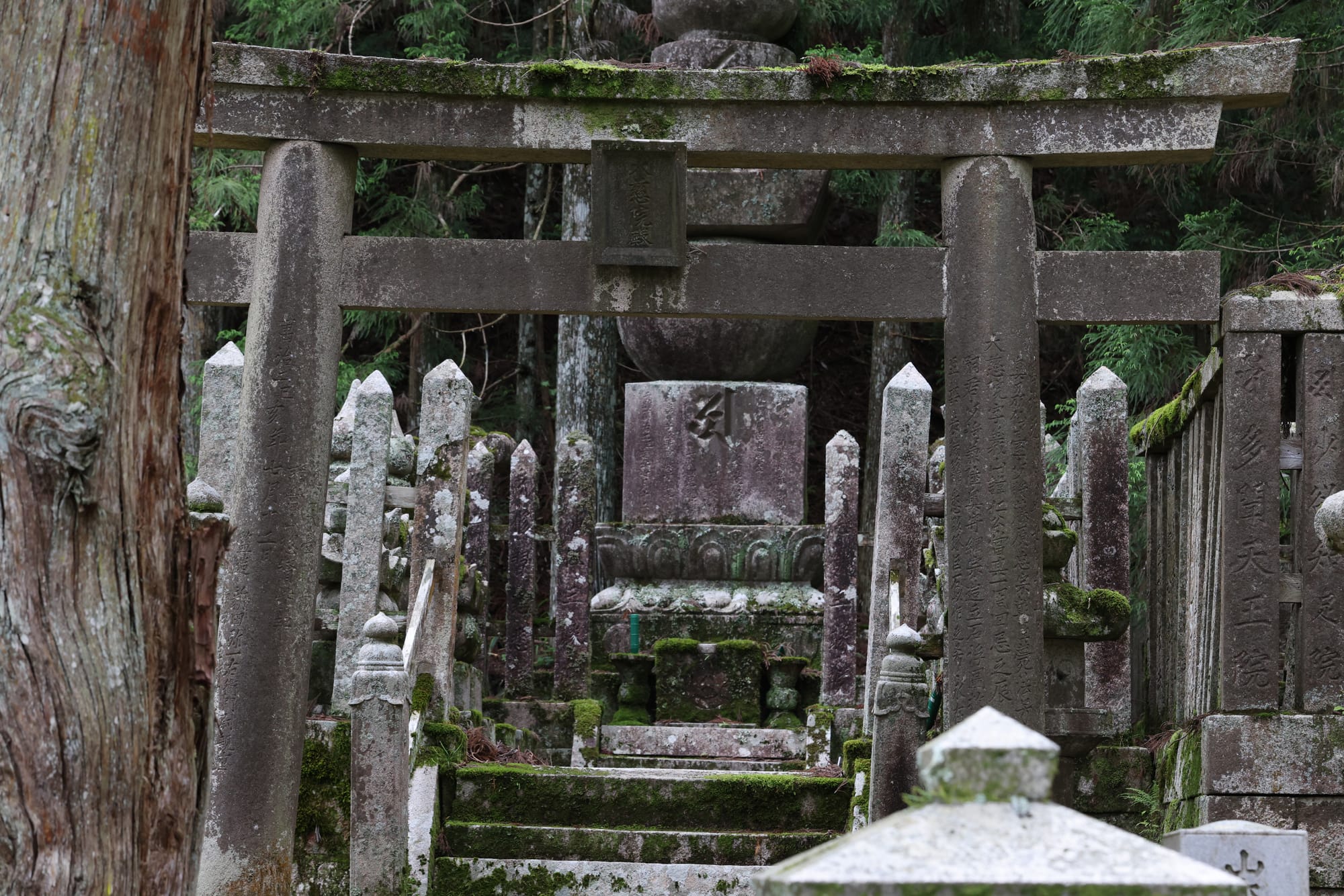
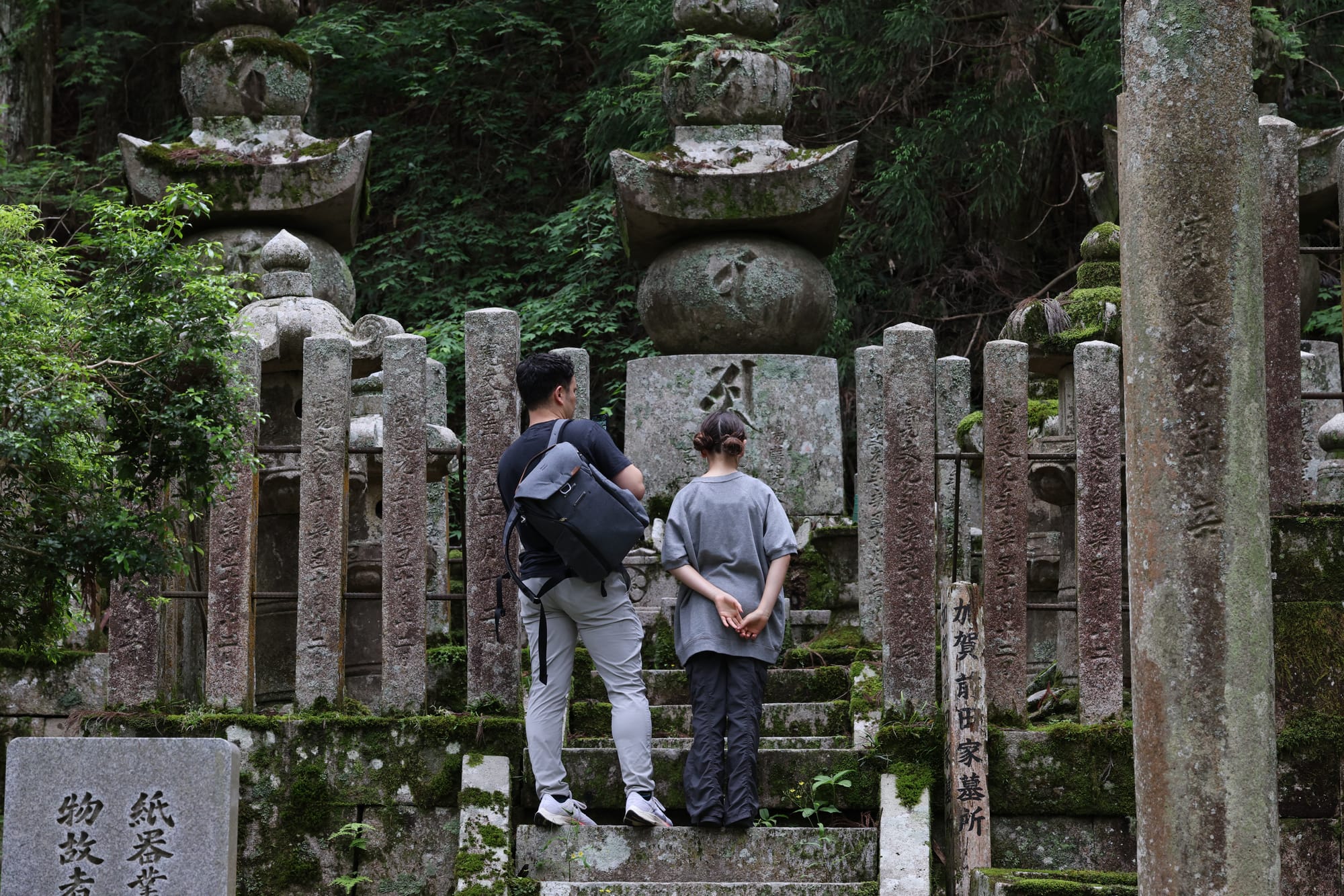
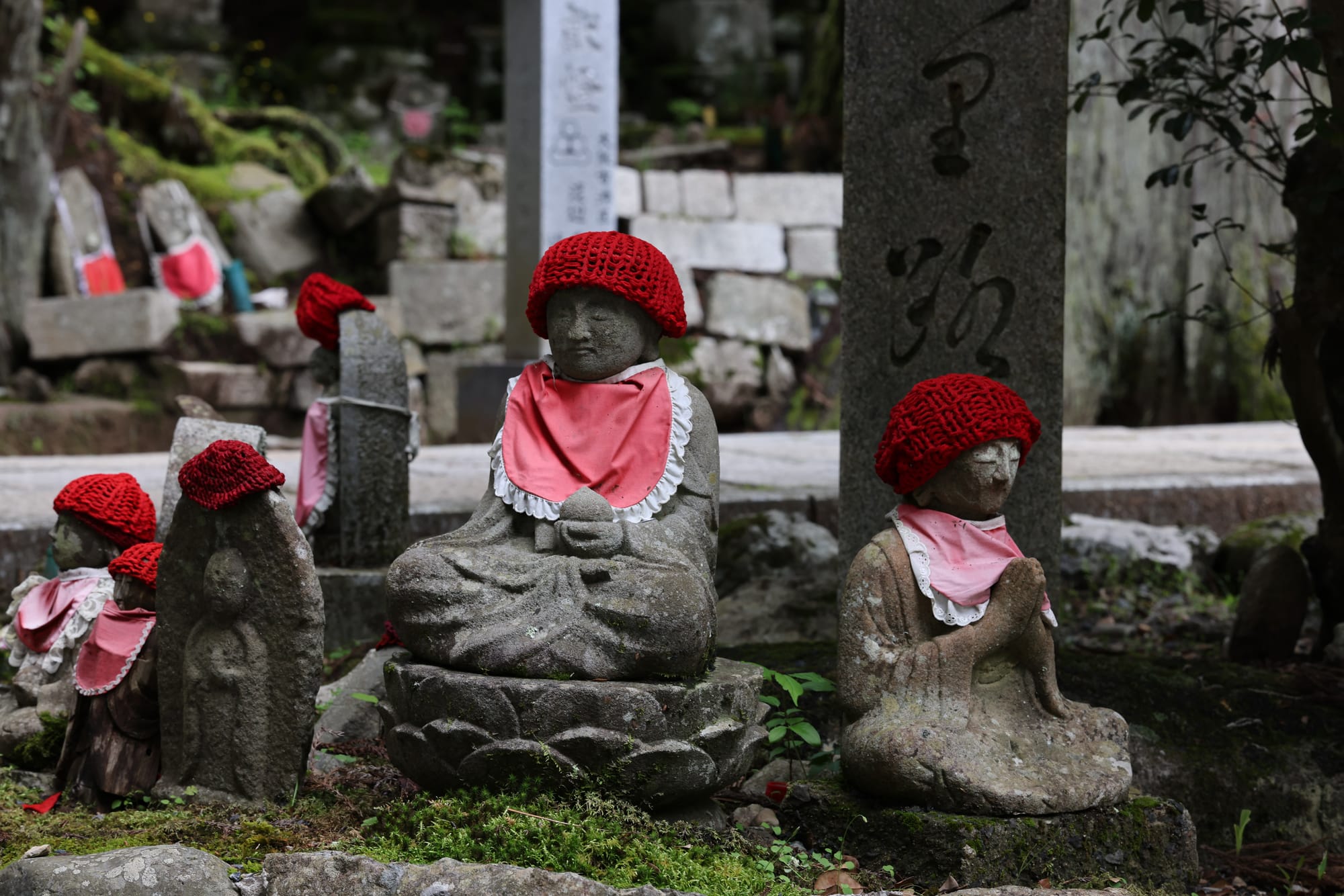
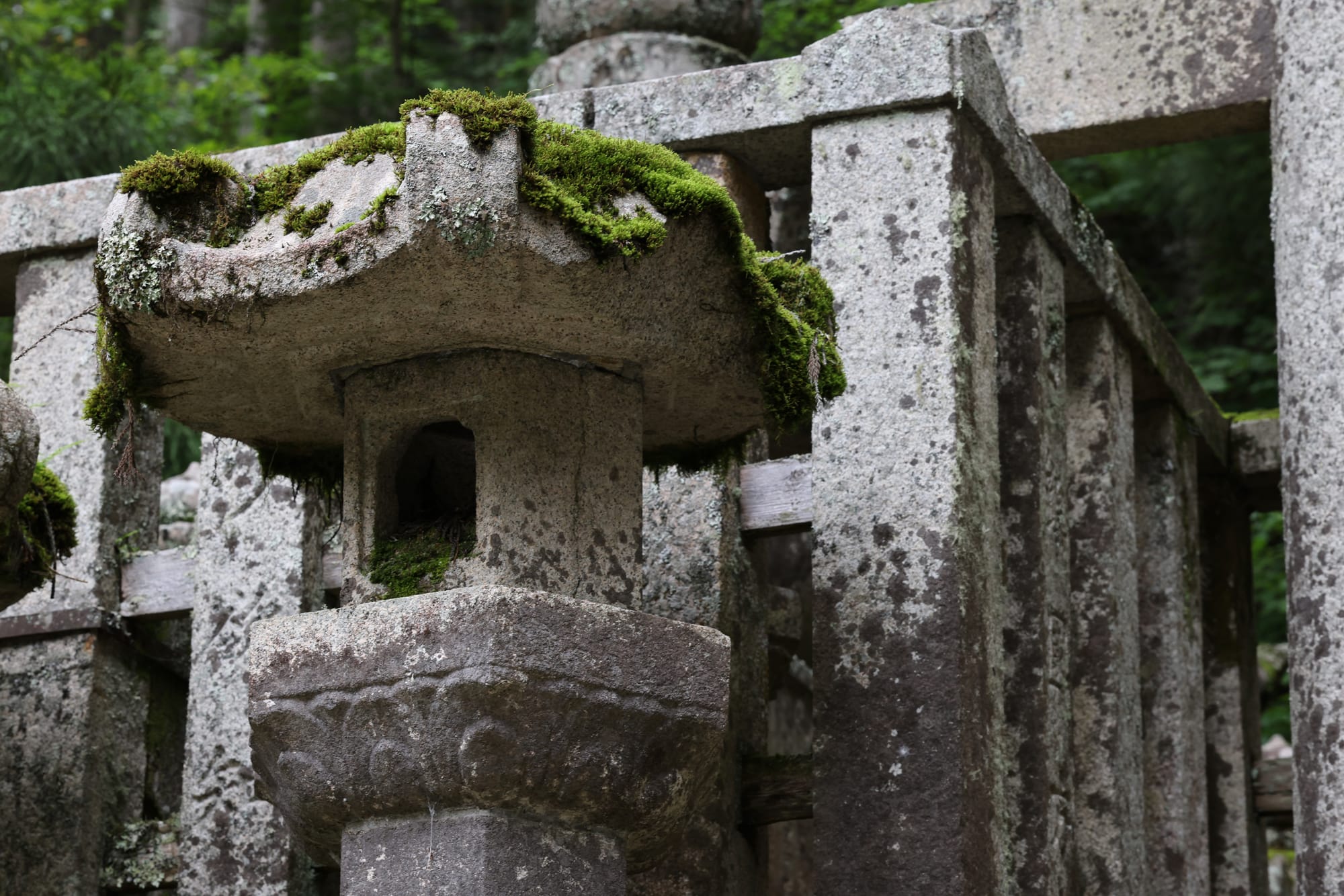
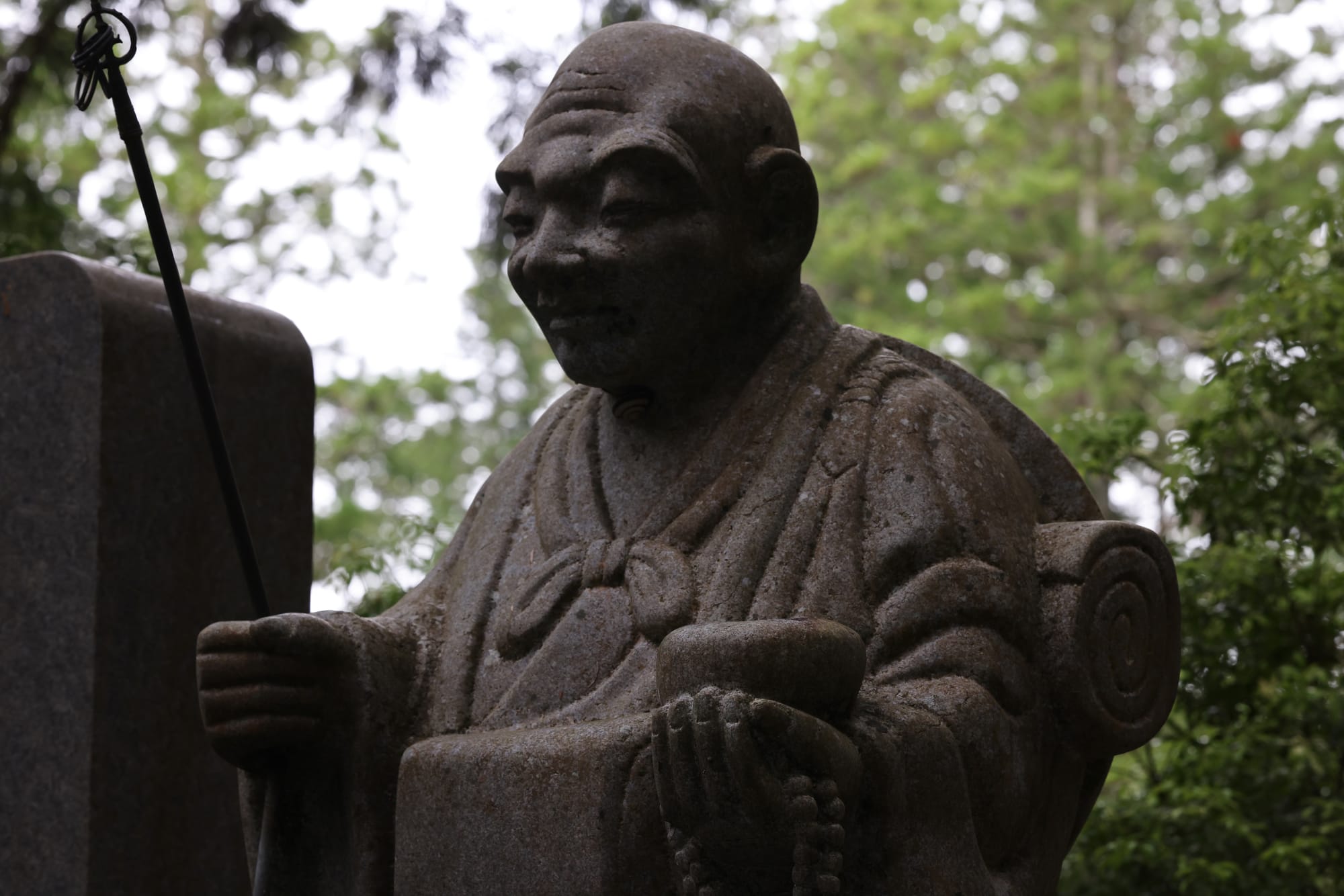
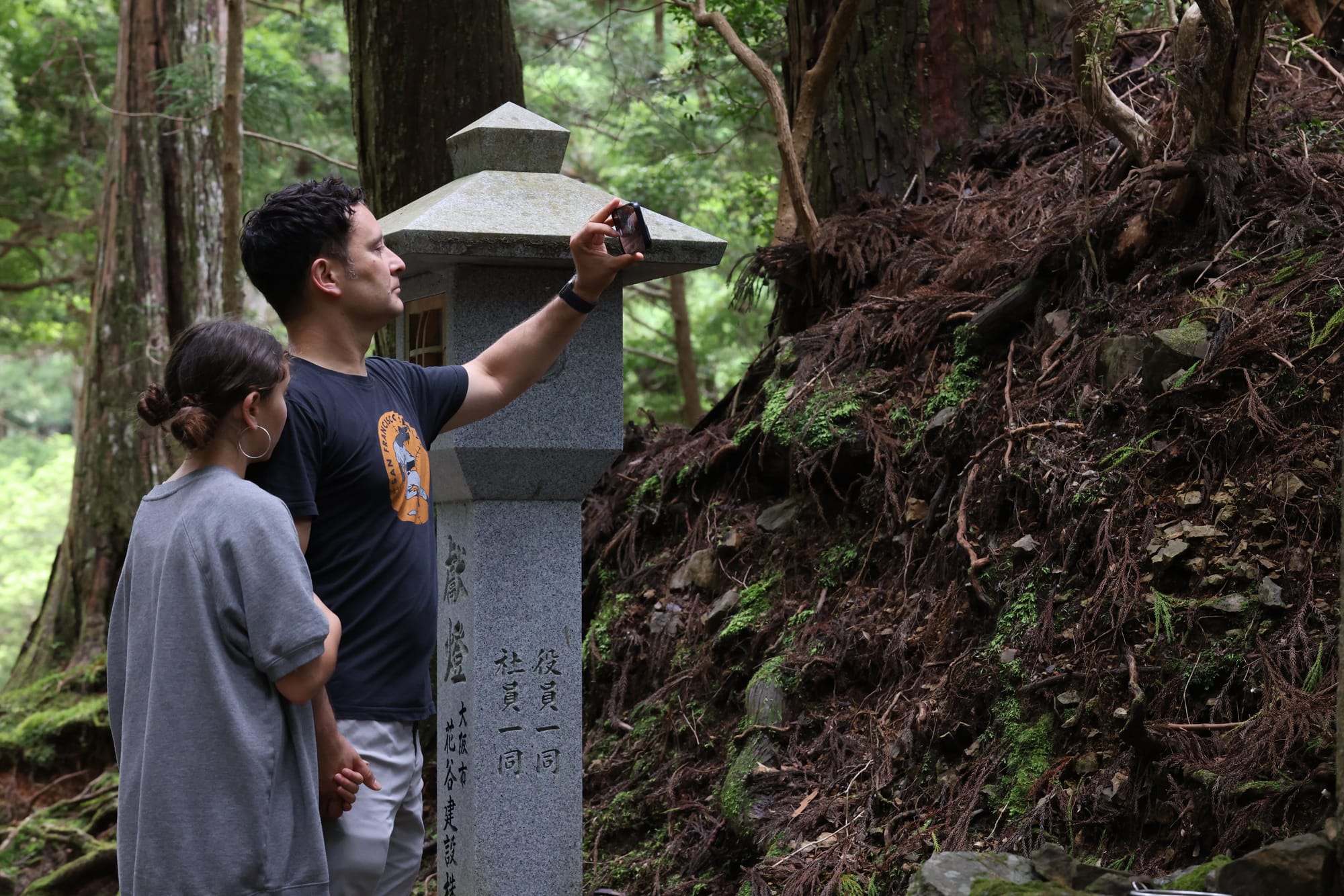
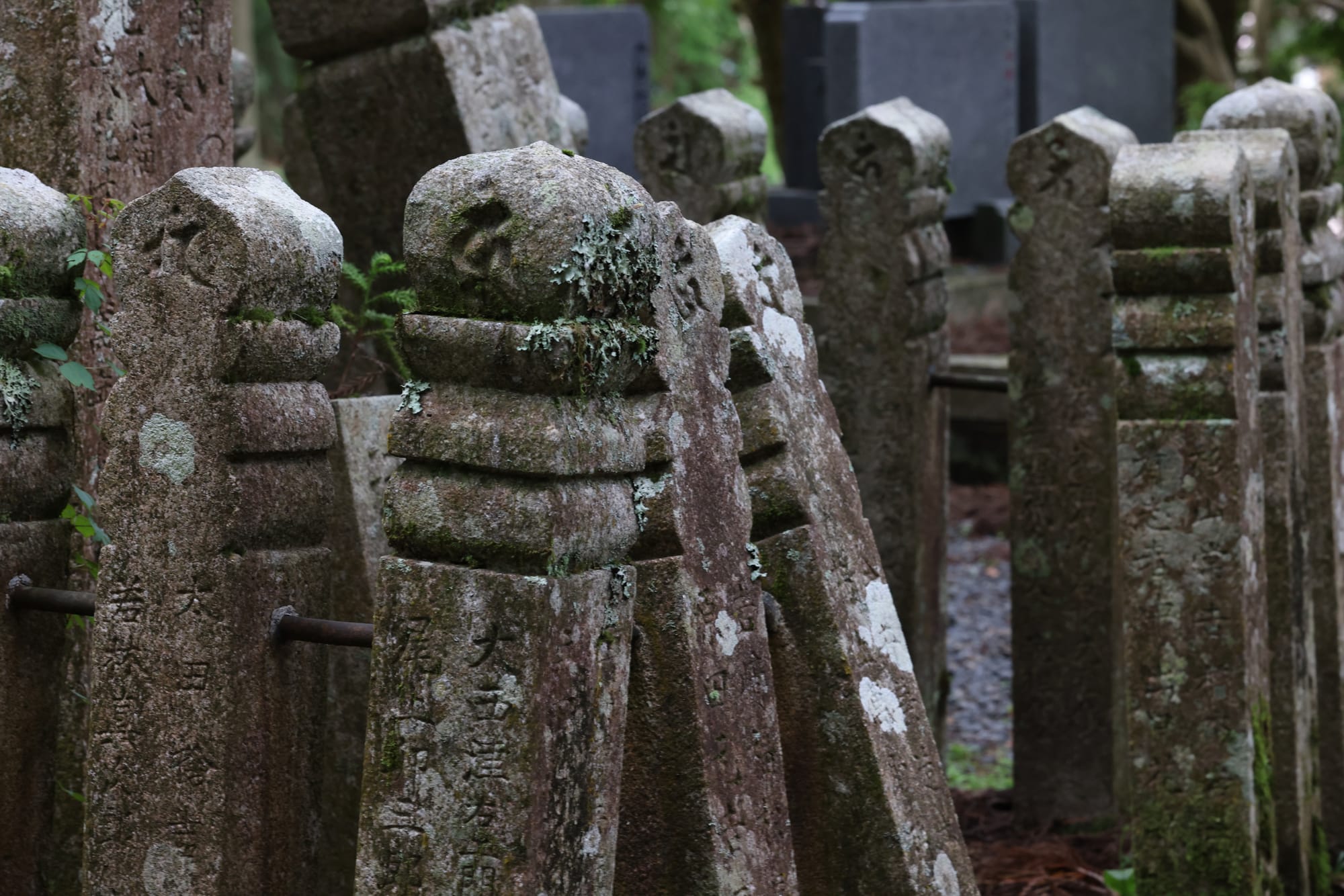
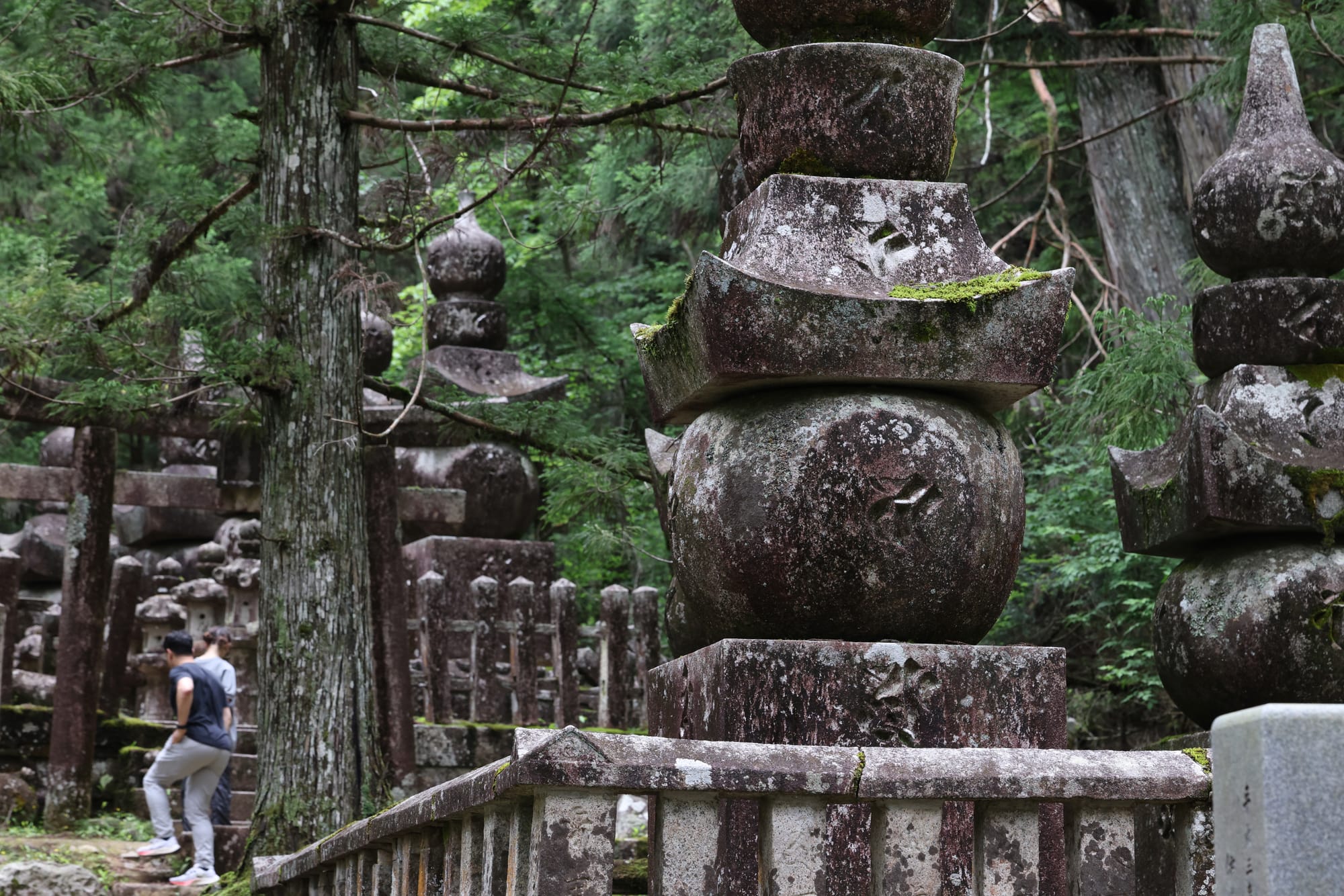
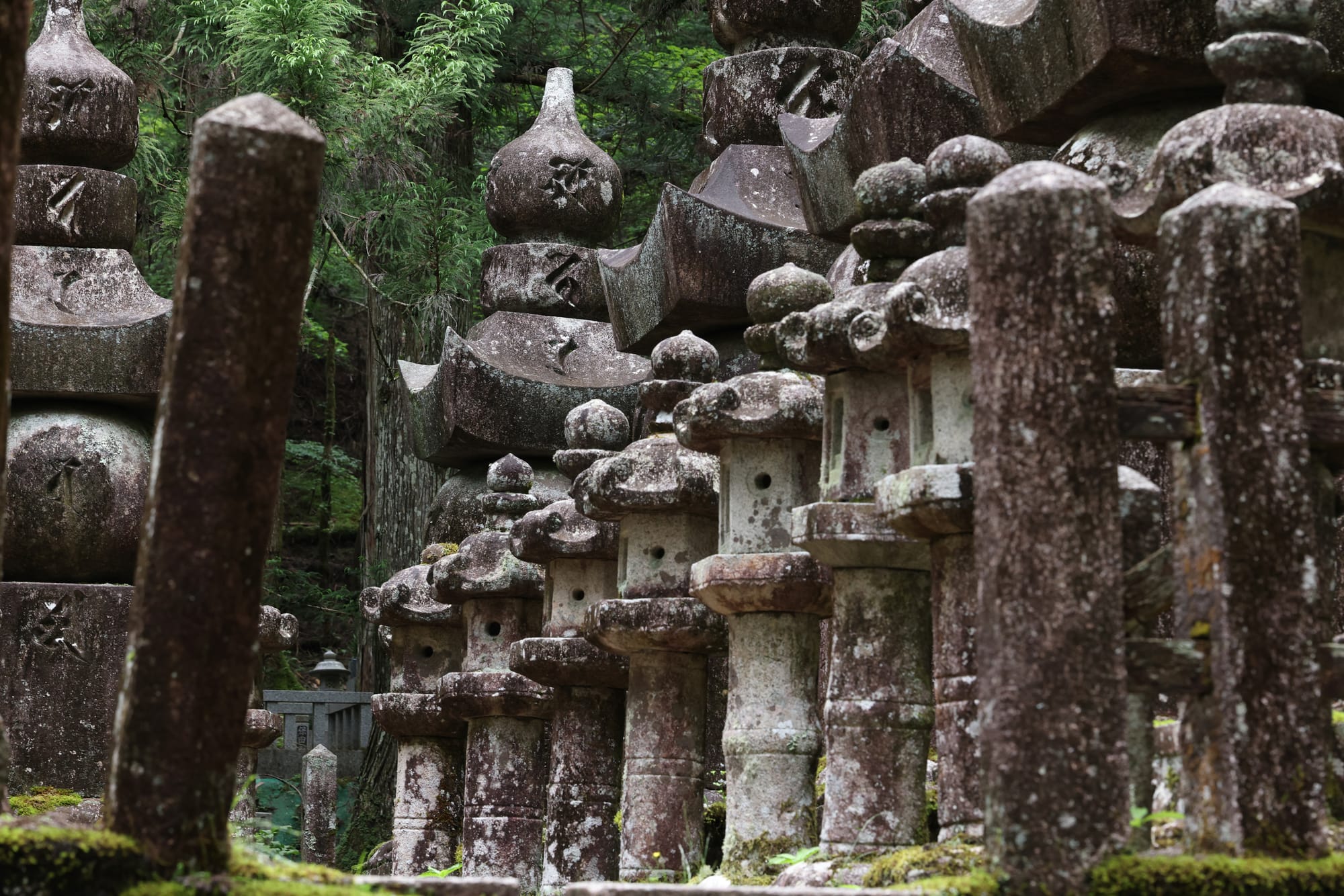
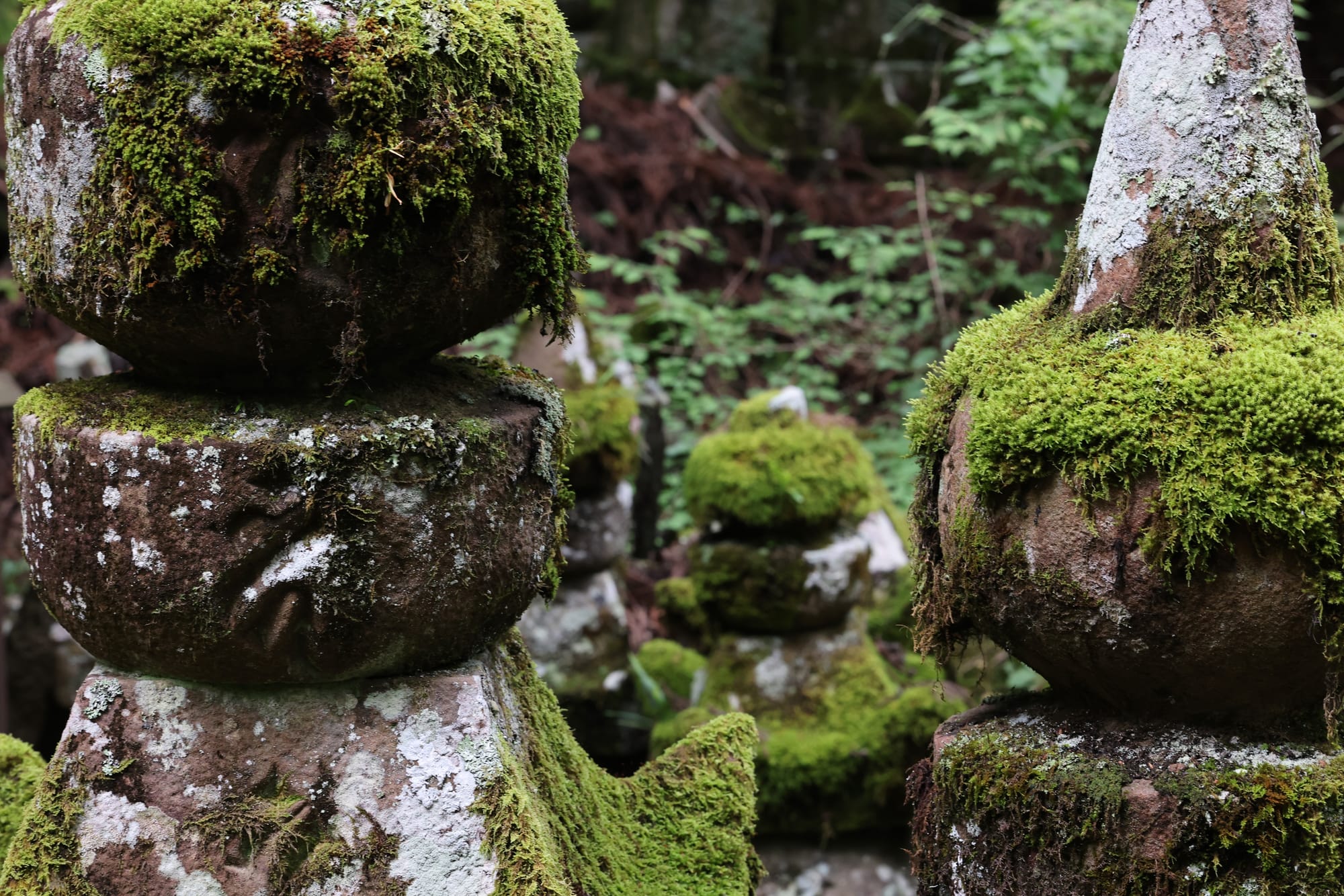
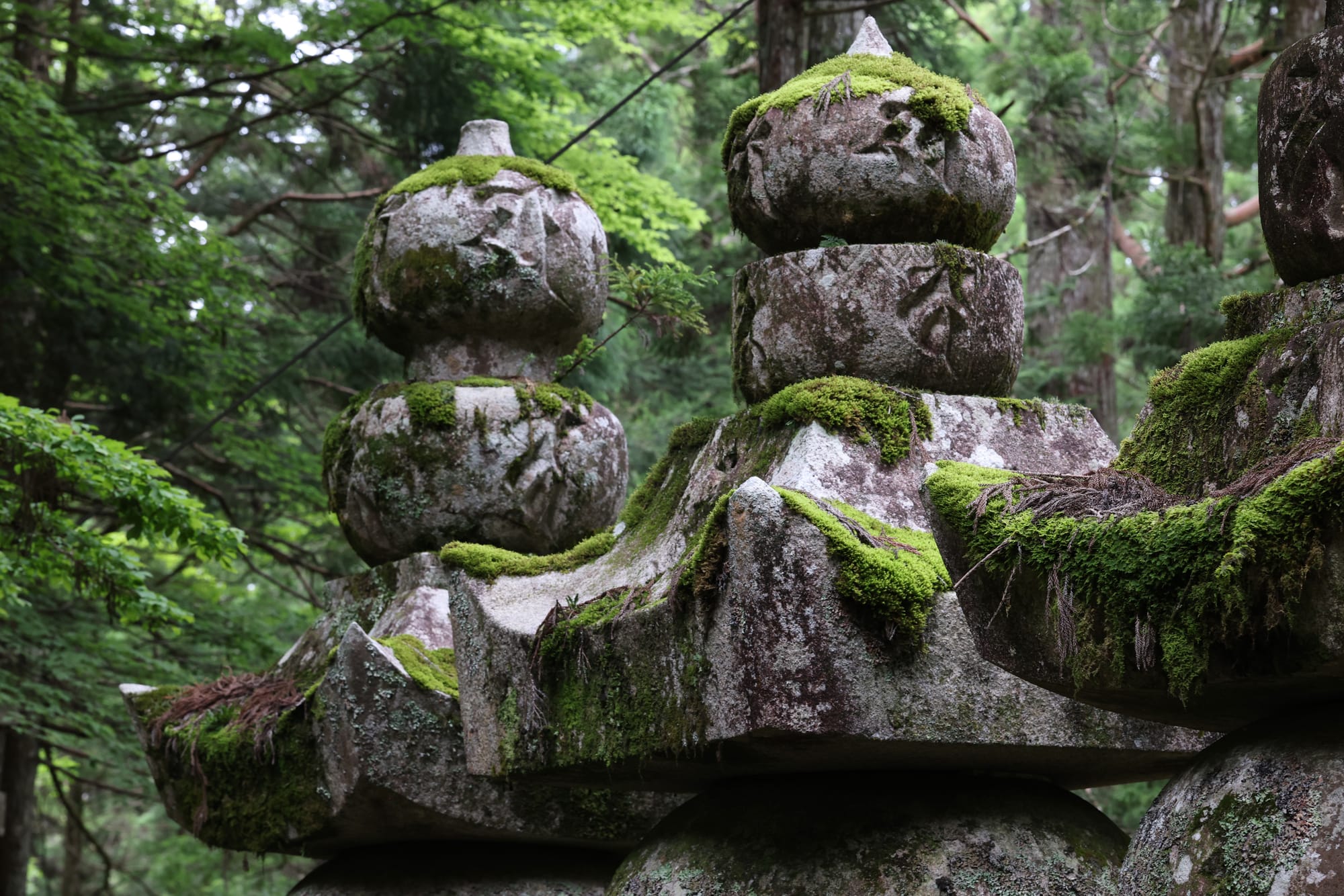
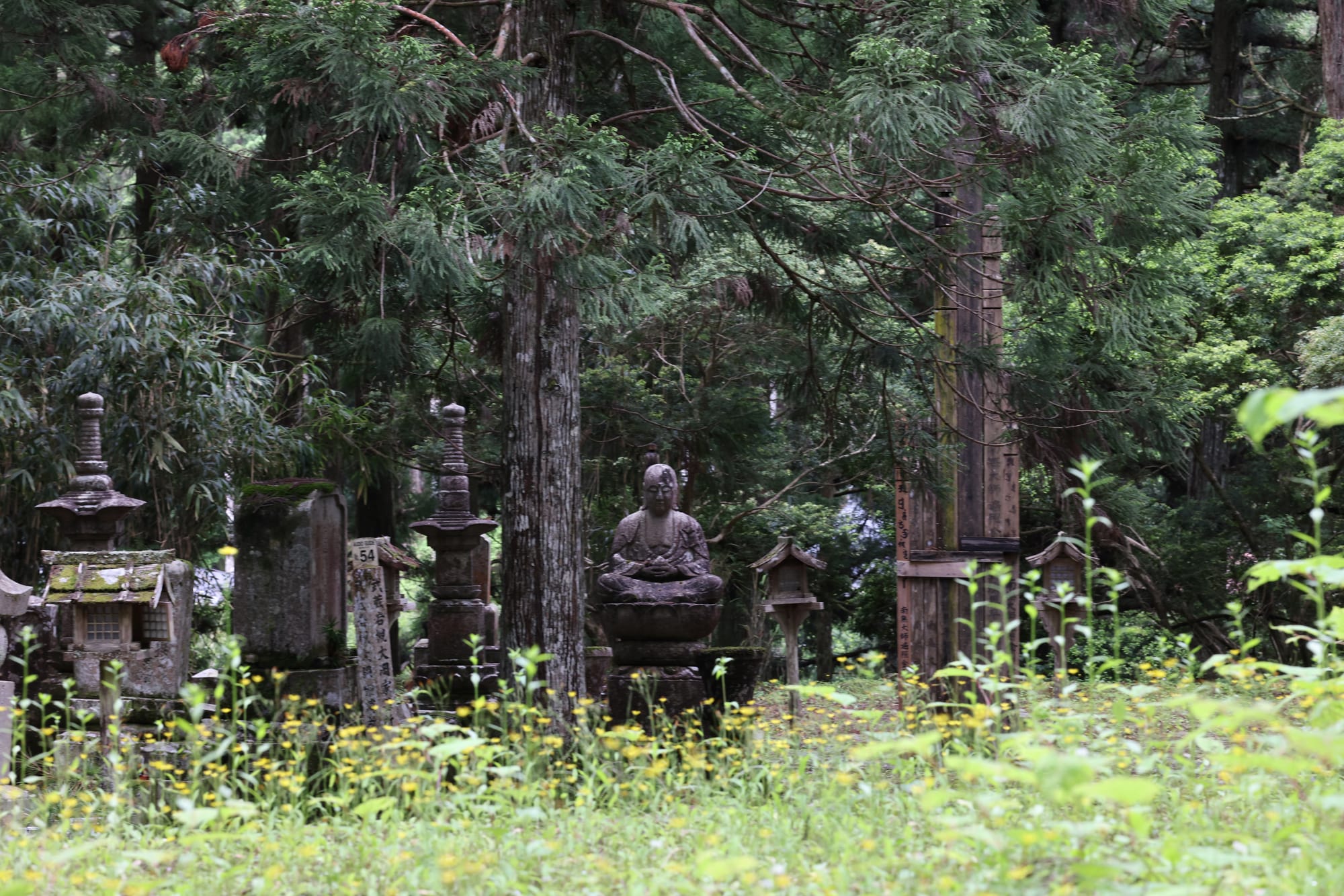
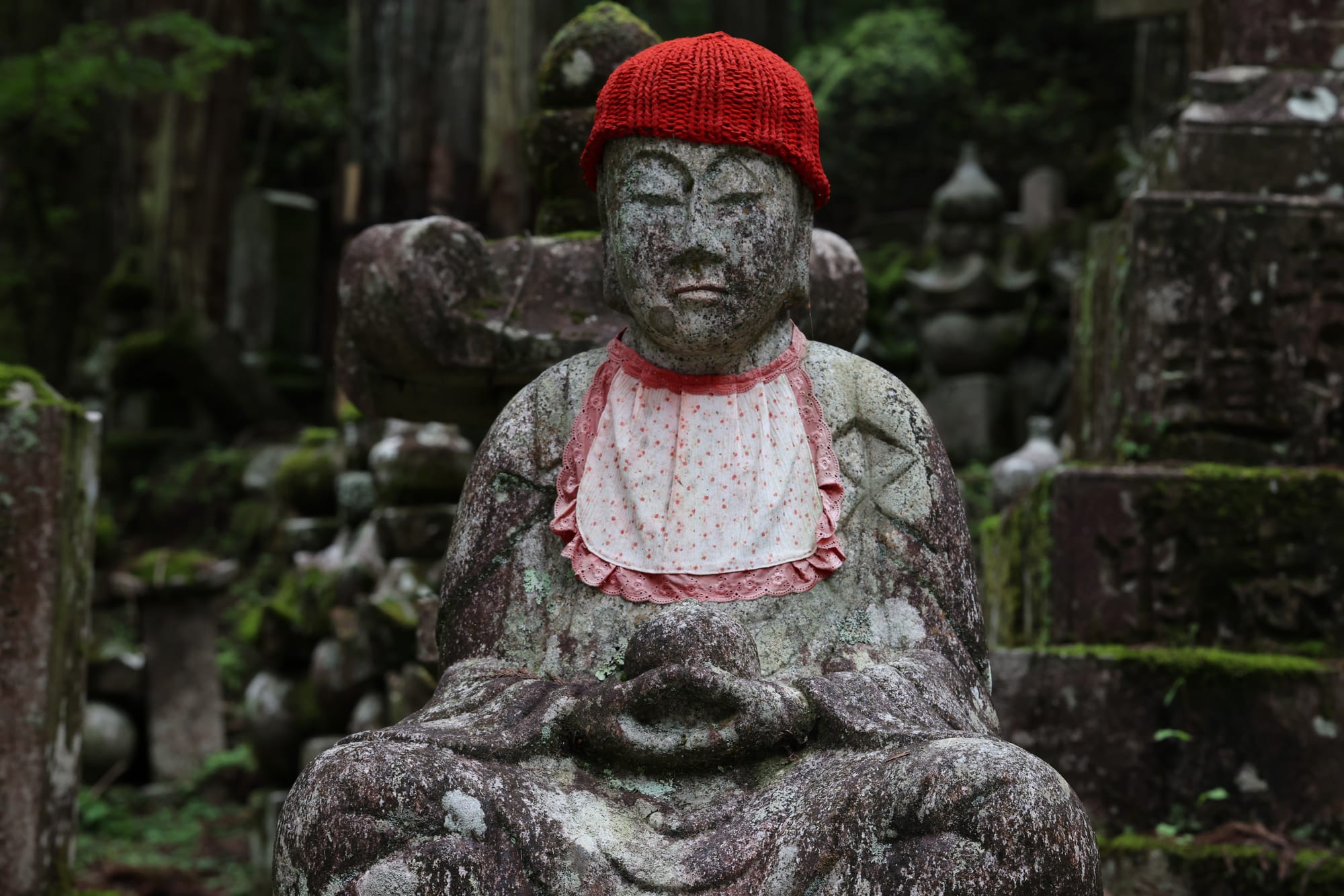
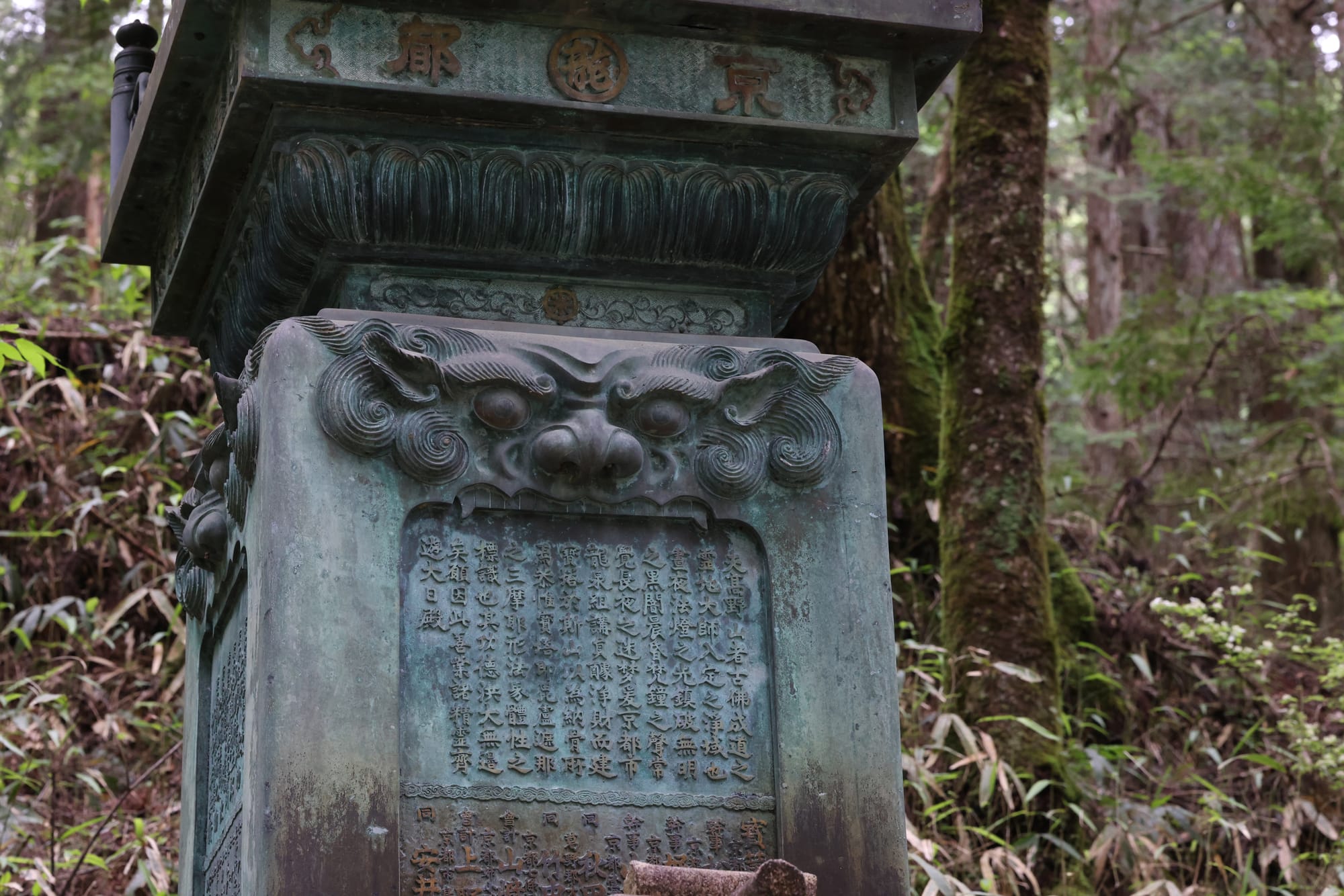
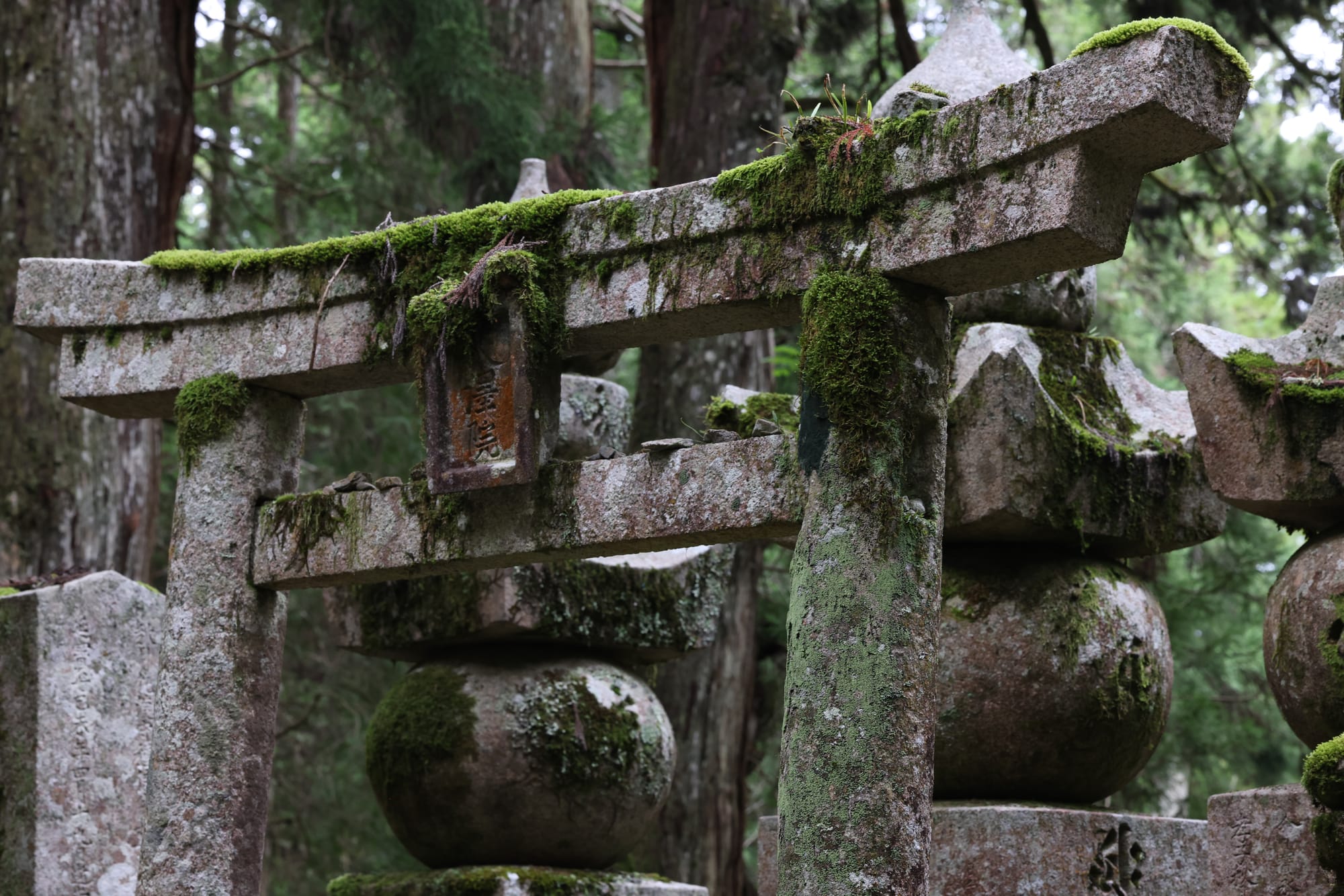
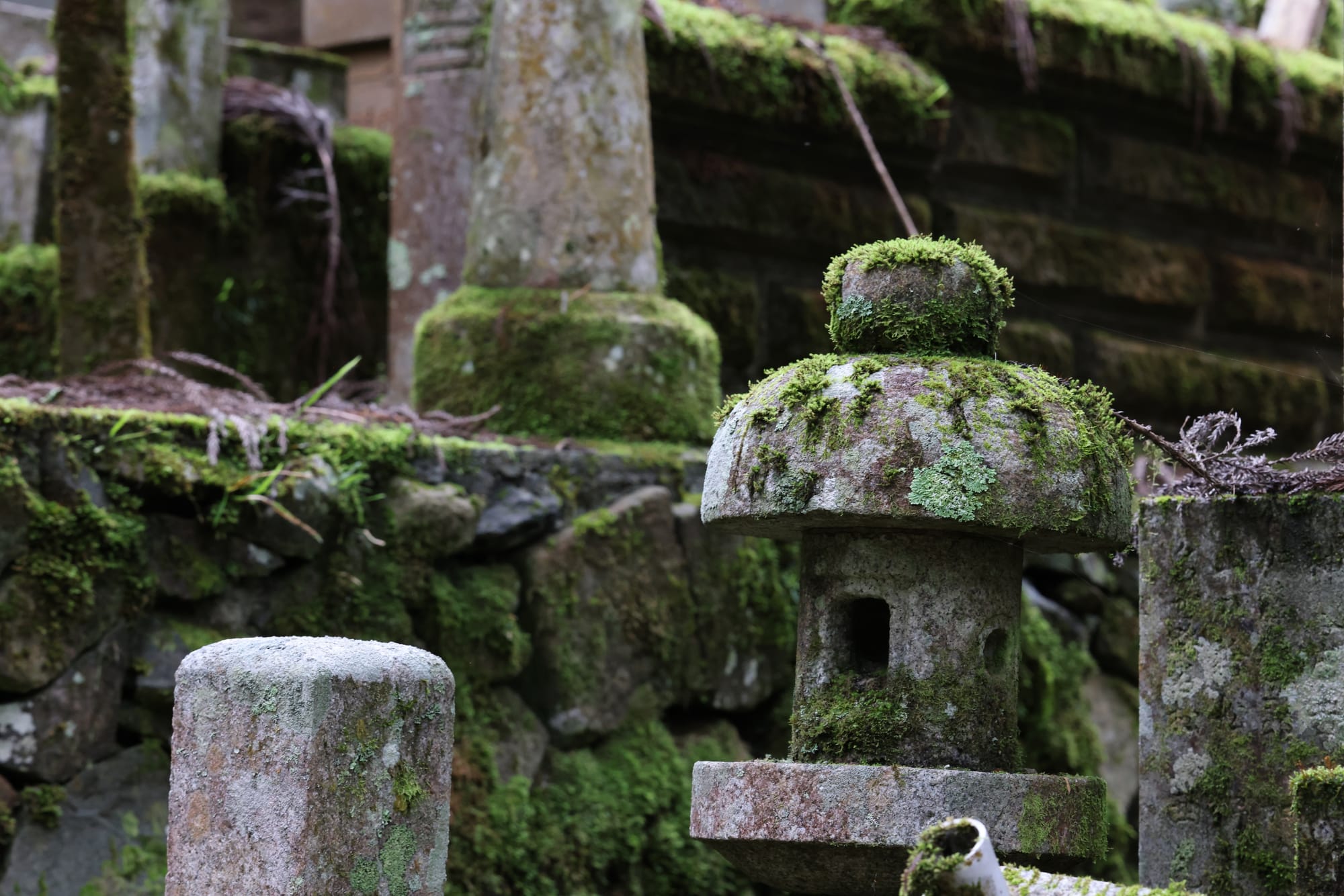
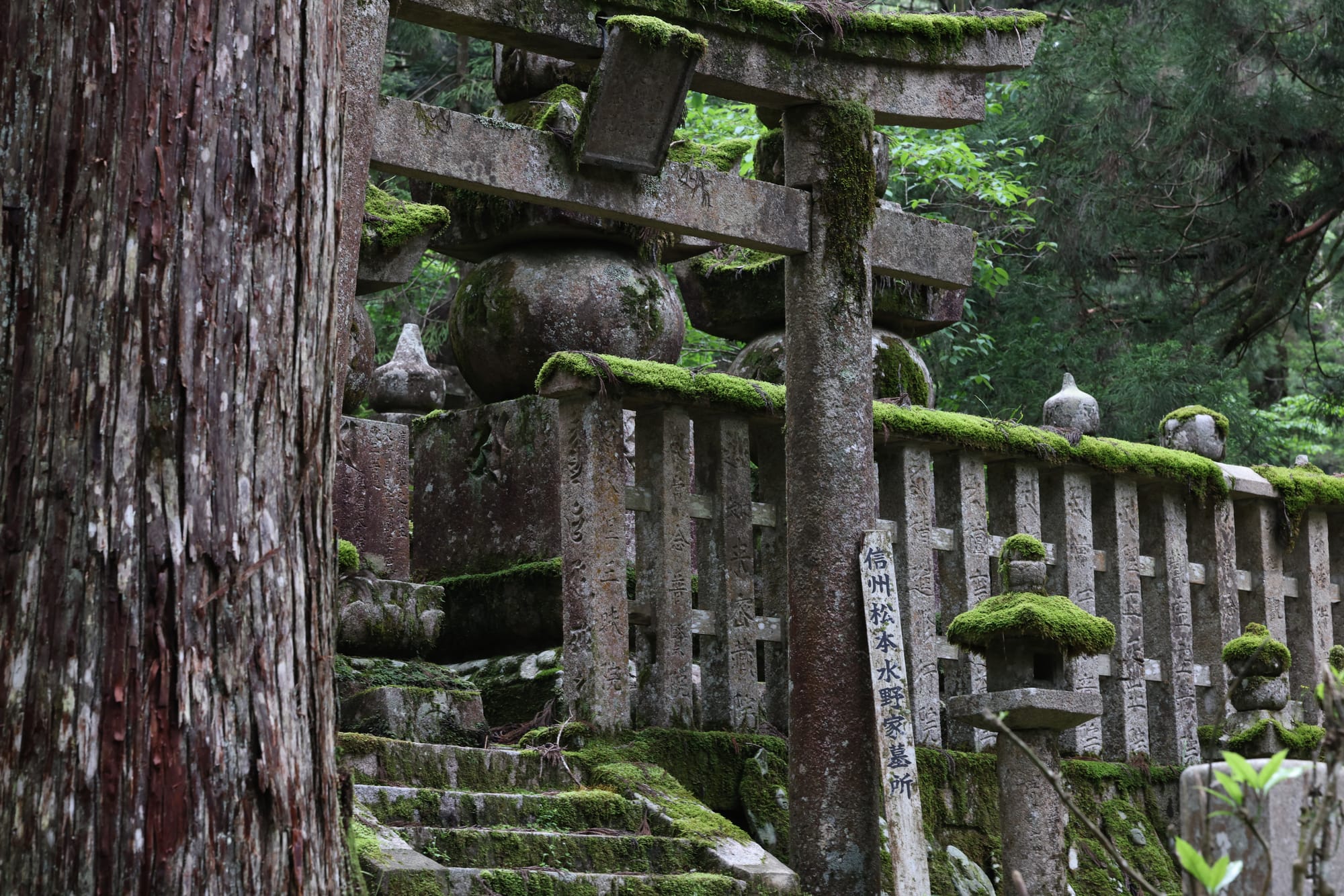
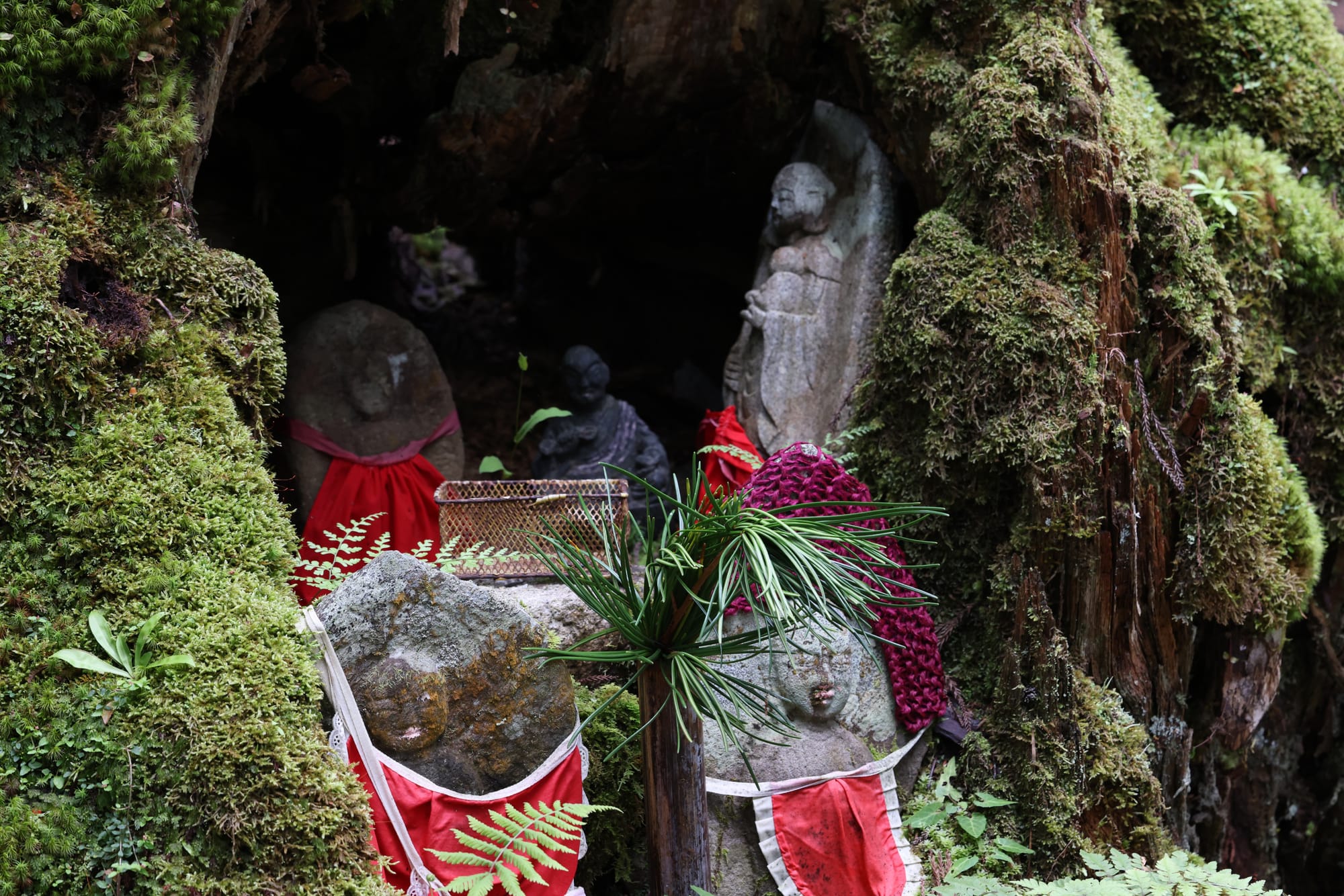
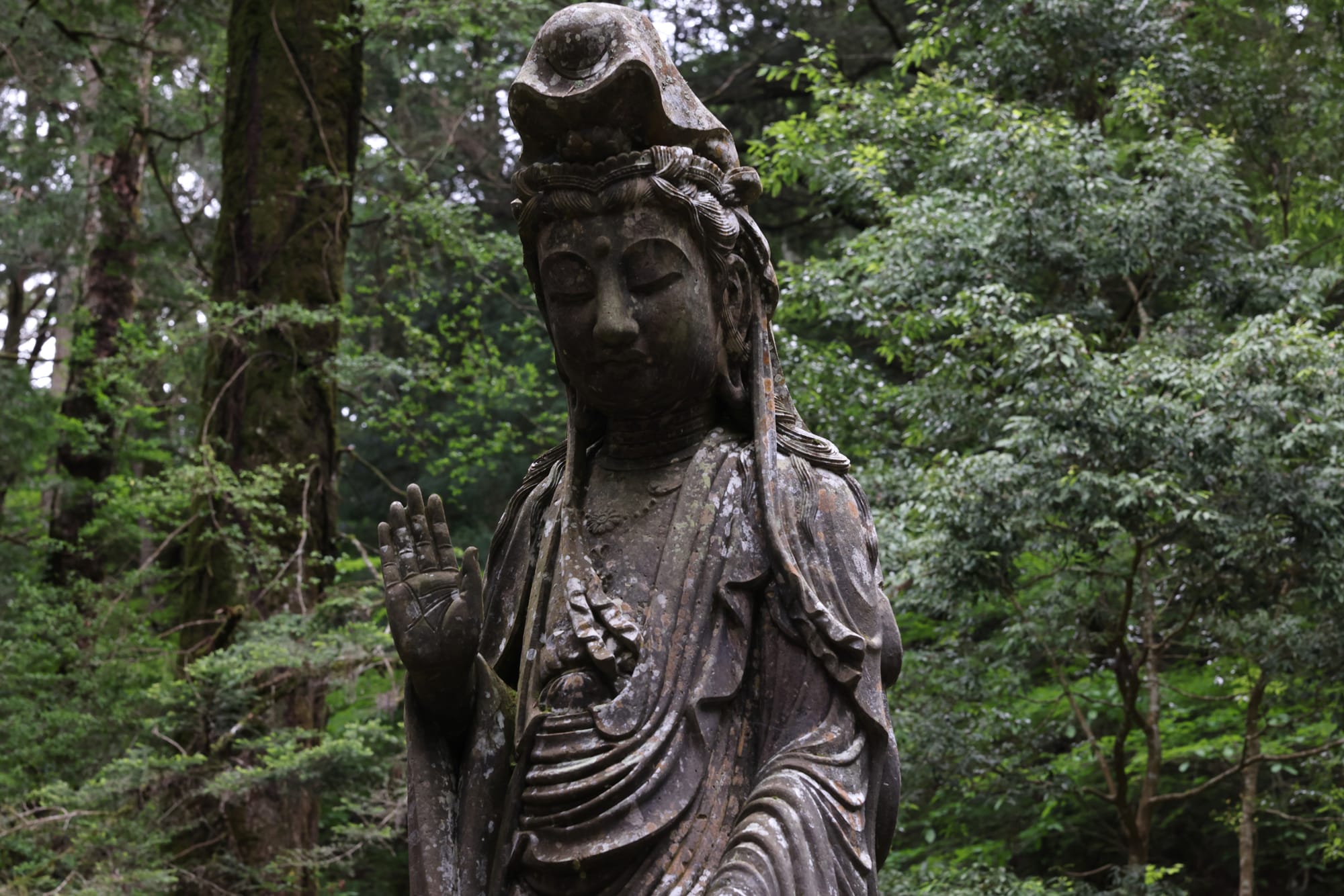
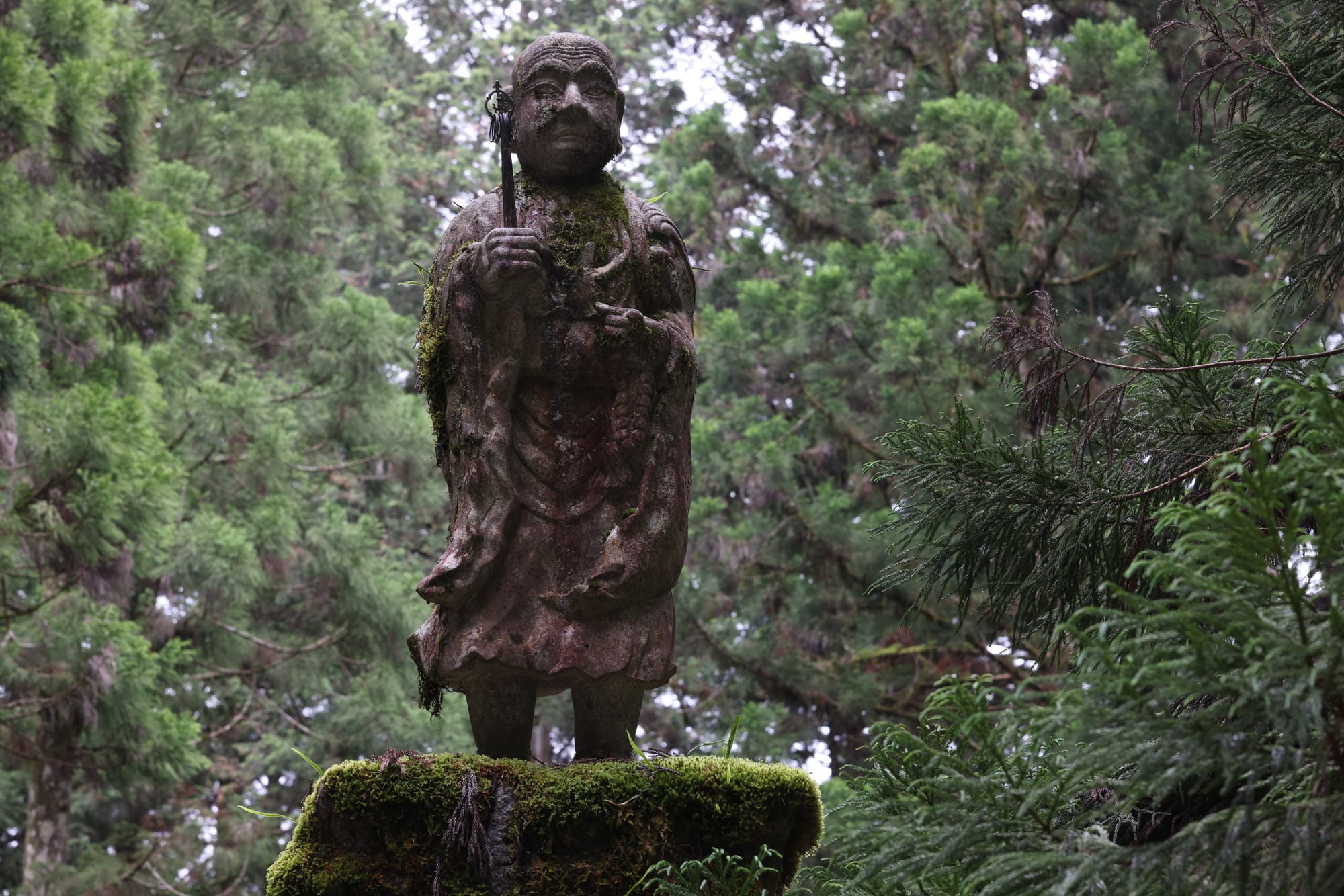
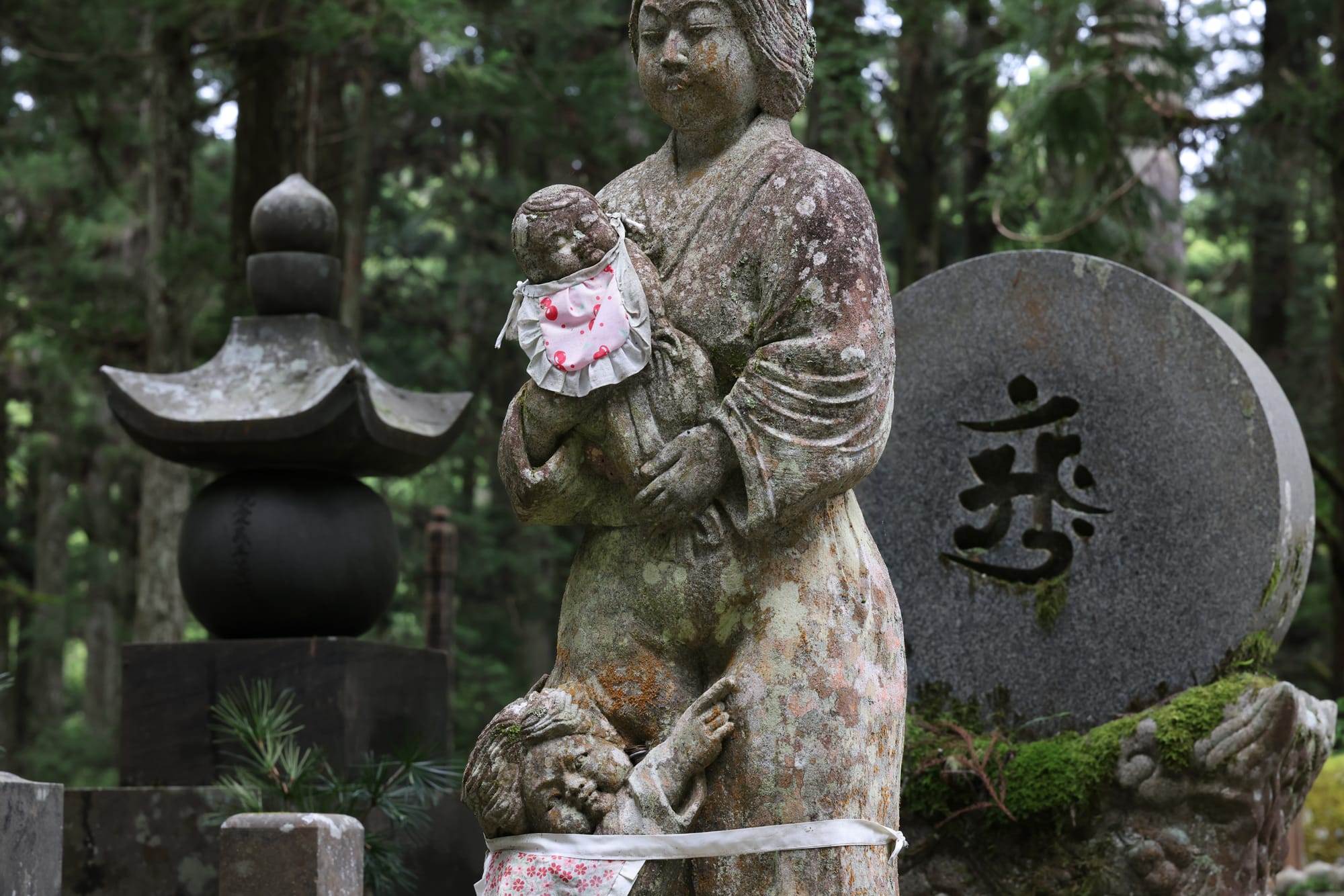
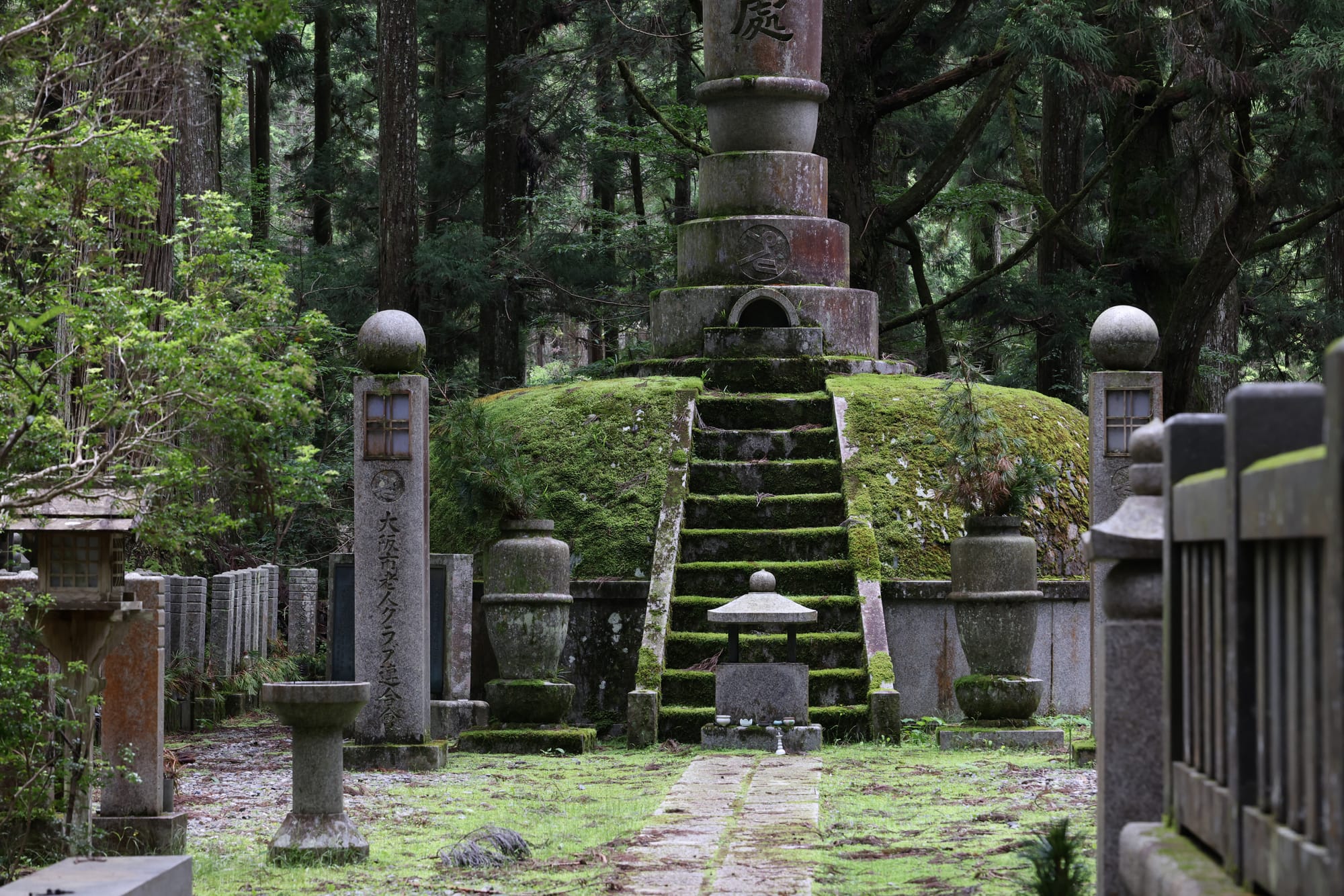
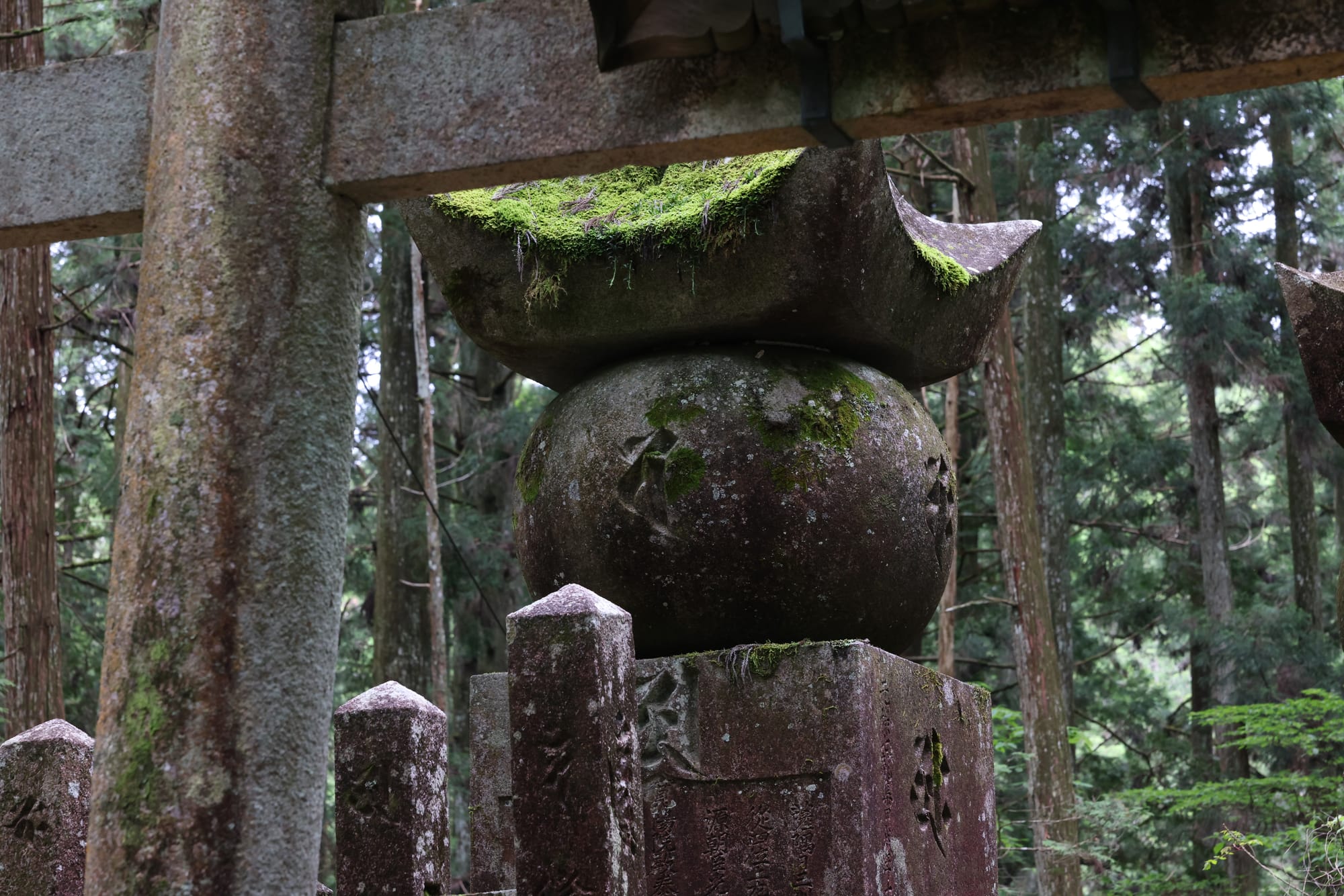
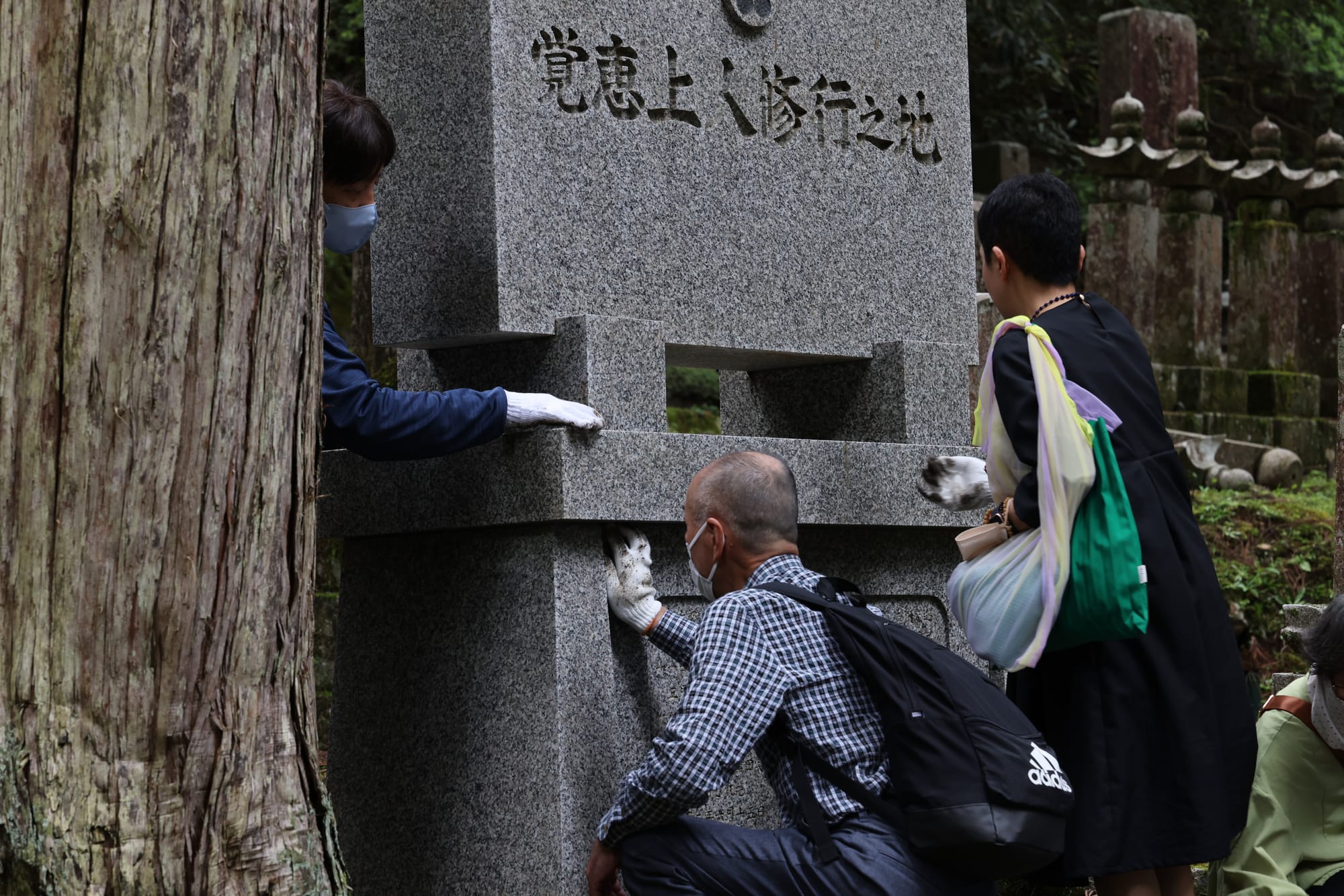
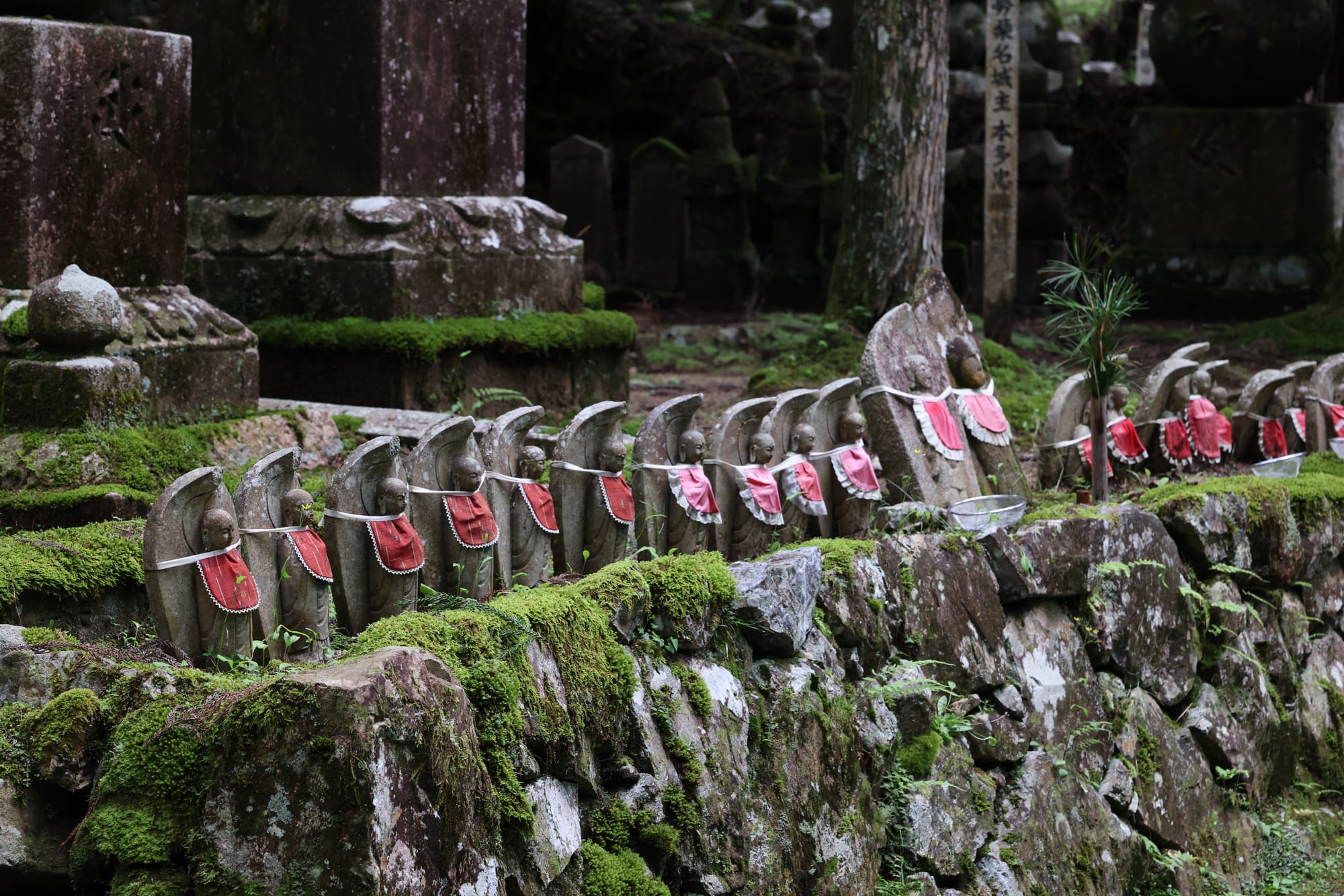
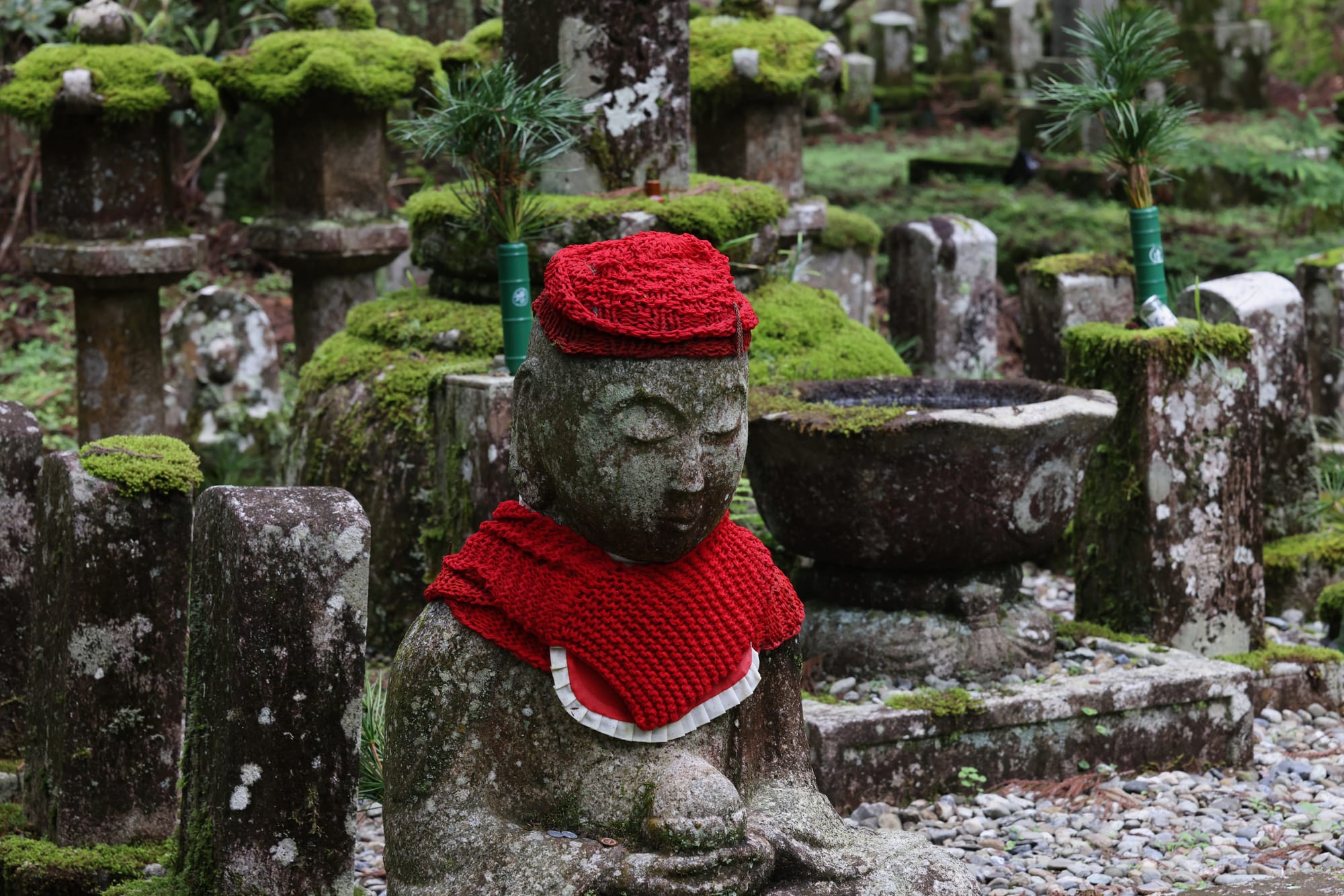
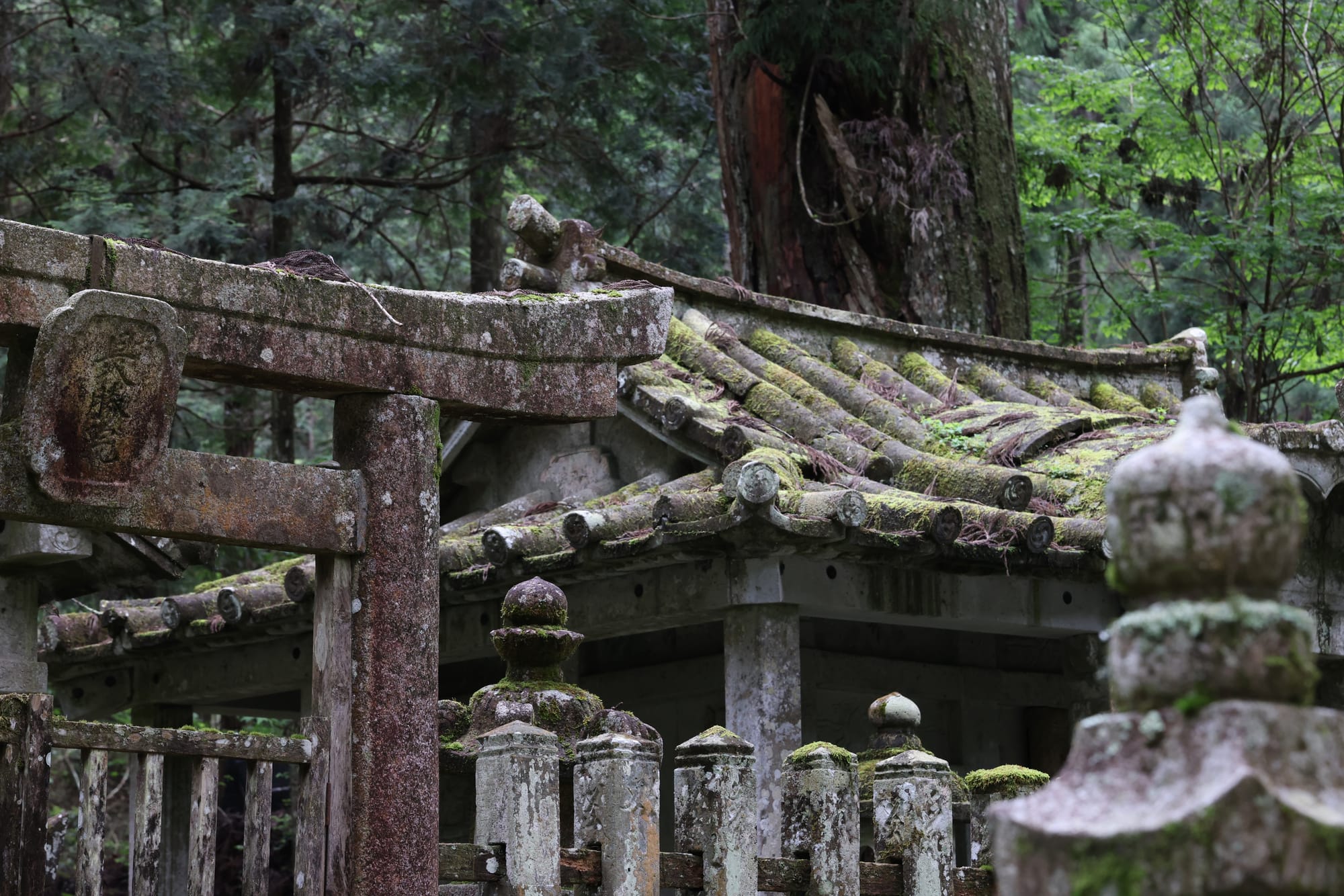
The main attraction of Koyasan, at least for us, was the Okunoin Cemetery. This cemetery is more than 1,000 years old, the longest in the country, and nestled into an ancient cypress forest. The monuments are massive and extremely varied, and the combination of artistry, history, and integration with a regal feeling natural environment, was like nothing I've ever experienced. I want to go back, and if you have chance to pay a visit, please take advantage.
Okunoin (奥の院) is the site of the mausoleum of Kobo Daishi (also known as Kukai), the founder of Shingon Buddhism and one of the most revered persons in the religious history of Japan. Instead of having died, Kobo Daishi is believed to rest in eternal meditation as he awaits Miroku Nyorai (Maihreya), the Buddha of the Future, and provides relief to those who ask for salvation in the meantime. Okunoin is one of the most sacred places in Japan and a popular pilgrimage spot.
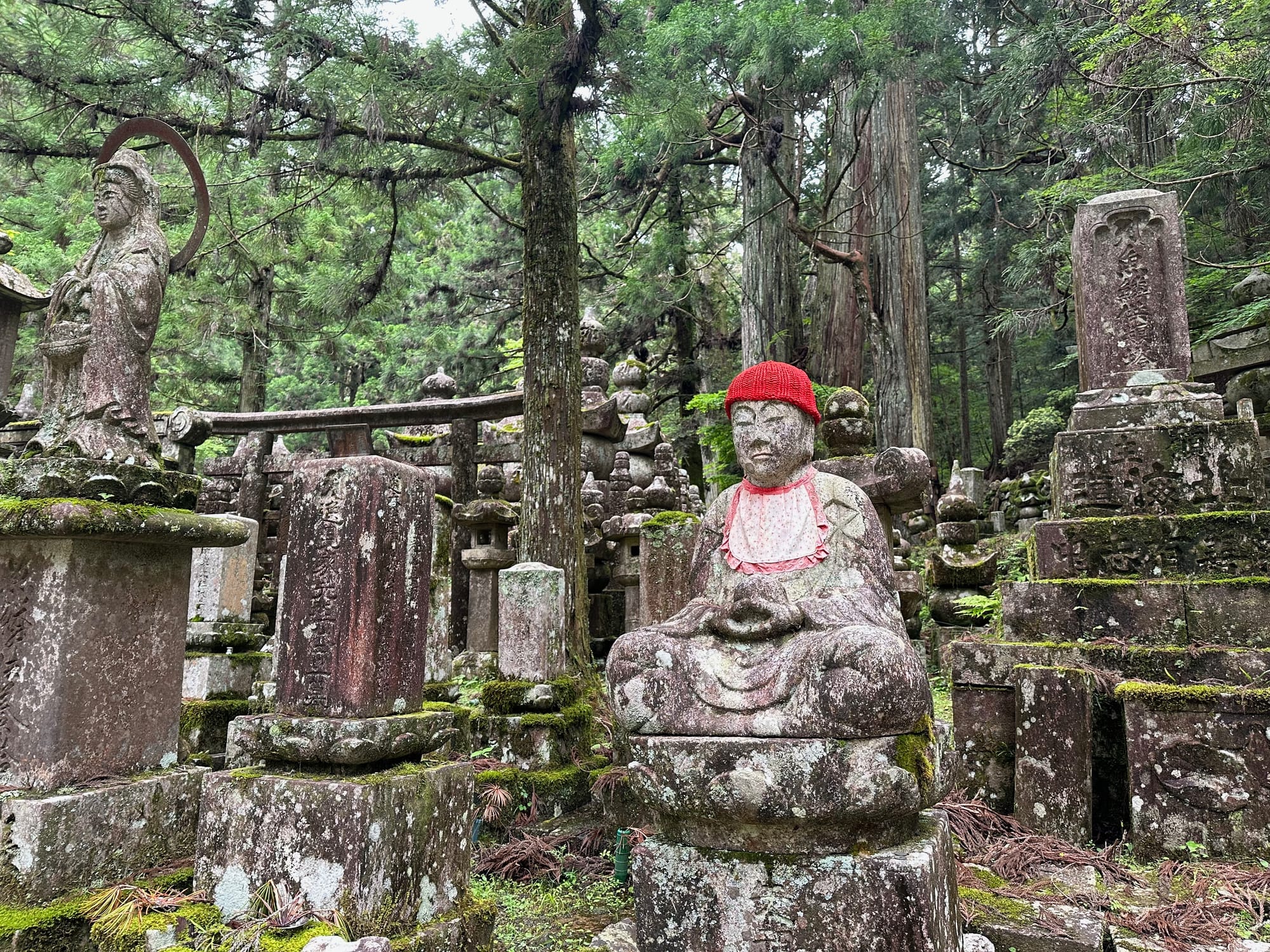
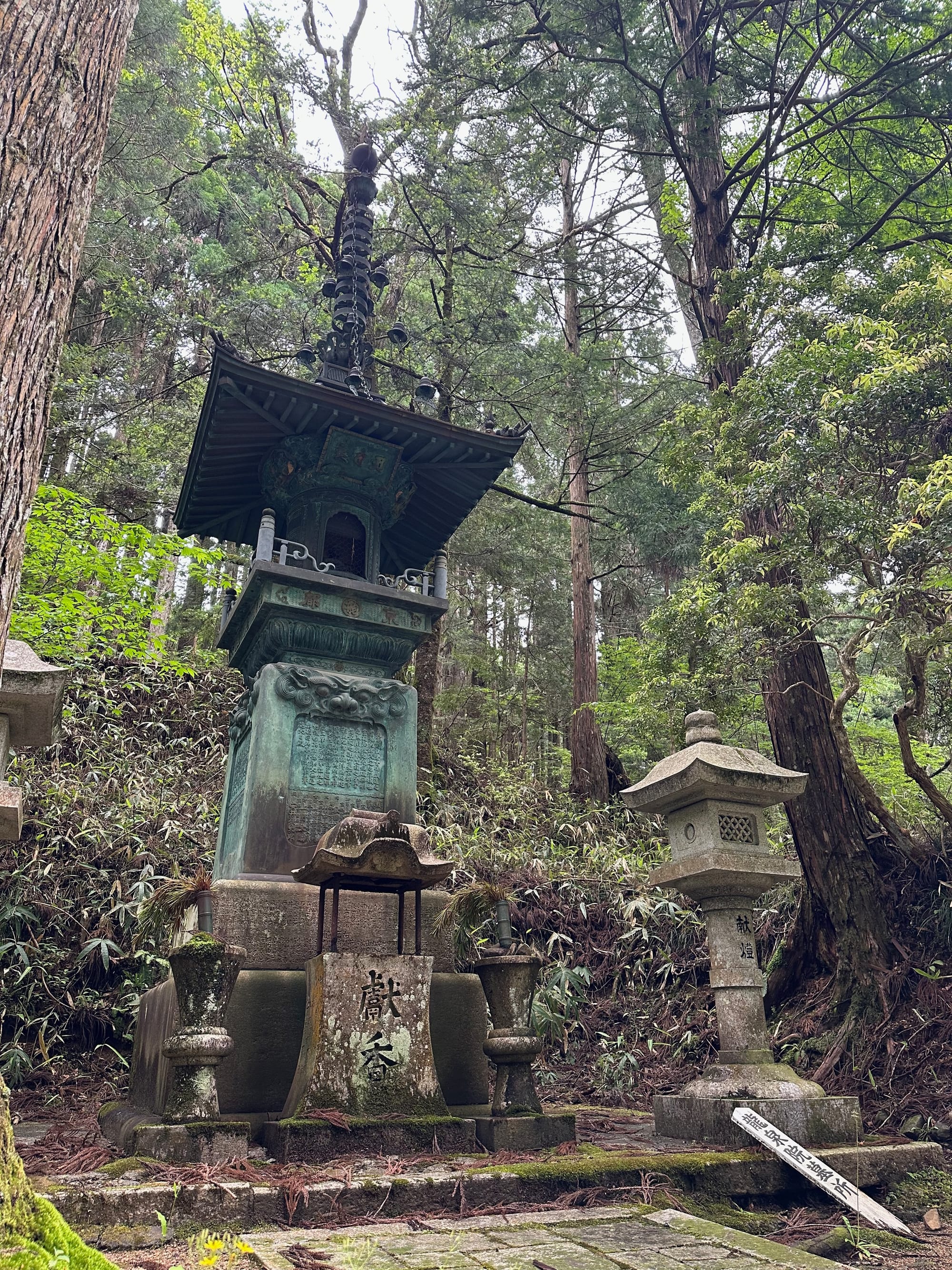
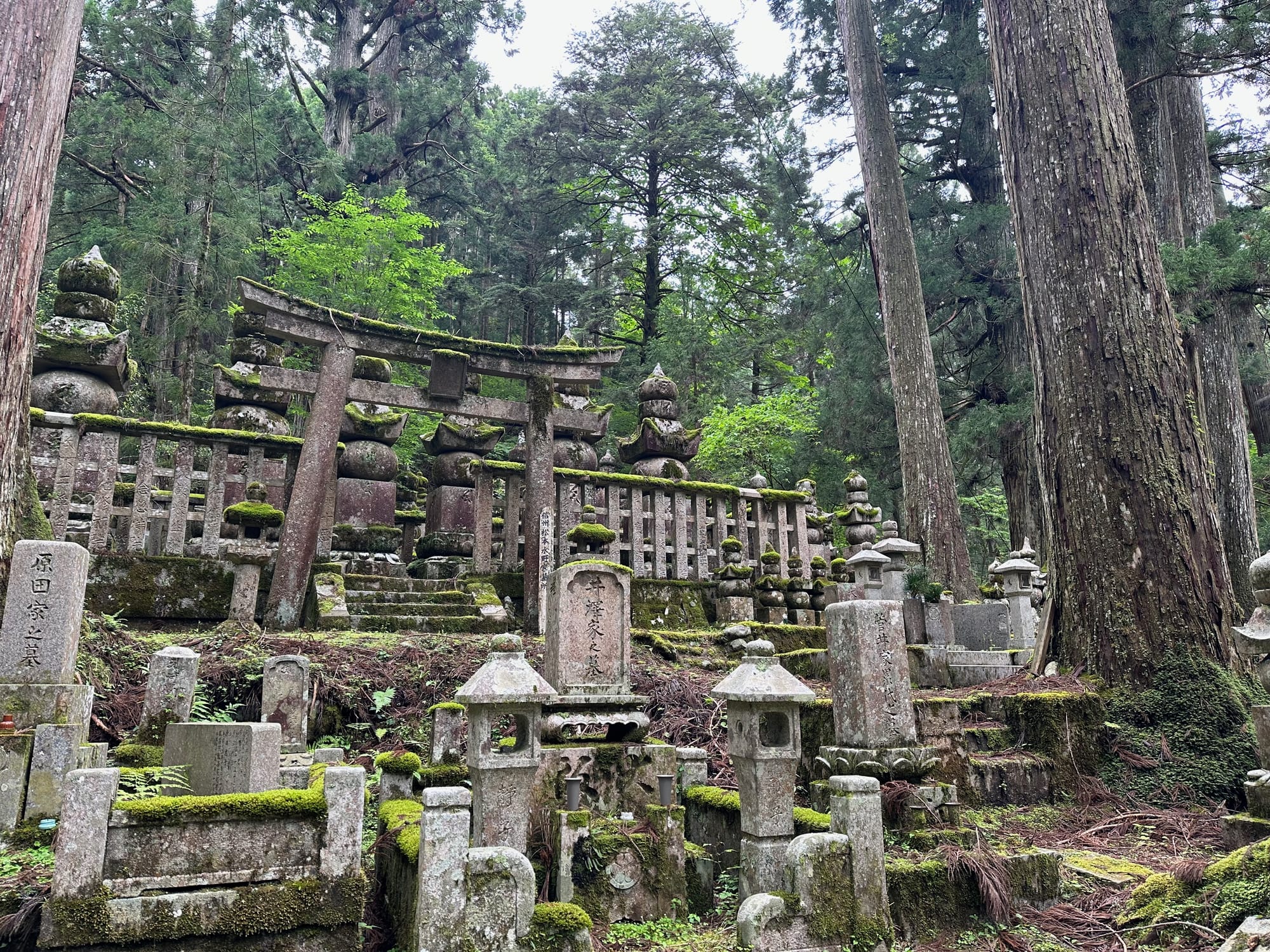
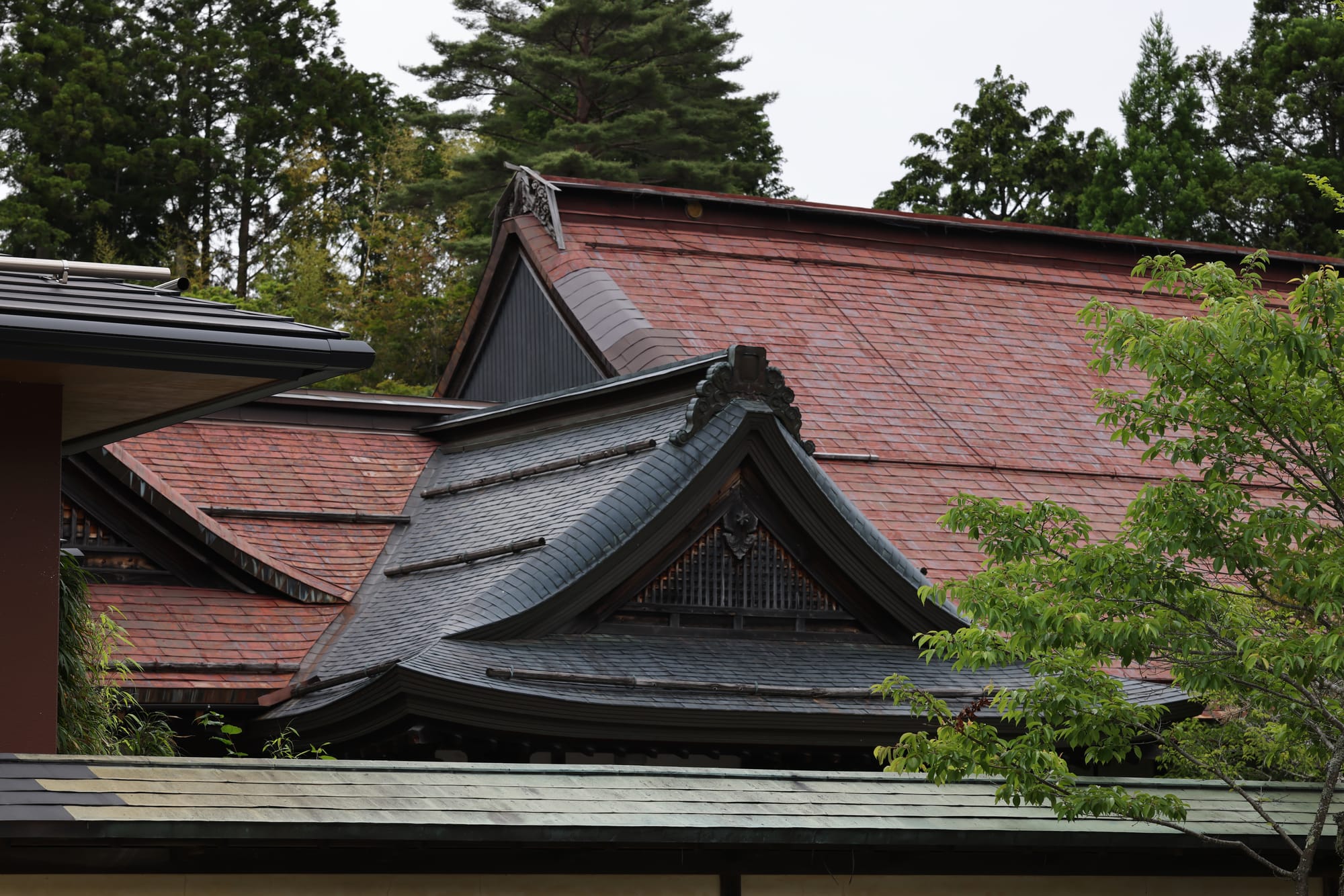
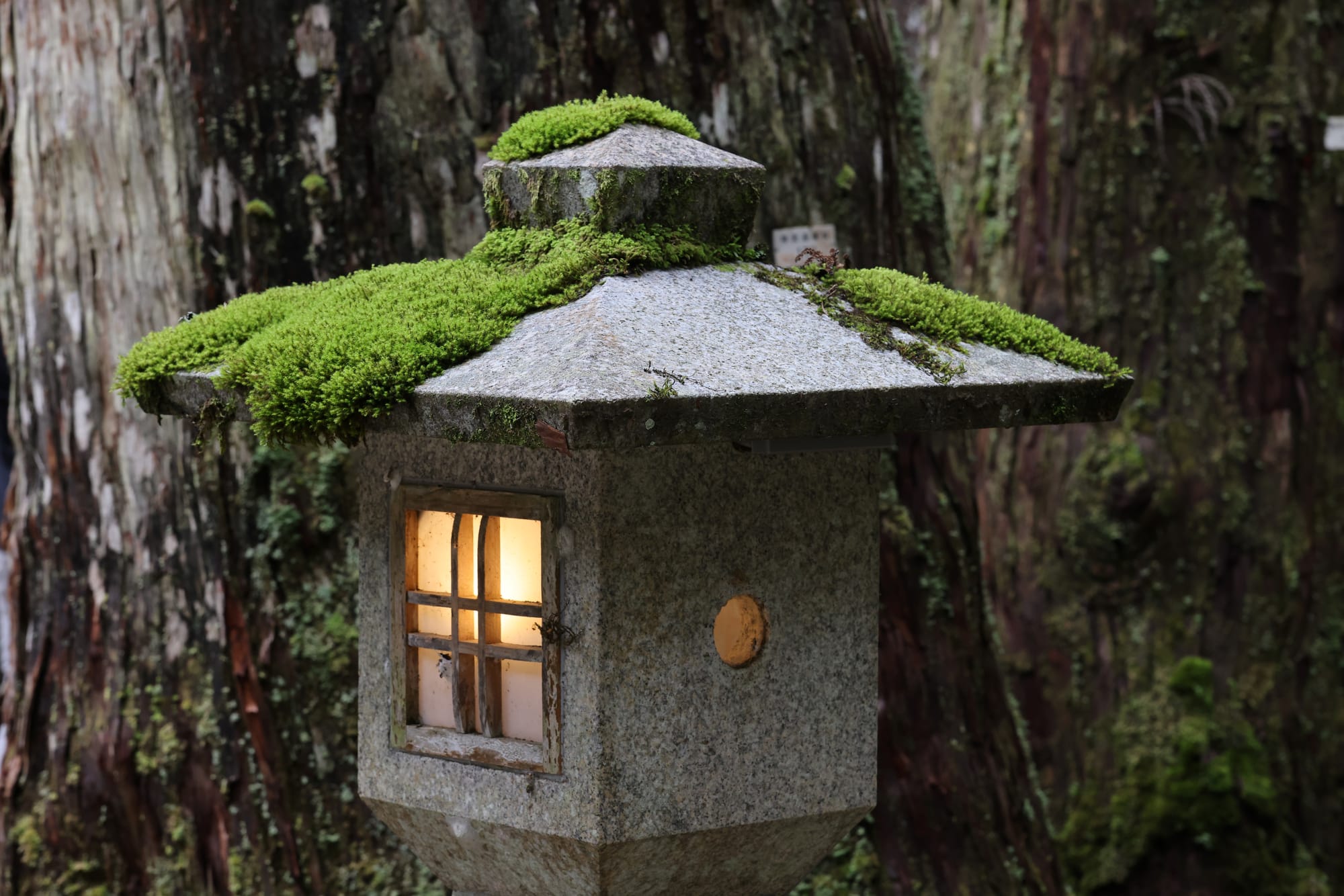
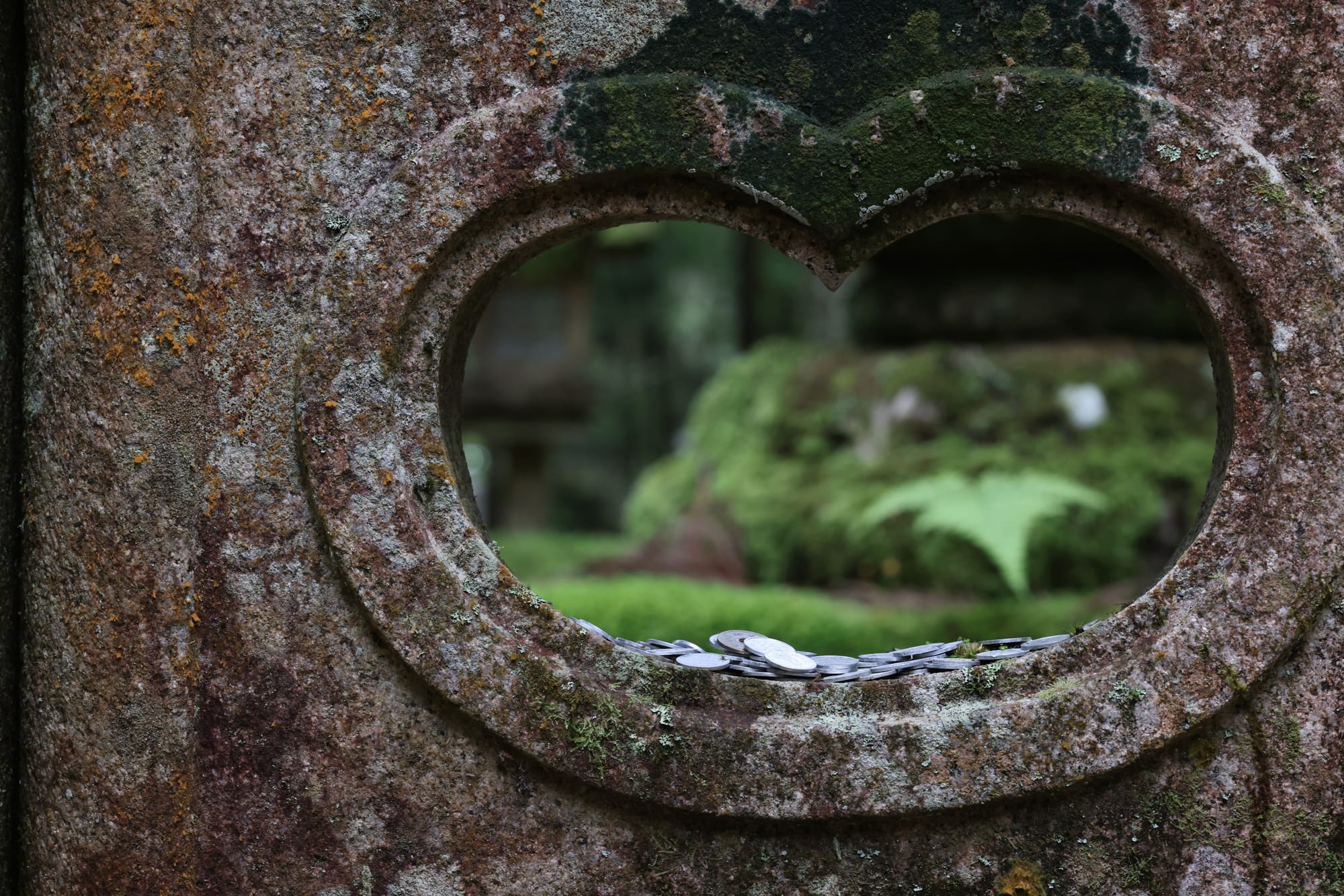
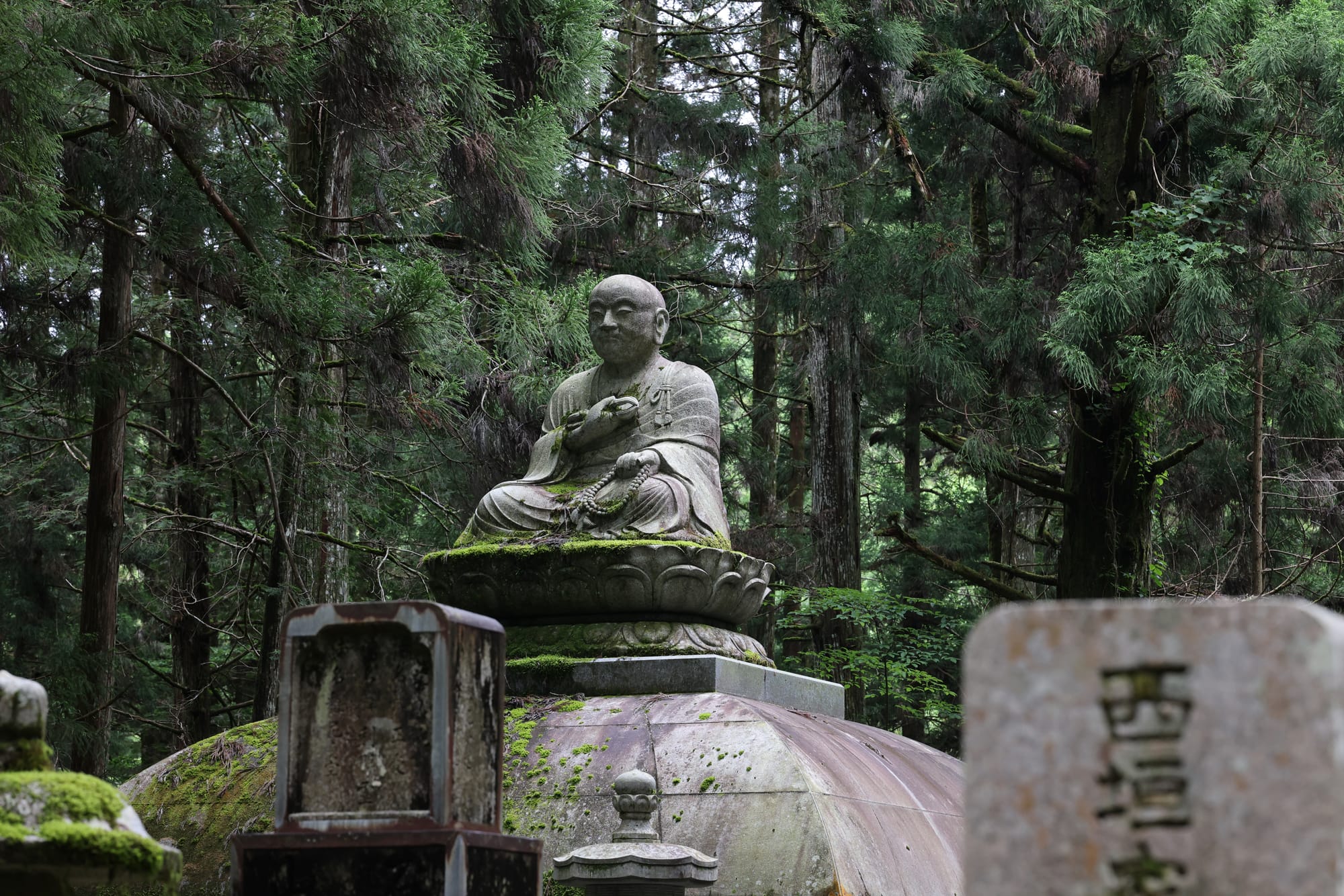
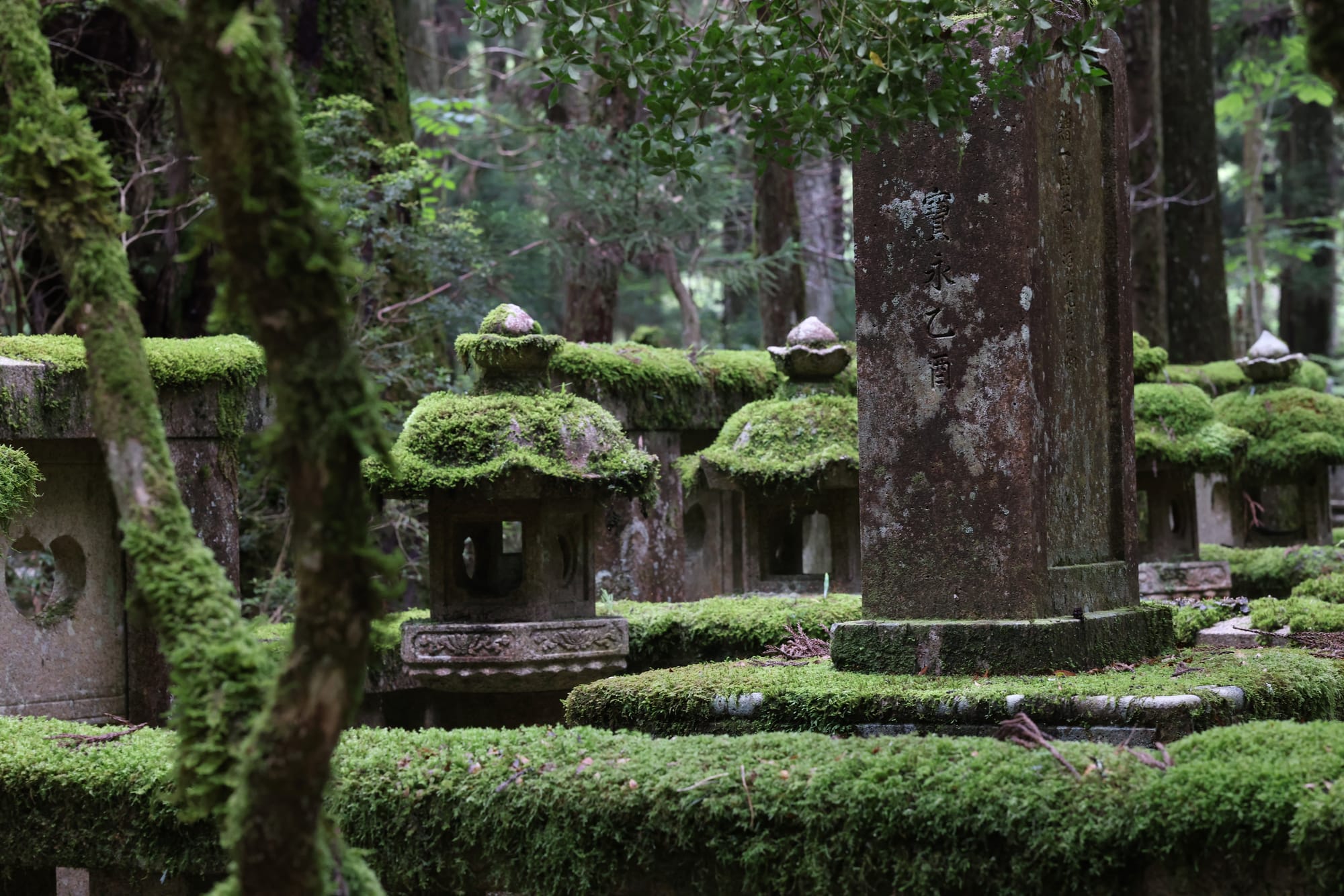
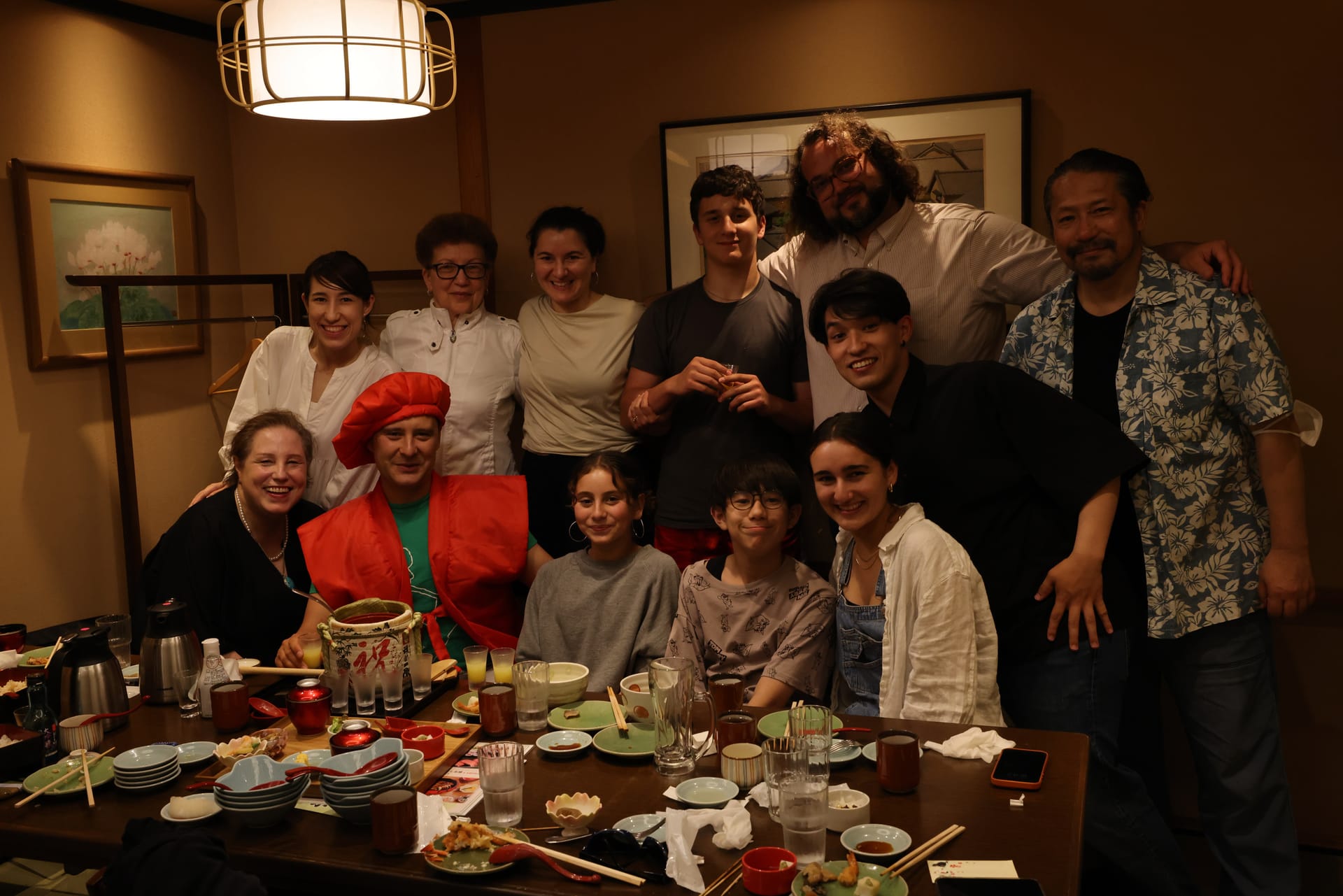
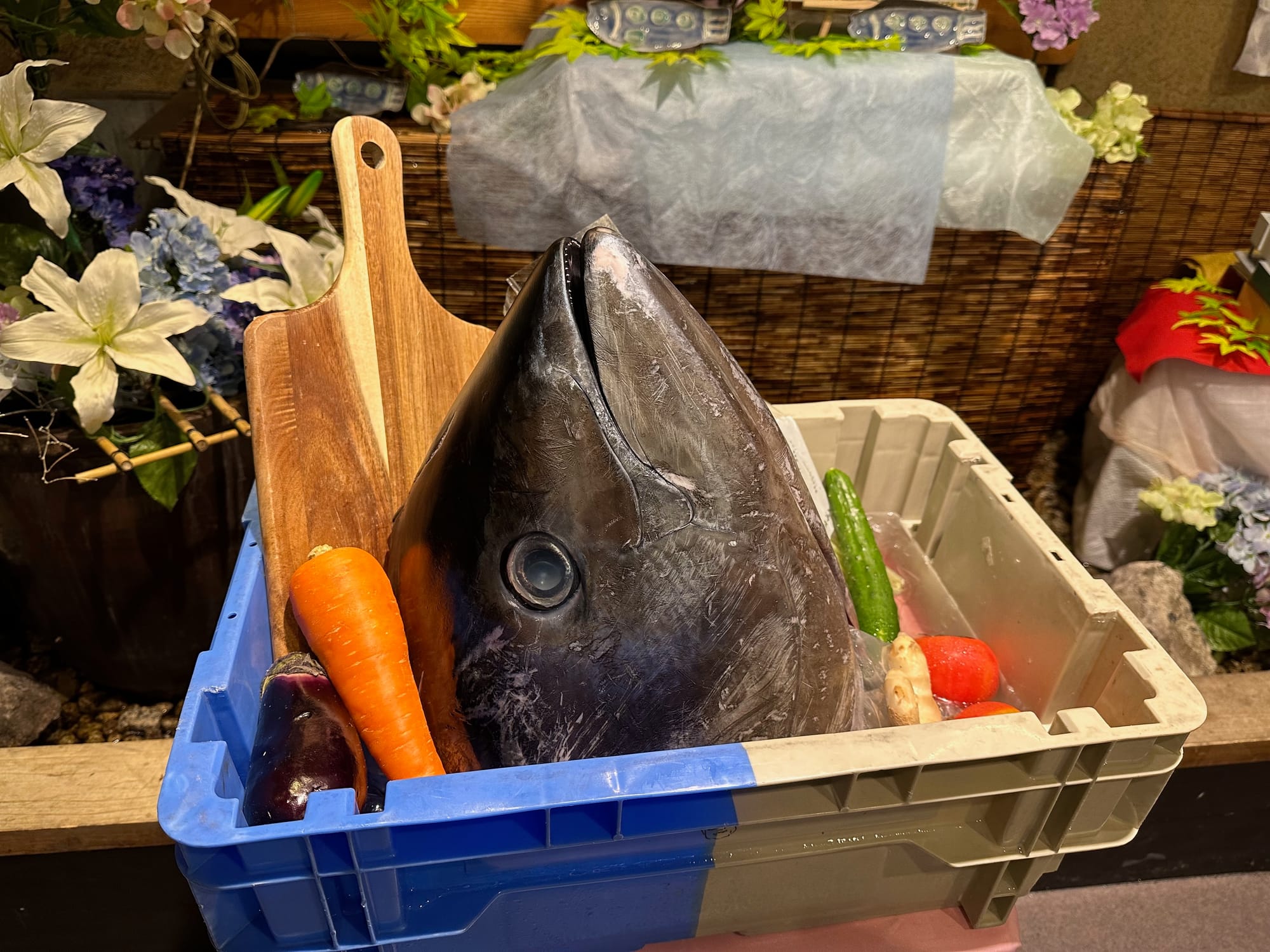
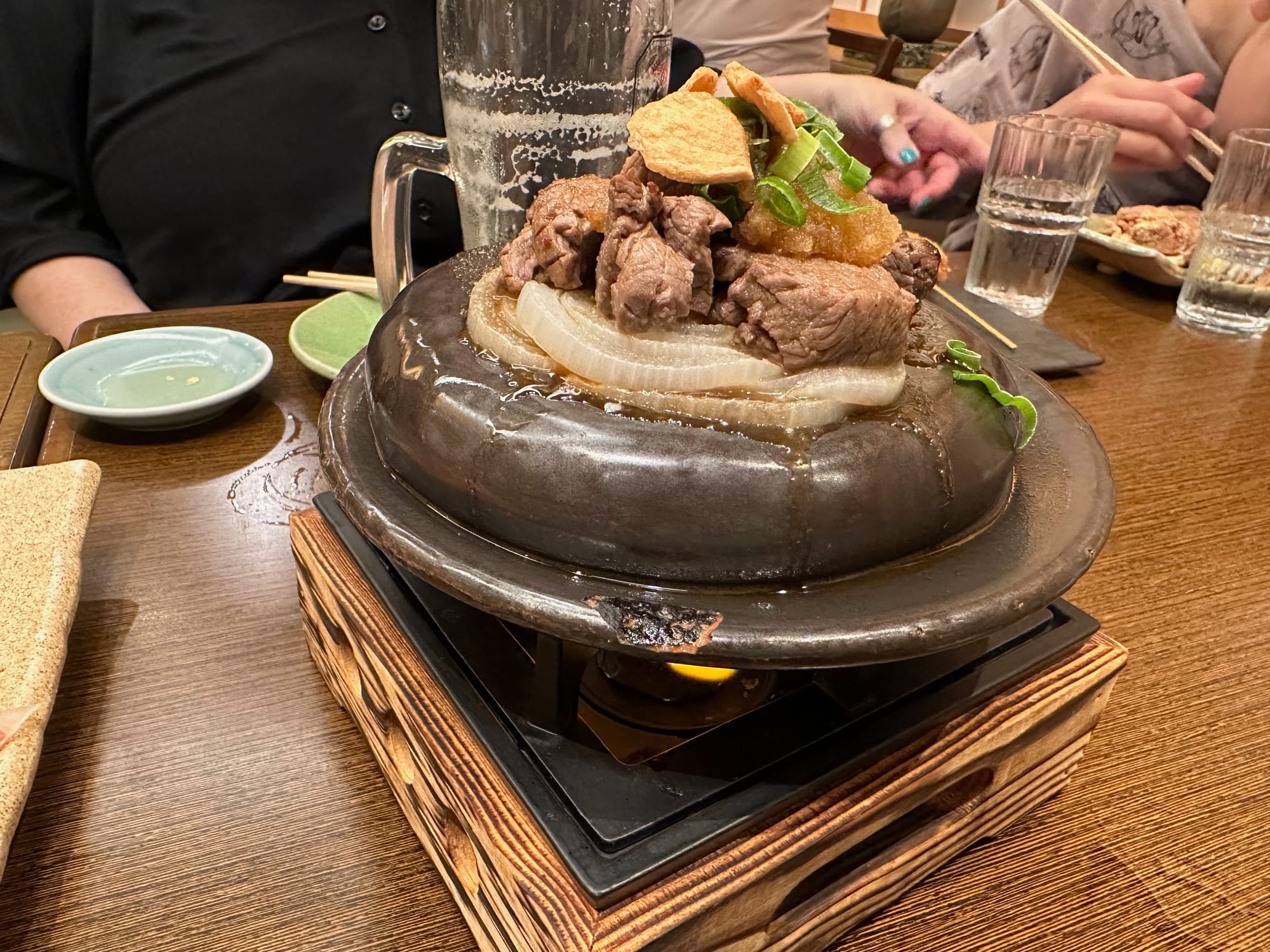
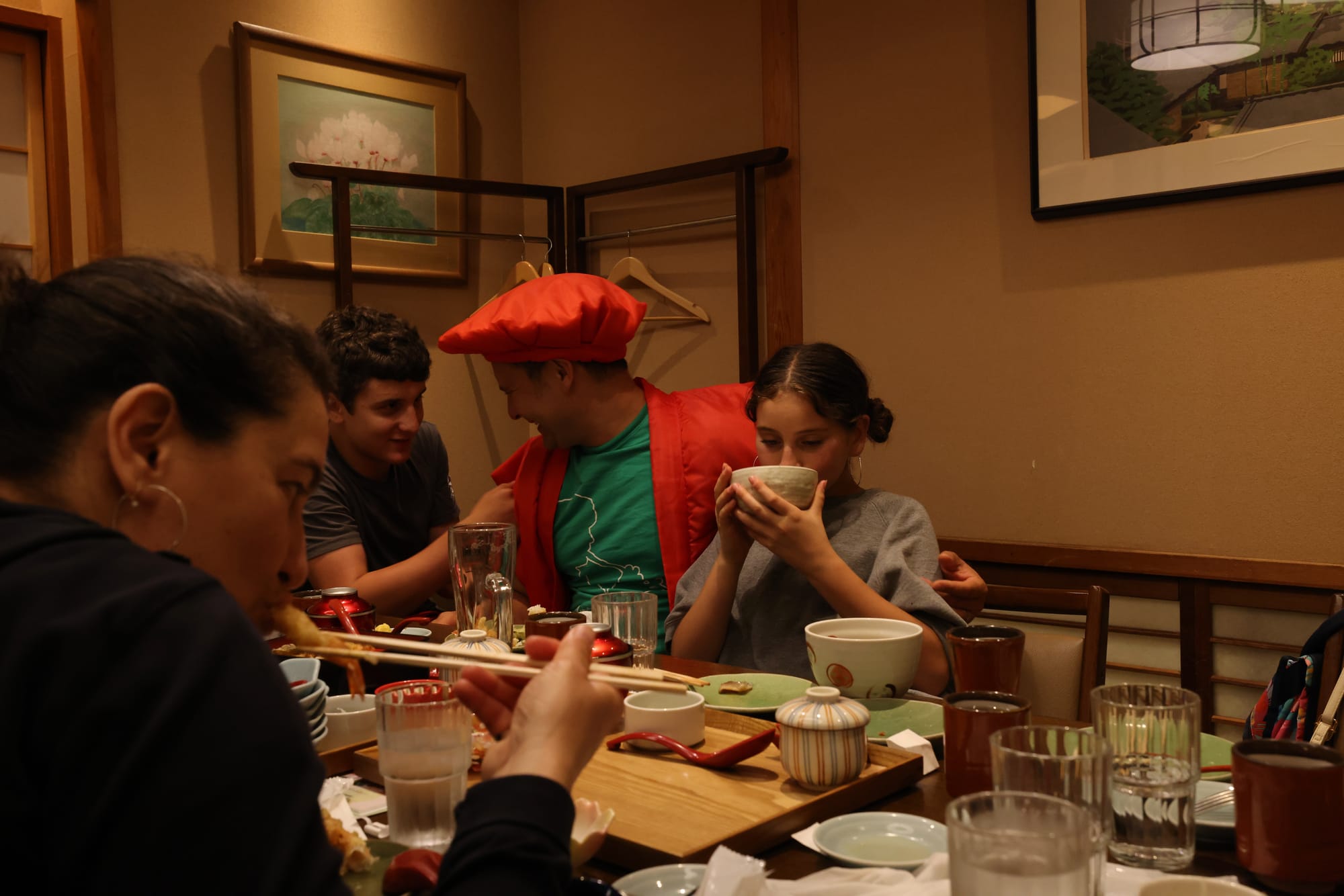
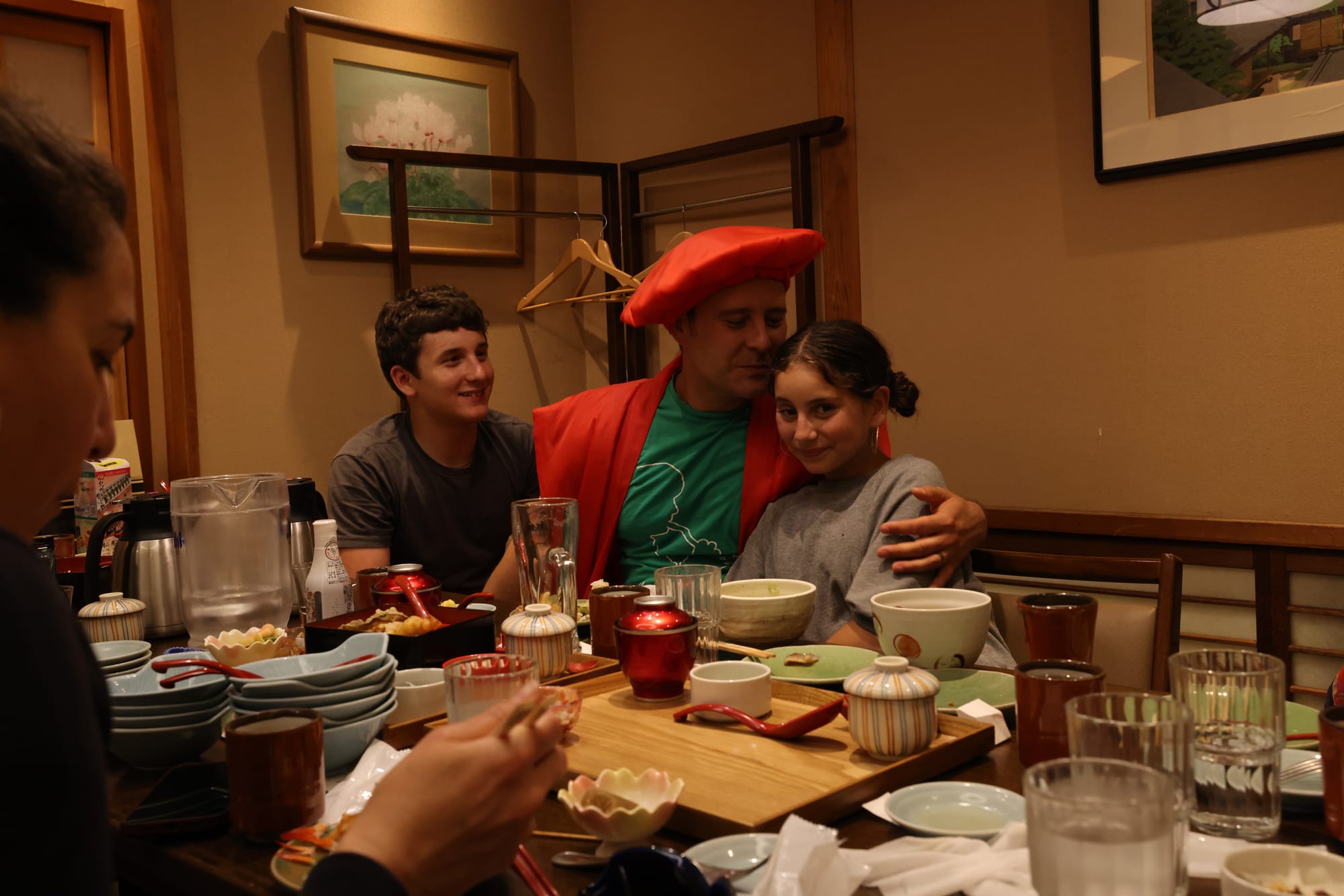
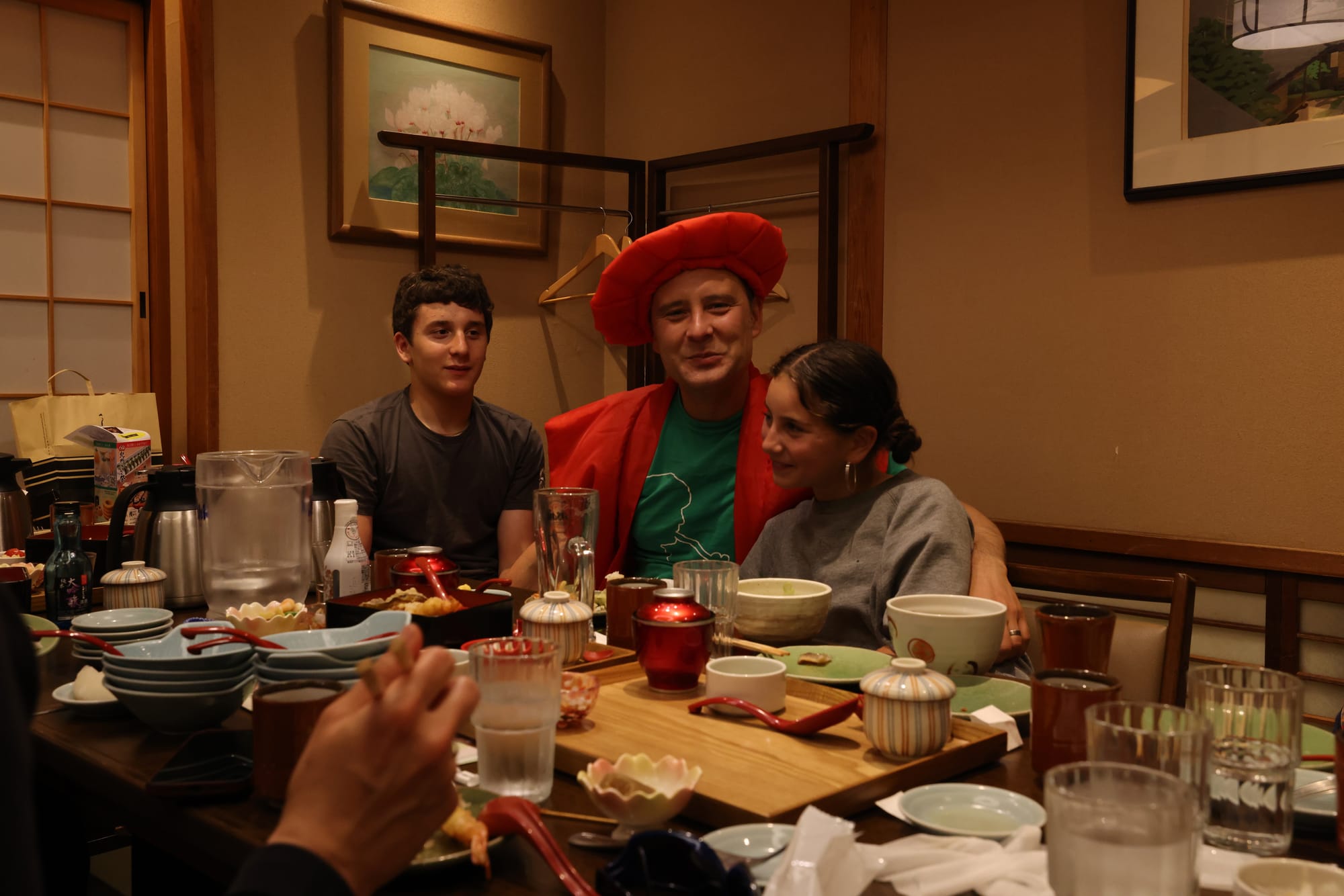
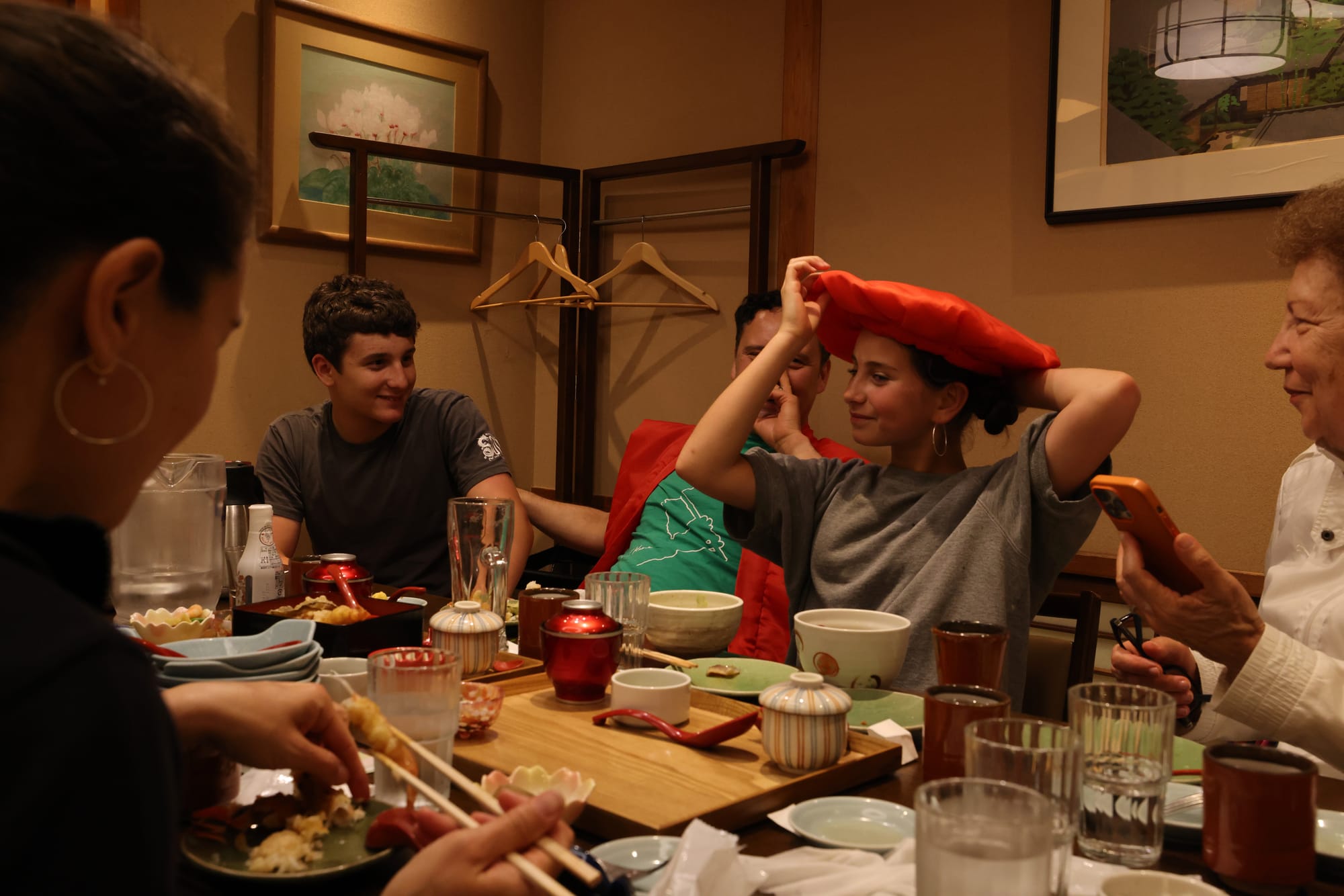
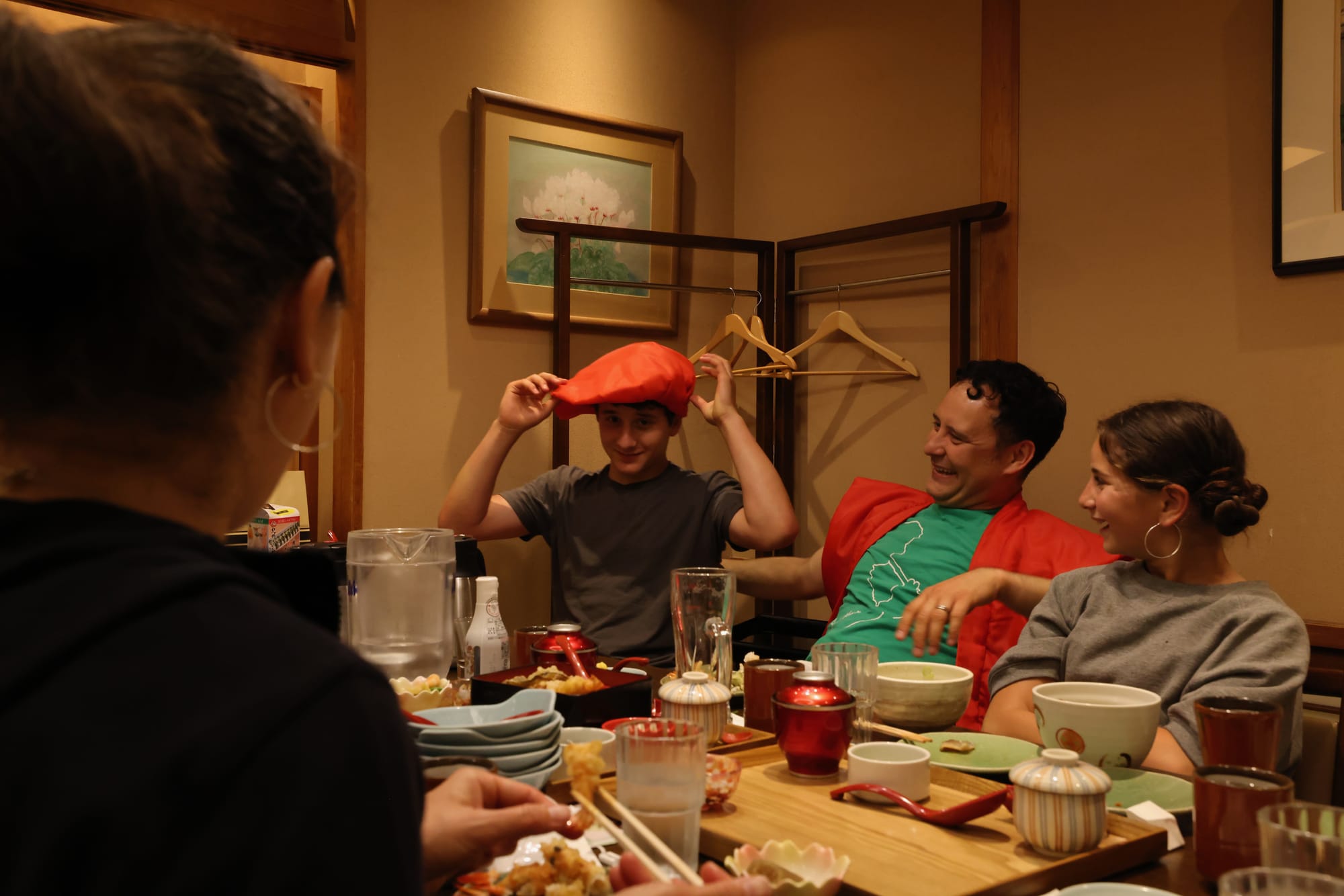
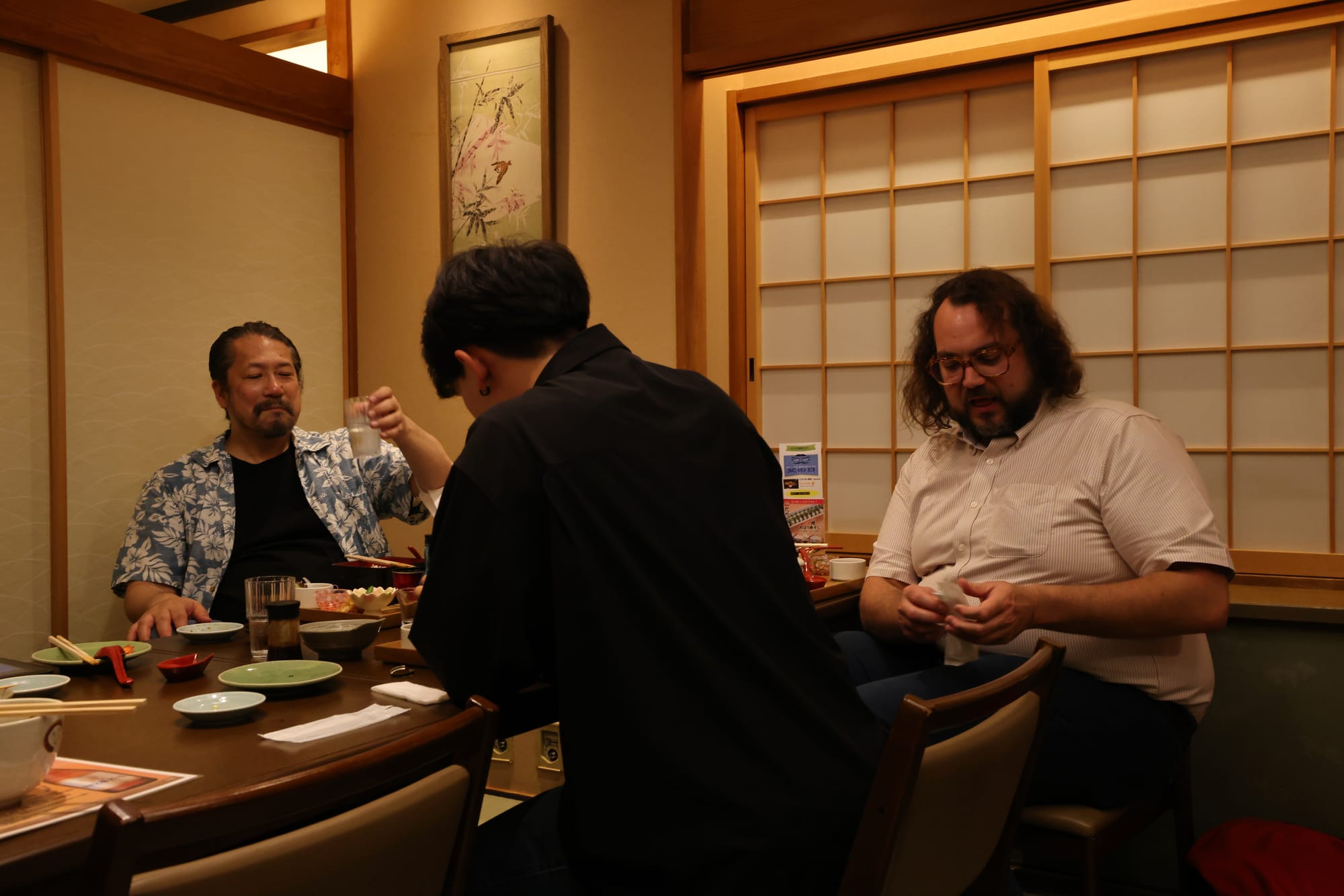
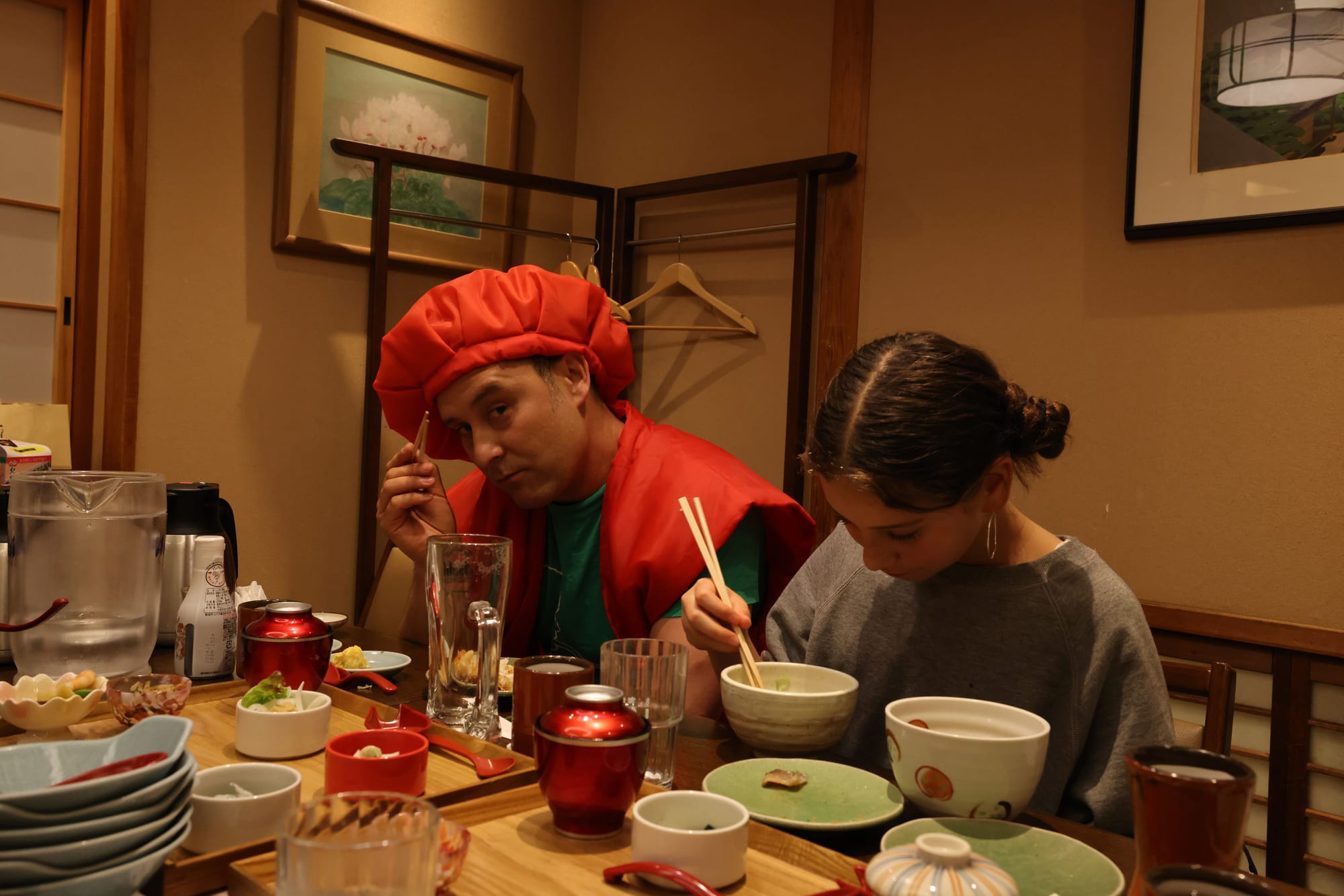
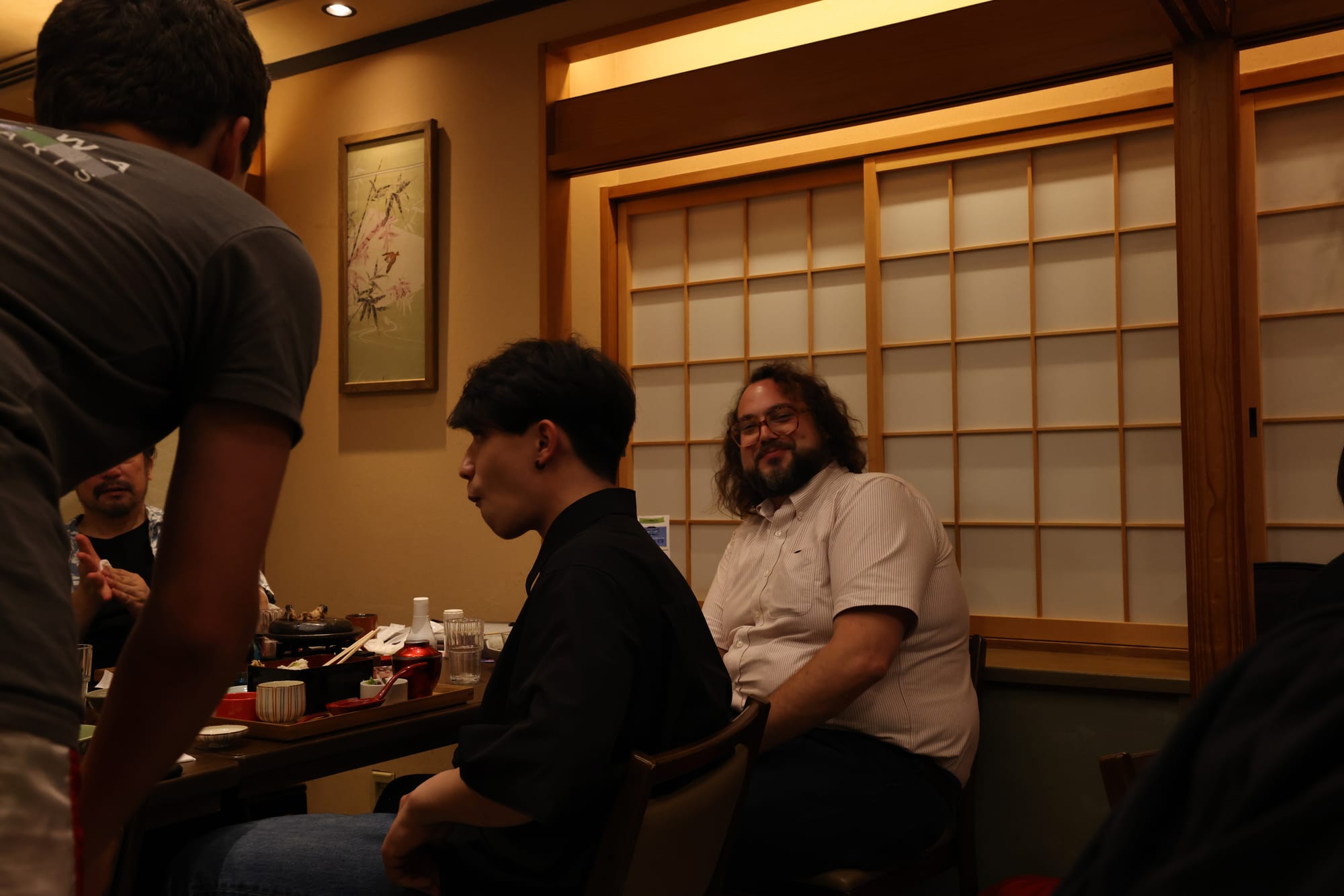
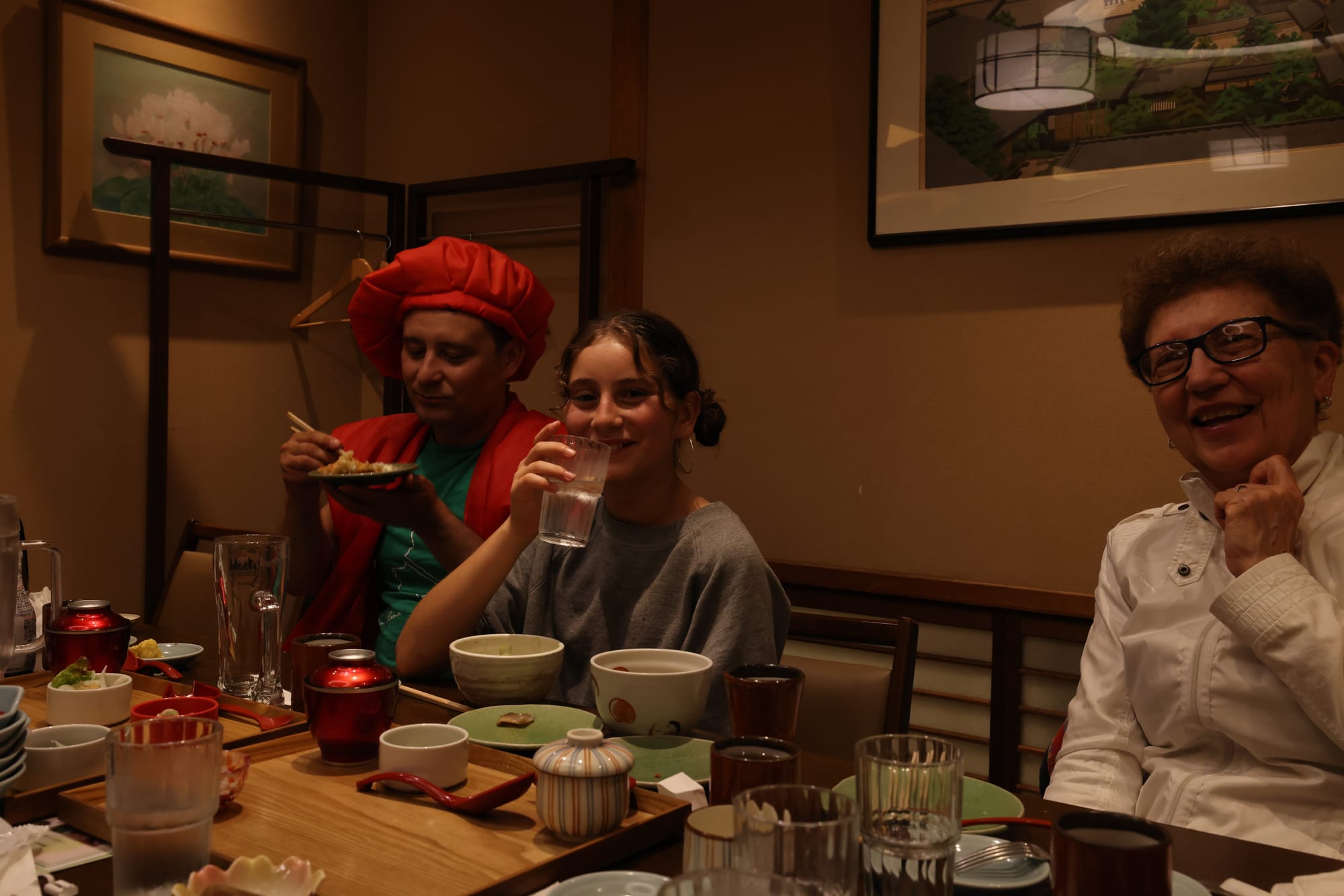
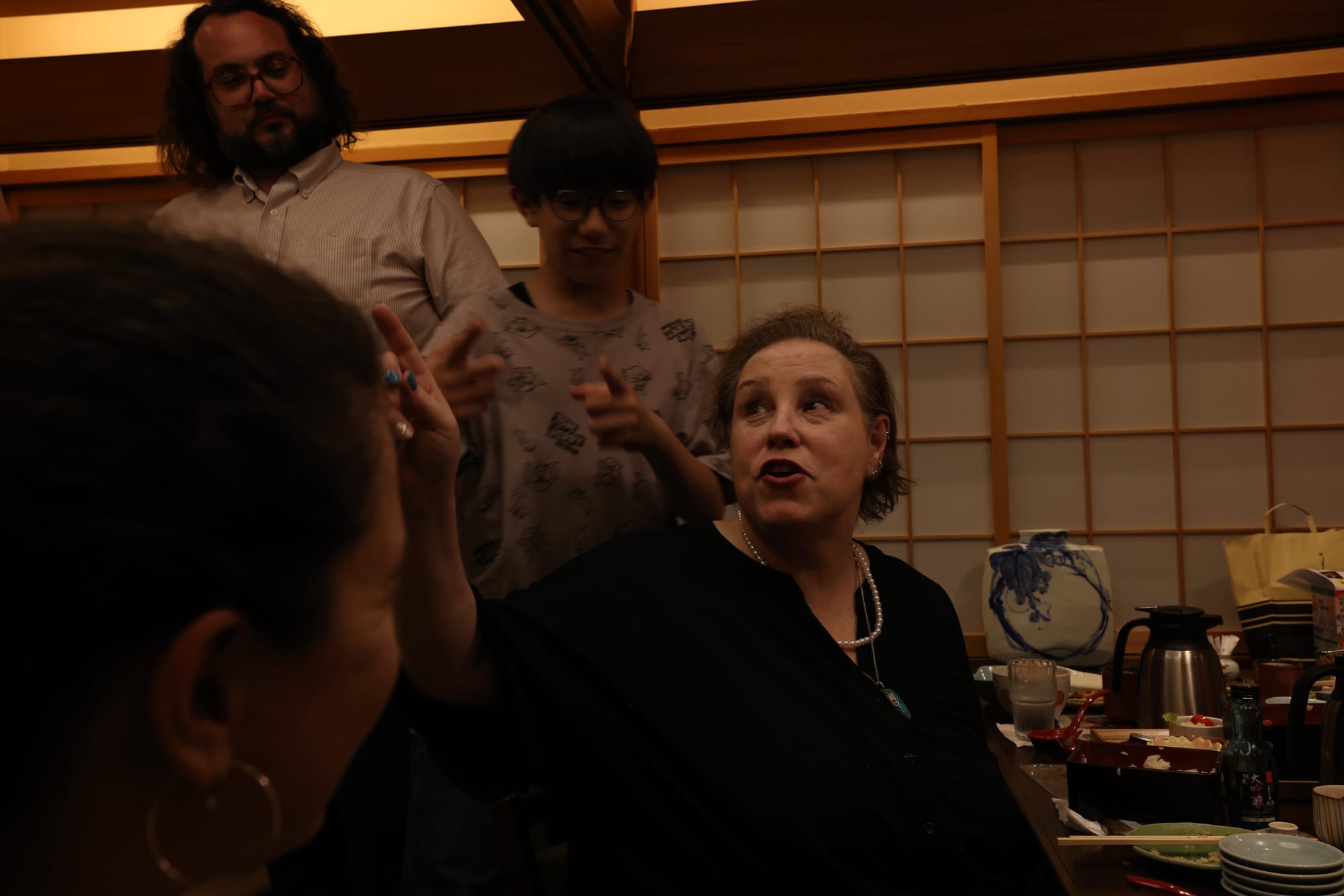
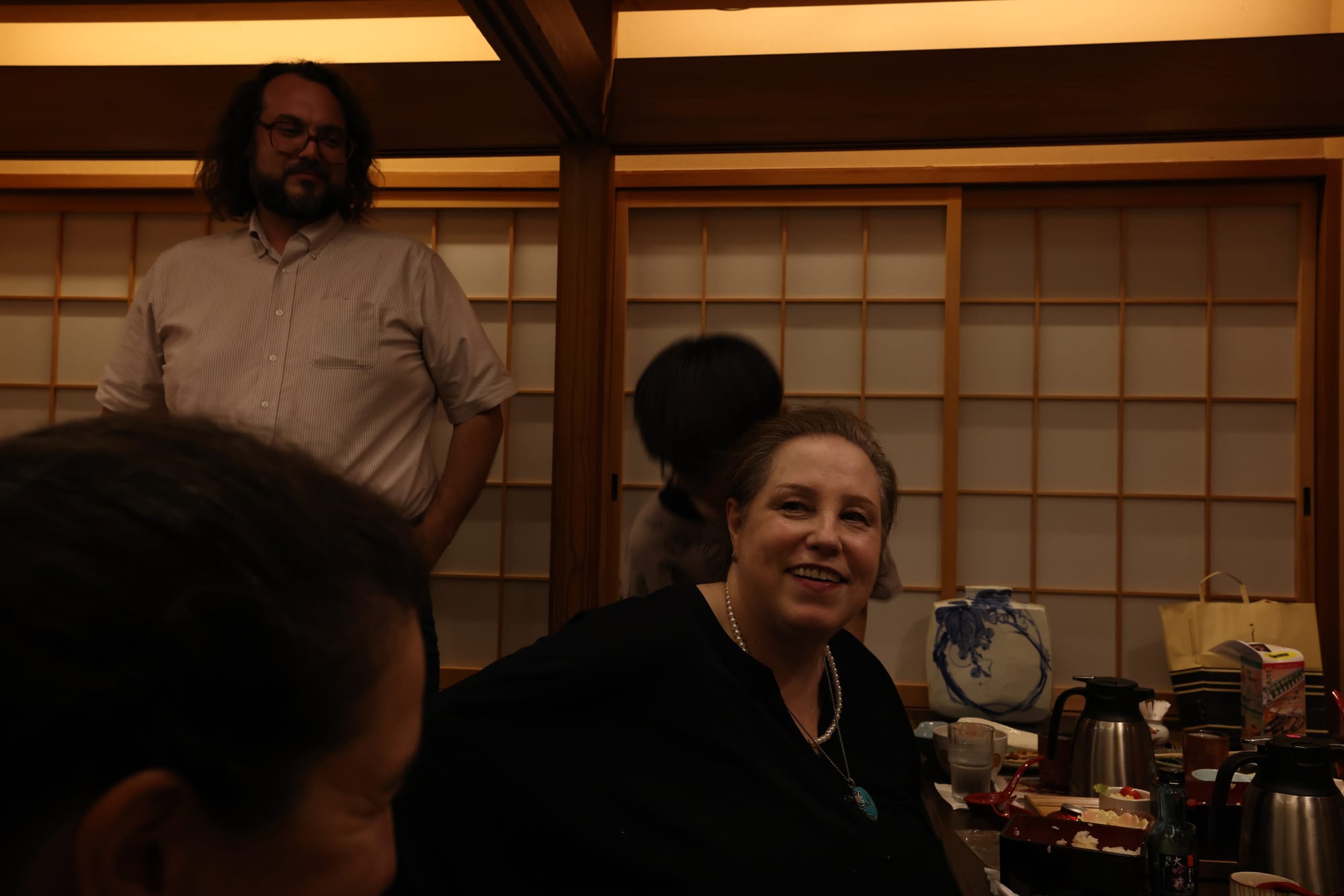
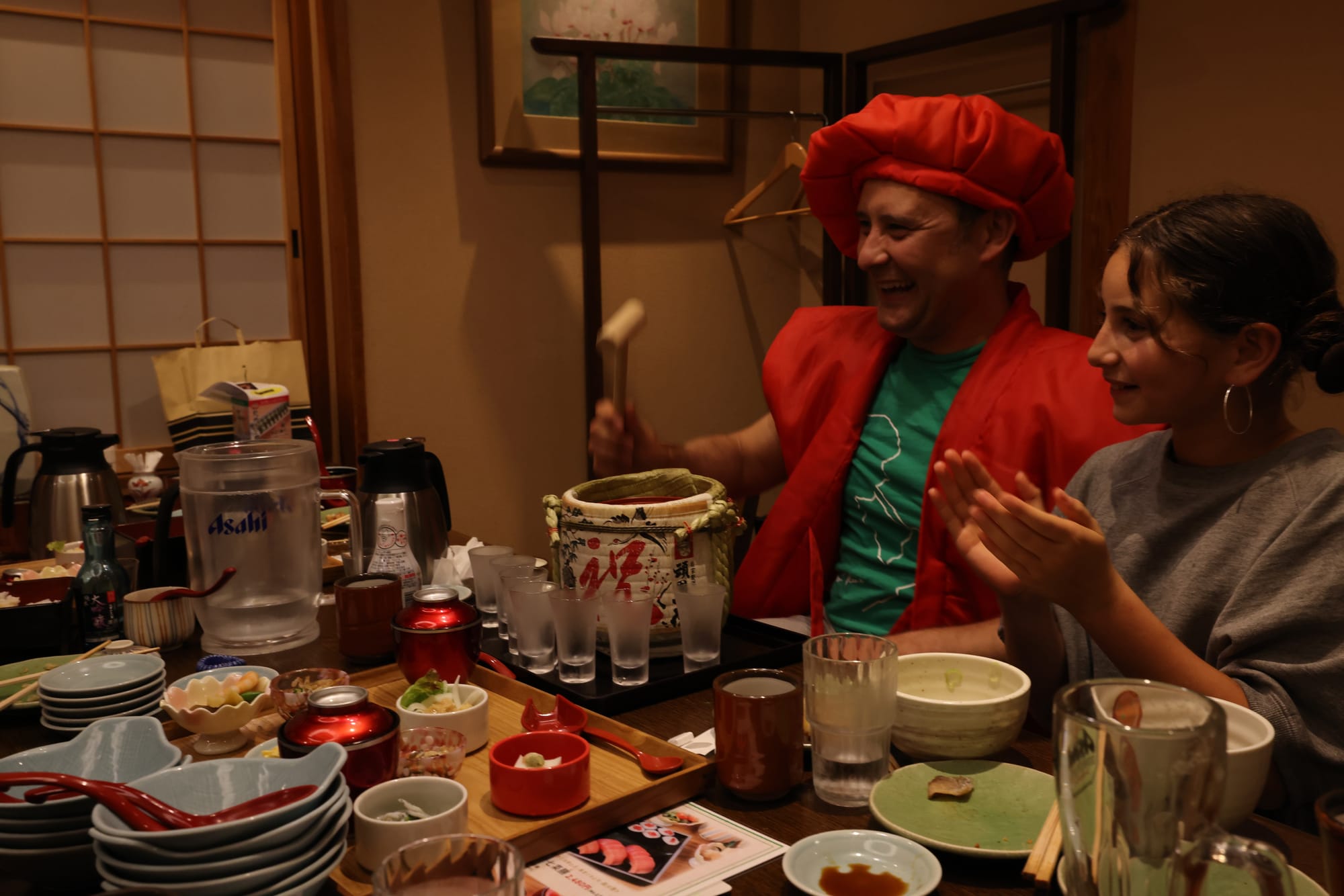
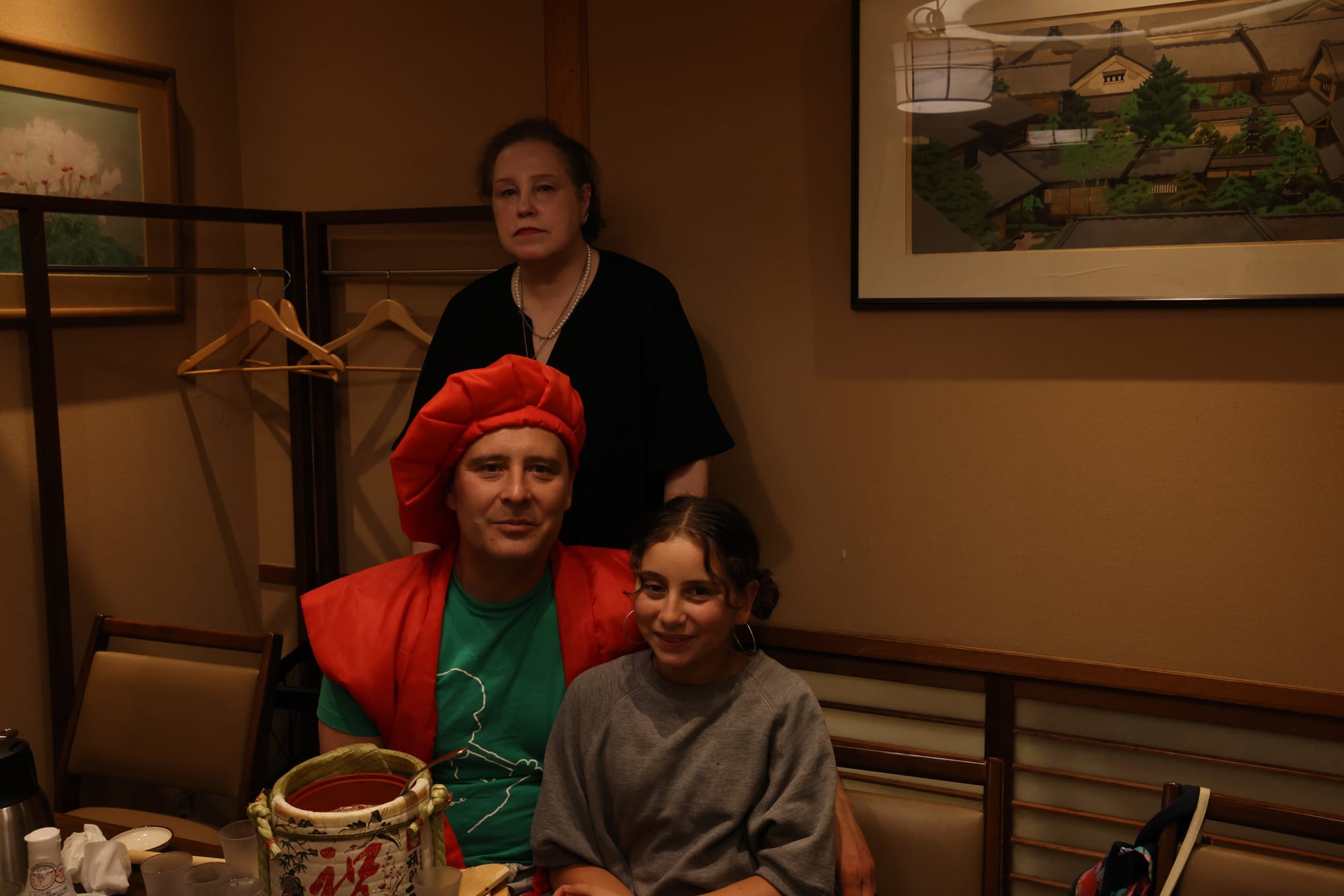
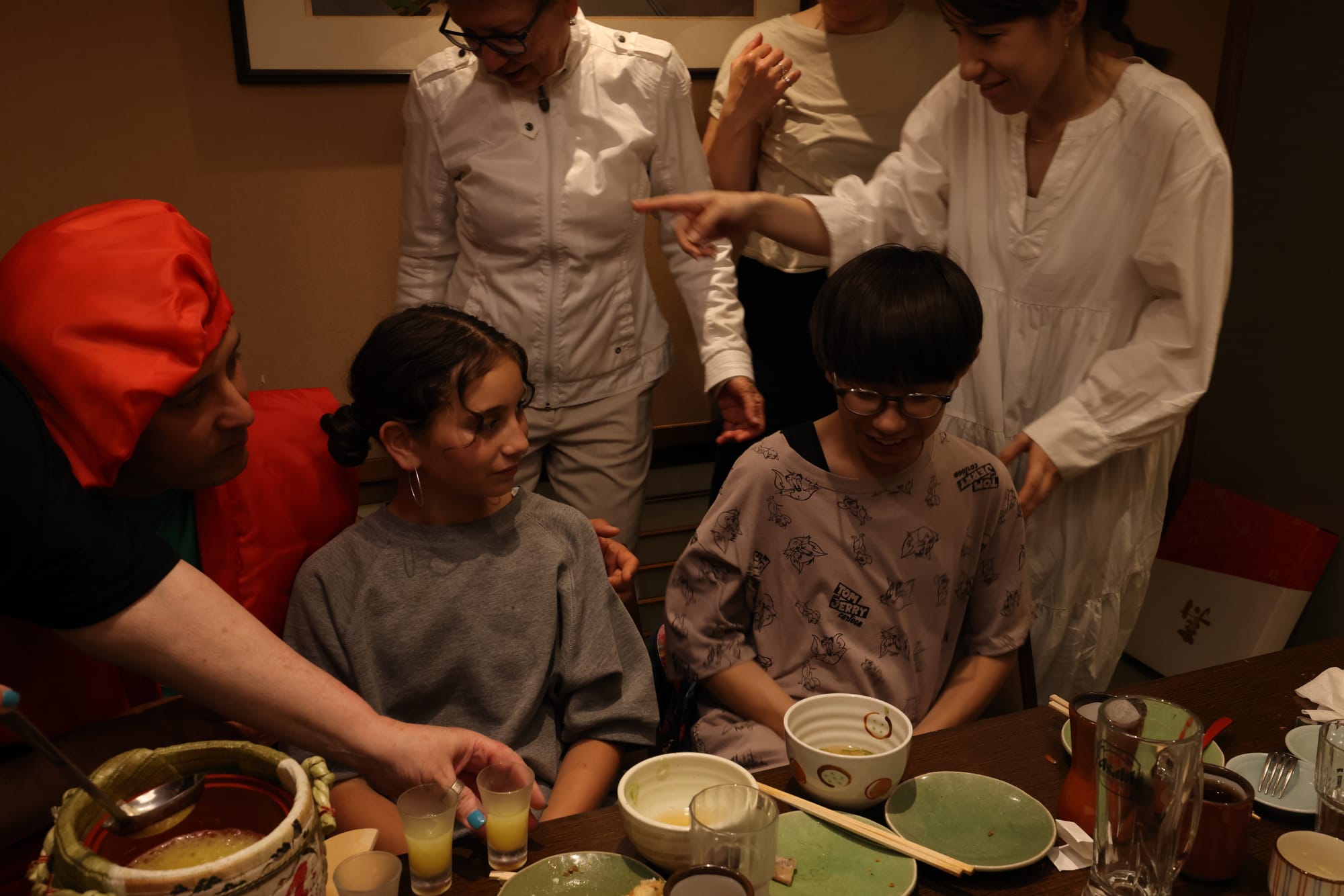
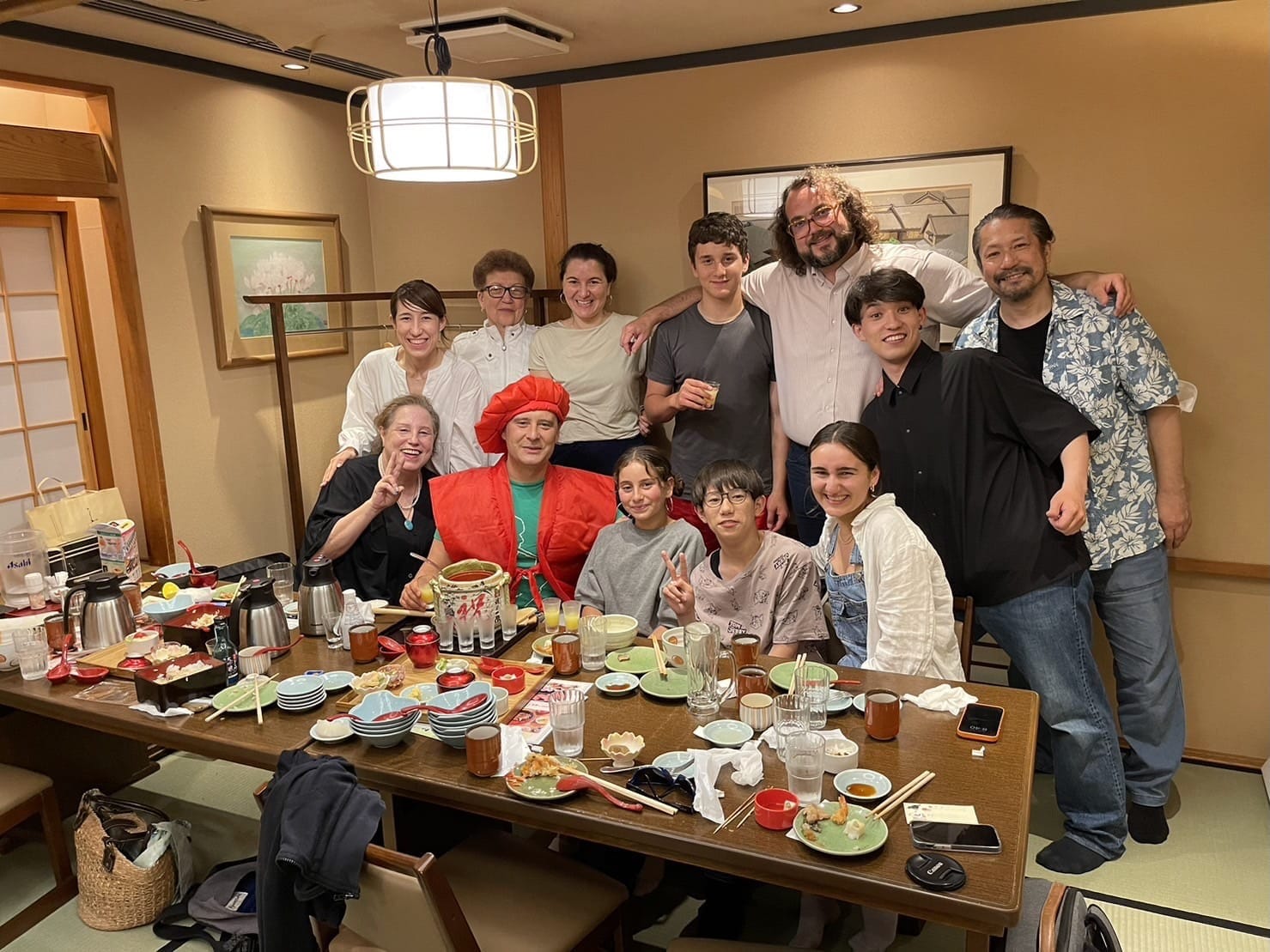
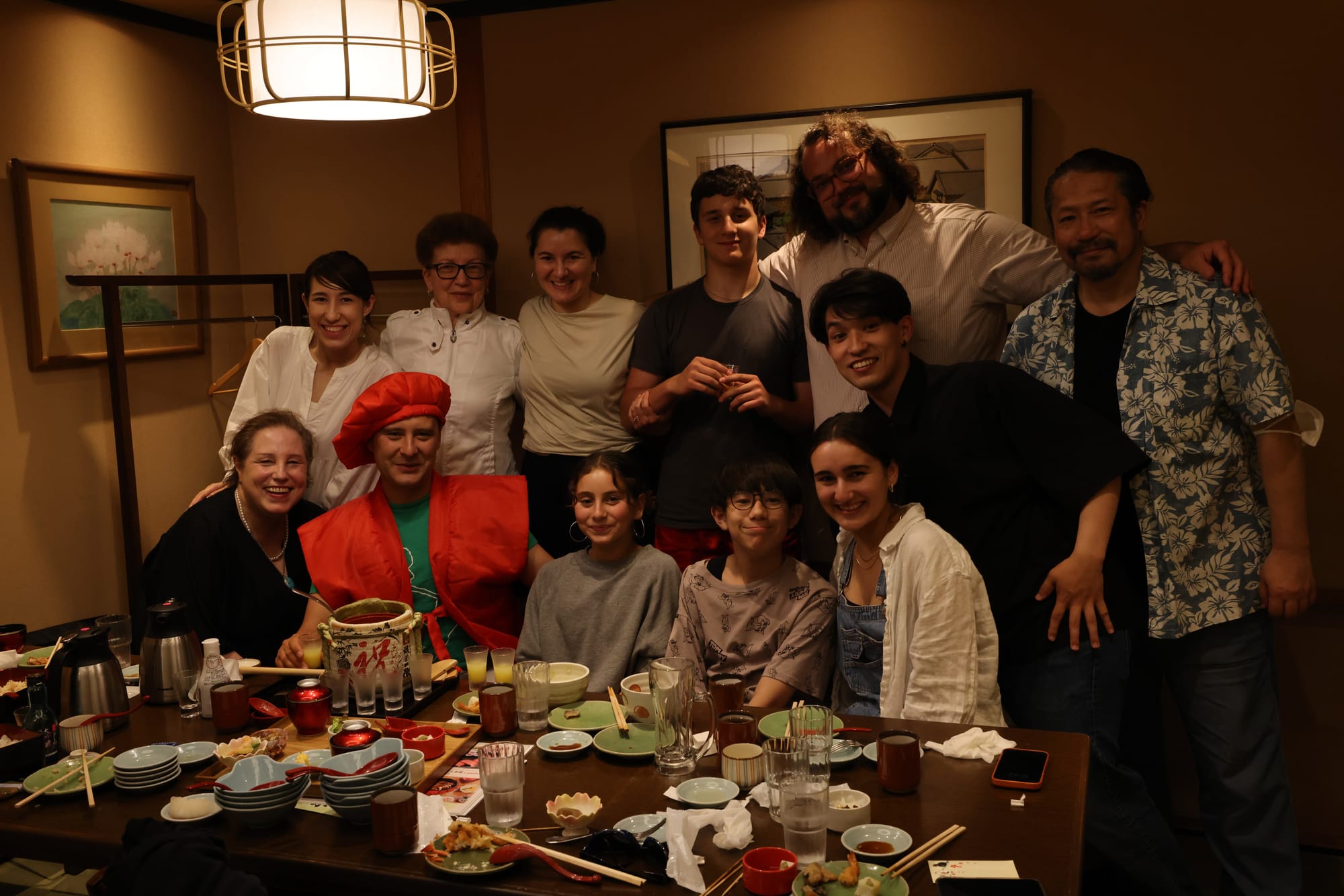
We high tailed it back to Osaka to meet with Vivien and her family for a dinner reunion. They met us at a train station and drove us to a restaurant where they had rented a private room and pulled out all the stops.
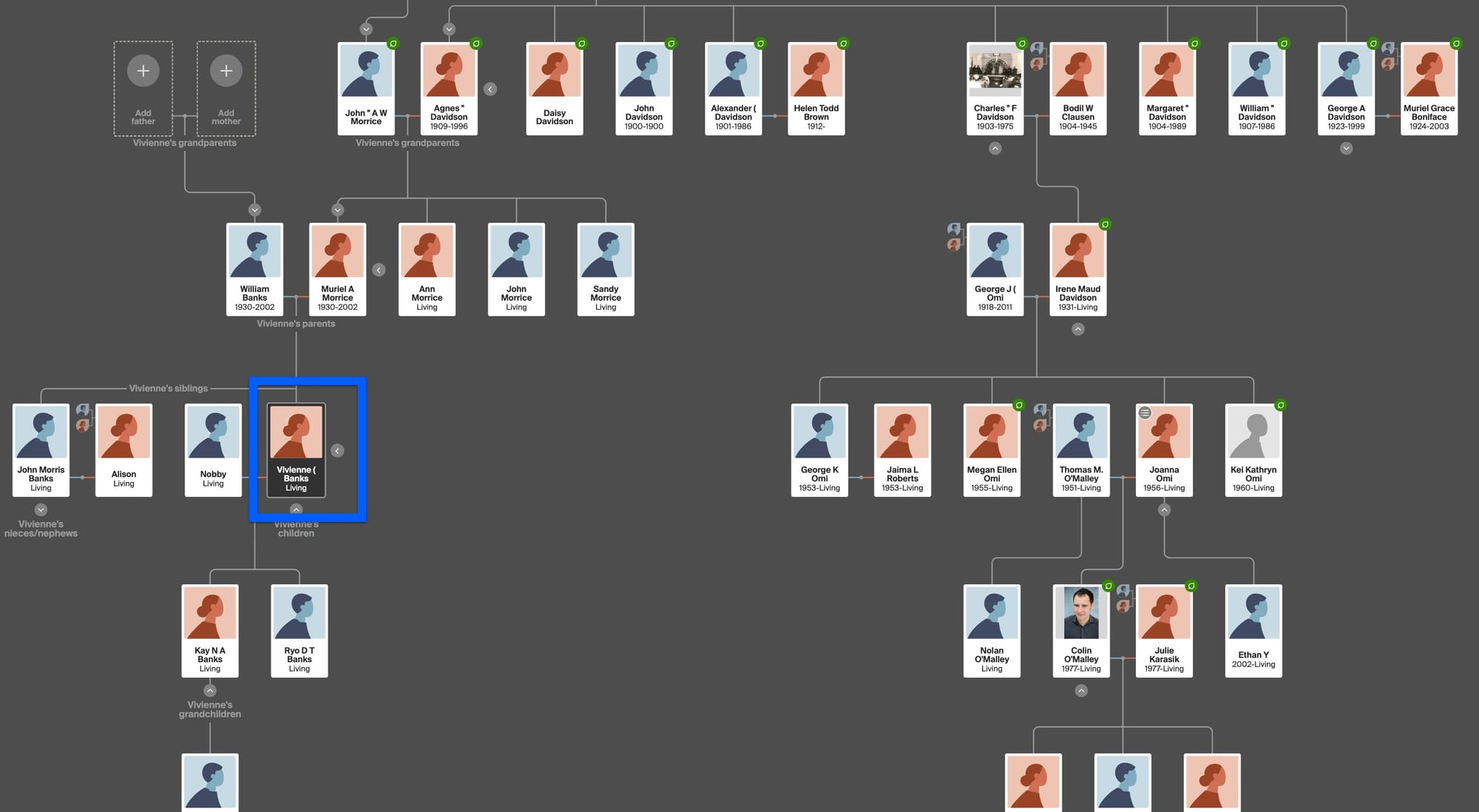
Attending the dinner on their side:
- Vivienne (Shibabayashi) Banks (granddaughter of Agnes Davidson, who was a sister of Charles Davidson, father of Rene Davidson/Omi)
- Vivien's husband, Nobby
- Viviens's adult children, Ryo Desmond Thomas Banks and Kay Nakashima Asghley Banks
- Kay's son, Ryunosukia Benjamin Nakashima
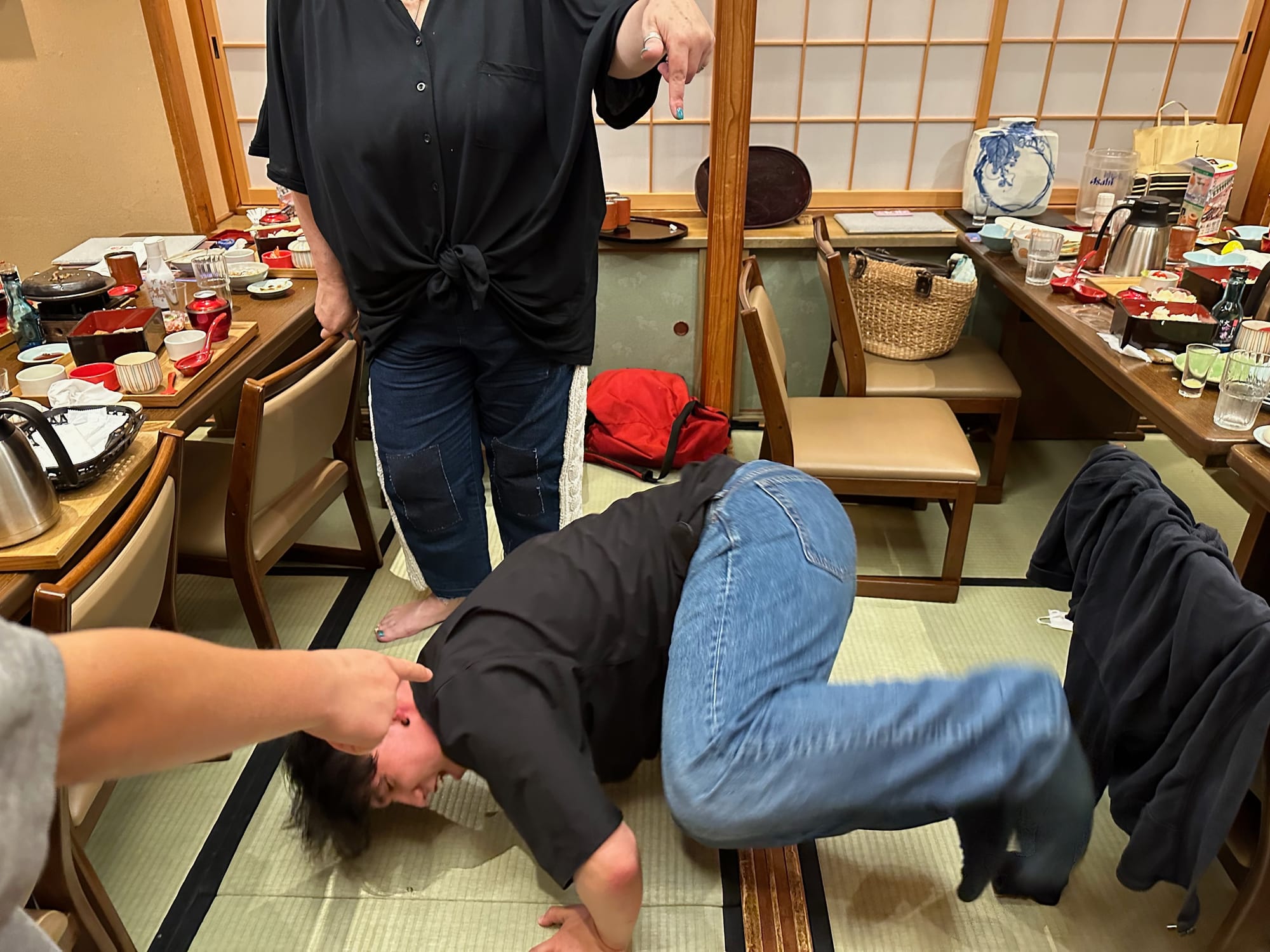
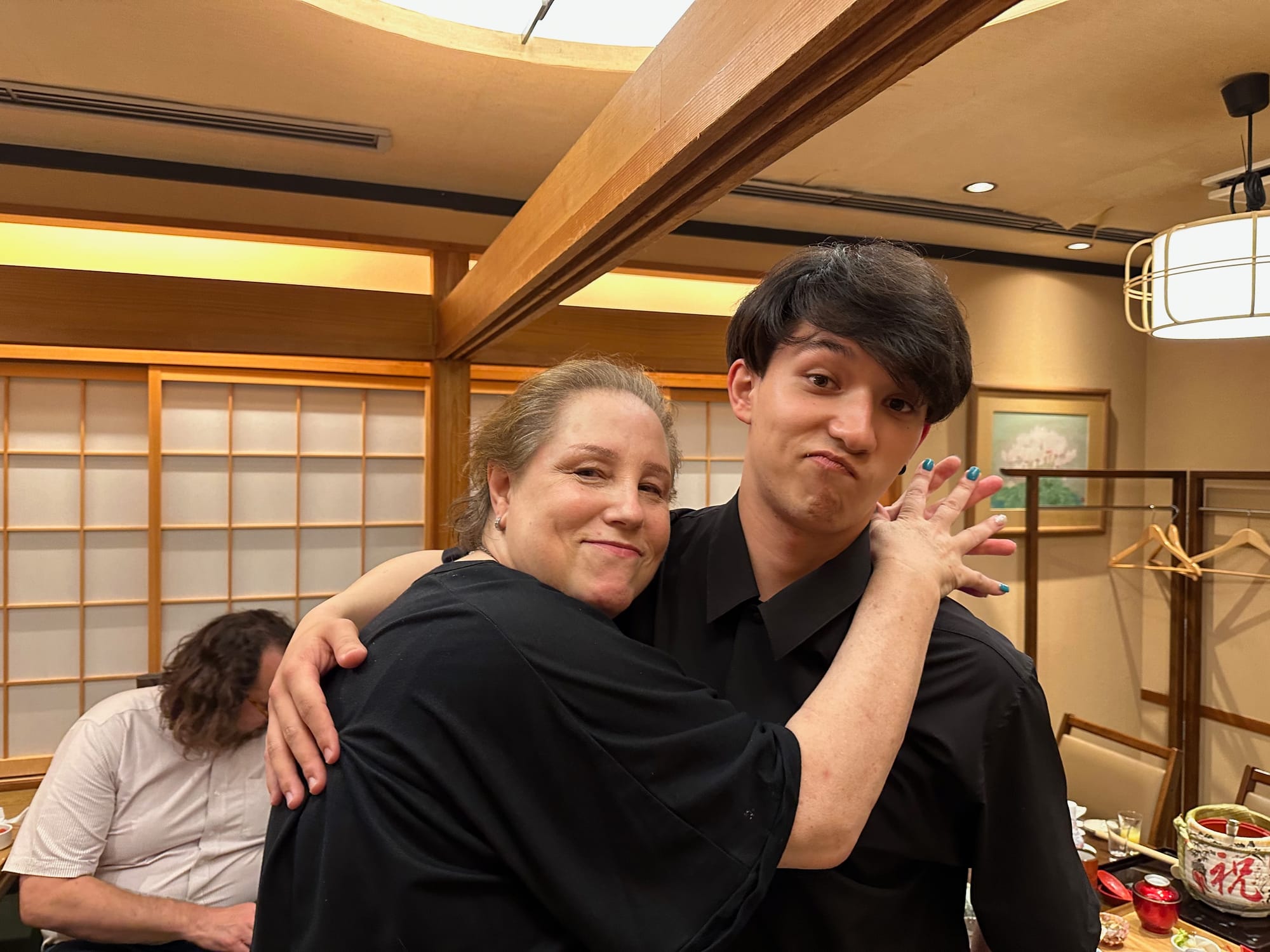
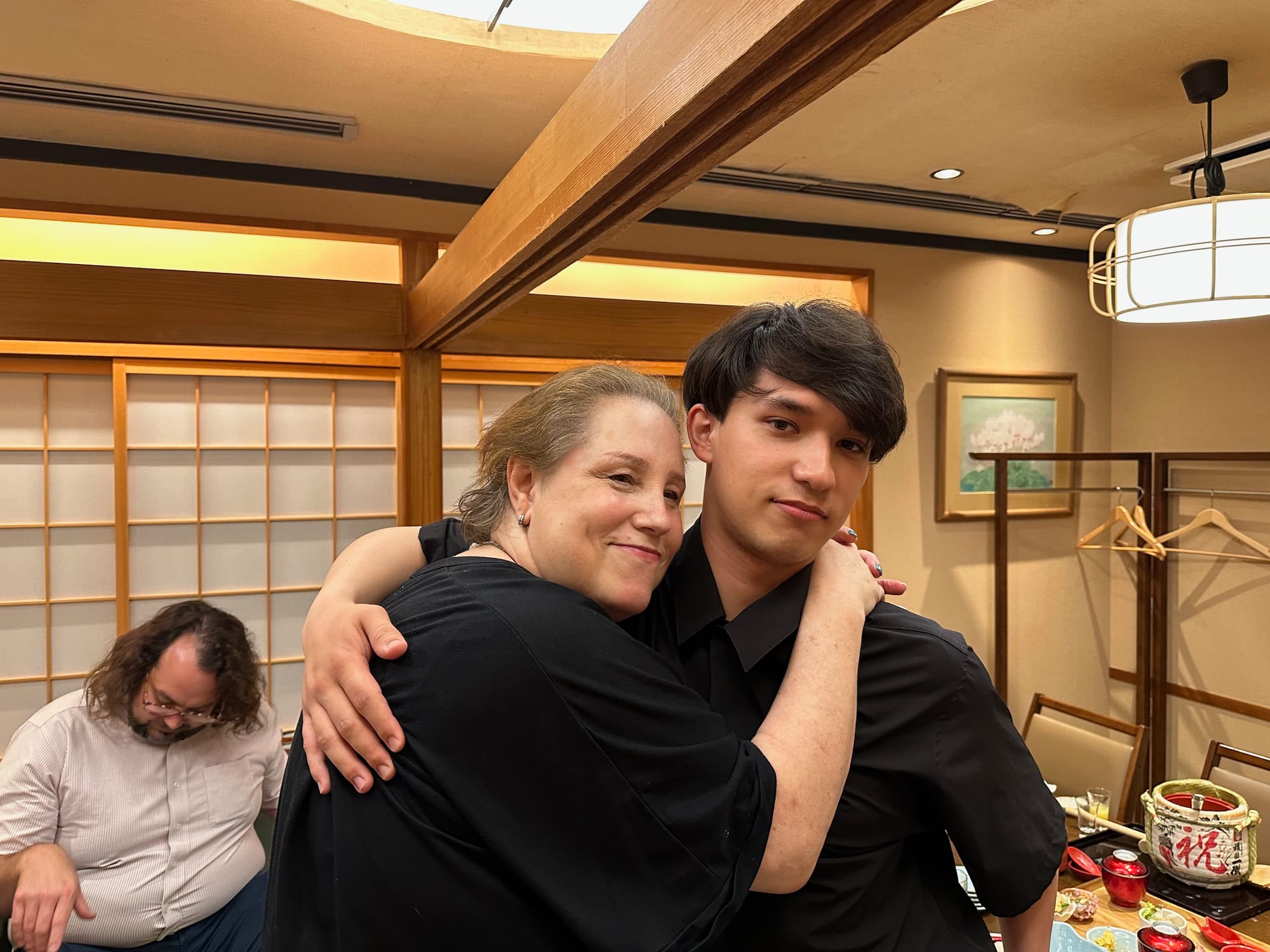
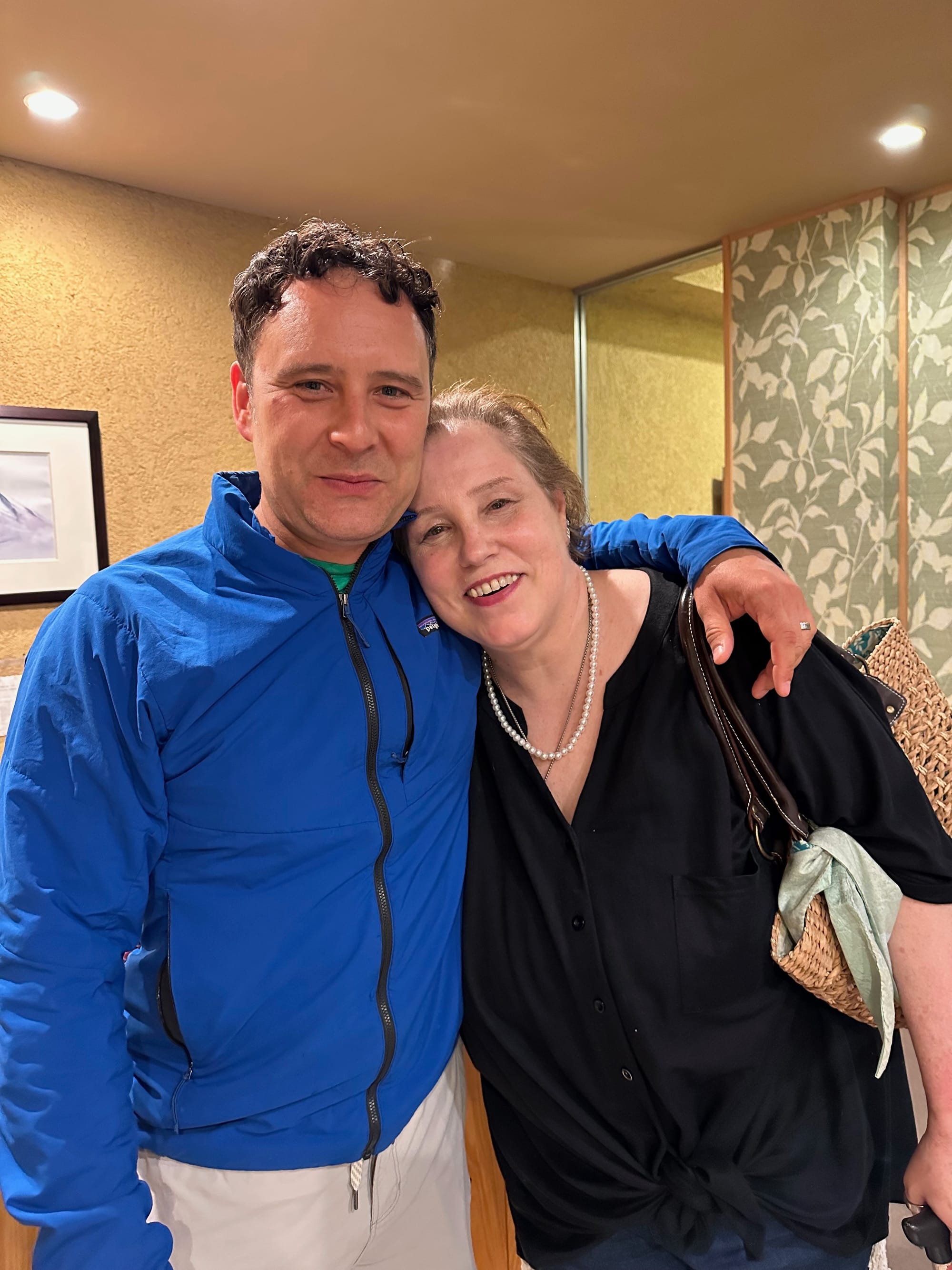
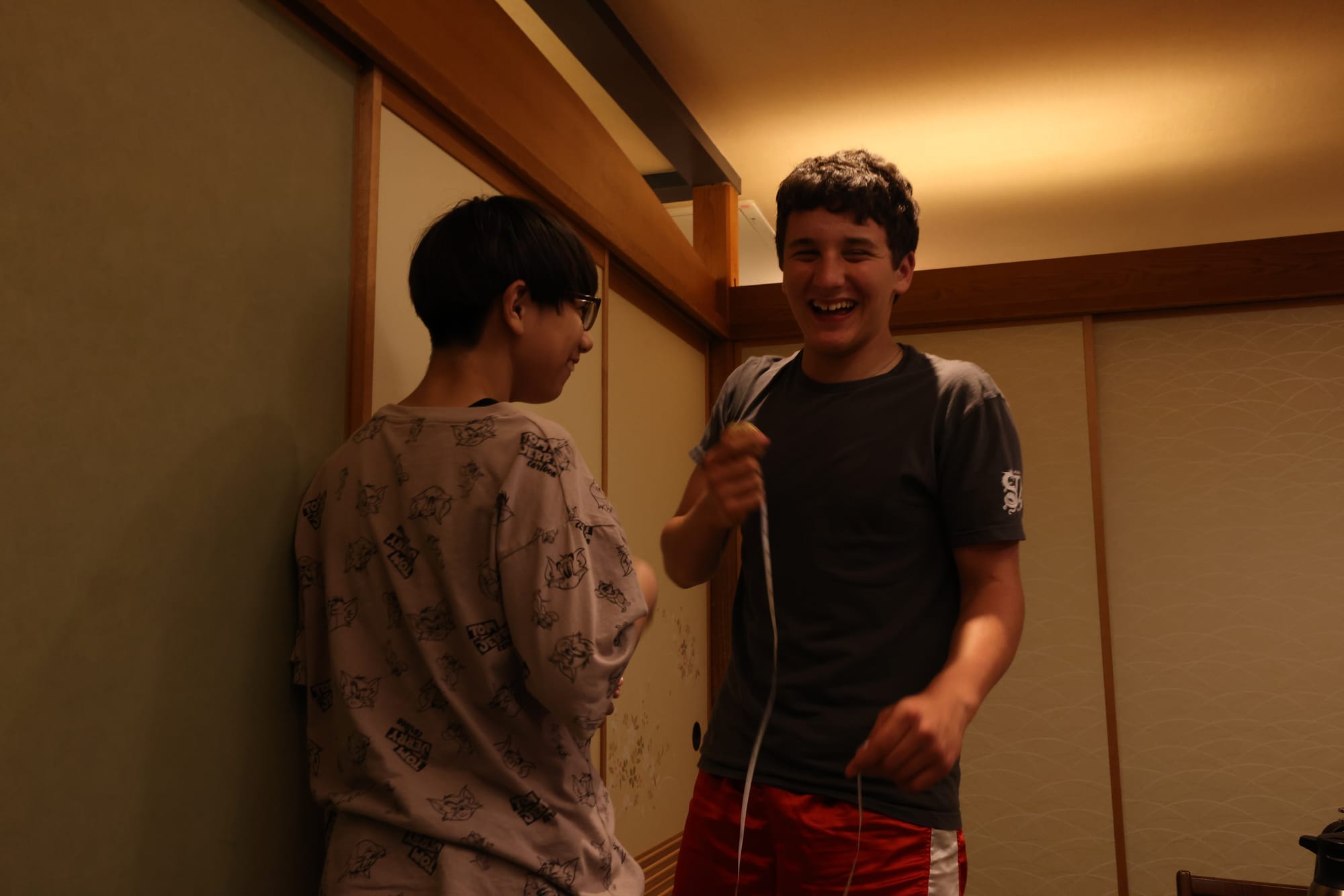
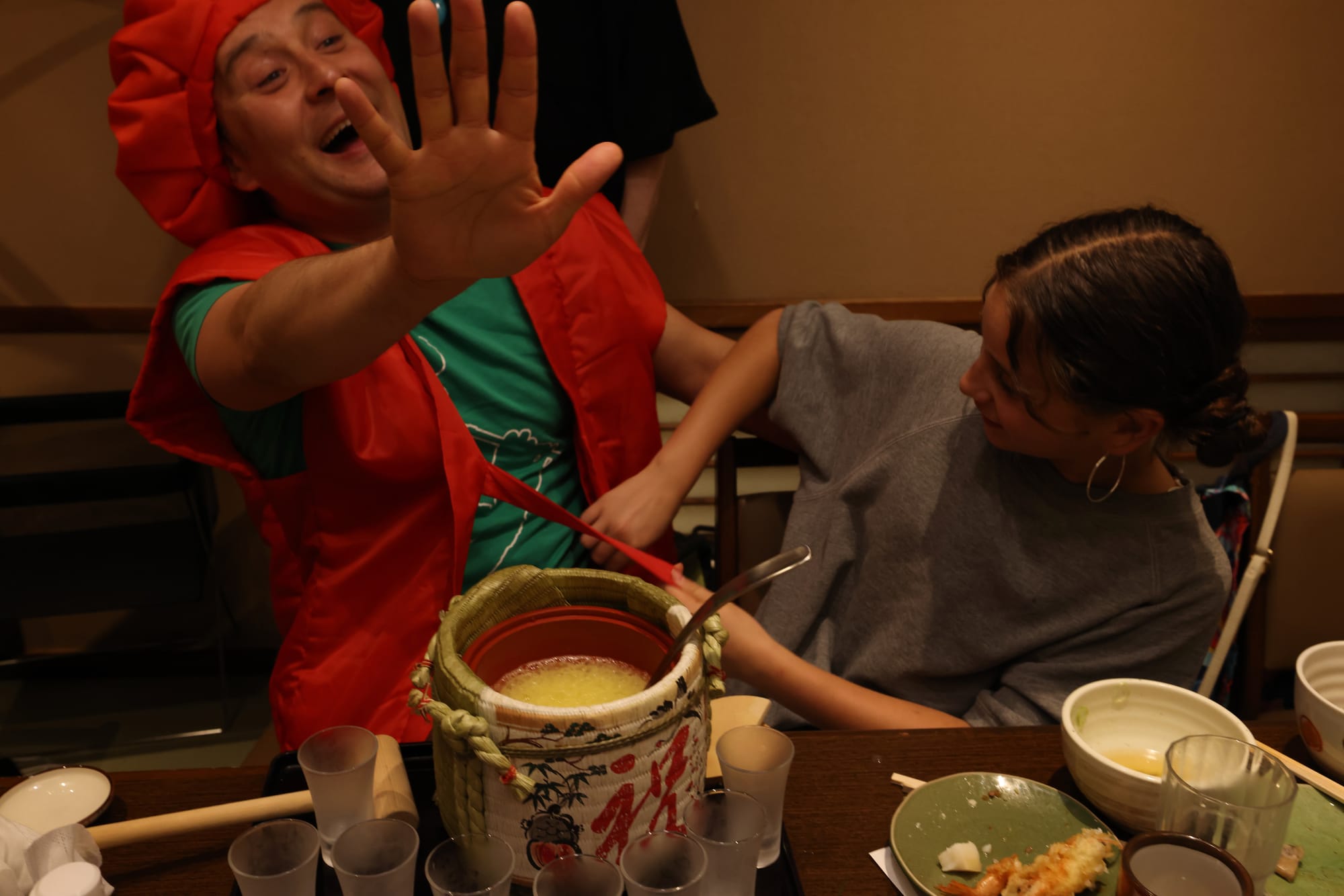
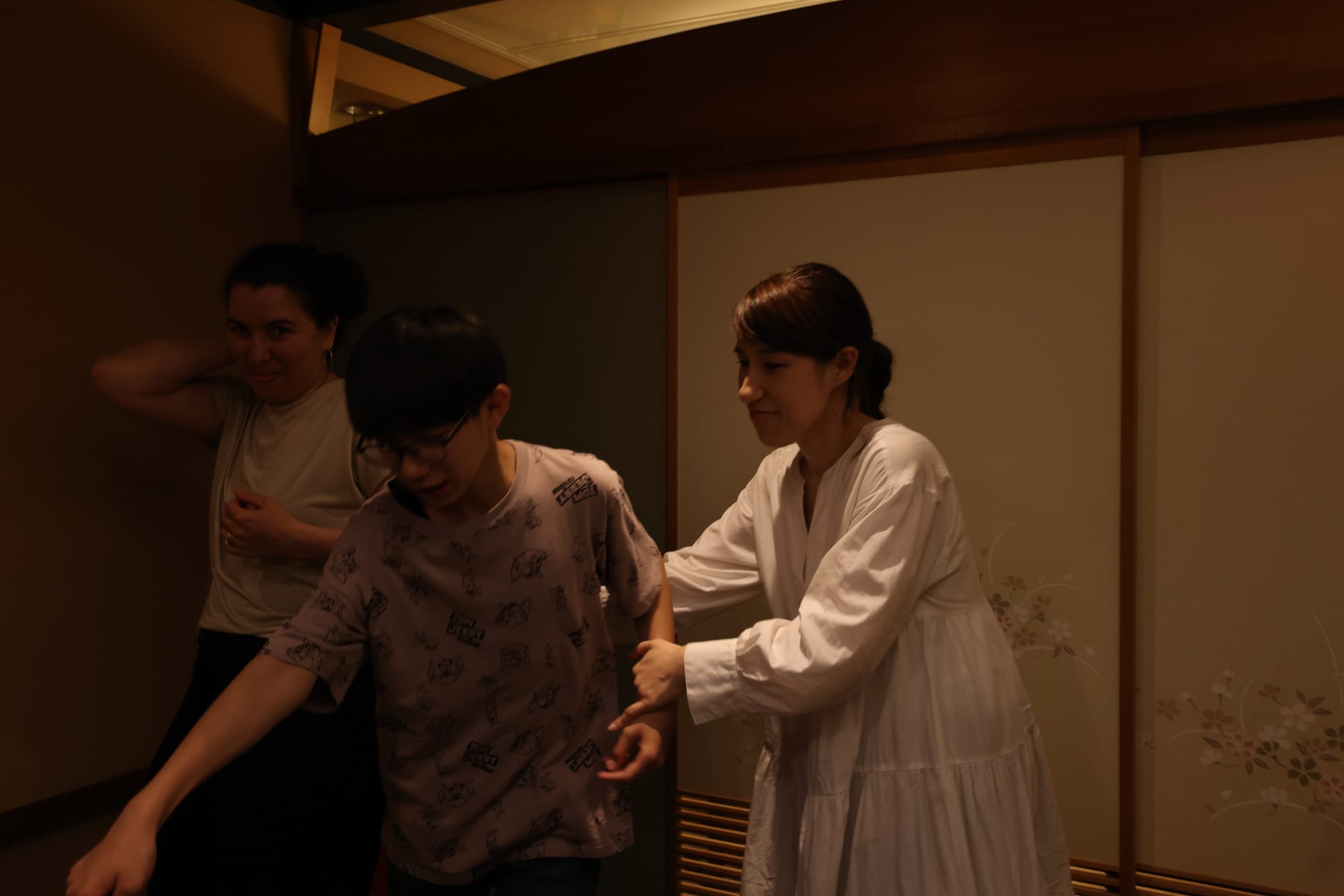
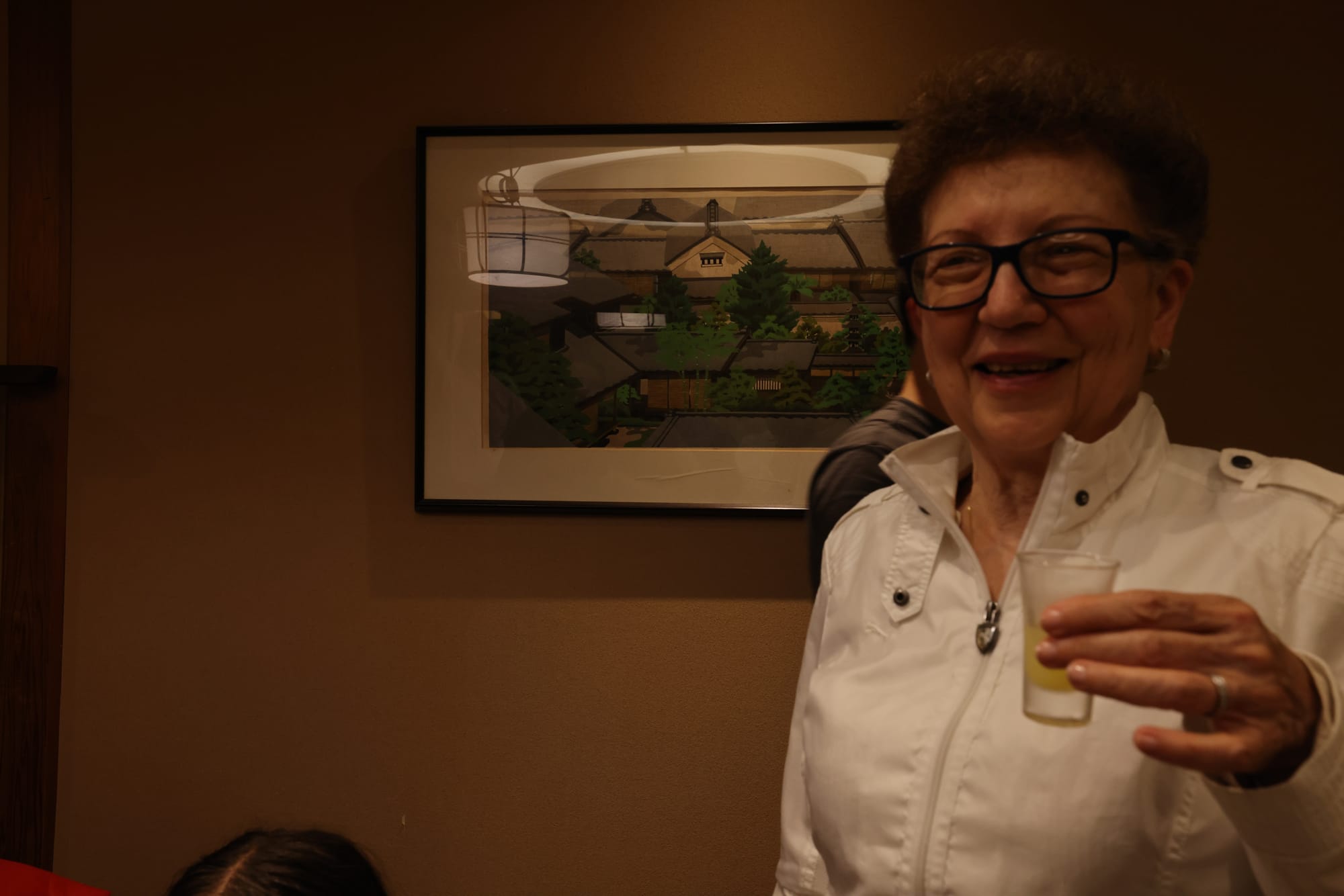
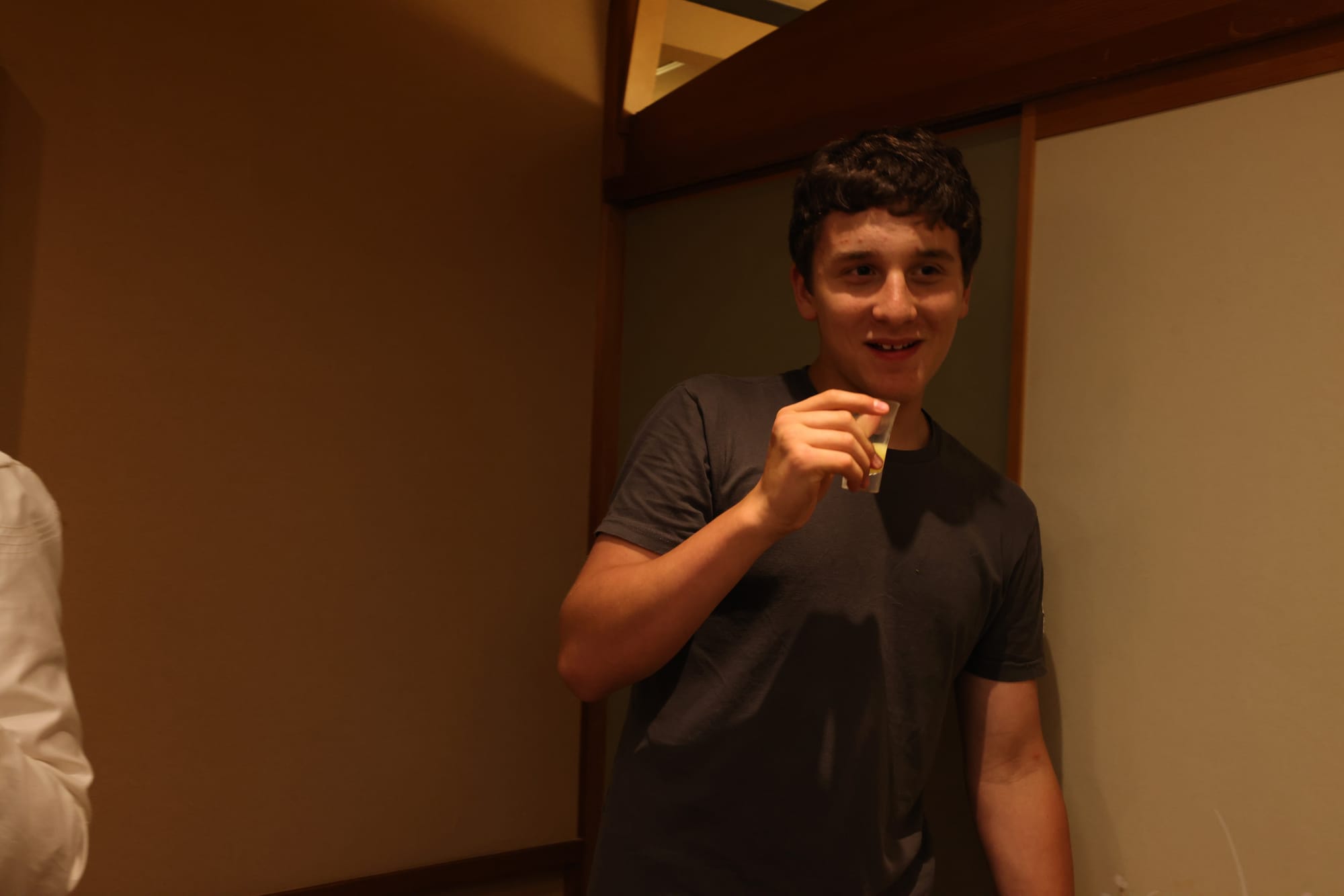
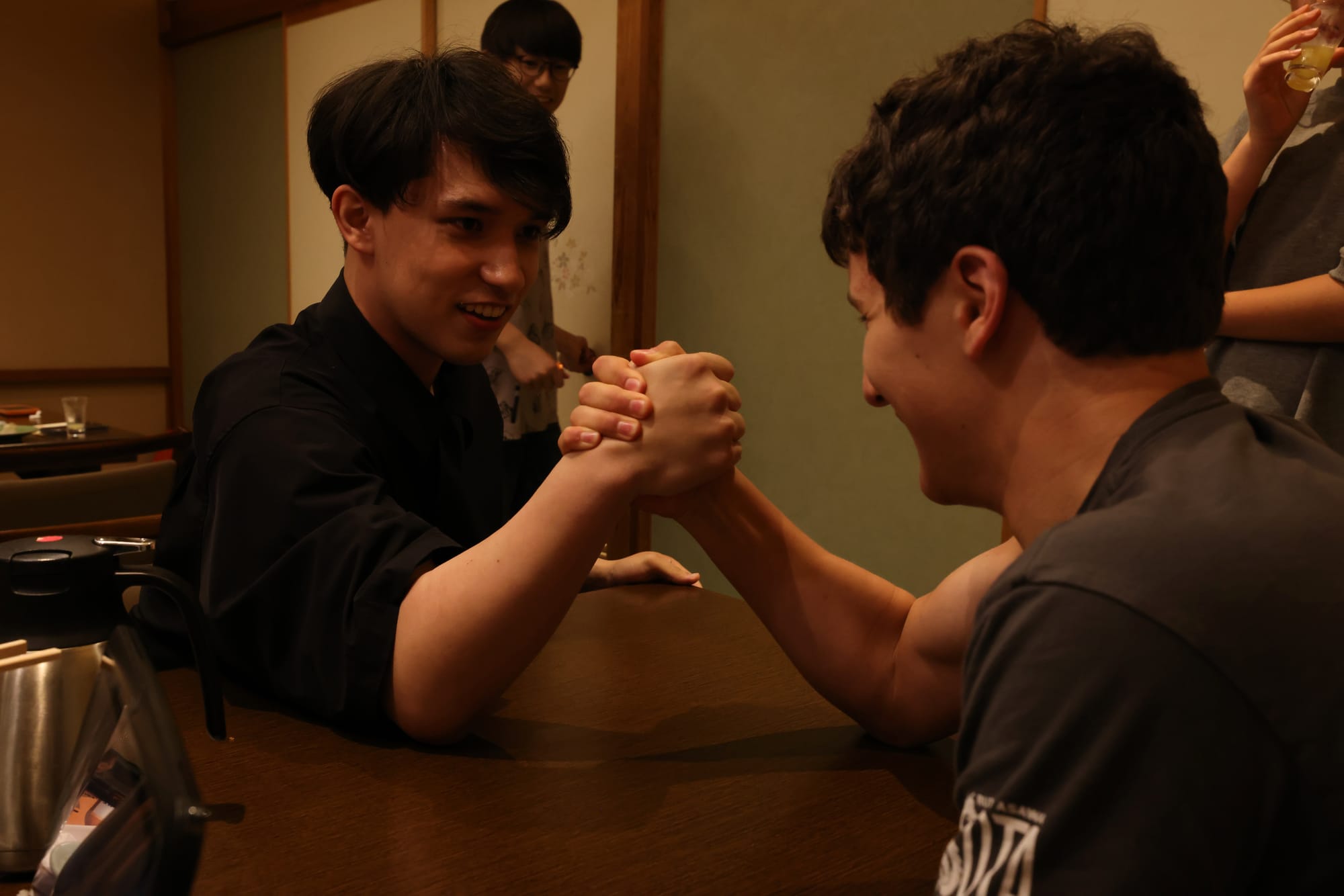
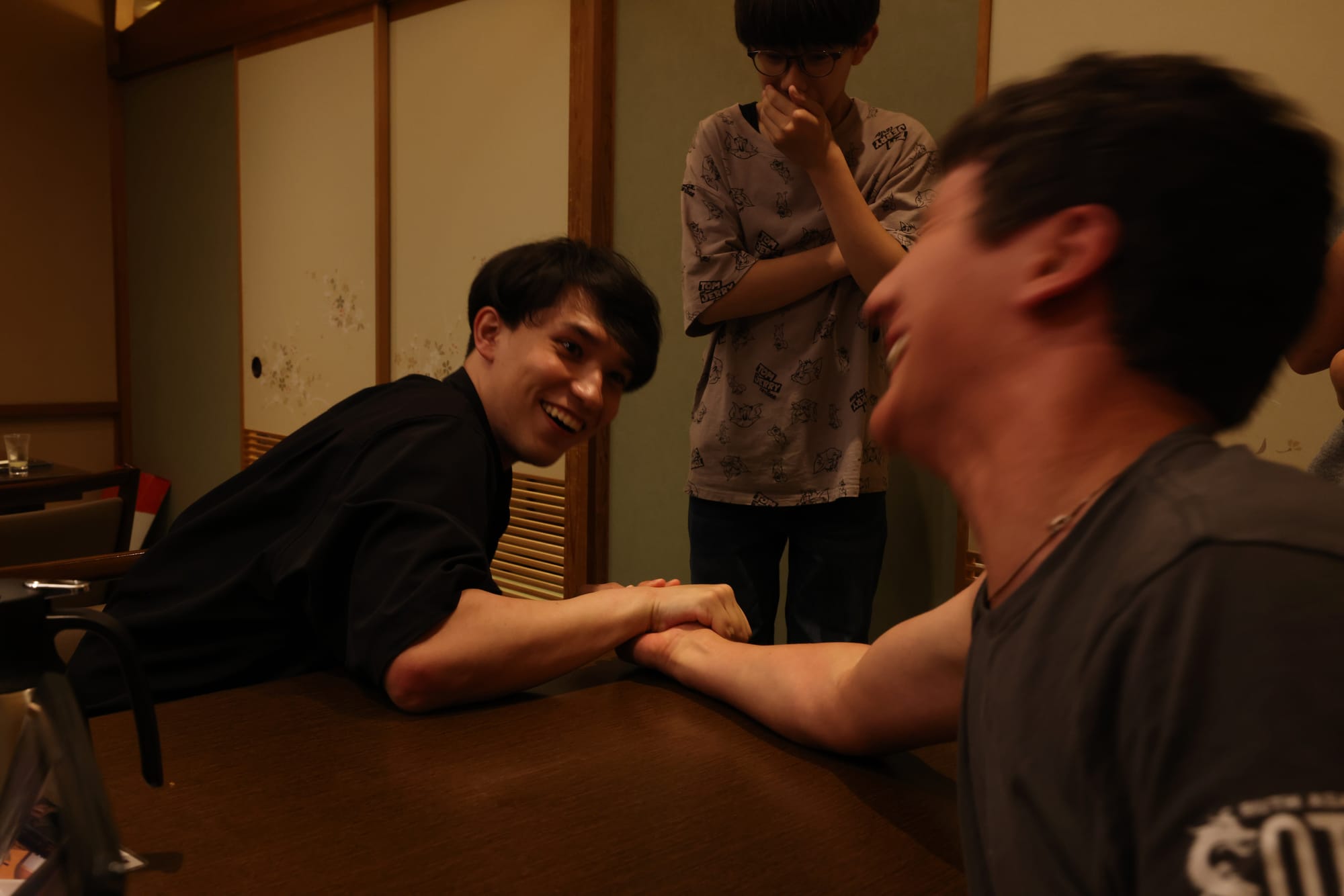
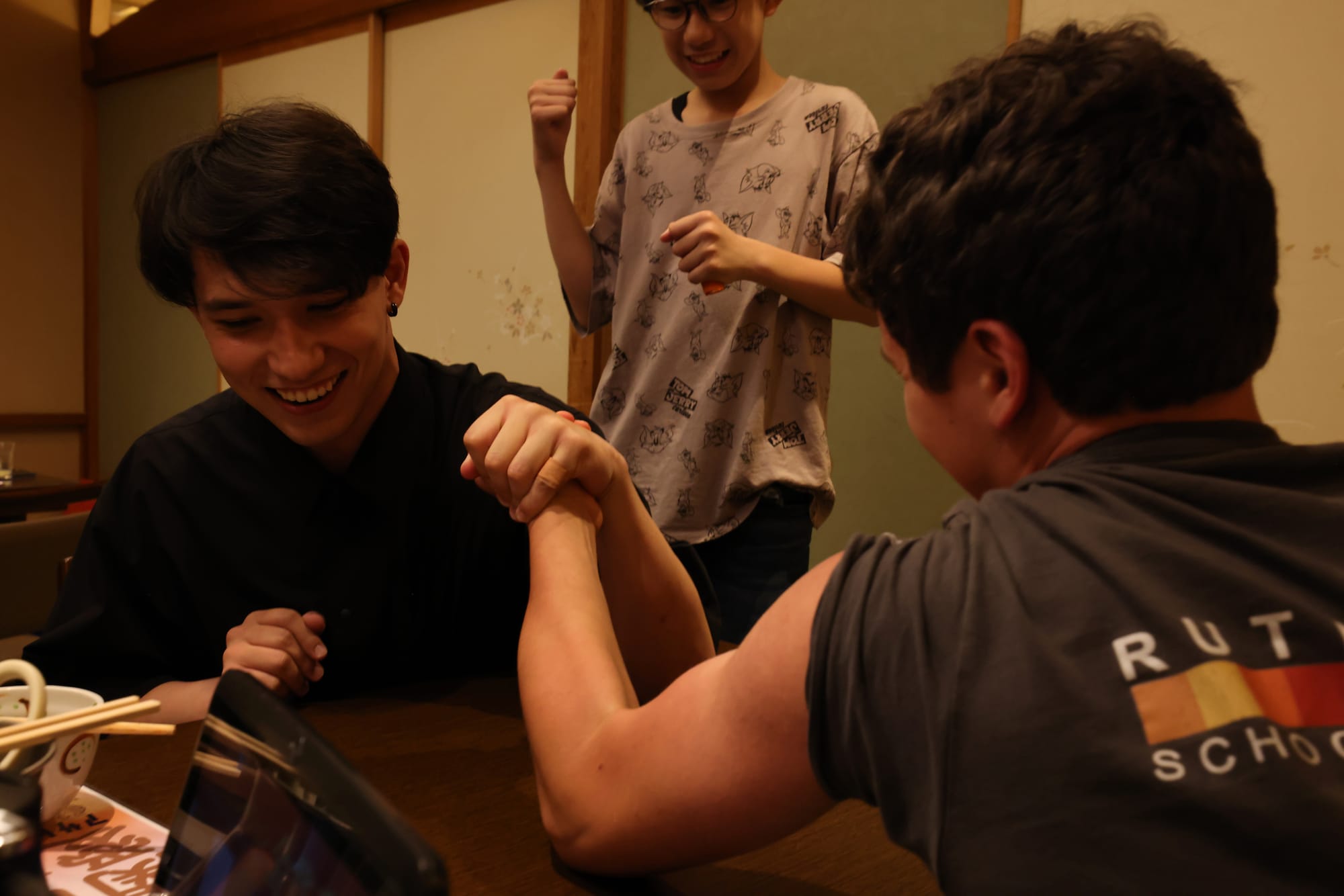
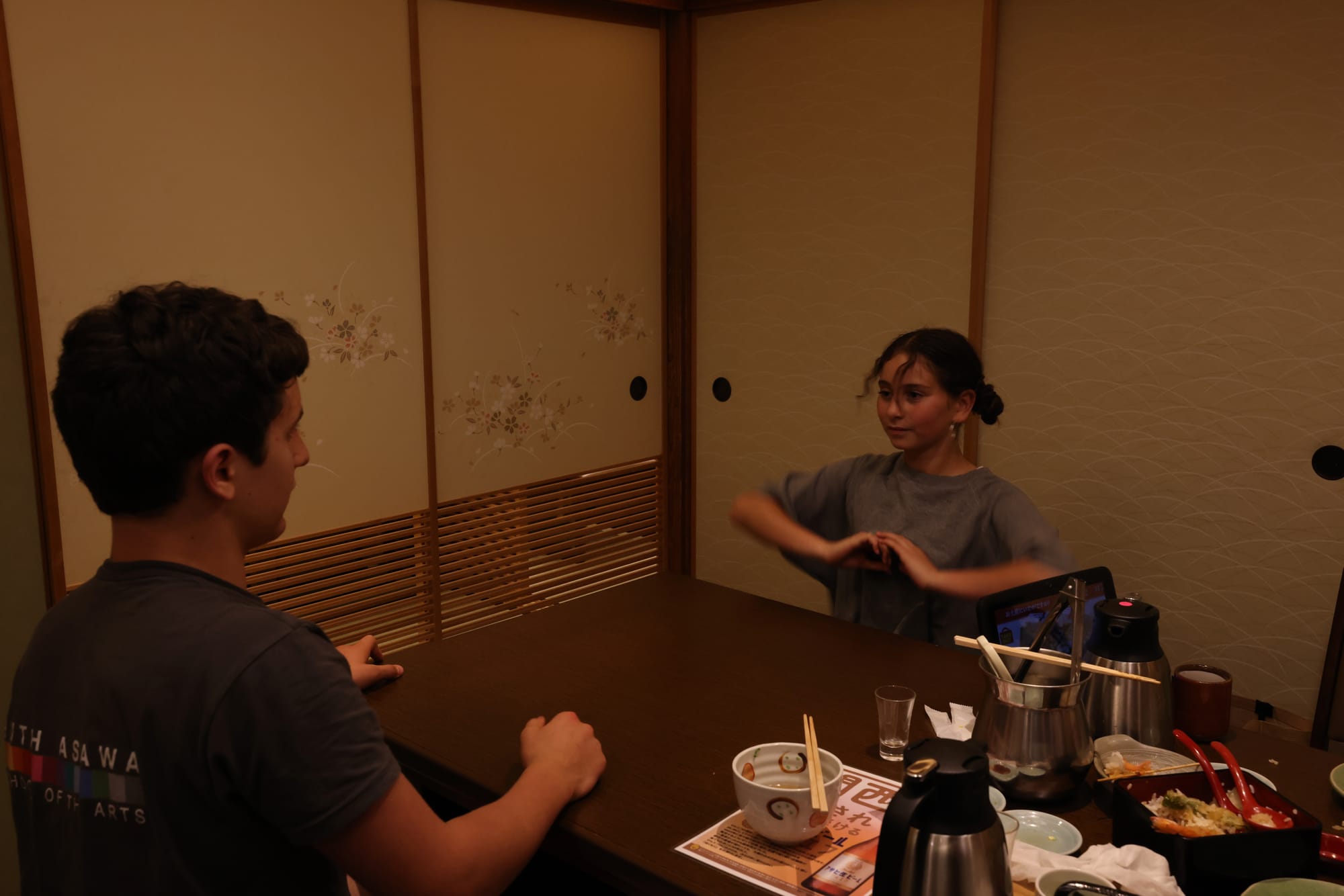
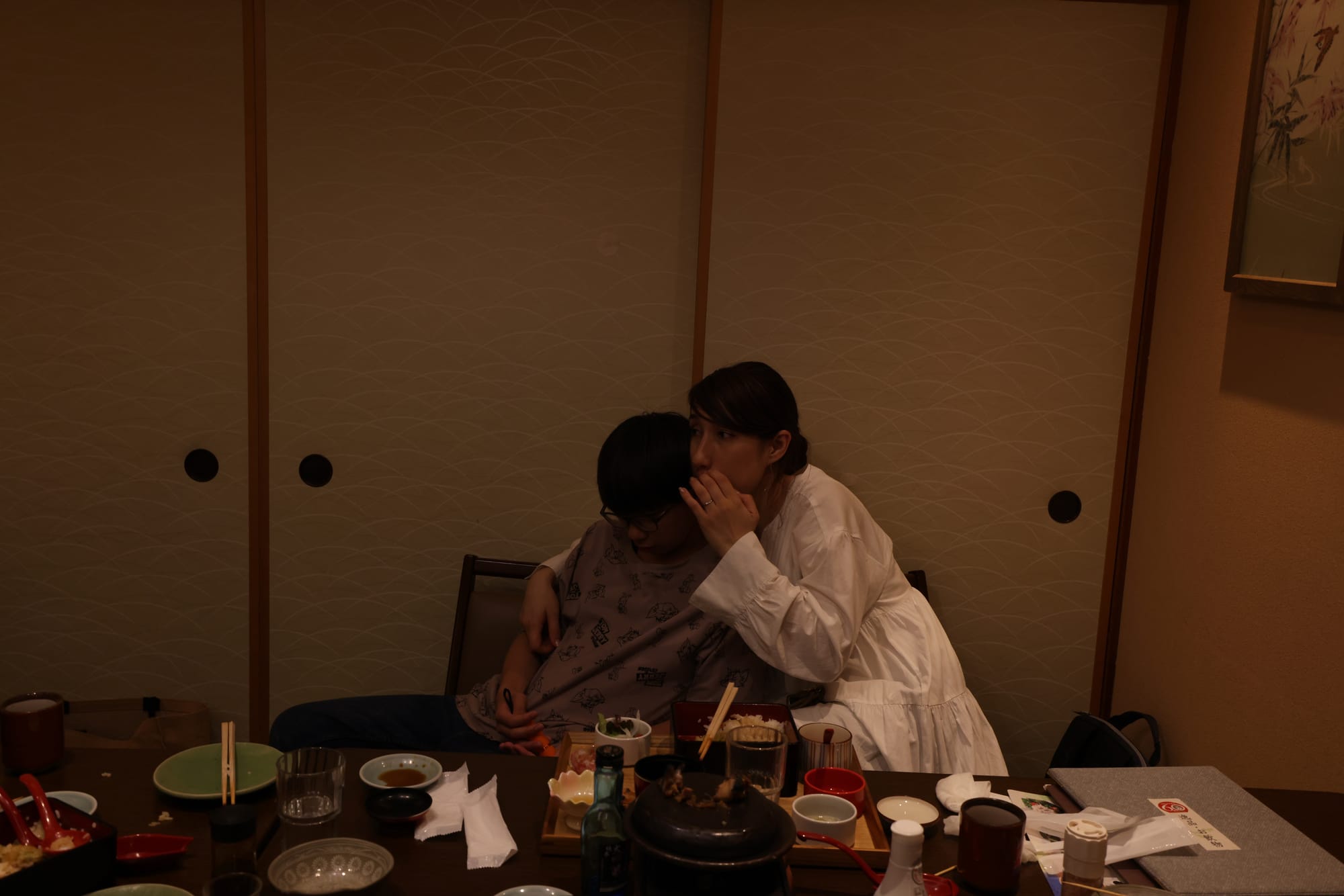
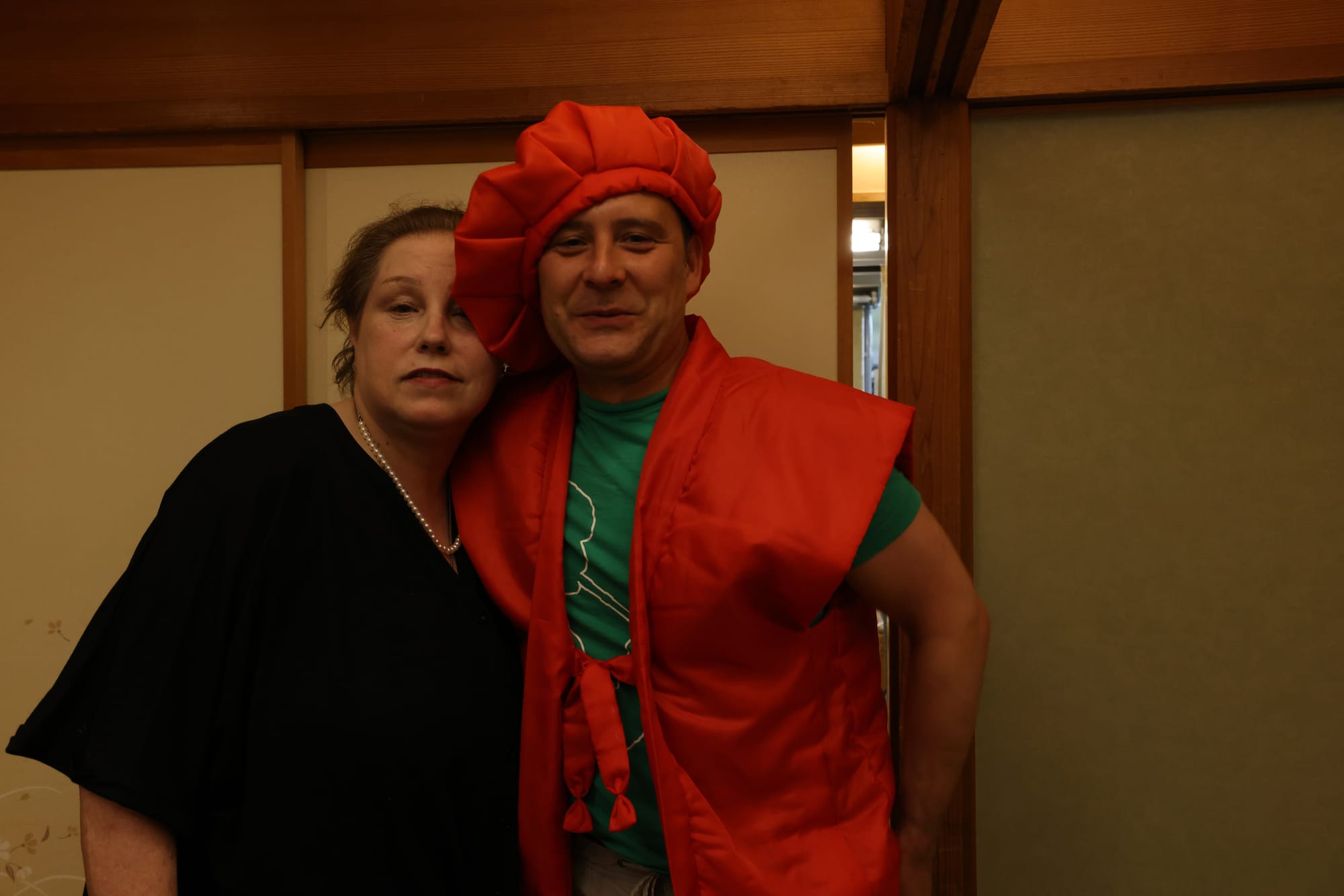
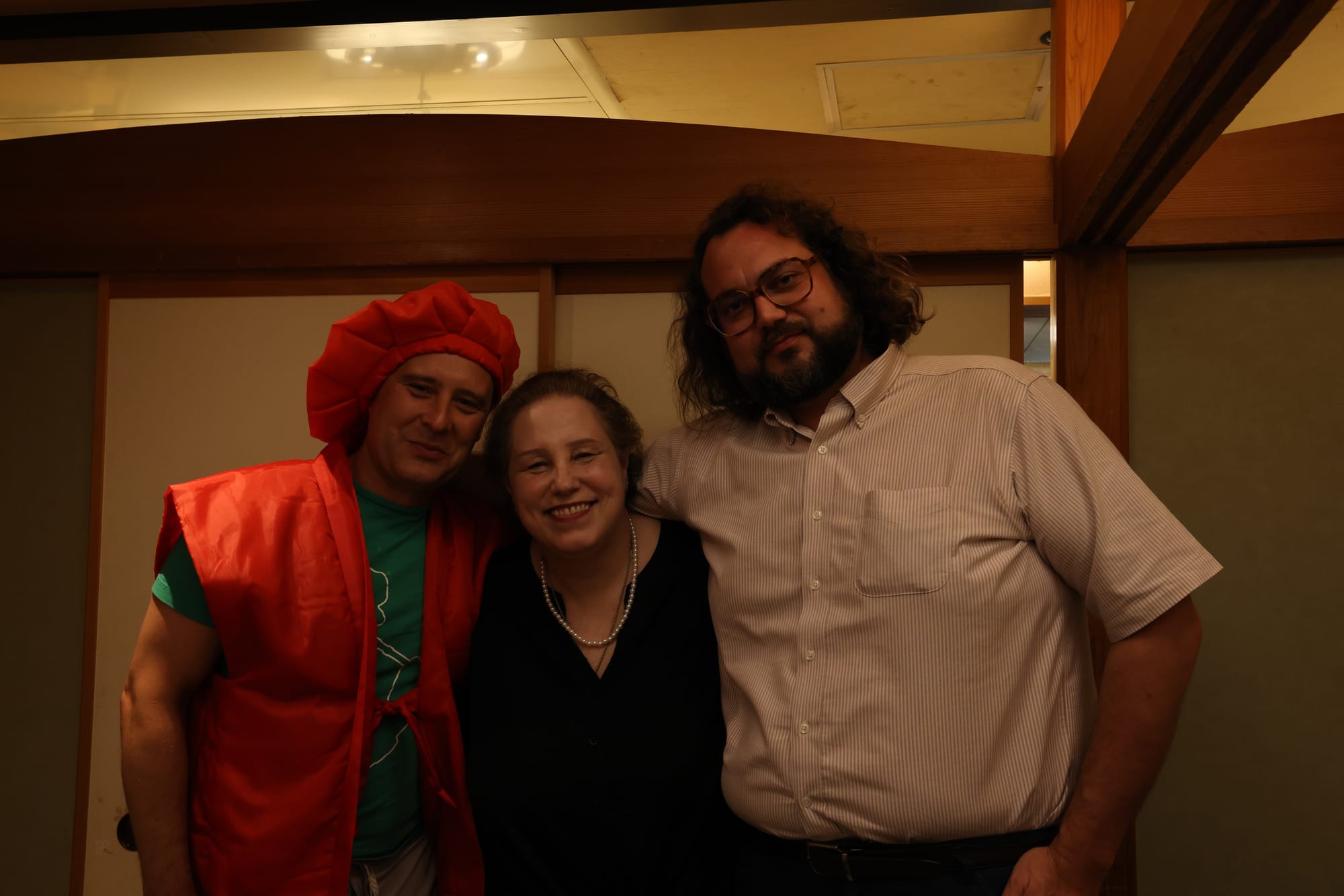
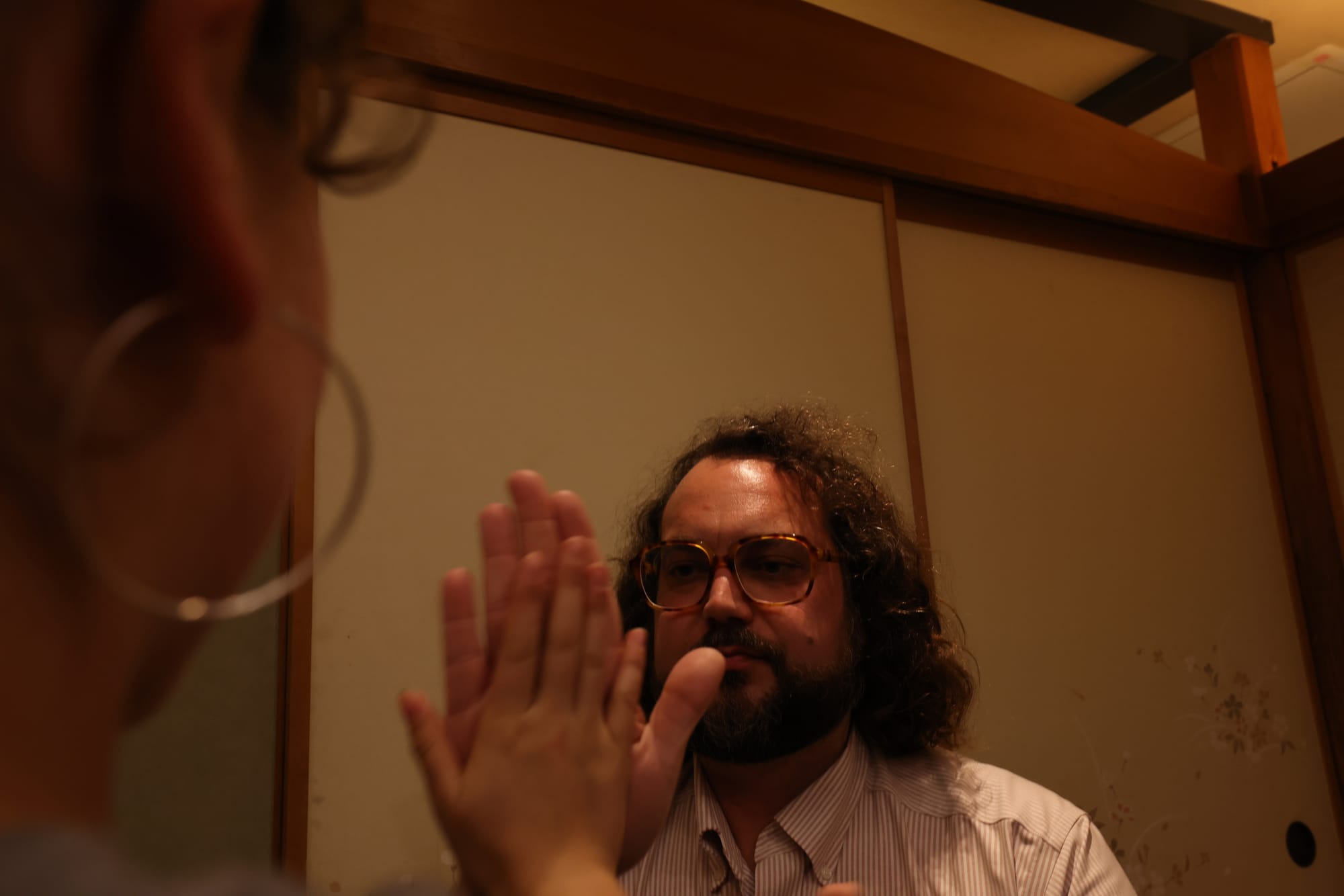
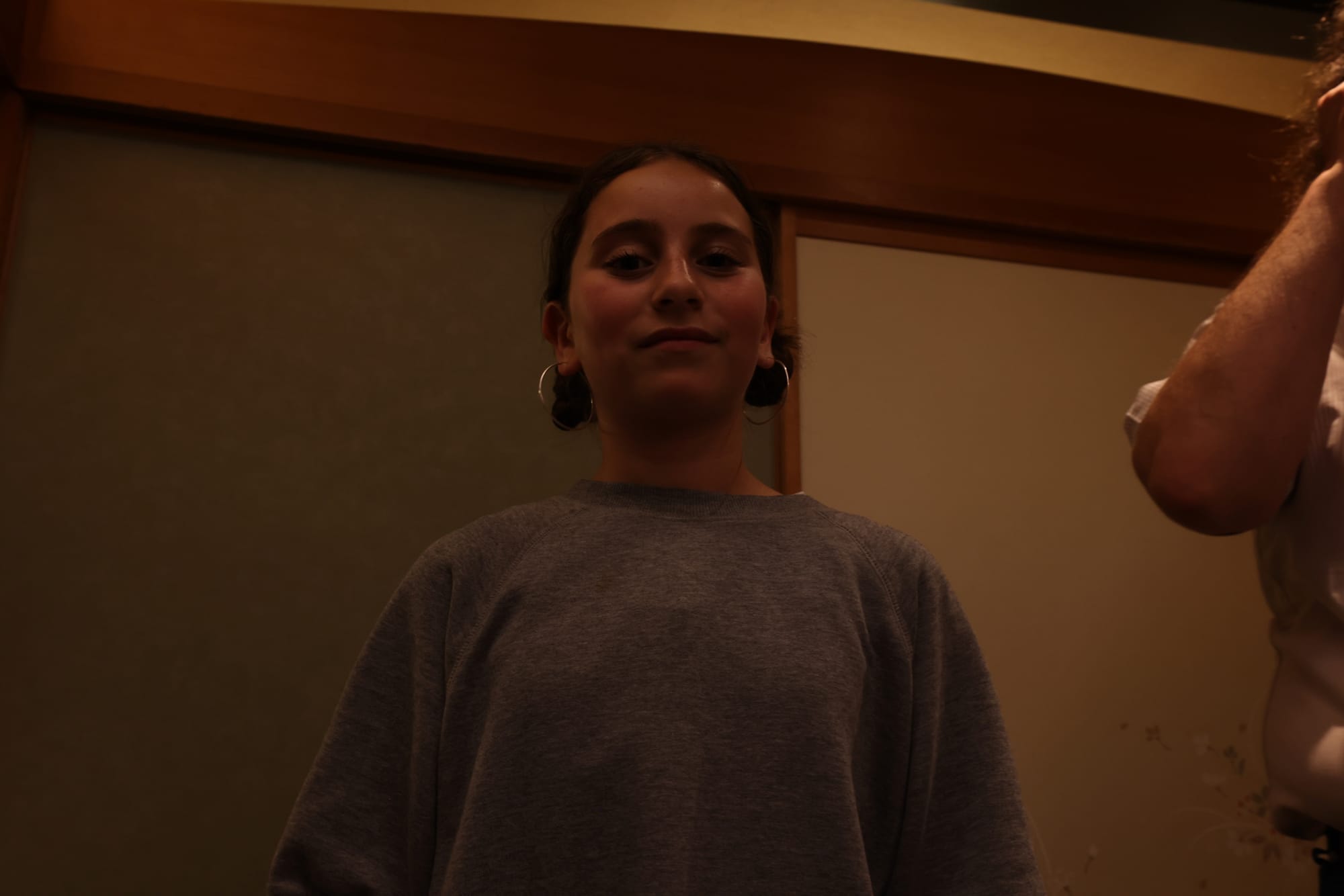
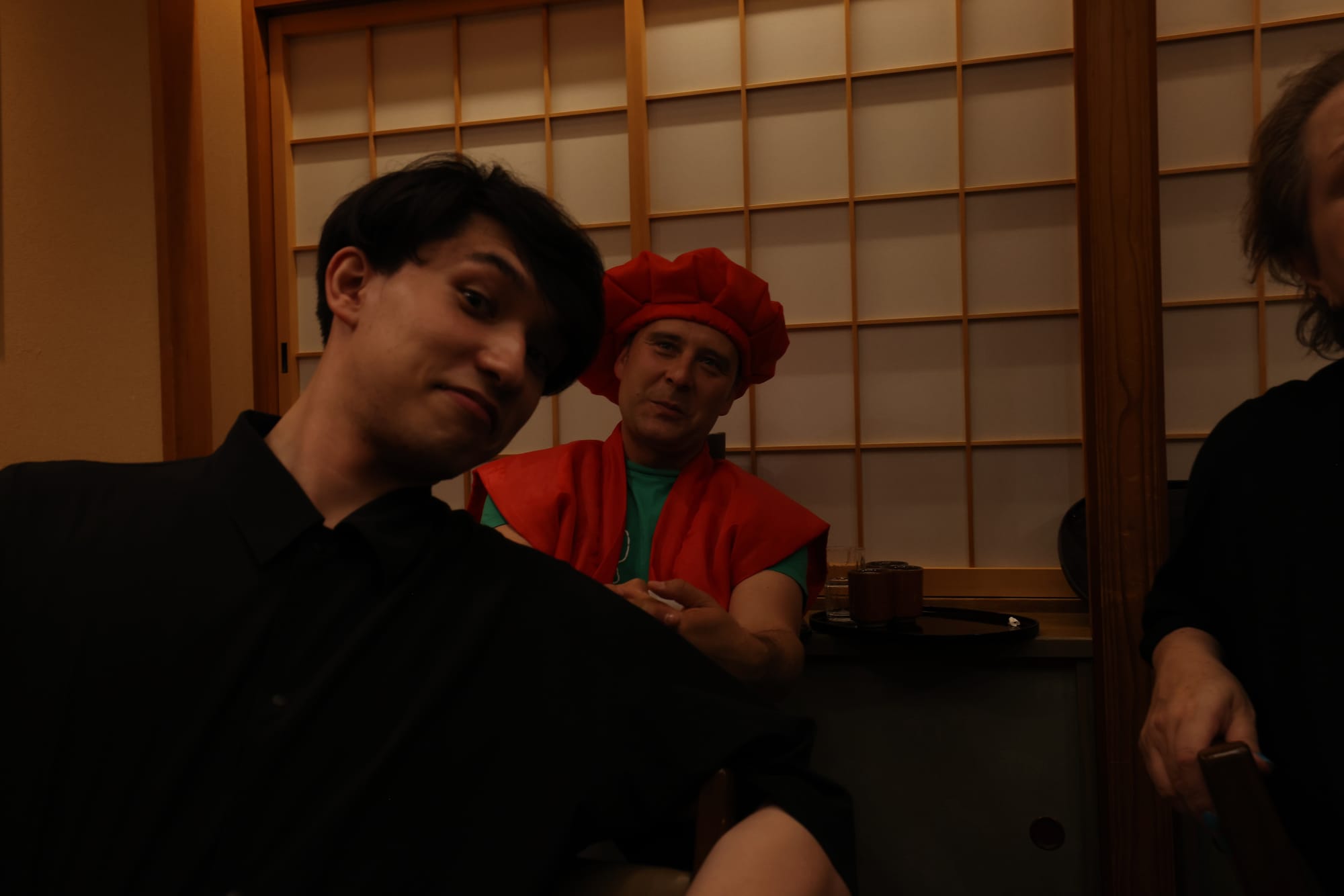
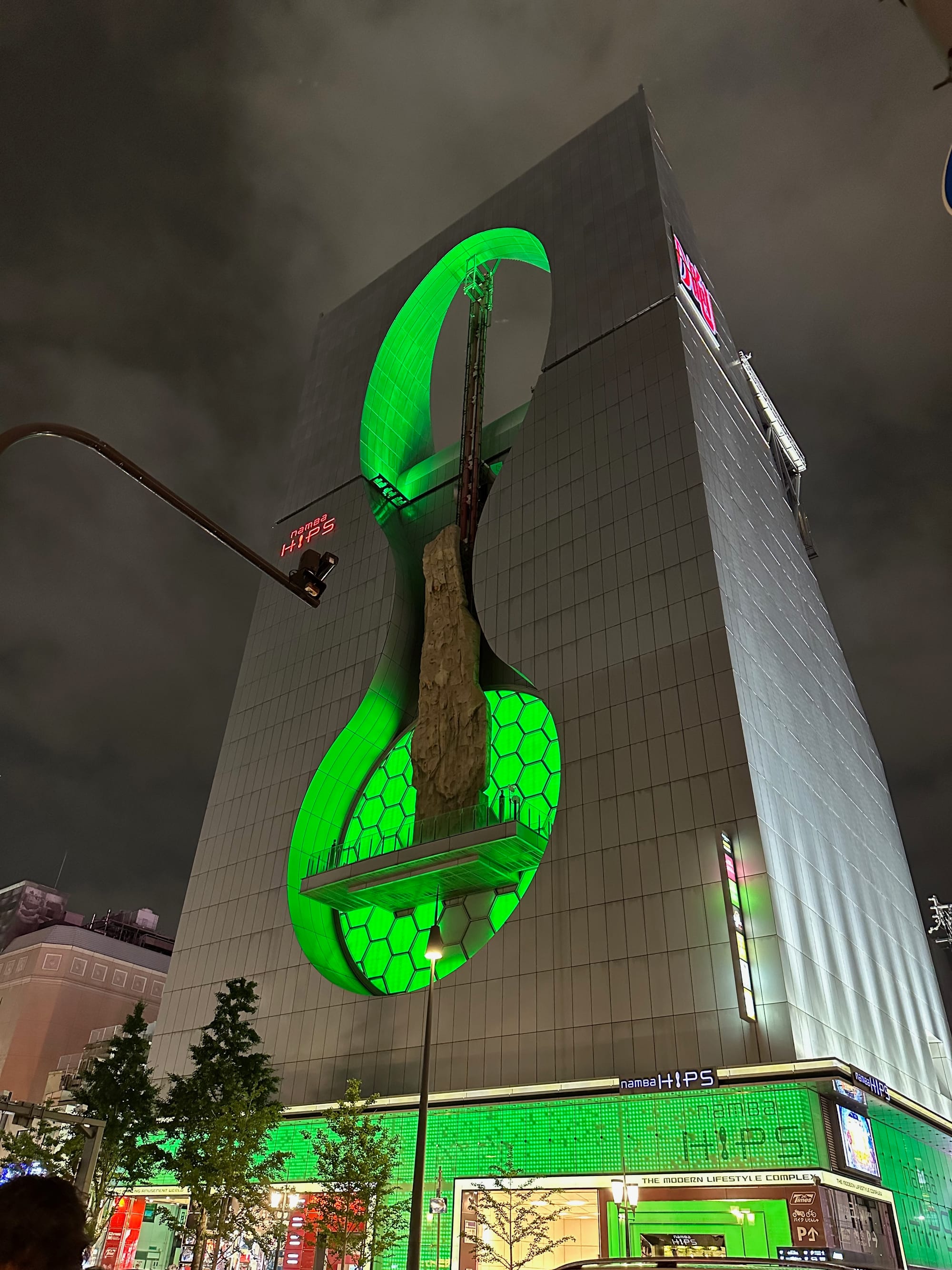
We spent several hours catching up, eating, and then goofing off. We had an amazing time, and left feeling that we had deep human connections in Osaka and our sense of close family had greatly expanded.
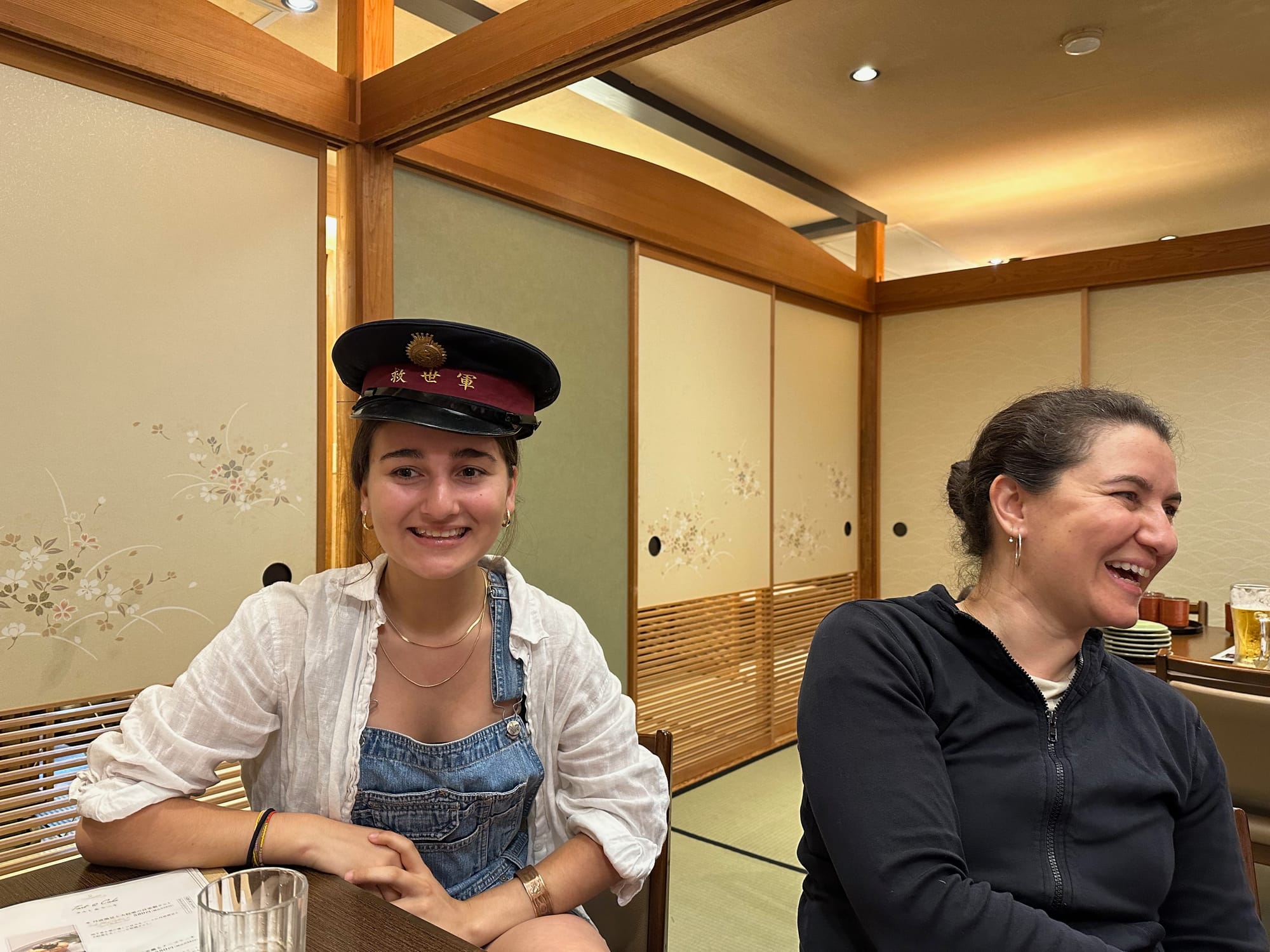

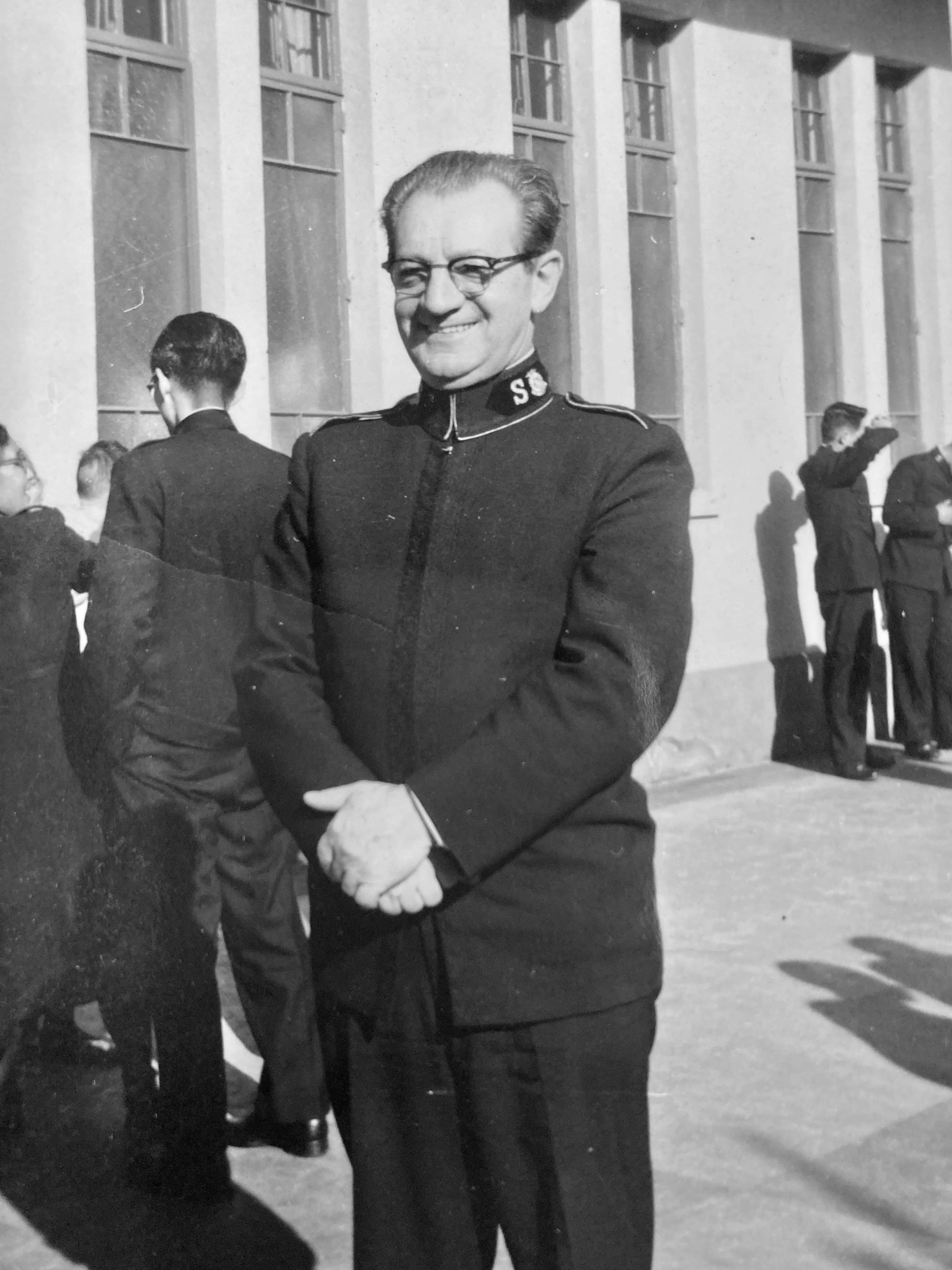
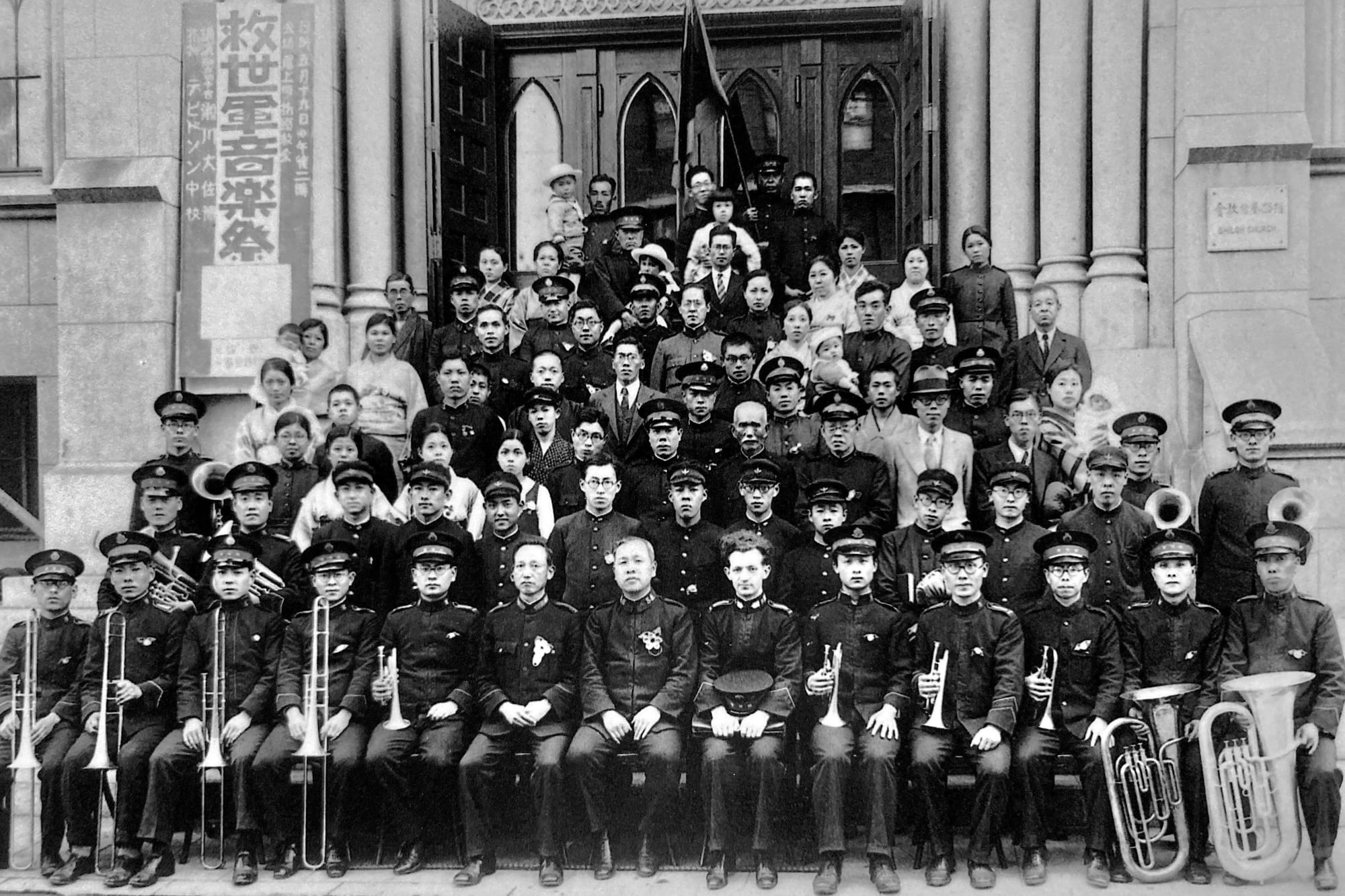
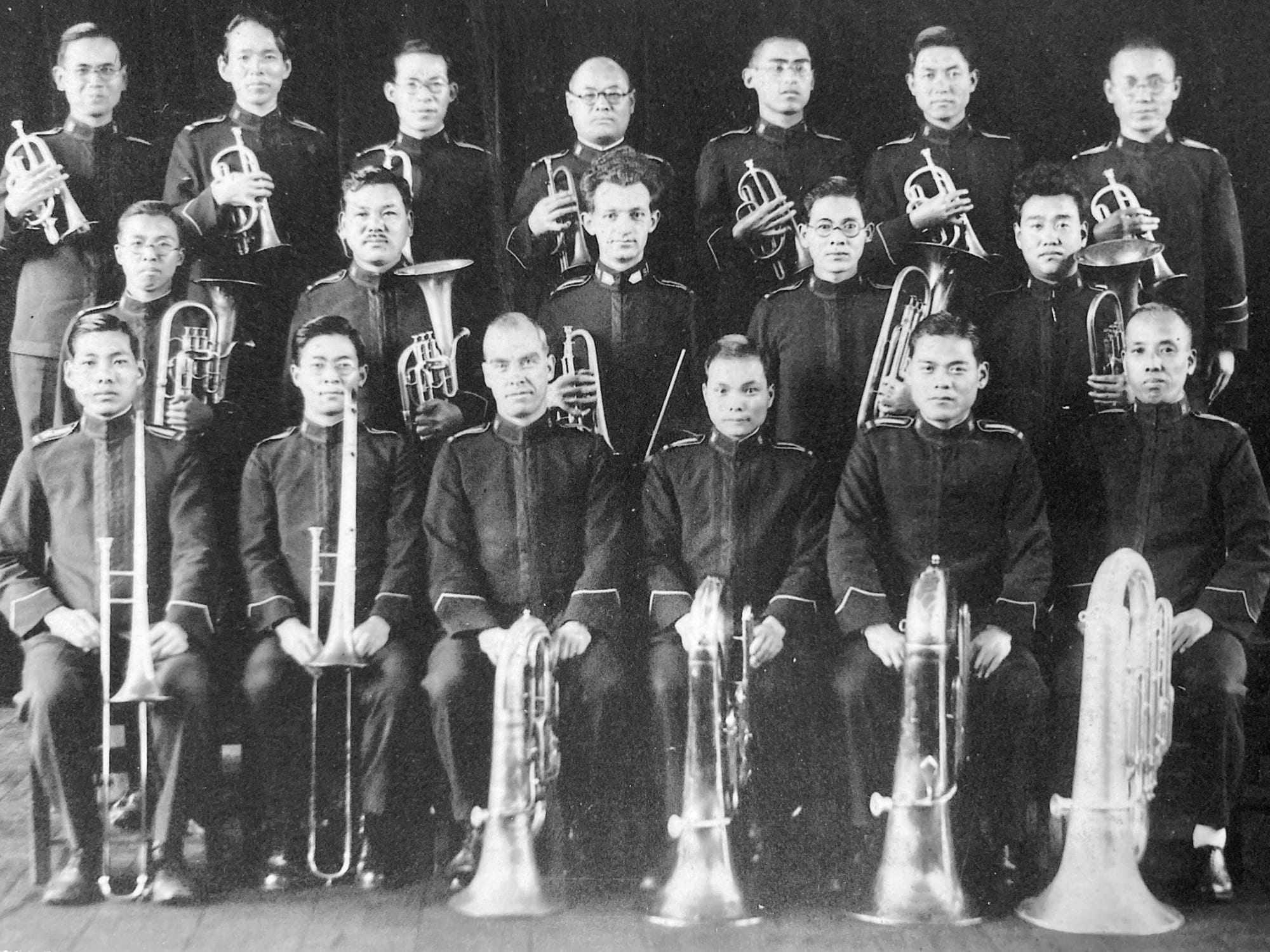
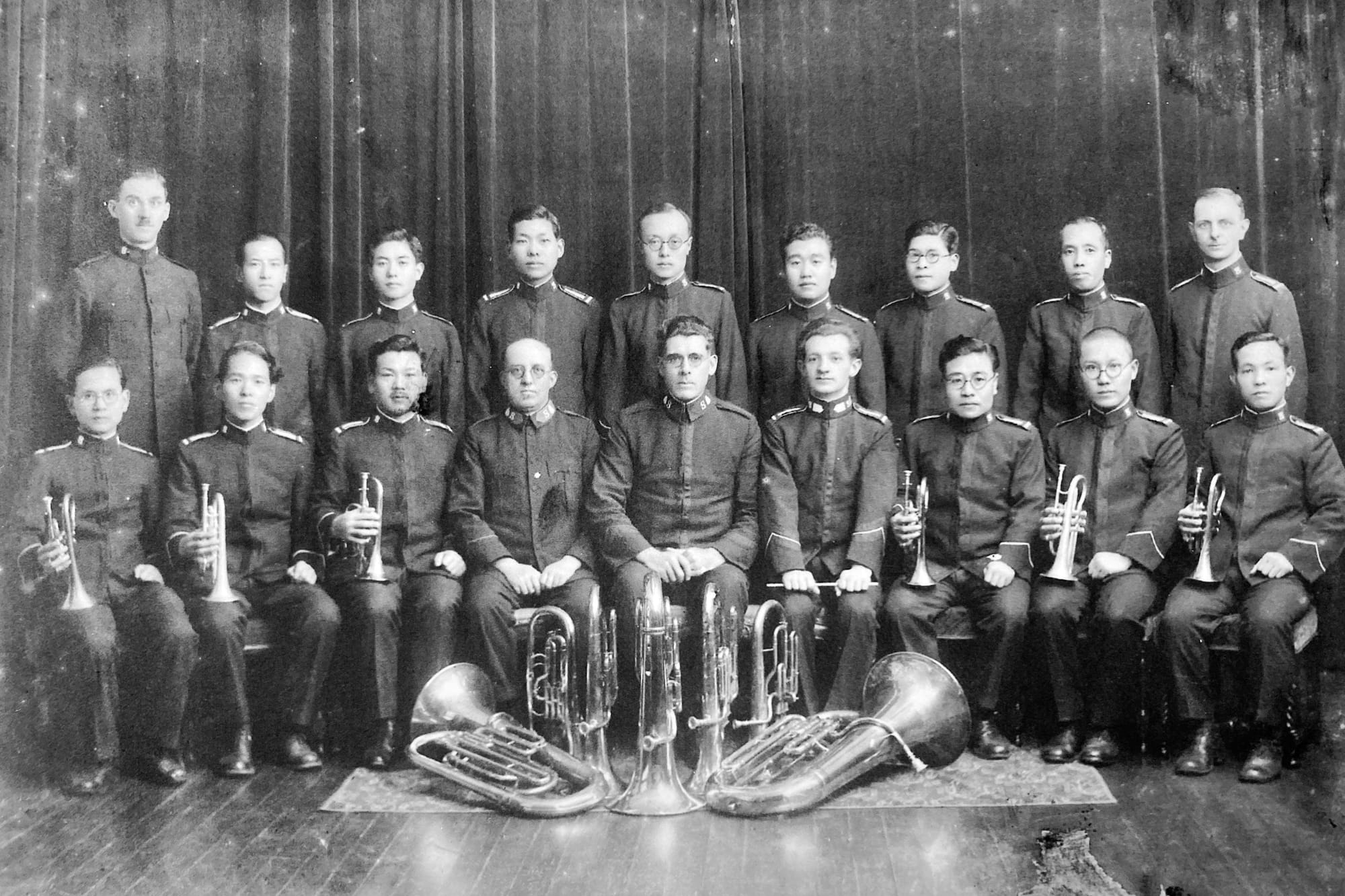
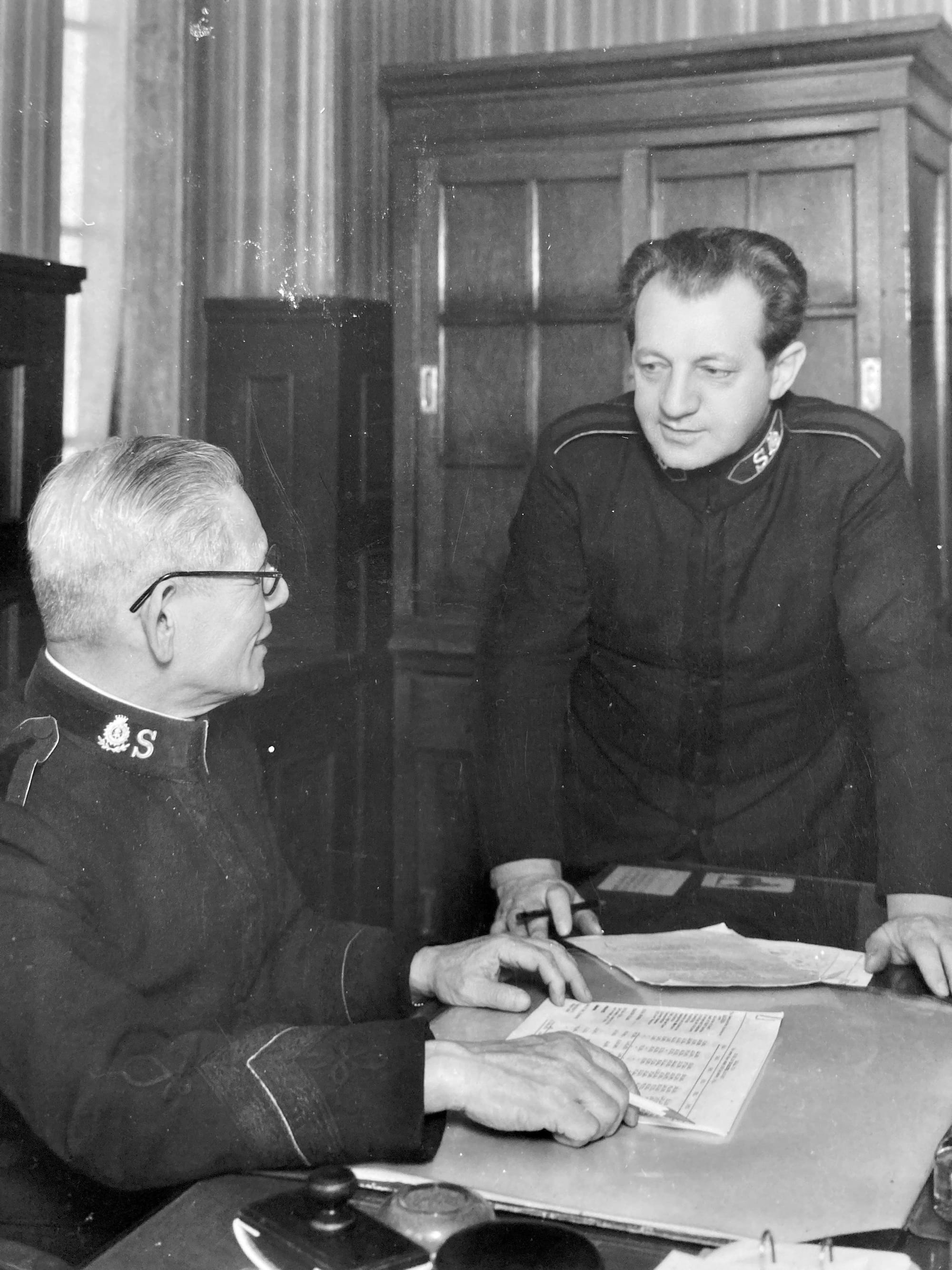
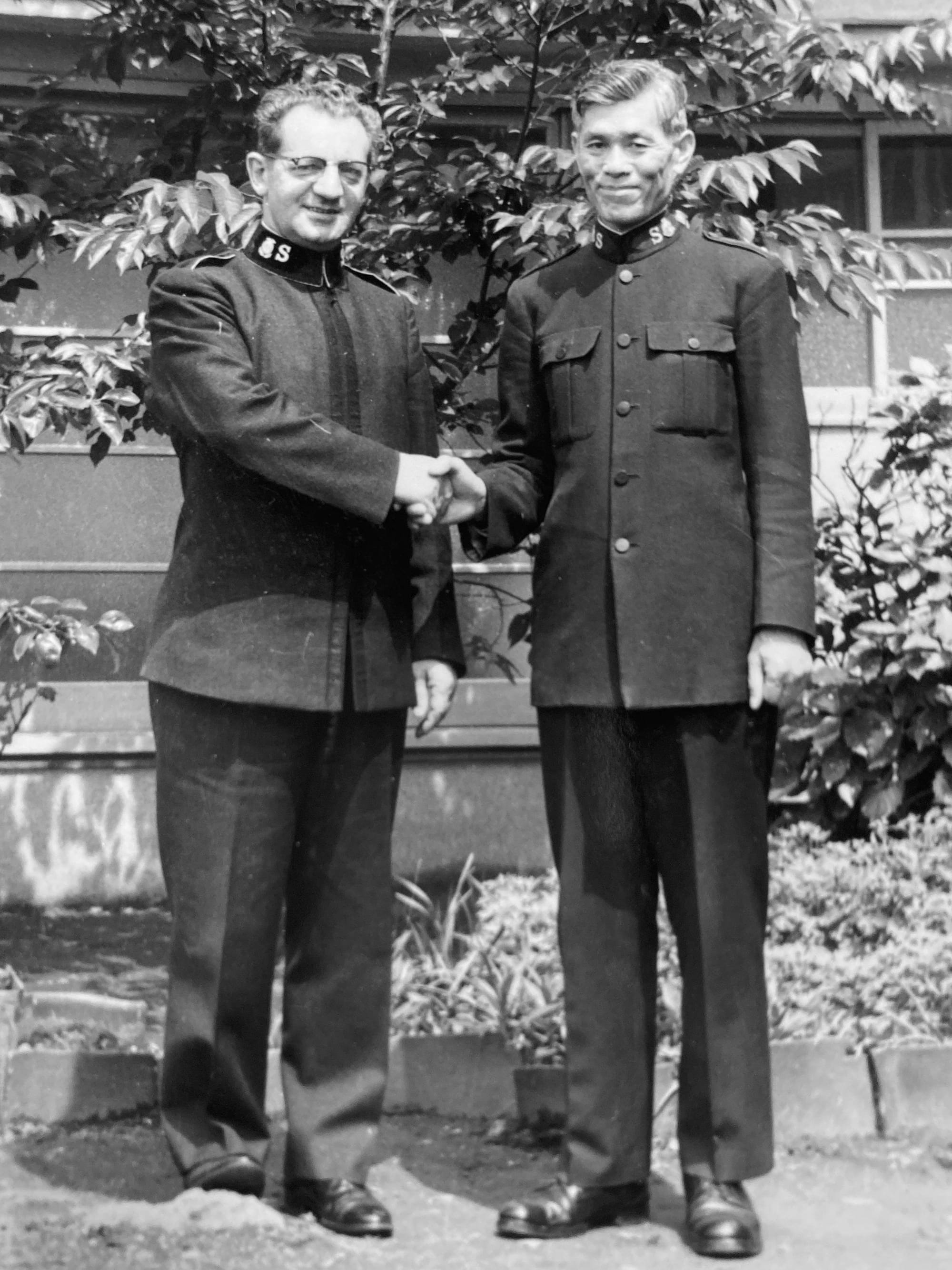
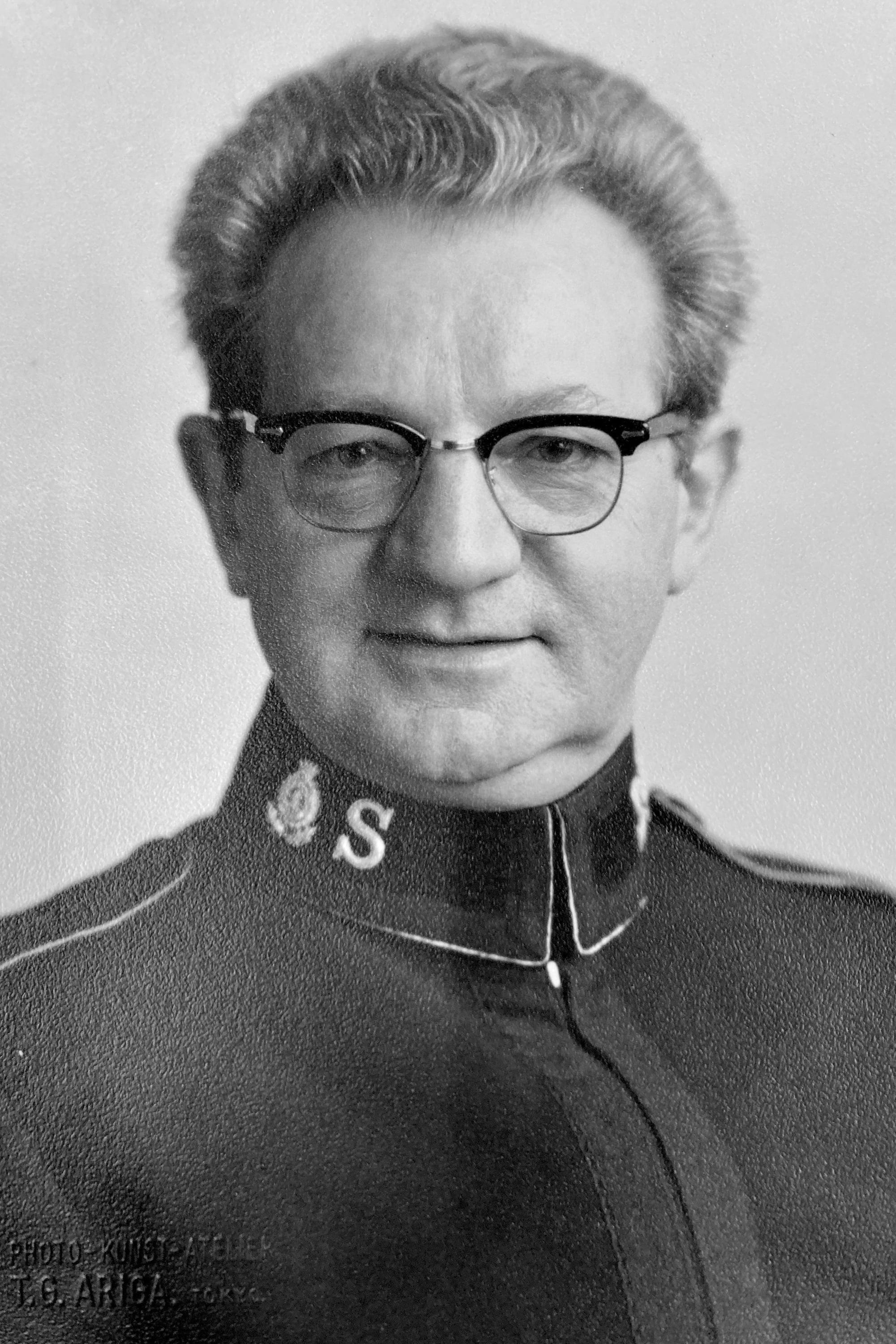
In addition to a wide range of stories that Vivien told about our family in Japan, and her and her parents' interactions with Charles Davidson (my great grand father) Vivien sent a file of amazing old pictures of Charles over the years in the Salvation Army.