Tuesday
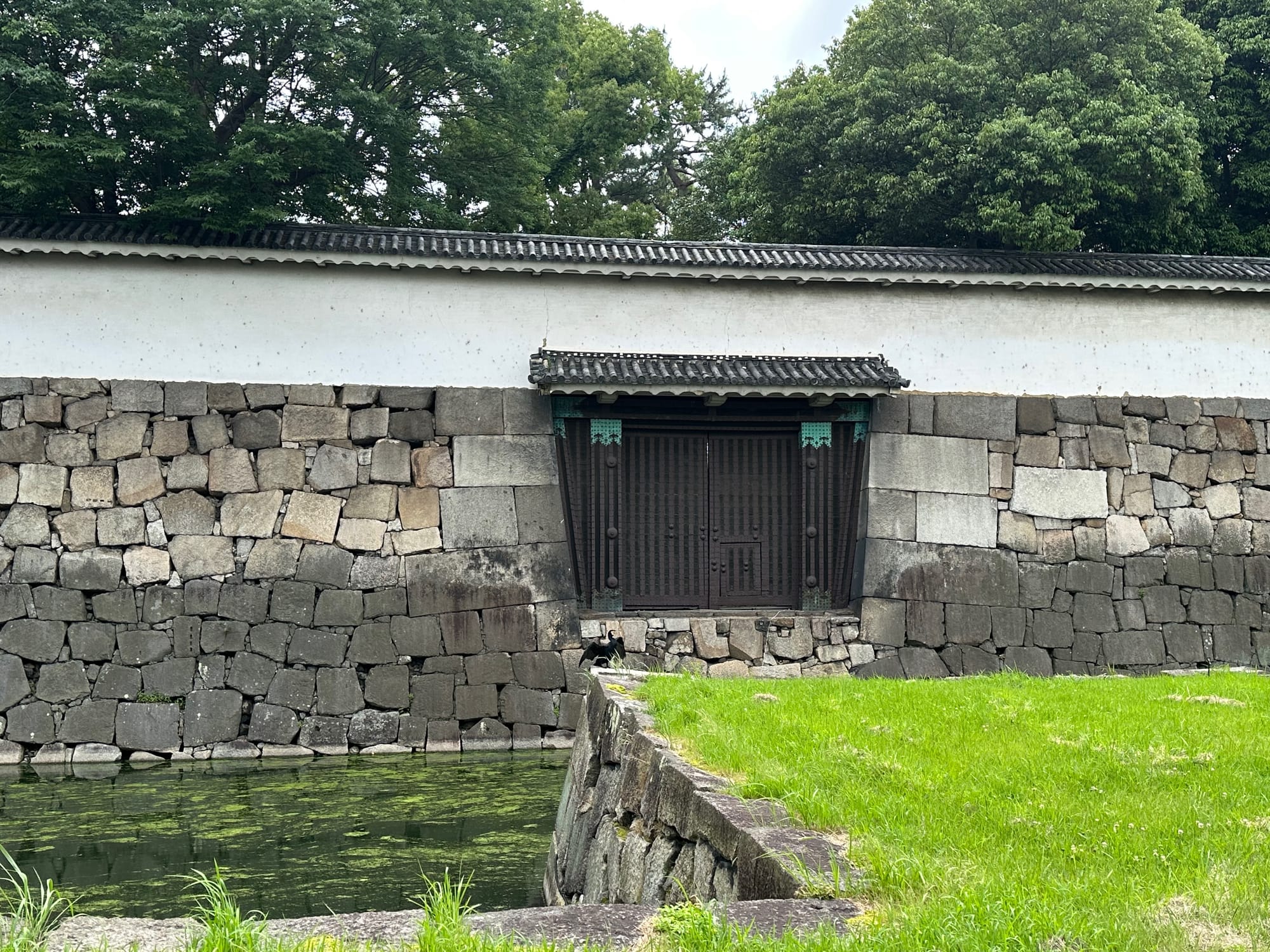
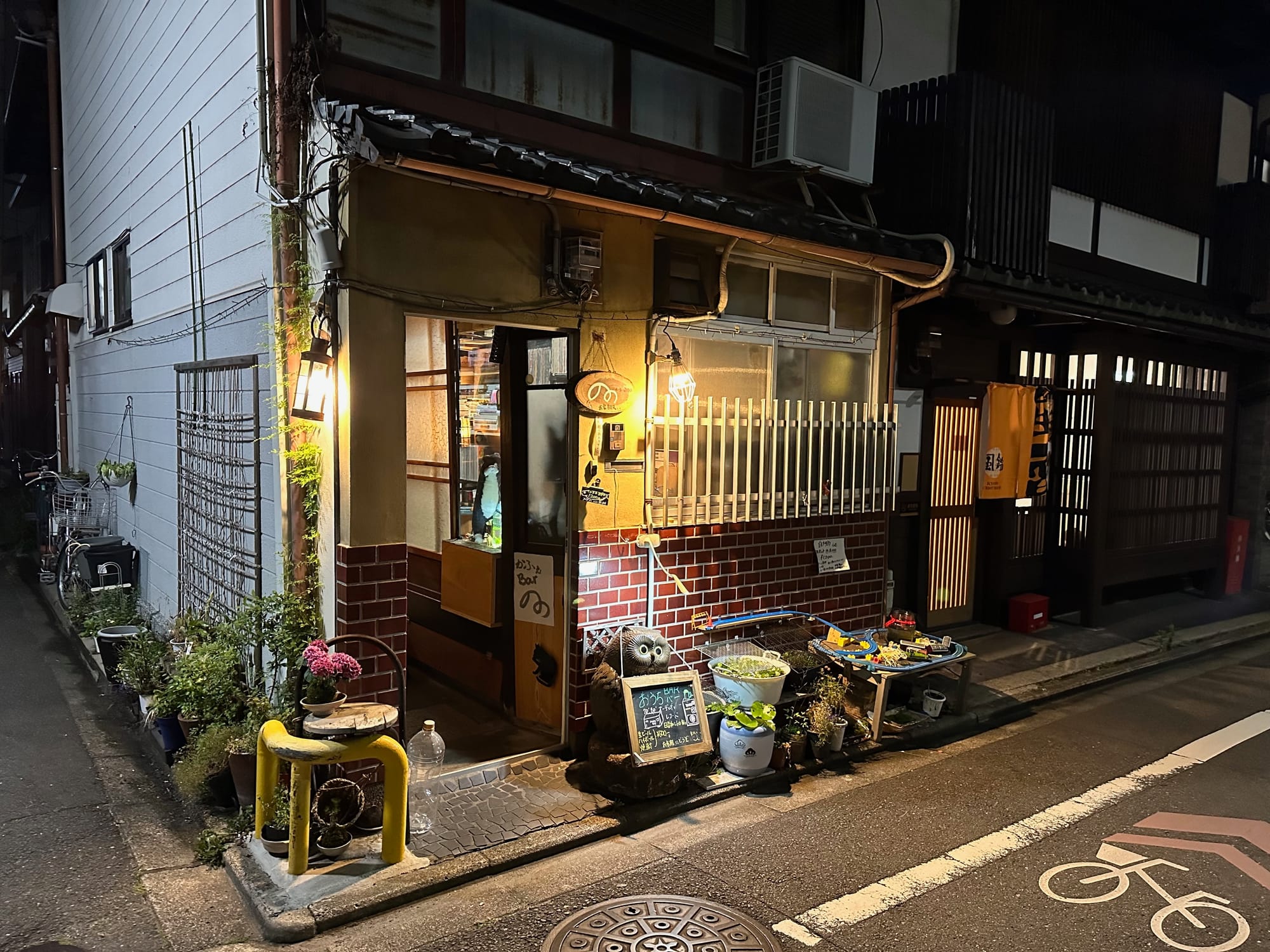
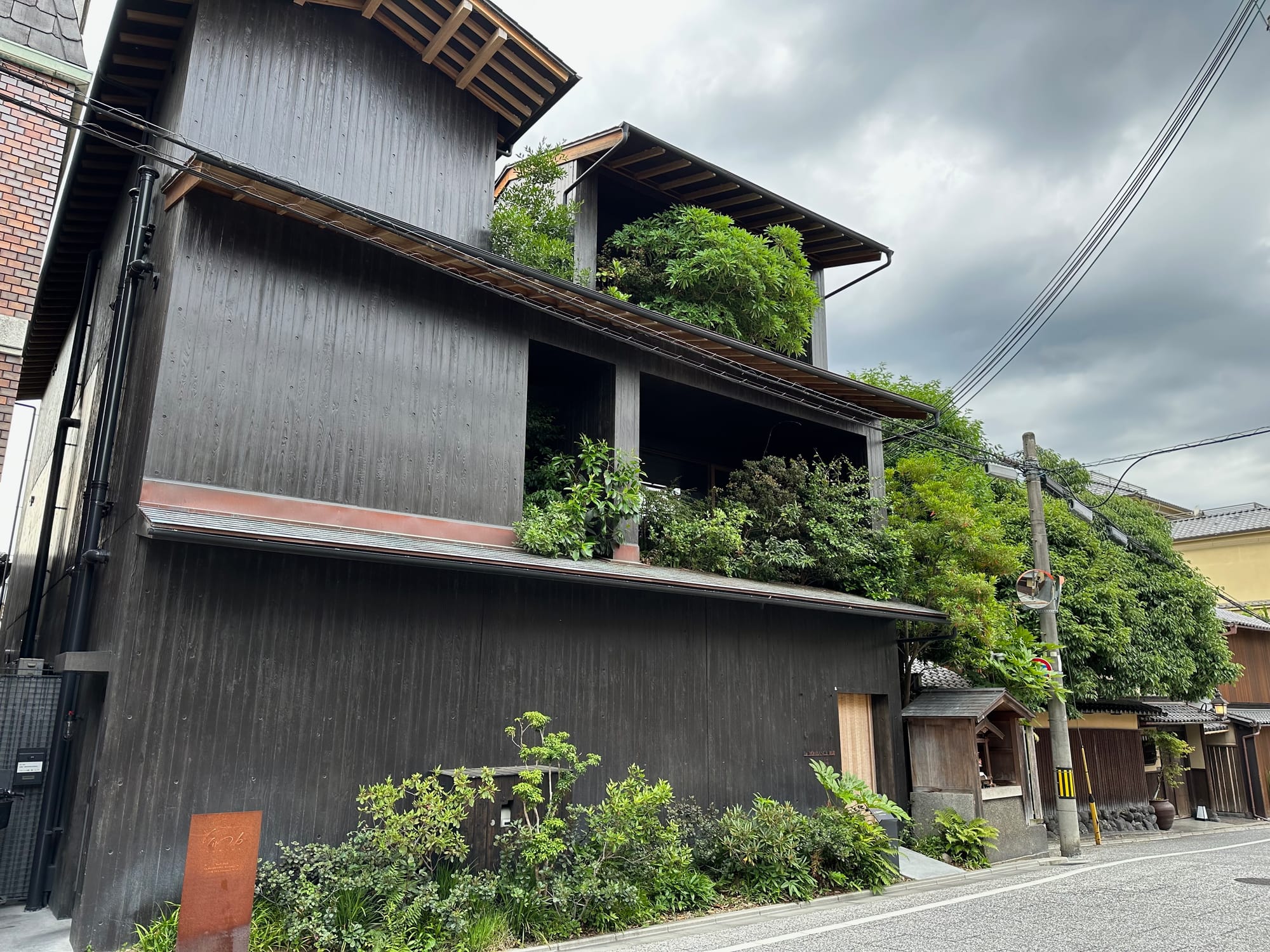
We were in Kyoto for three nights, staying in a very nice, updated traditional home in the center of town, a few blocks from Nijō Castle. We definitely noticed a rise in temperature in Kyoto, relative to Hiroshima.
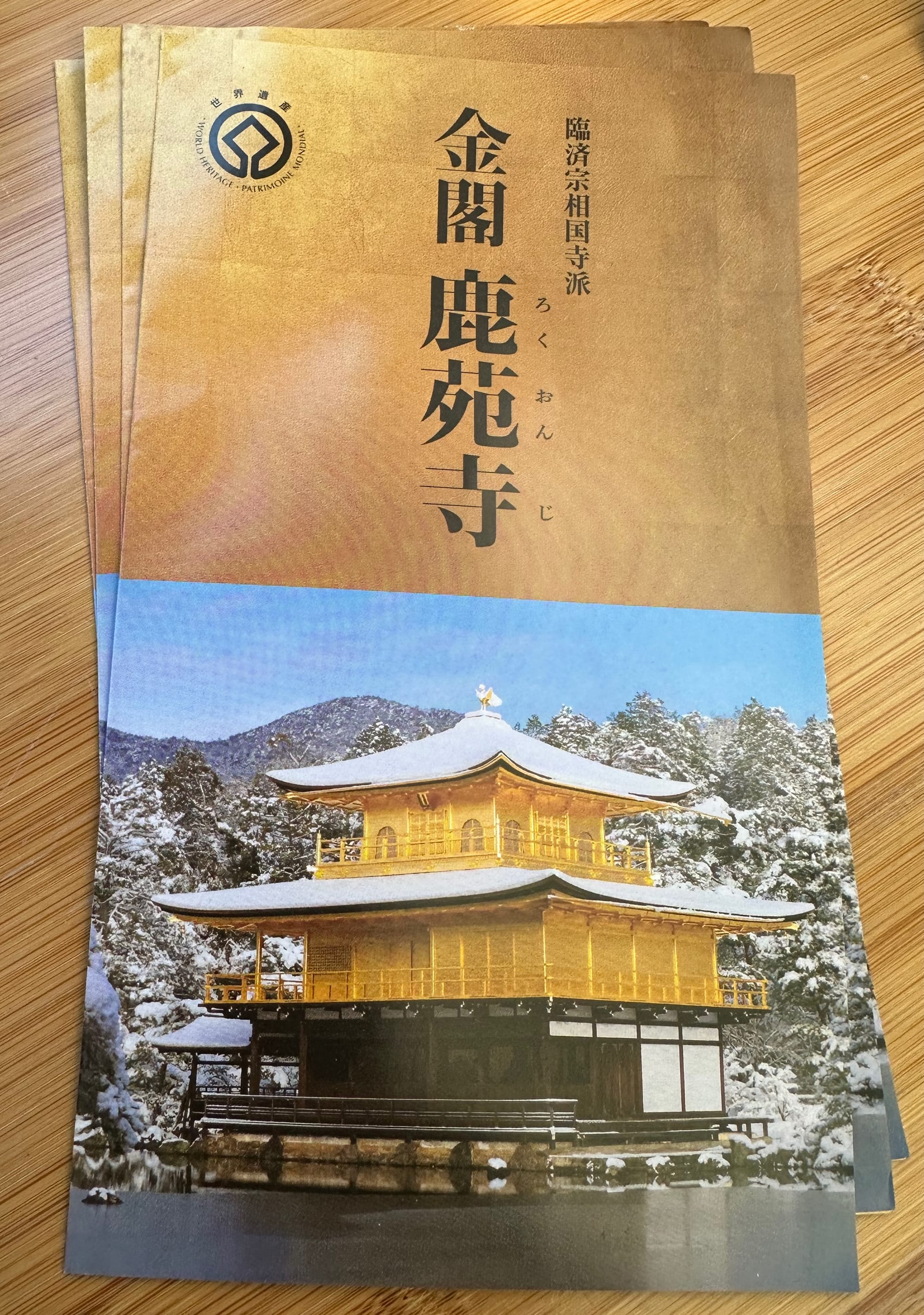
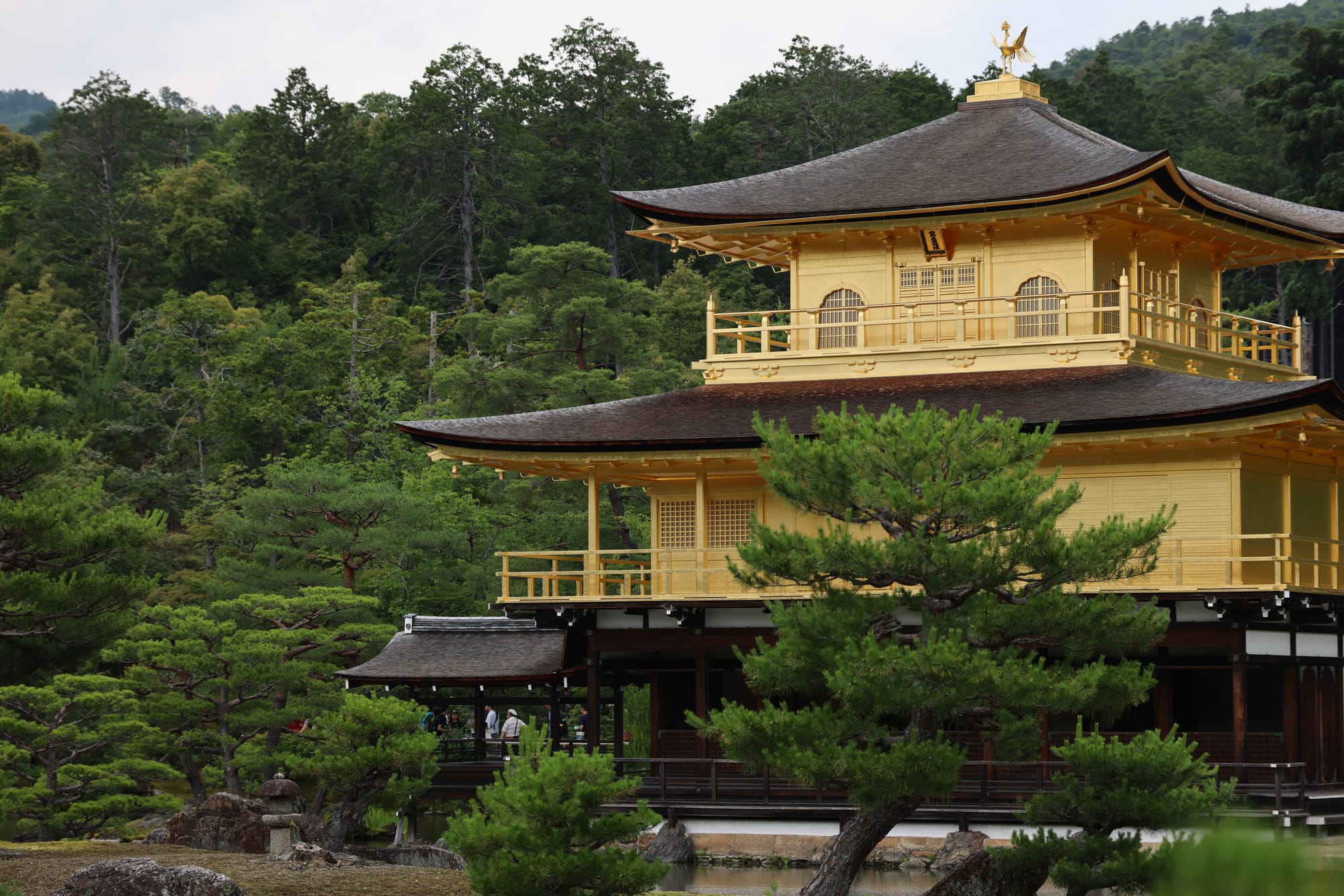
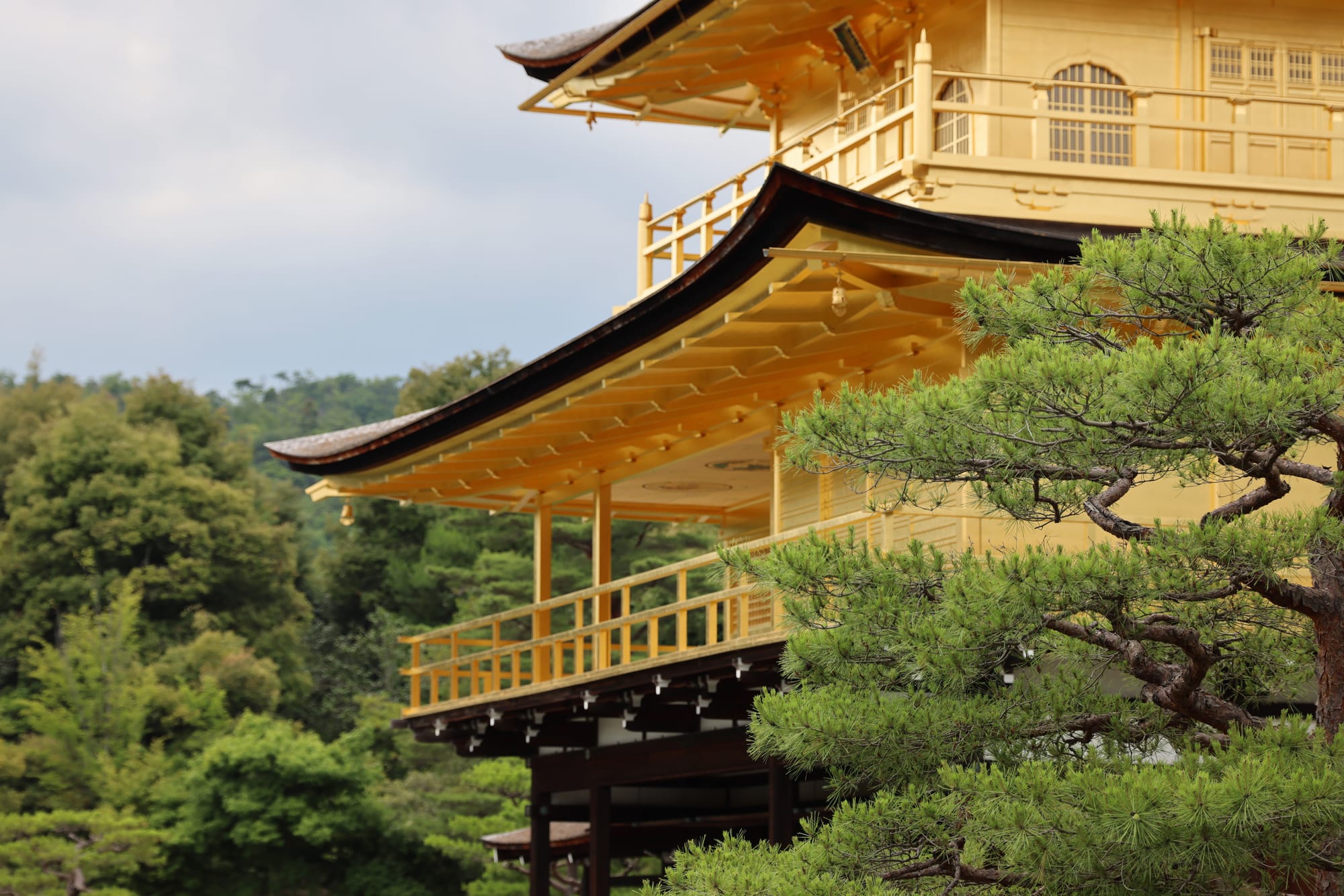
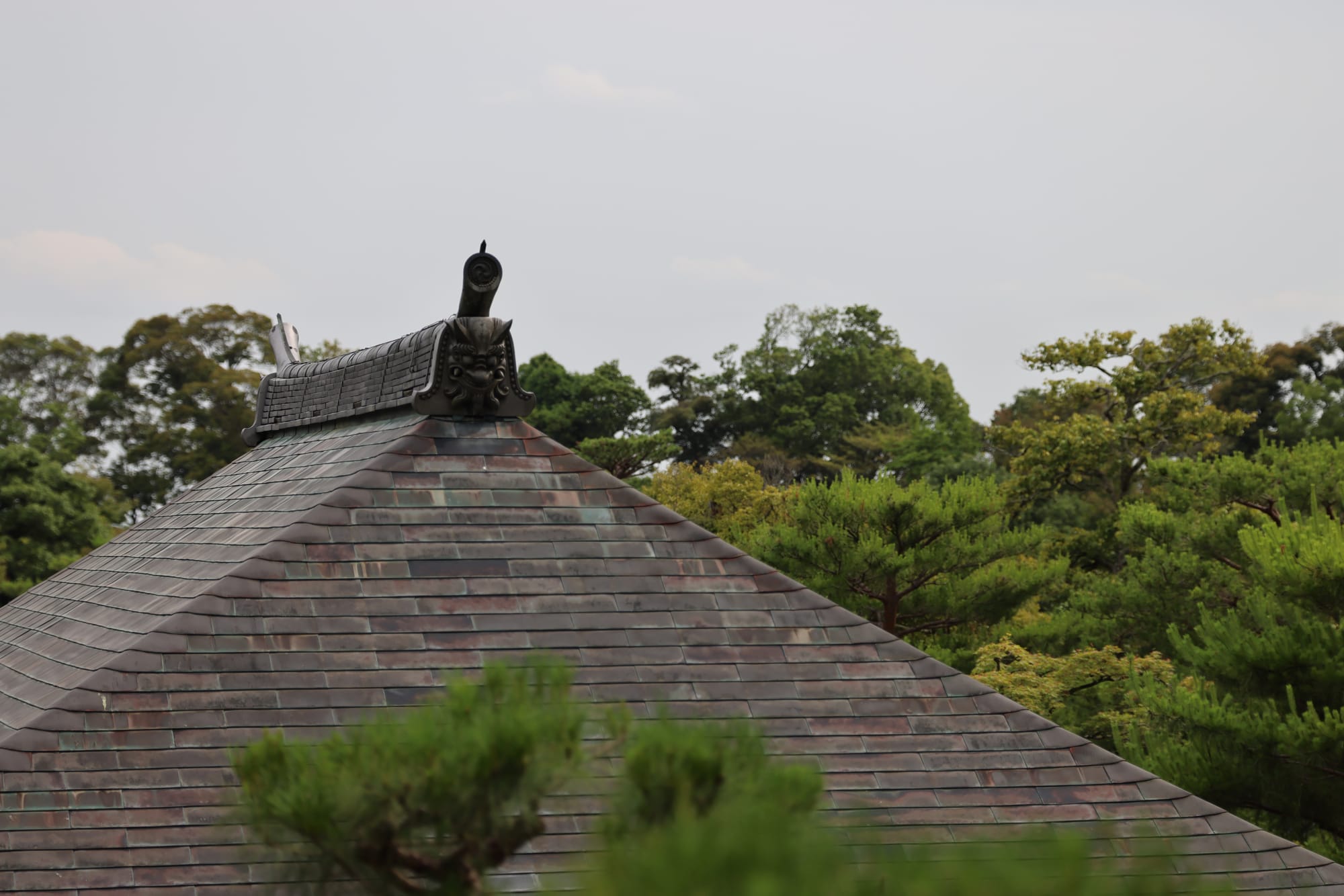
We started our tour of the city sights with Kinkaku-ji, the Golden Pavilion, which is located pretty far away from the other sites, in the far northwest. The pavilion is located on grounds that include a series of other sites (check the guide). The pavilion itself is very striking, and the garden around the structure (Rokuon-ji) is quite famous and known for their use of moss. There is a wonderful tea house at the end of the walking path, which we didn't visit this time, but knew from our visit twelve years earlier.
Kinkakuji (金閣寺, Golden Pavilion) is a Zen temple in northern Kyoto whose top two floors are completely covered in gold leaf. Formally known as Rokuonji, the temple was the retirement villa of the shogun Ashikaga Yoshimitsu, and according to his will it became a Zen temple of the Rinzai sect after his death in 1408. Kinkakuji was the inspiration for the similarly named Ginkakuji (Silver Pavilion), built by Yoshimitsu's grandson, Ashikaga Yoshimasa, on the other side of the city a few decades later.
Kinkakuji is an impressive structure built overlooking a large pond, and is the only building left of Yoshimitsu's former retirement complex. It has burned down numerous times throughout its history including twice during the Onin War, a civil war that destroyed much of Kyoto; and once again more recently in 1950 when it was set on fire by a fanatic monk. The present structure was rebuilt in 1955.
We enjoyed the Pavilion visit, but it was quite busy in the middle of the day when we were there, and we felt a bit packed in along with a stream of other guests moving along the walking path in the exposed sun. Worth it, but not the most serene of visits.

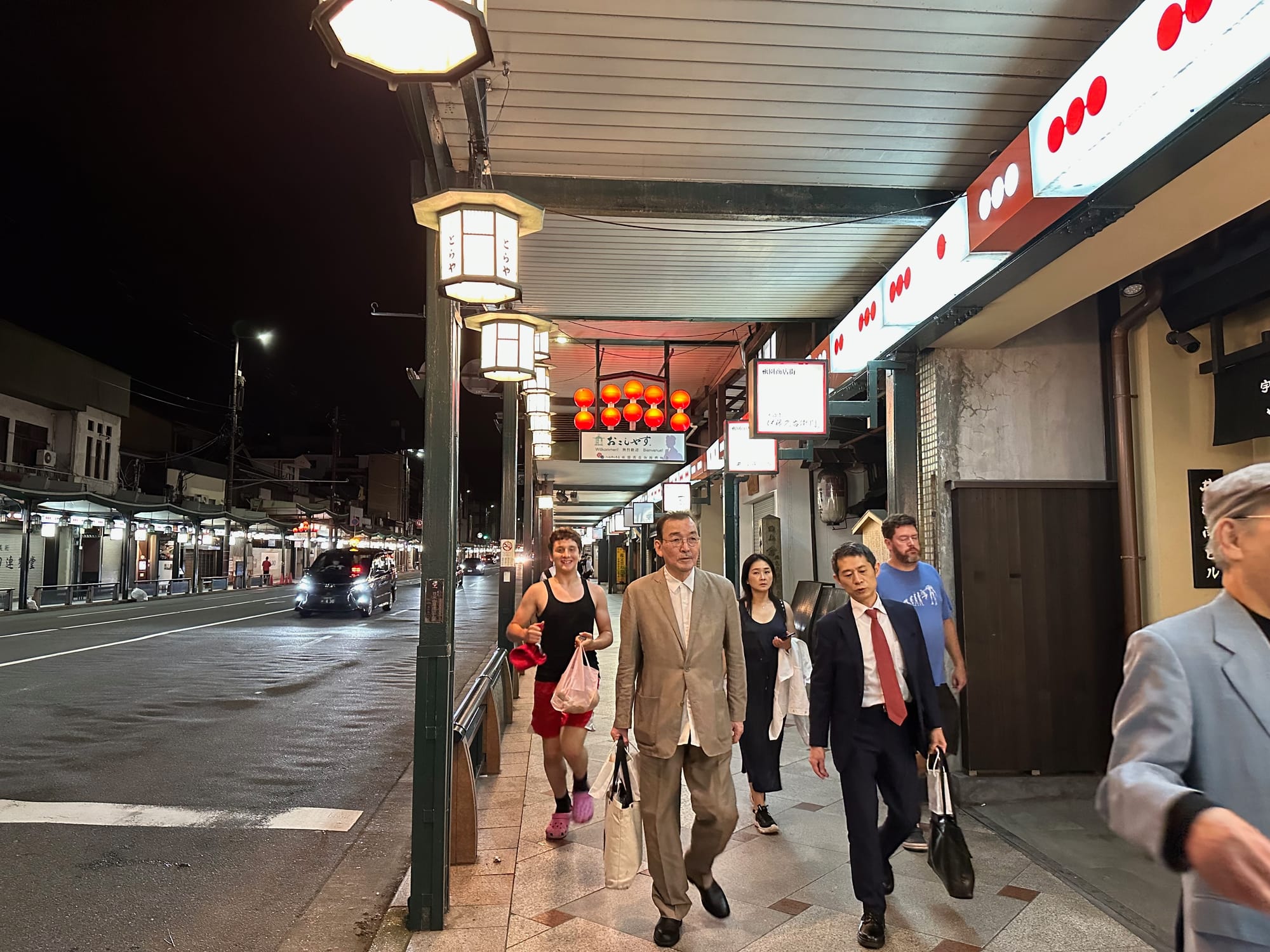
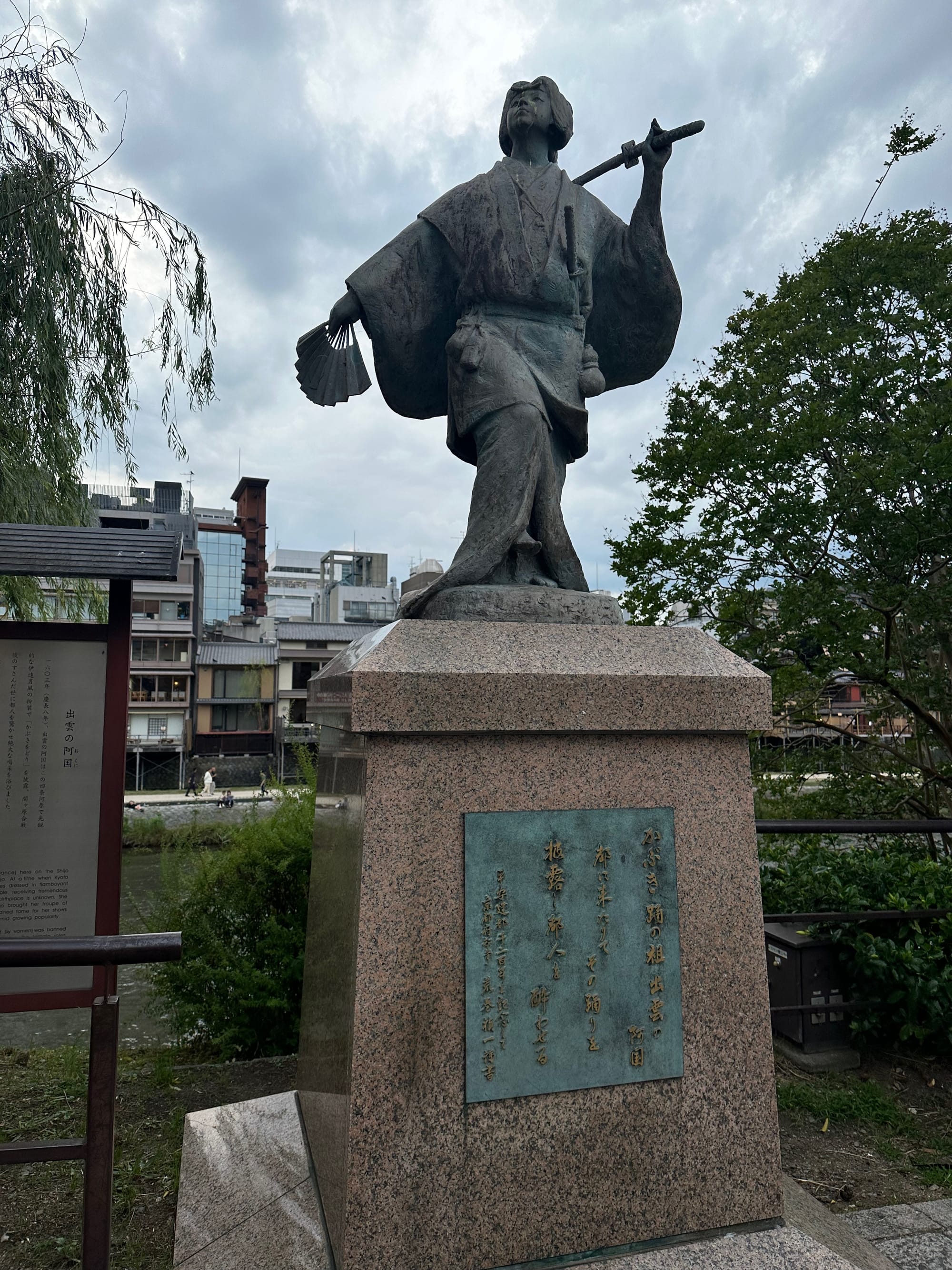
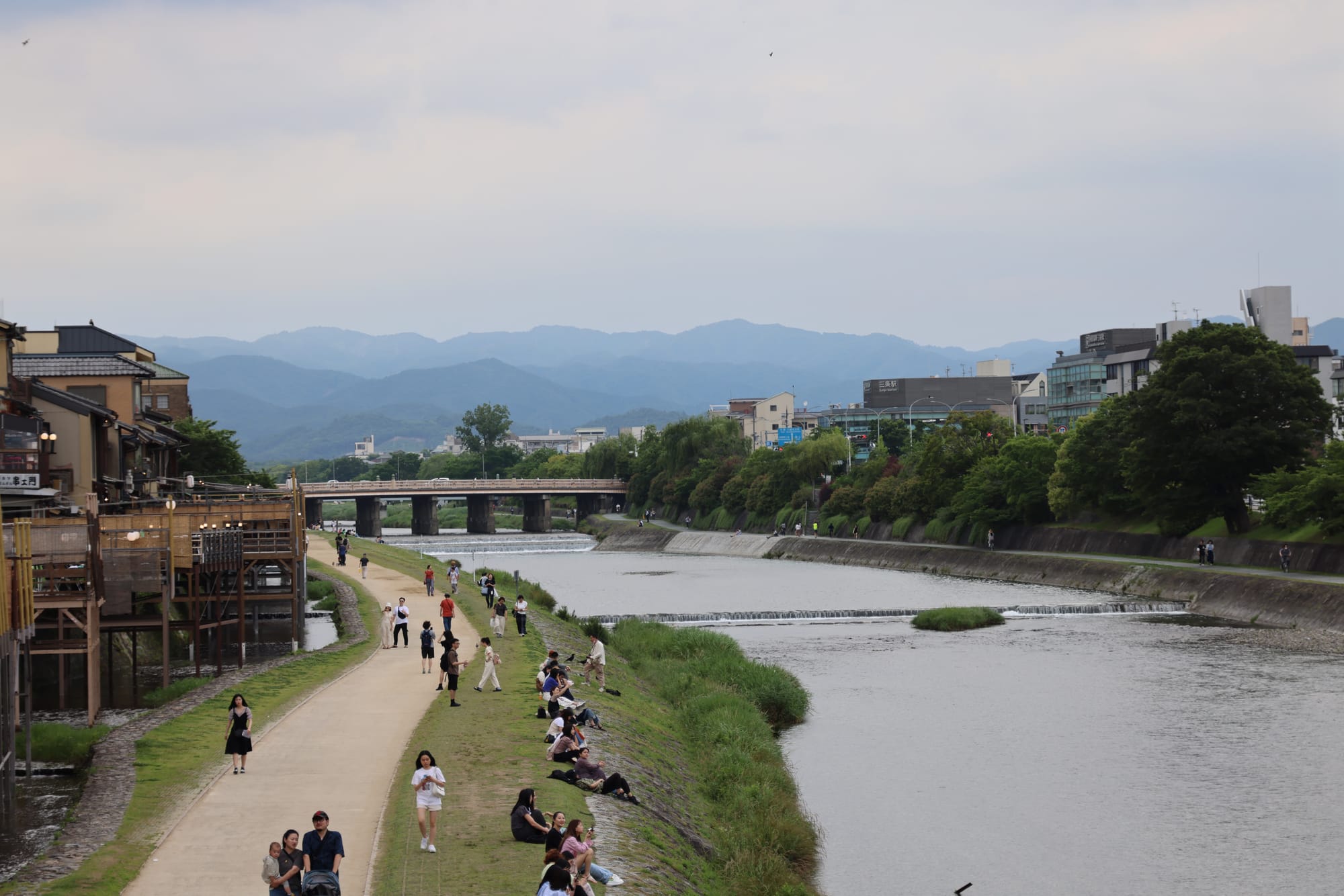
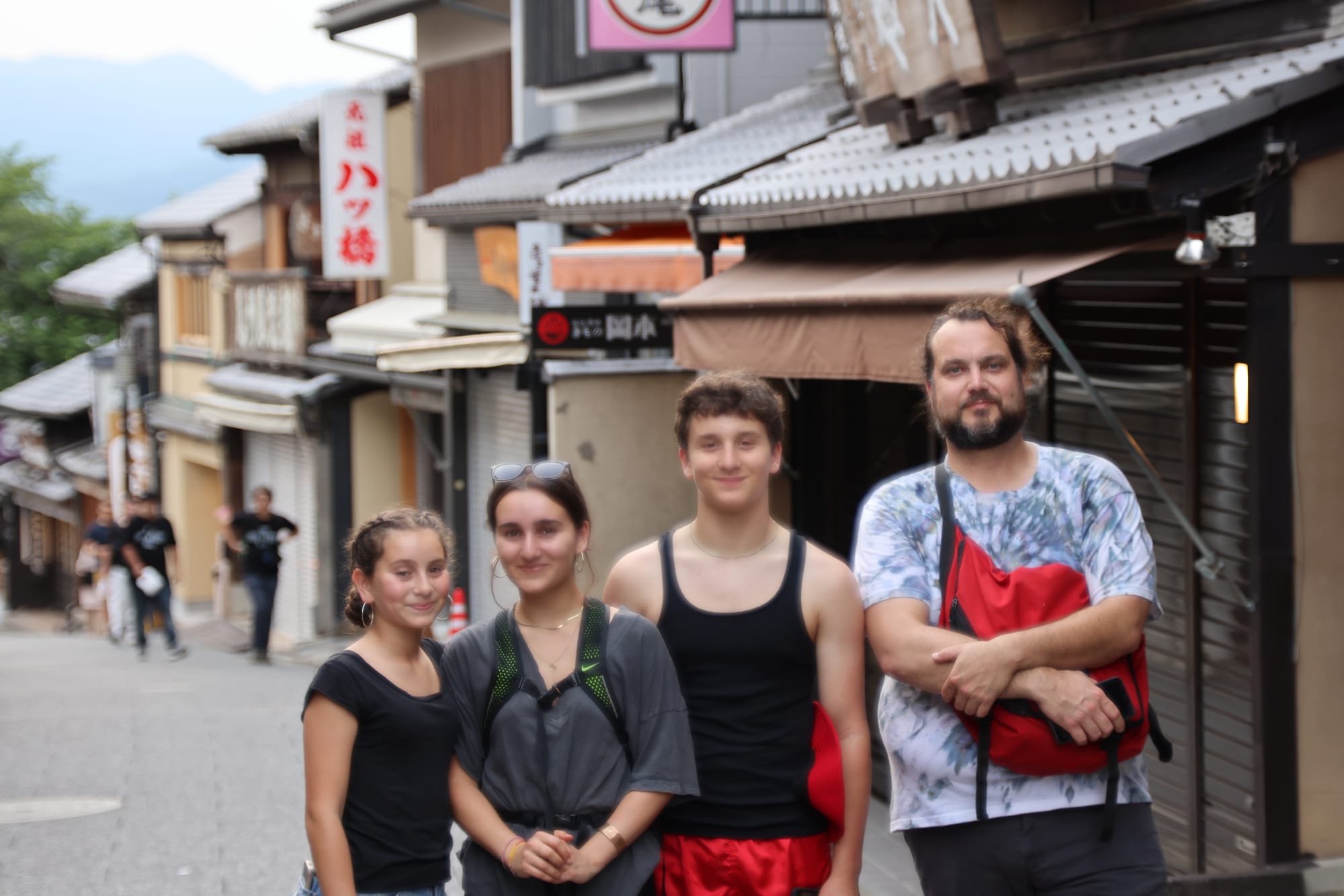
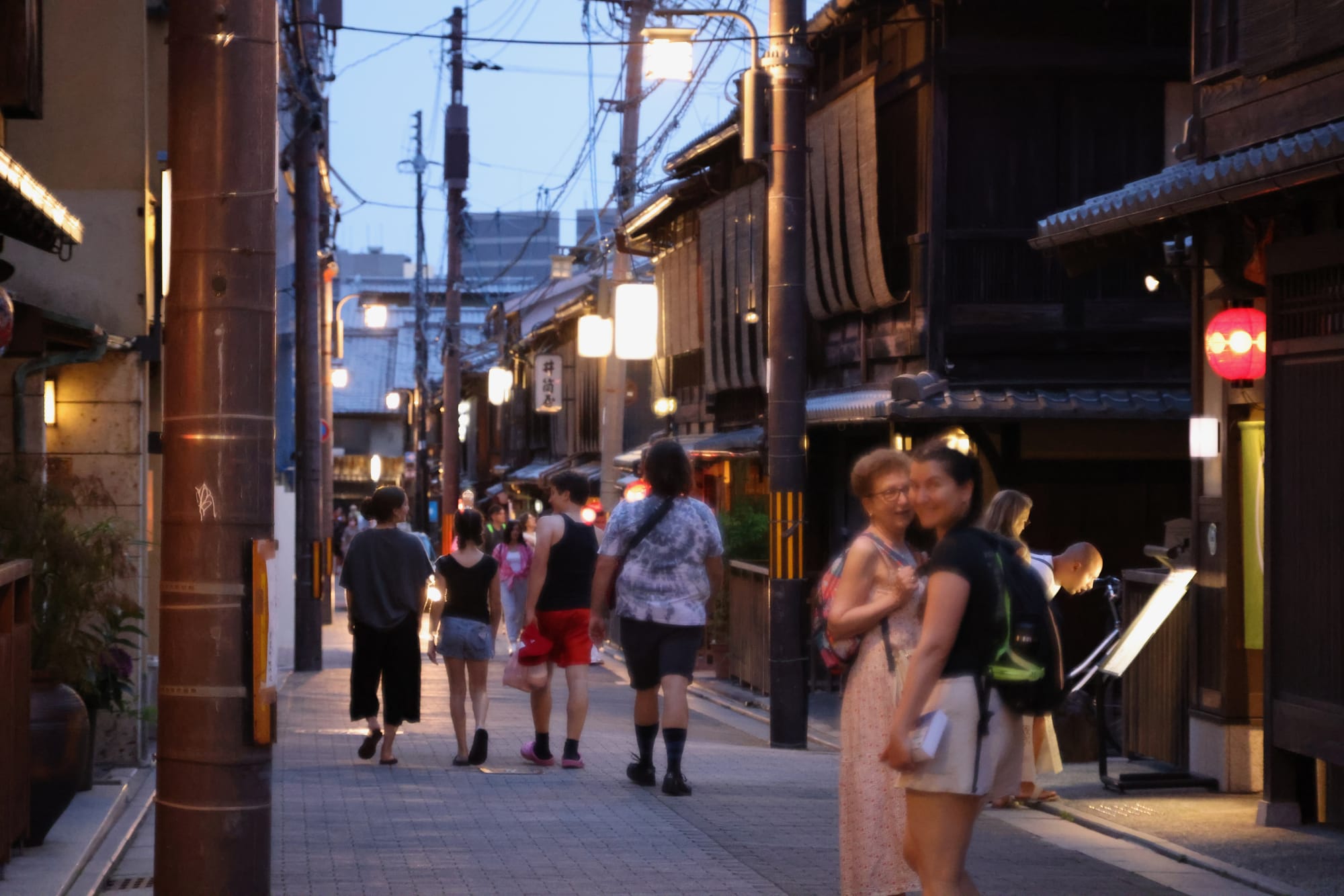
The second half of the day was our favorite section of the Kyoto visit. We took the bus down to the opposite side of the city (south east) and walked through Gion (the Geisha district), and then up the foothills towards Kiyomizudera ('Pure Water Temple').
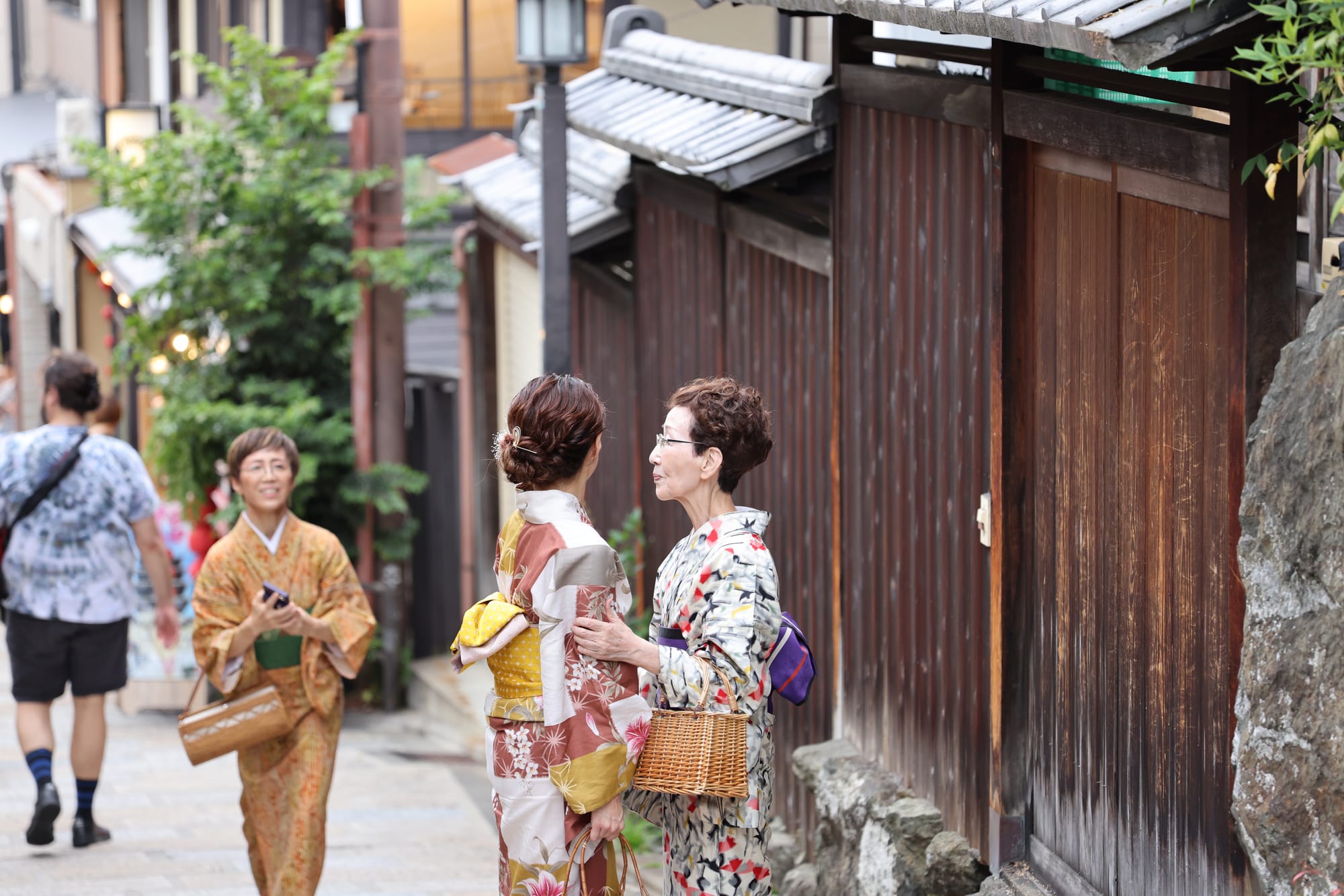
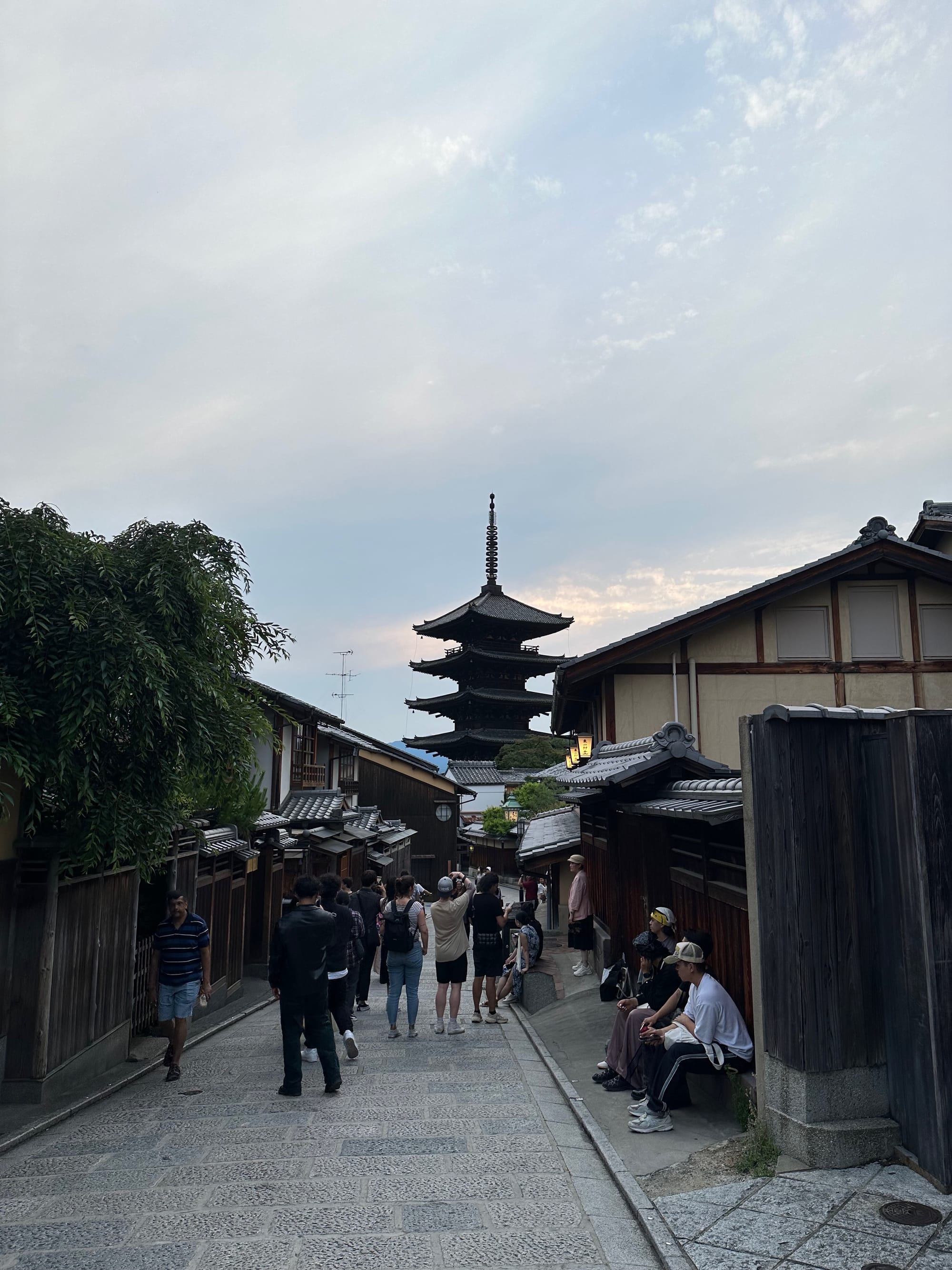
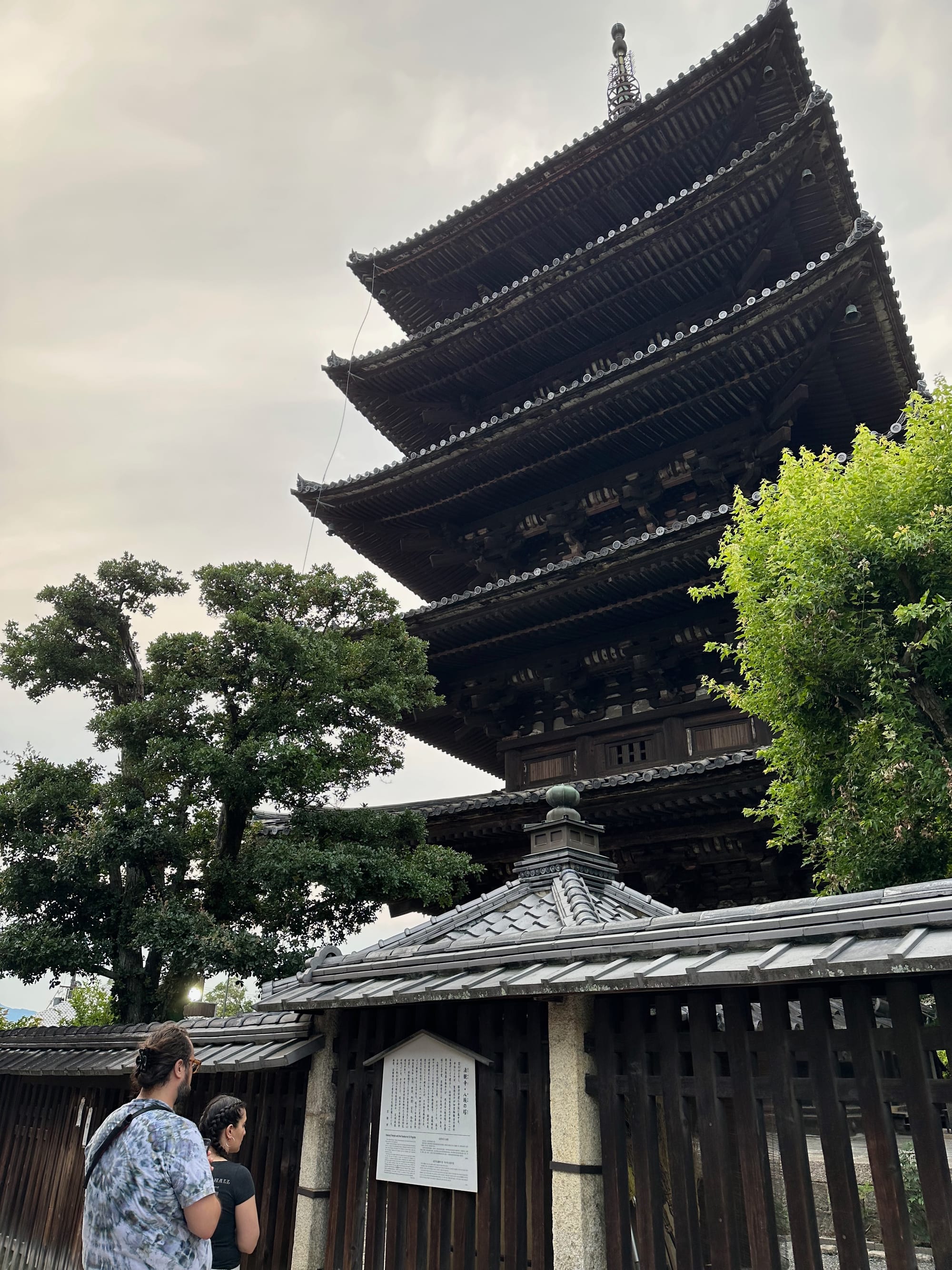
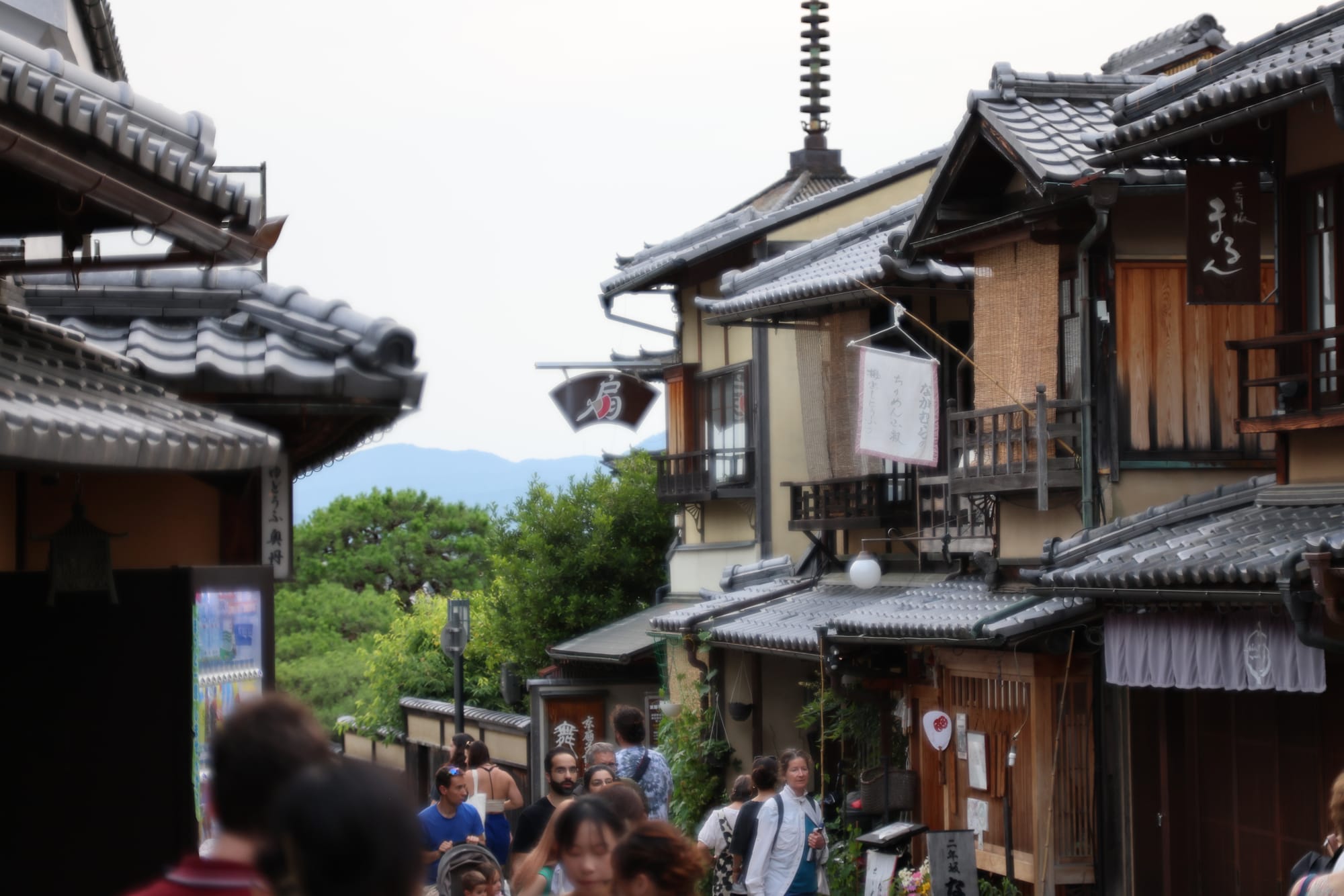
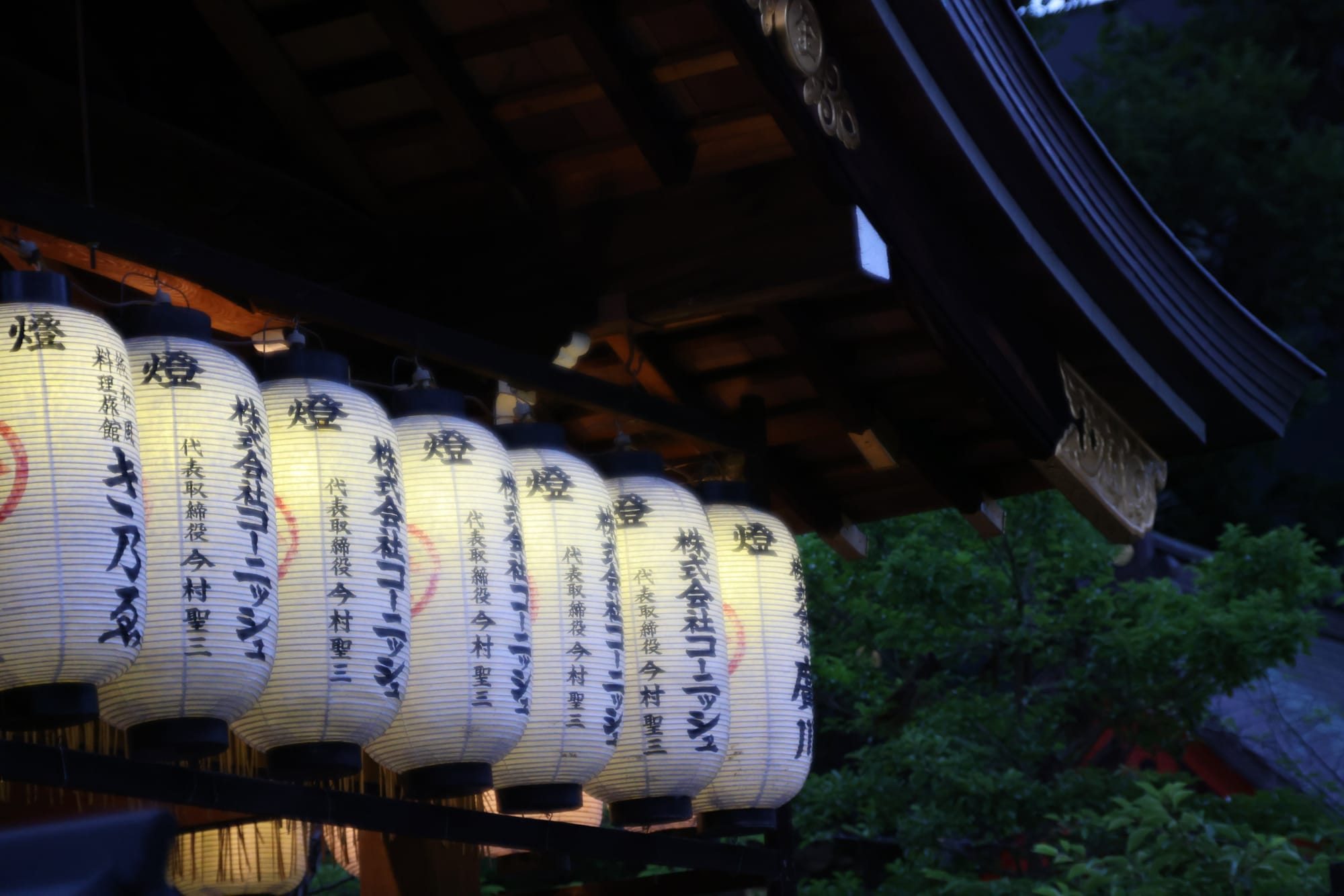
The walk from Gion to the temple, and then back again, was just amazing. The neighborhood is packed with activity of all kinds, with contemporary architecture mixing with styles from centuries past, and all exceptionally well maintained. No crumbling structures here. Tourists mix with locals, or rather, they co-exist happily (not interacting much). Throughout the walk, we would come upon pagodas or temples that had been there for 500 or more years, happily blending in with the urban landscape.
Towards the end of the walk is a neighborhood called Chawan-zaka Slope, which is packed with high end pottery, mochi, and art shops. This is a an excellent place to score higher end pieces to remember your trip by. My mom and Julie and I bought art here 12 years ago that still hangs in our homes. This time around we kept more to the mochi. Julie is a mega fan of one of the sweet triangular styles of mochi particular to Kyoto, and we came away with several trays.
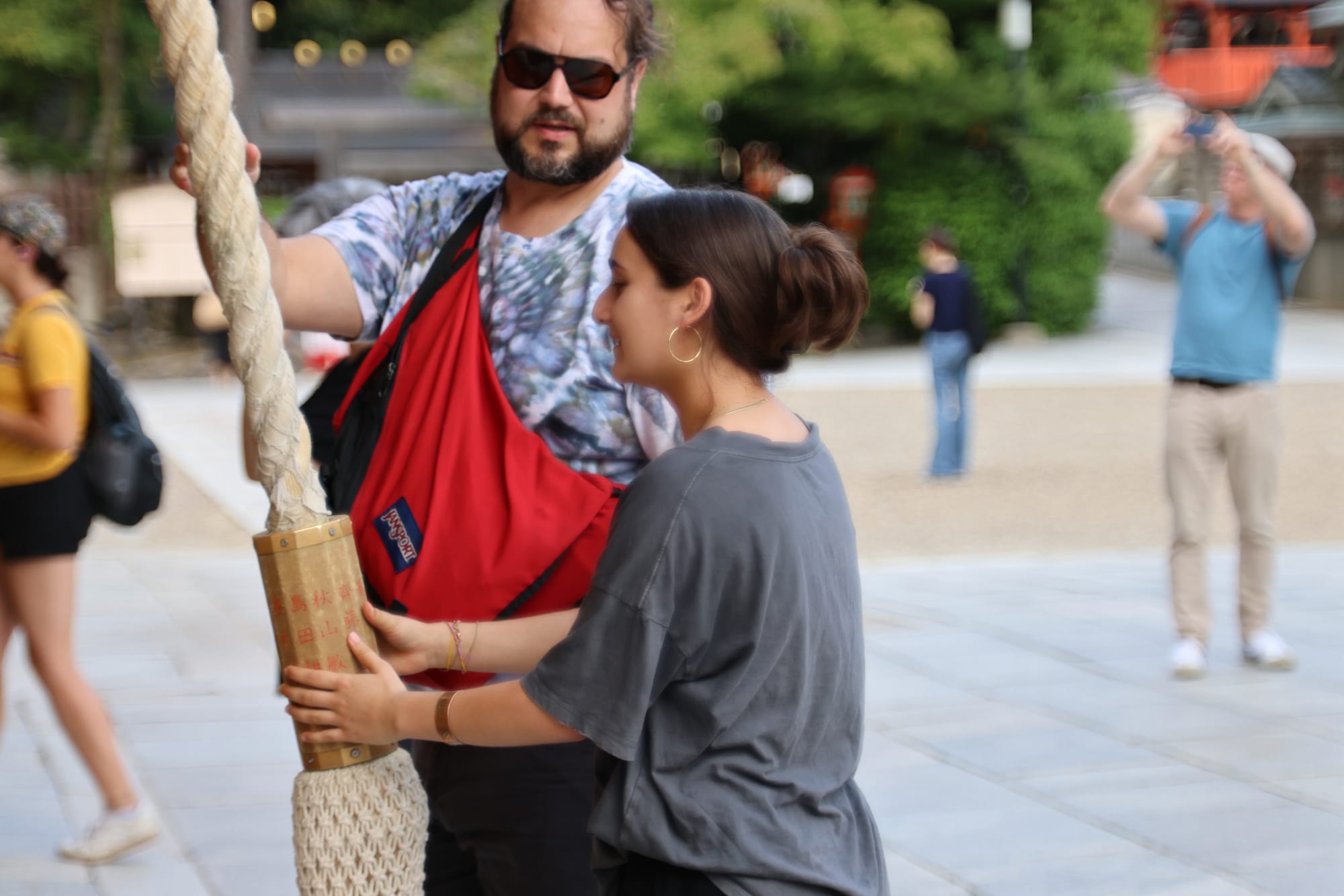
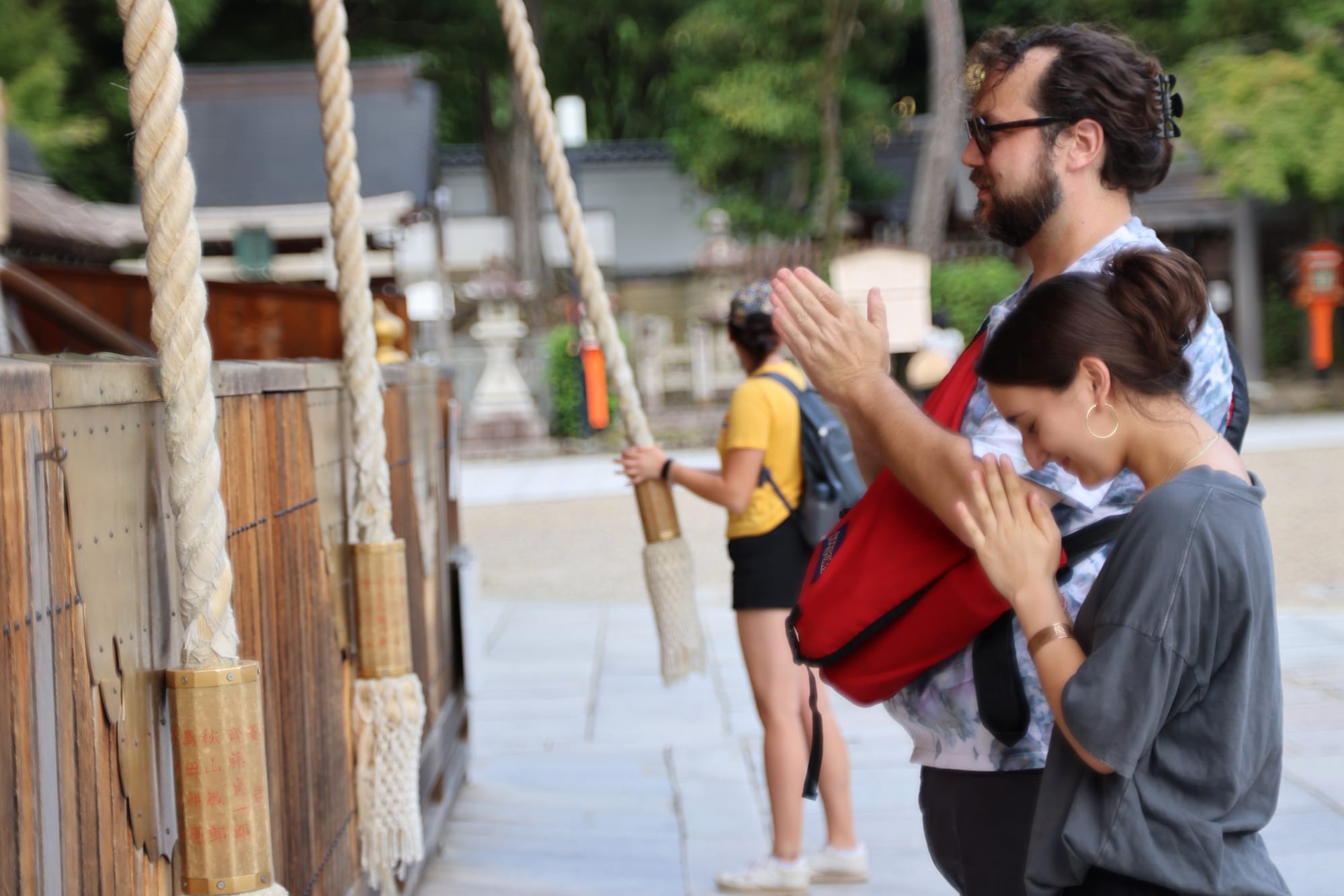
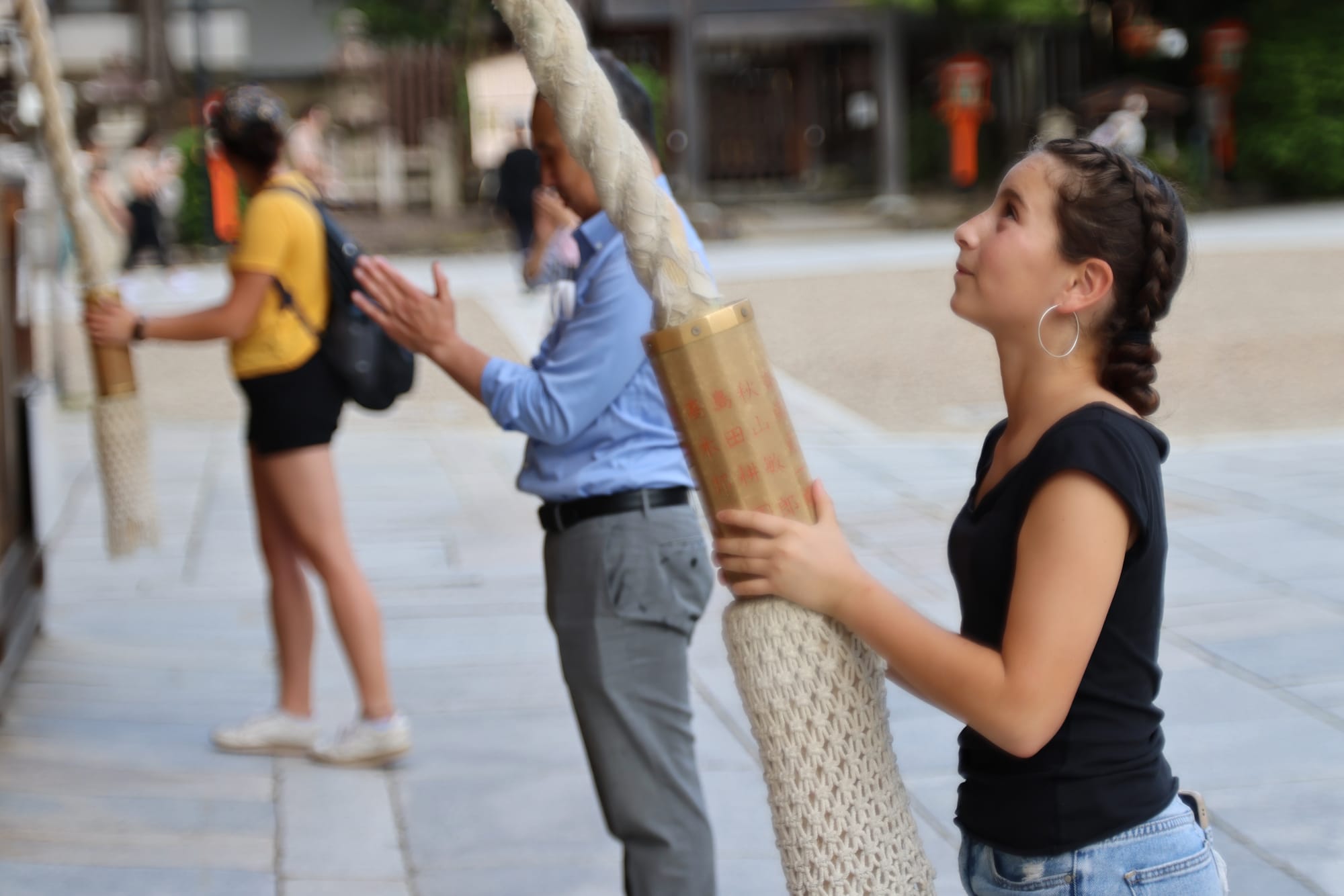
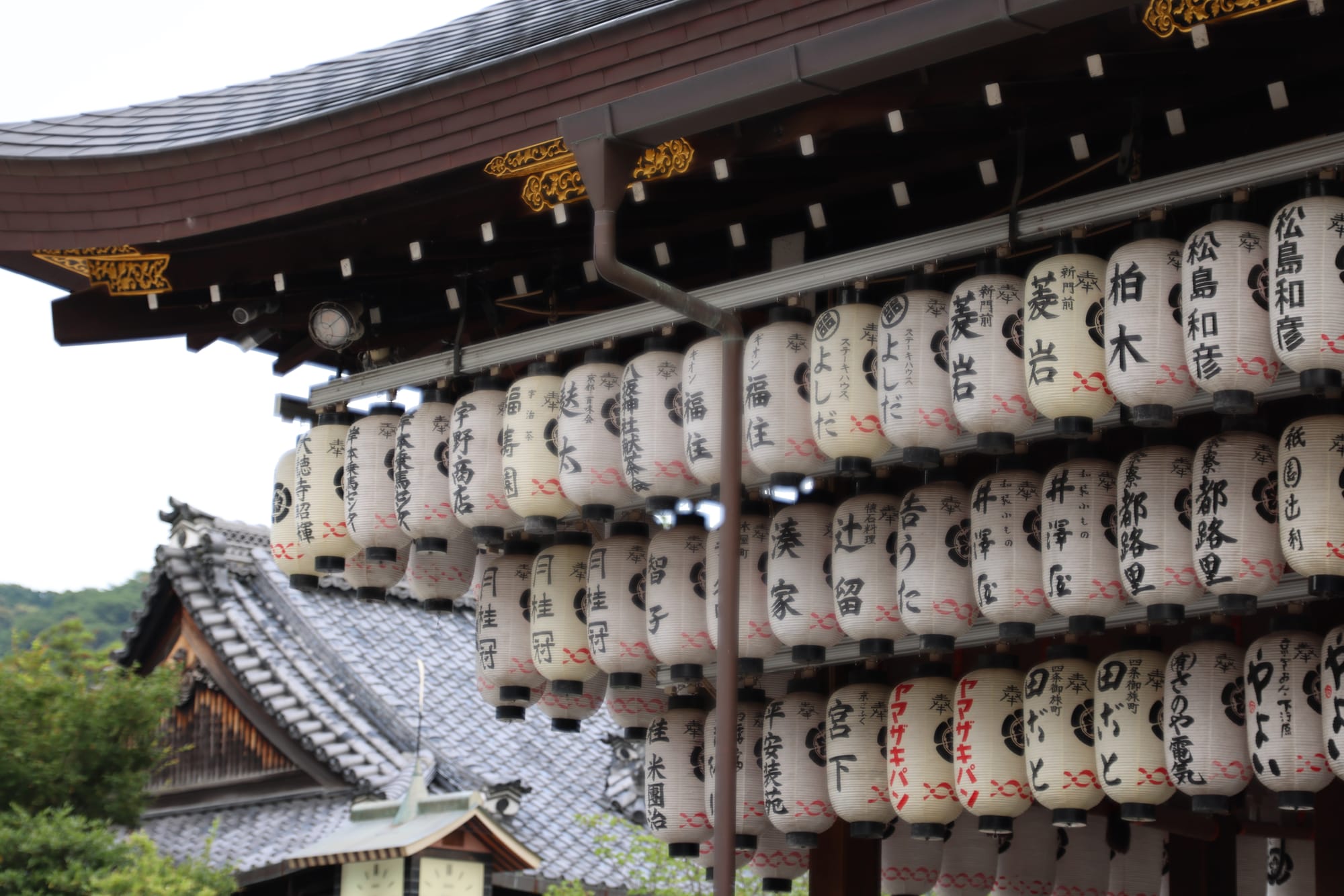
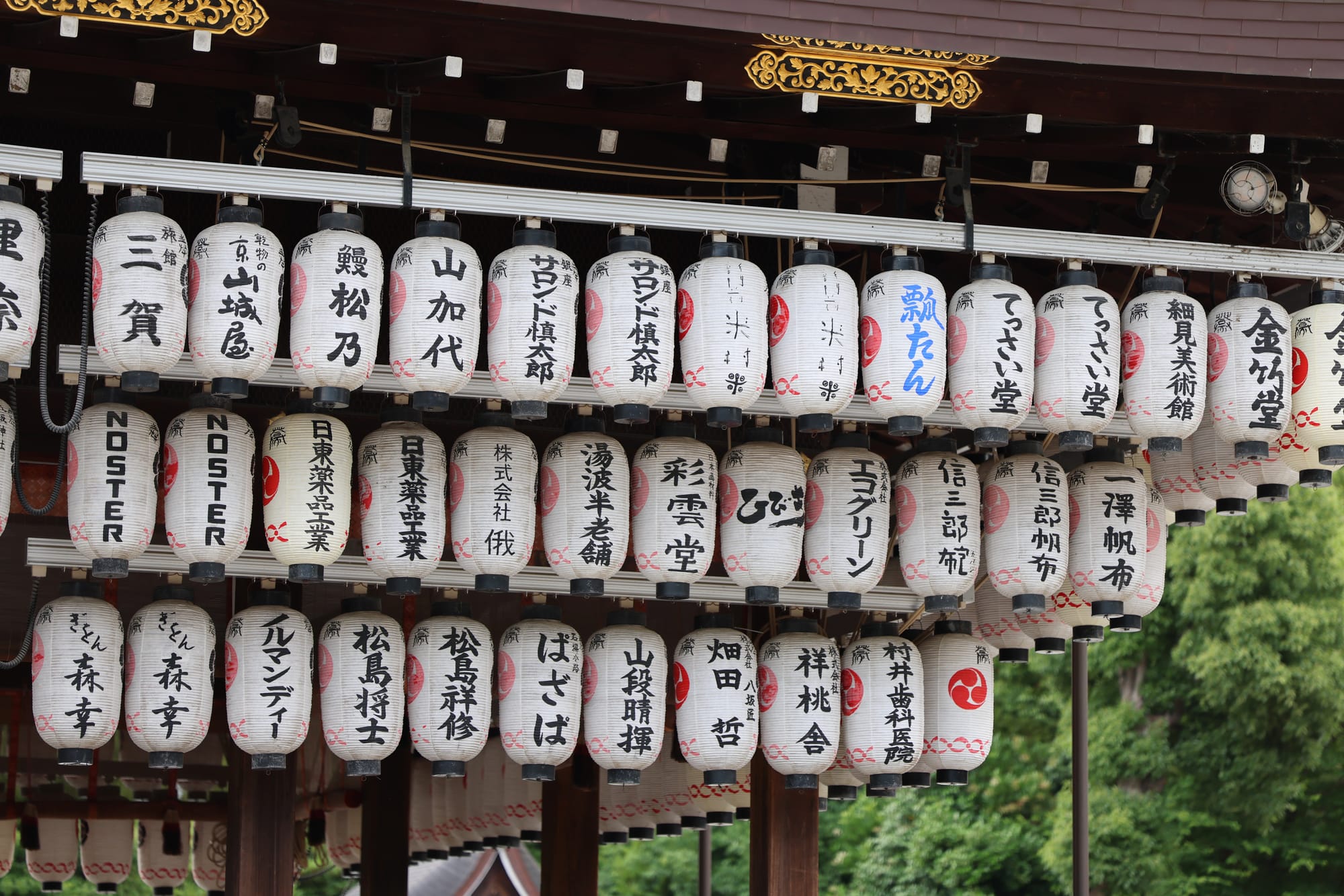

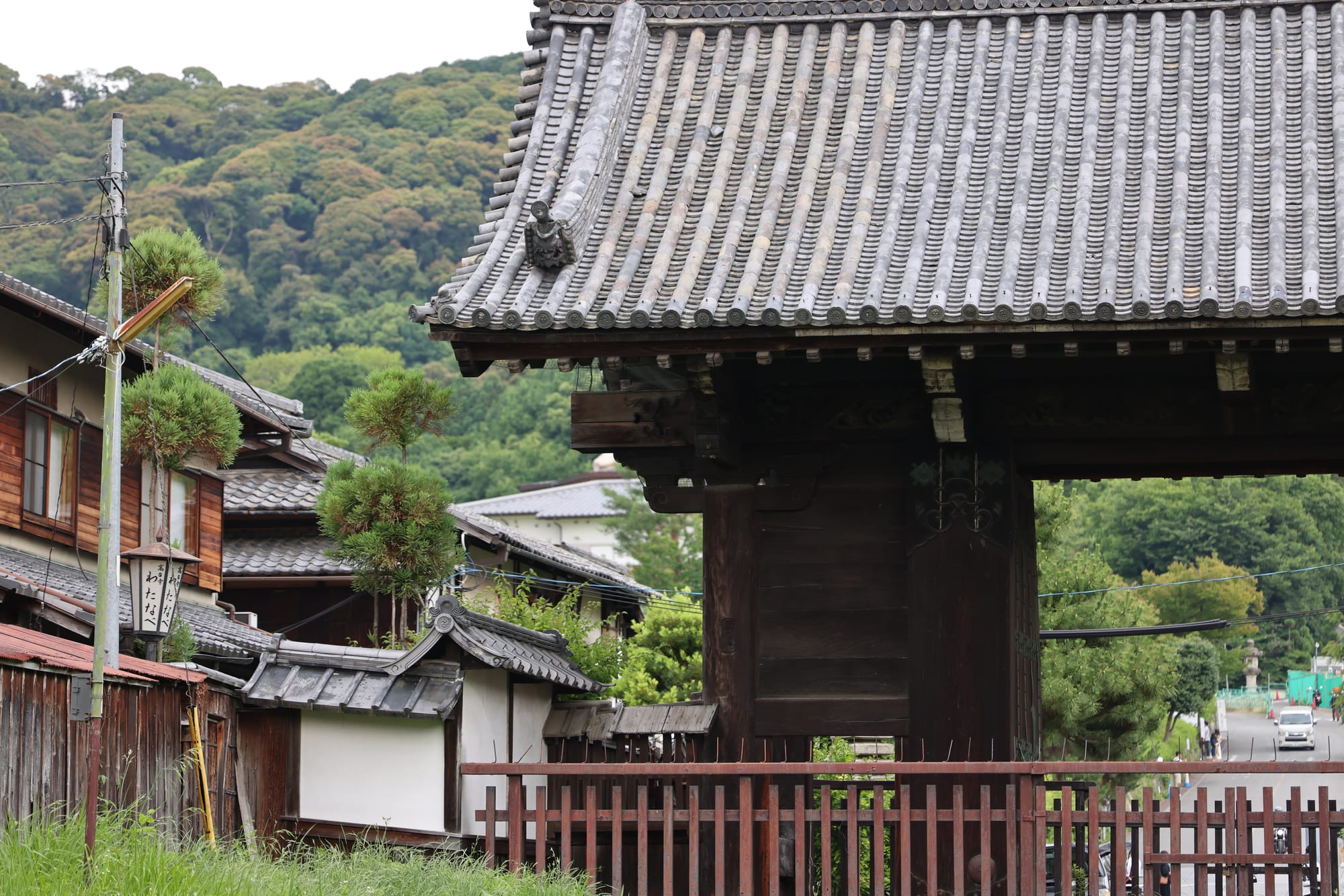
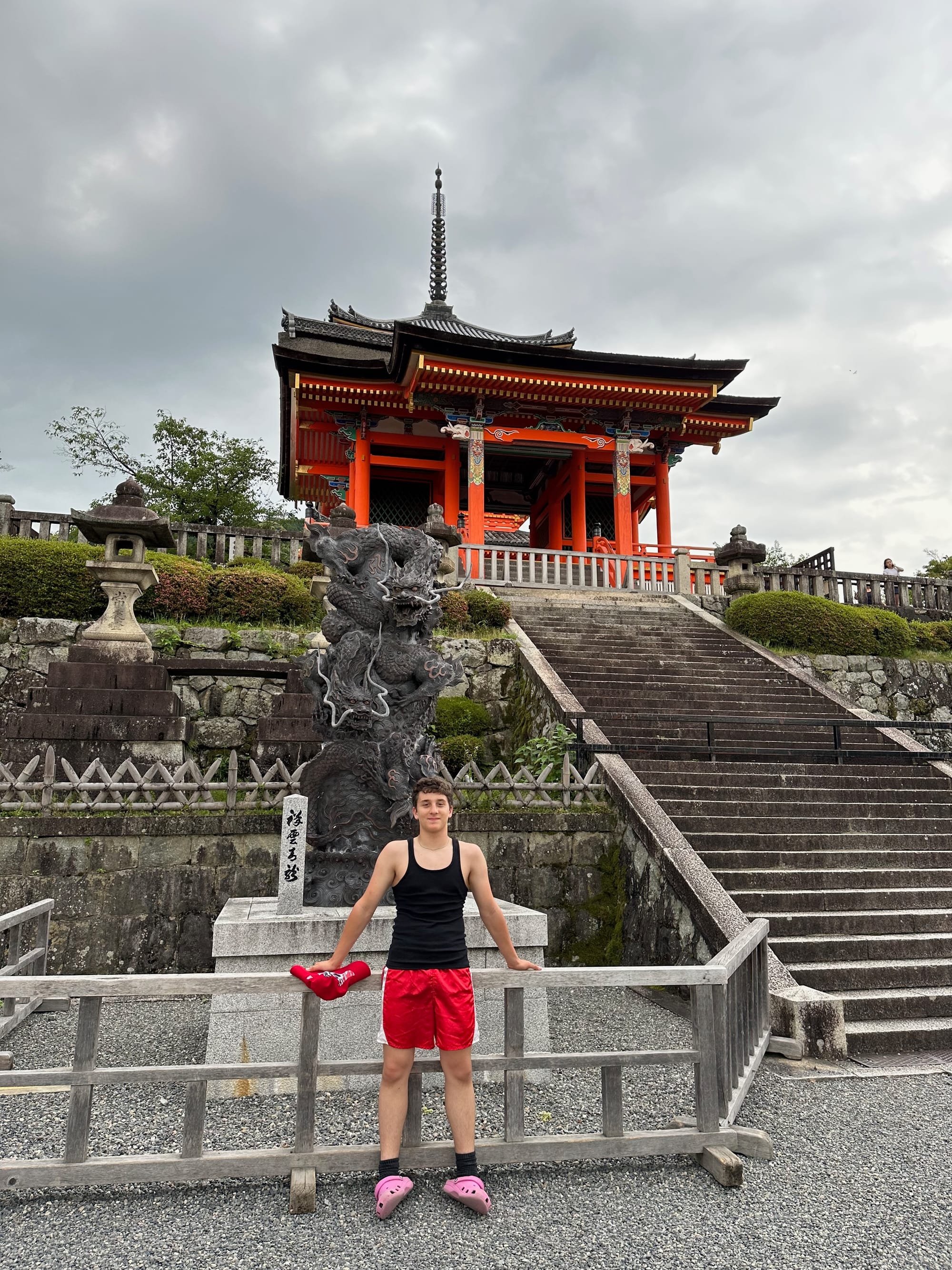
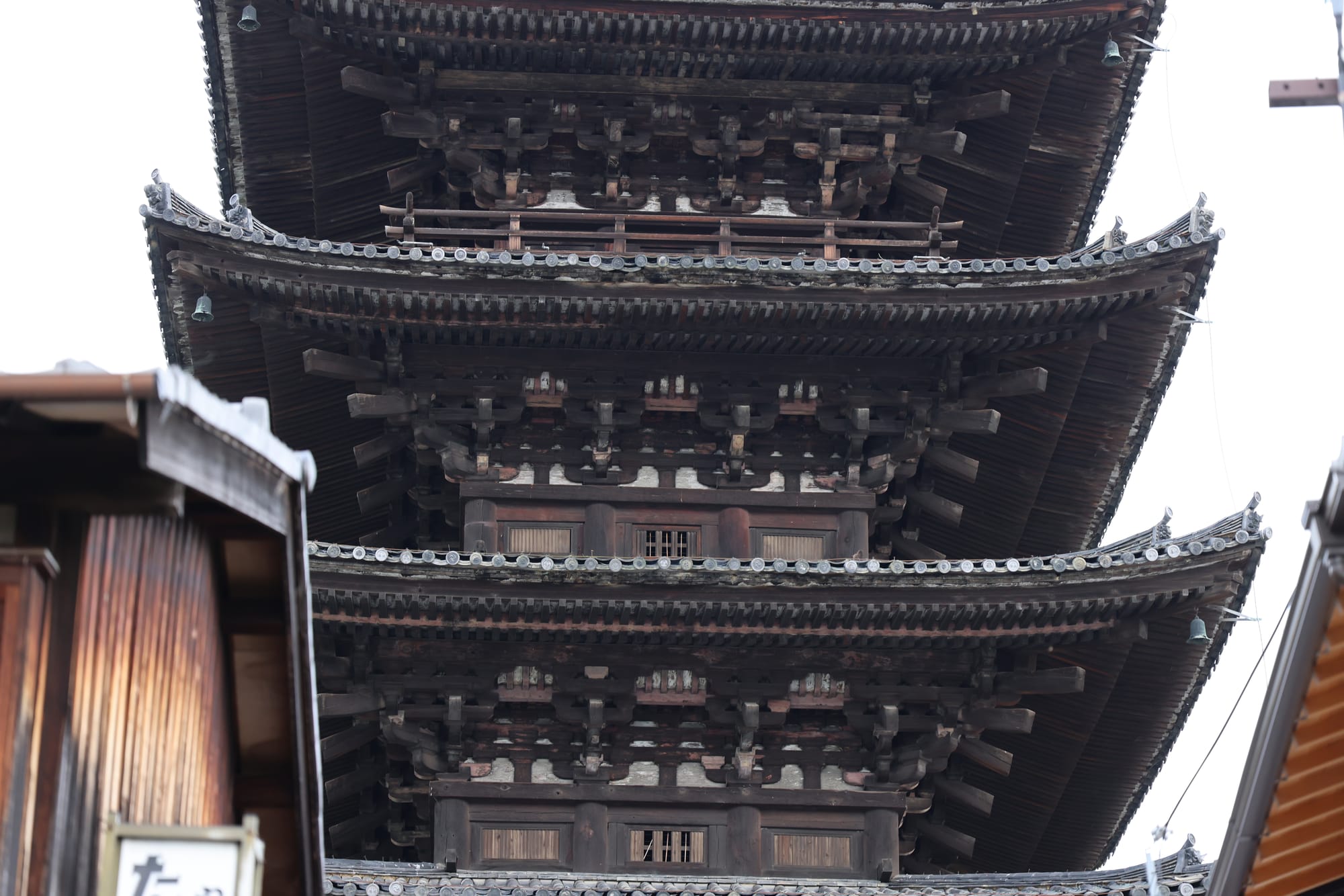
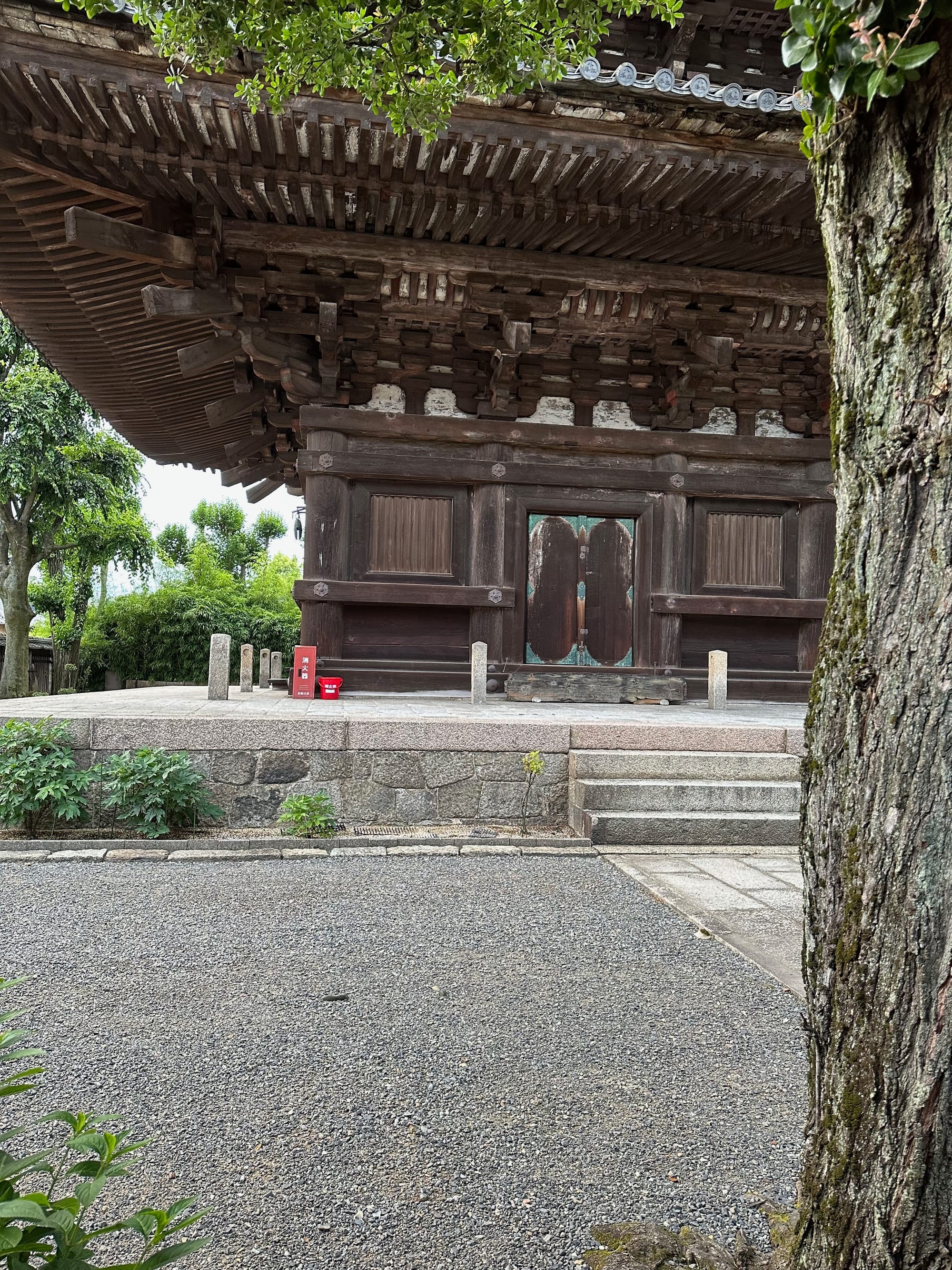
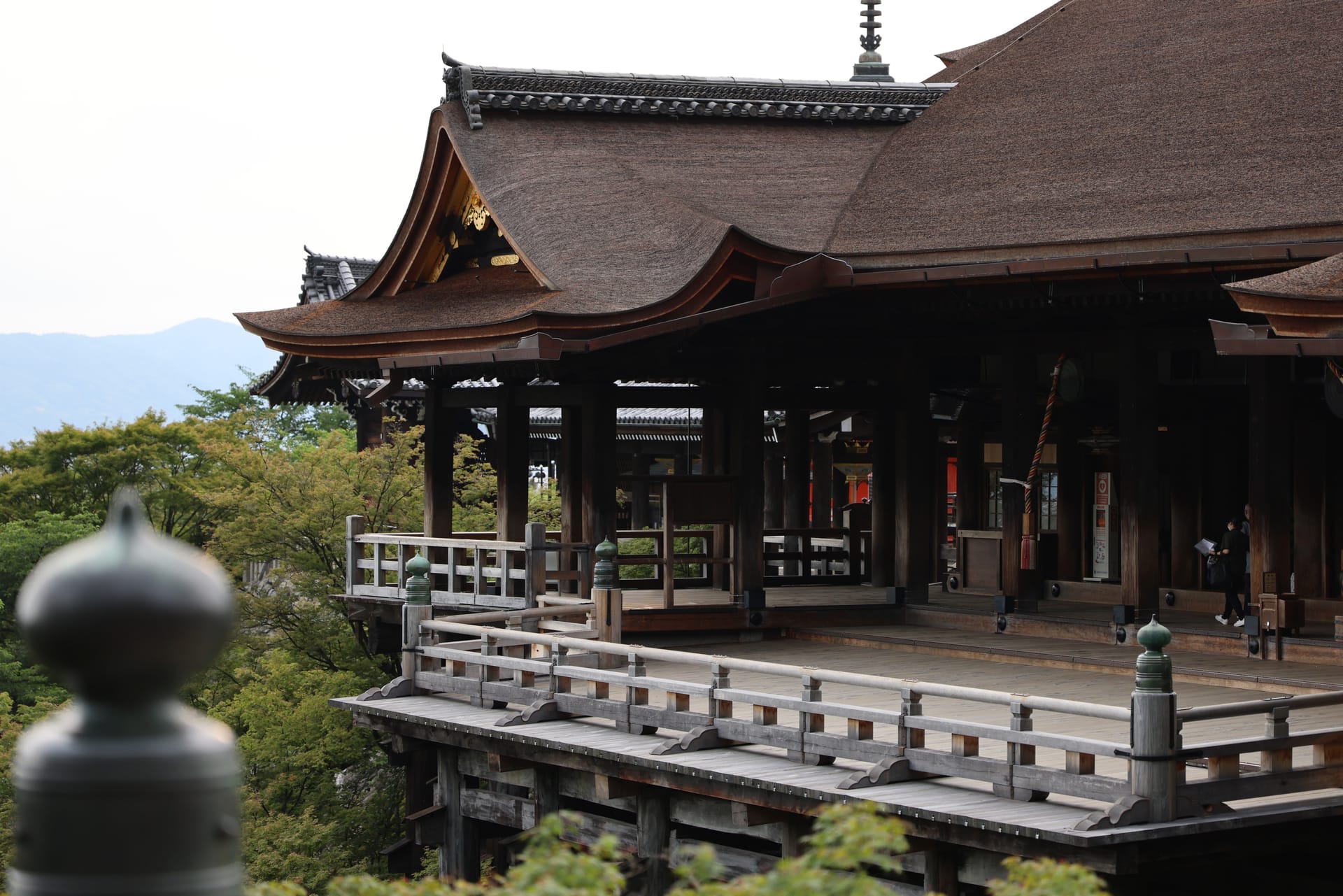
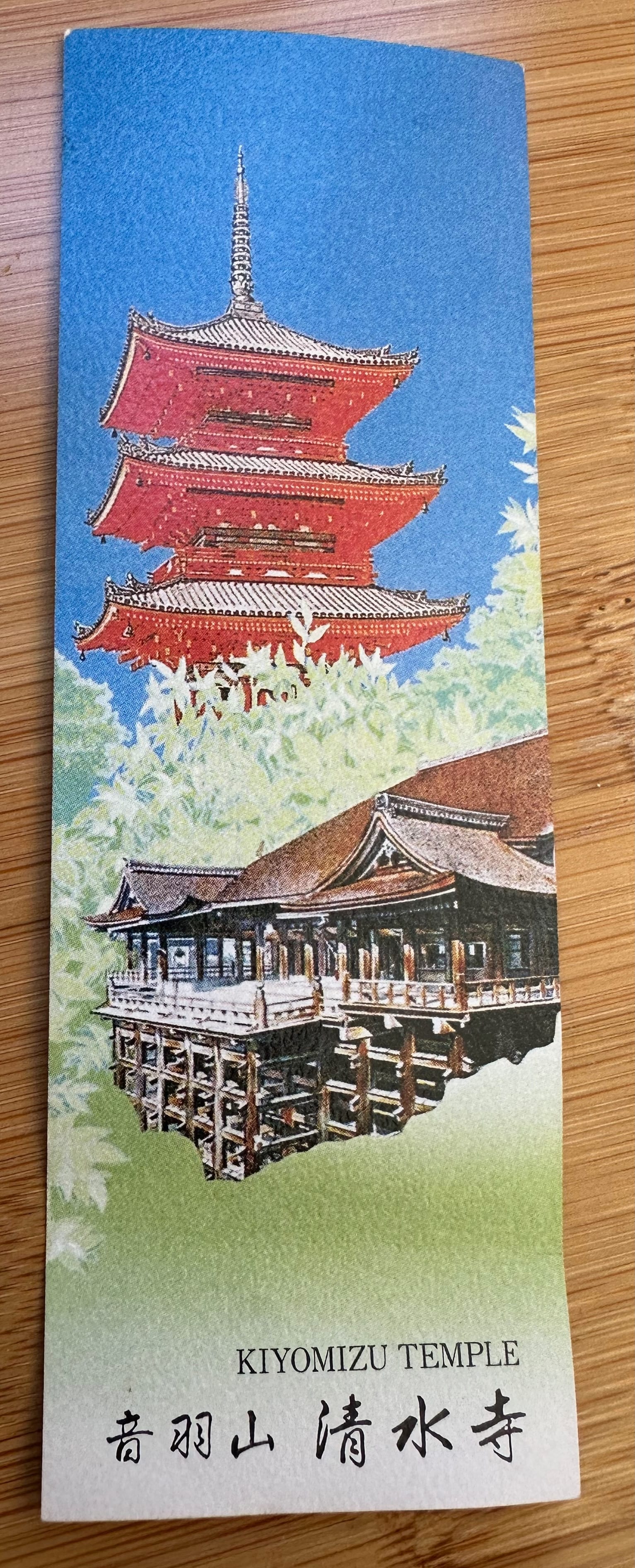
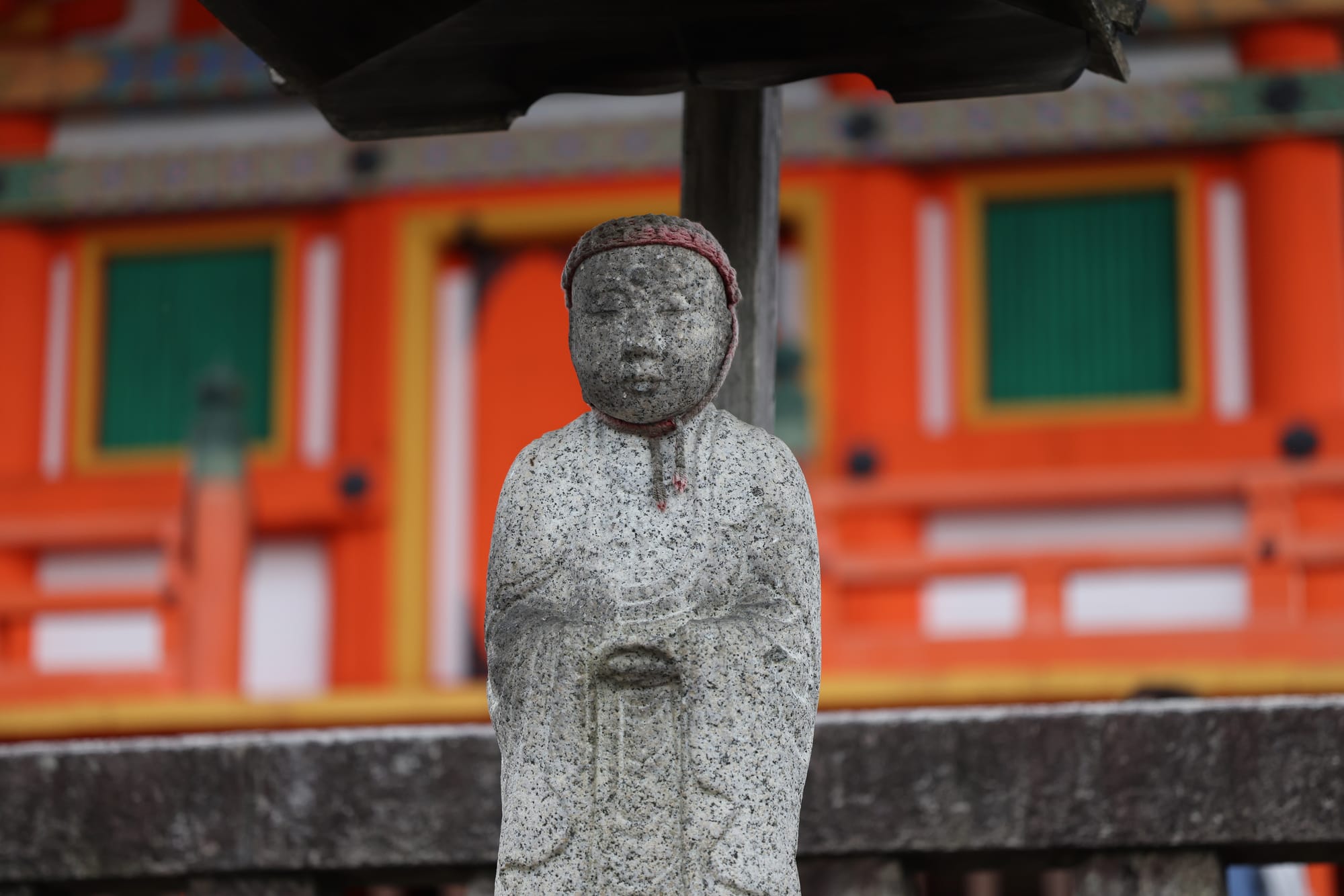
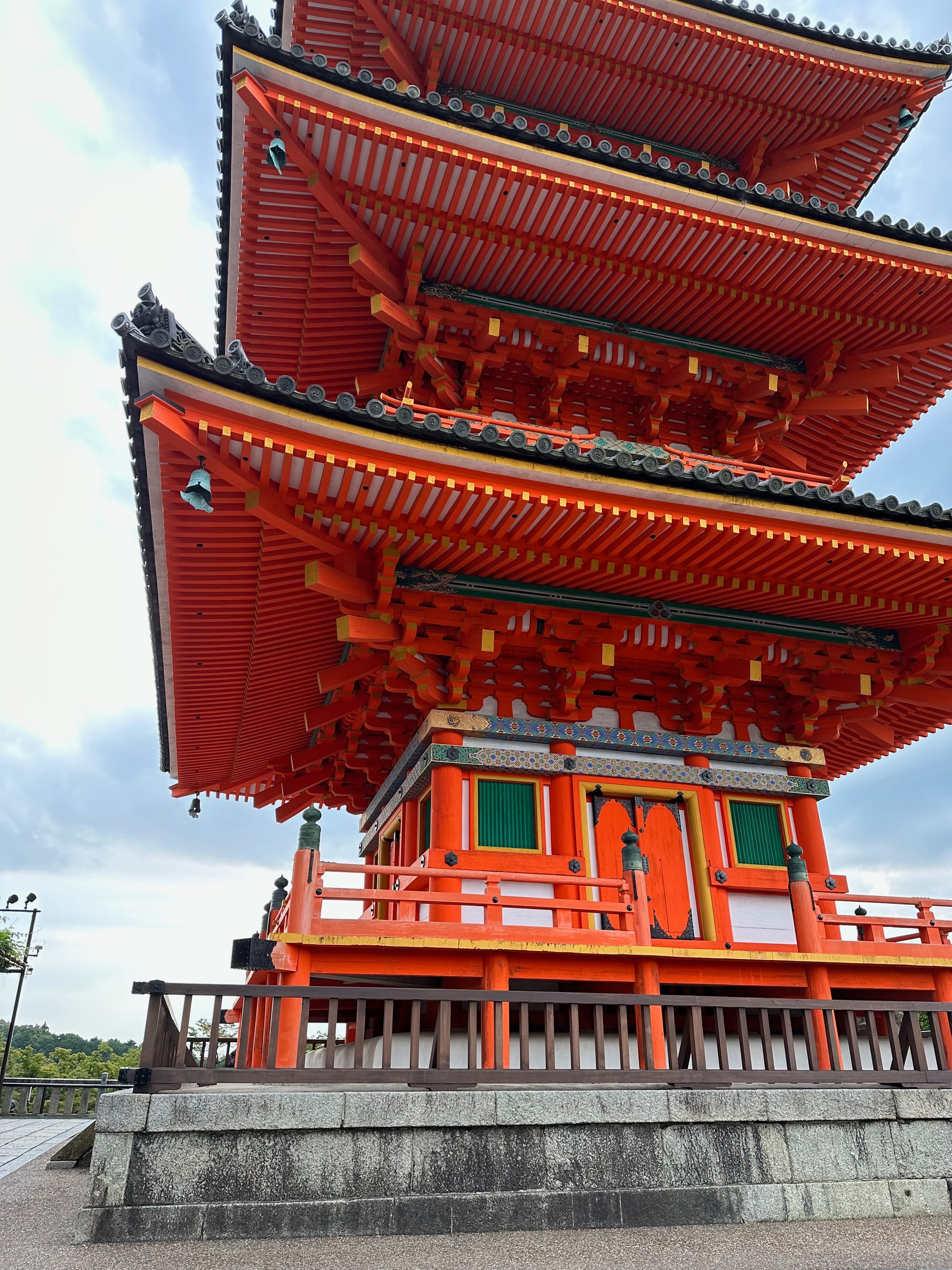
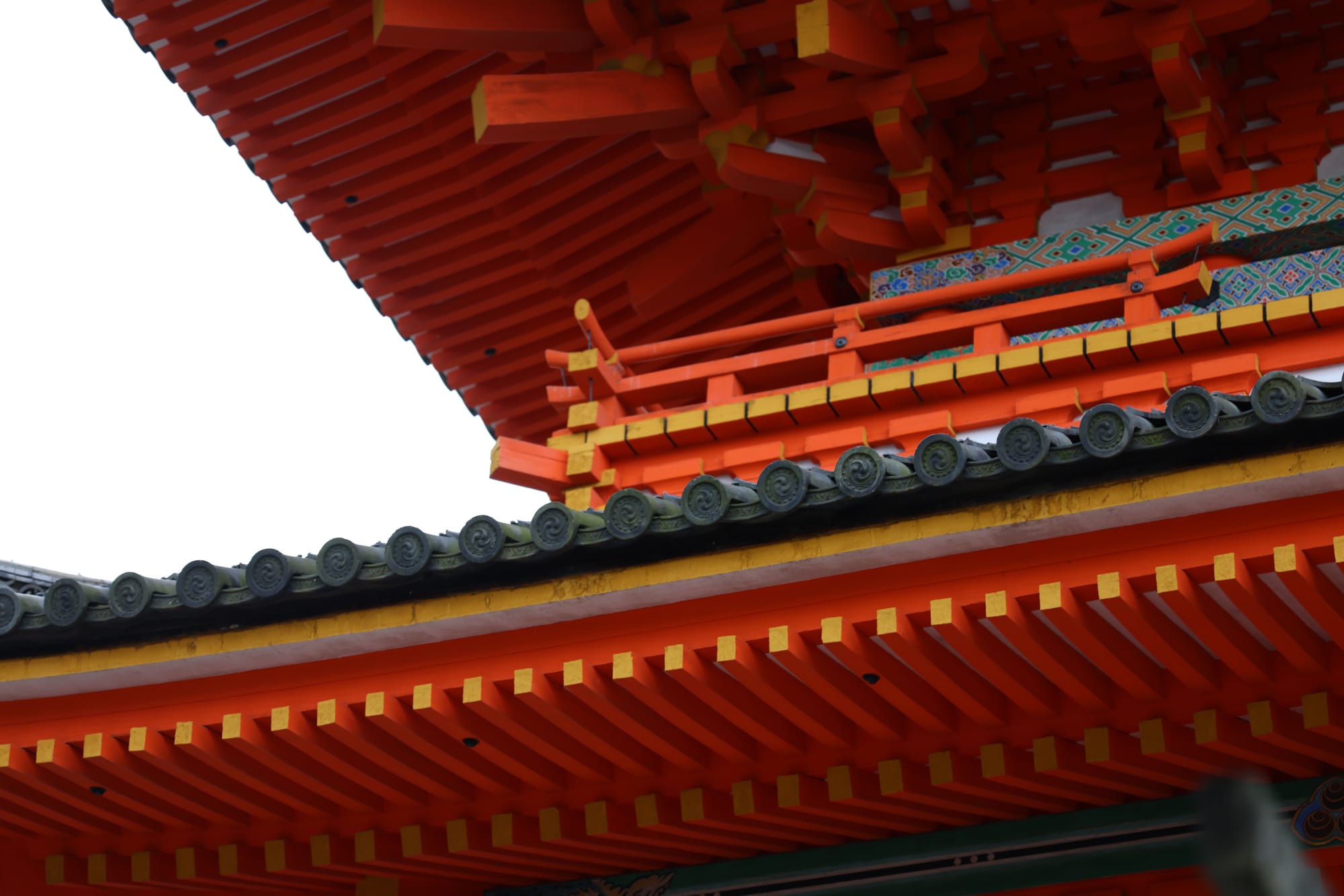
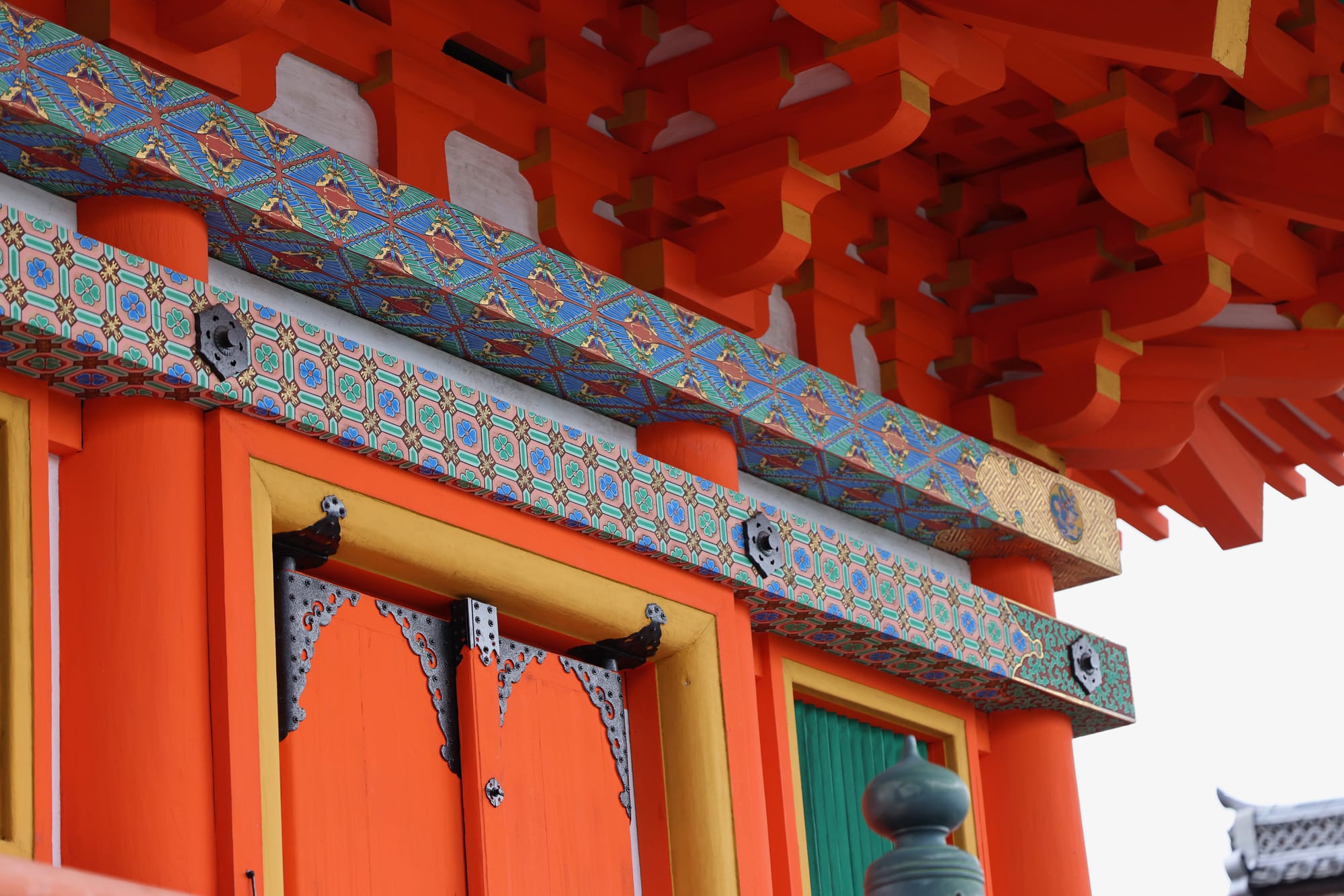
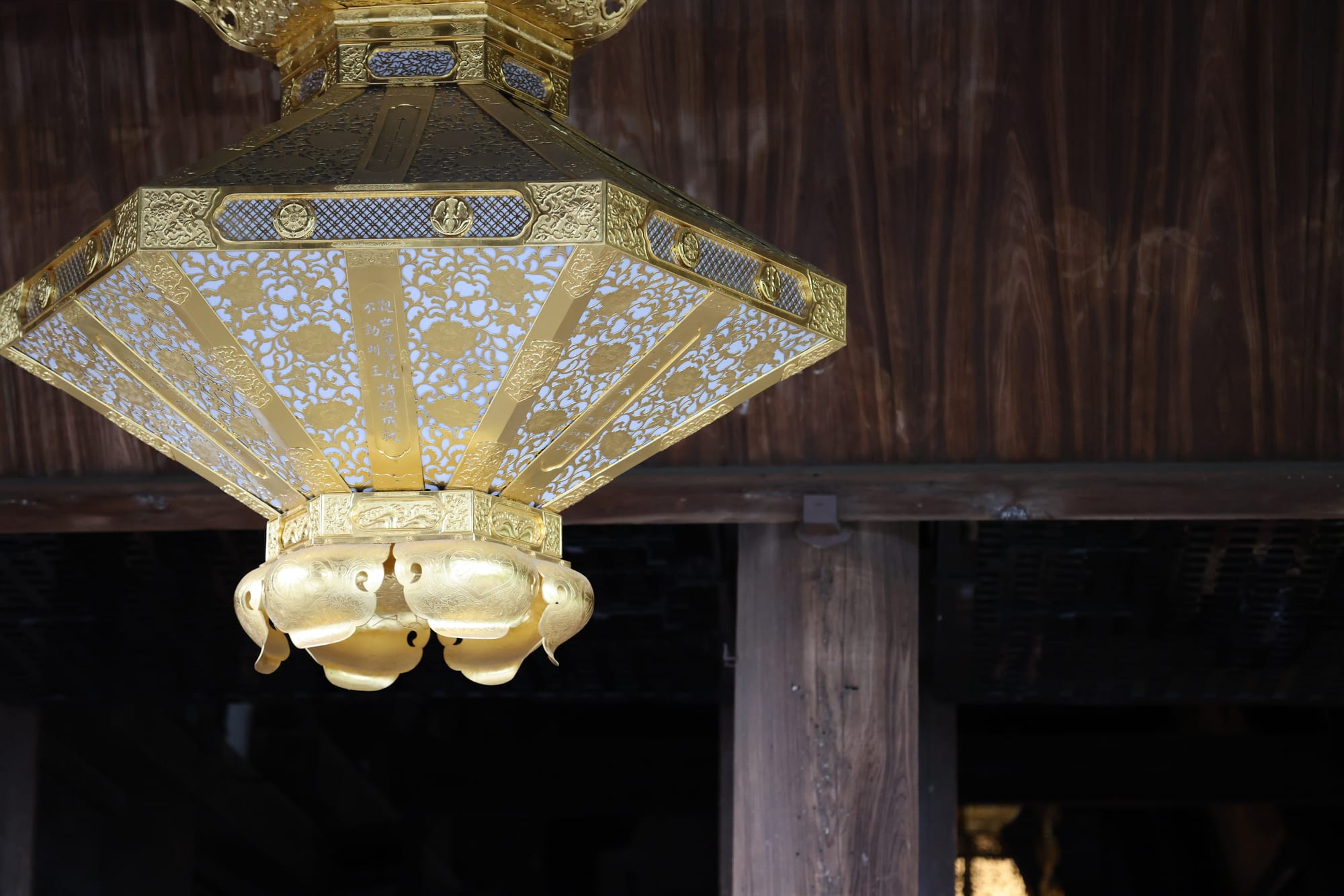
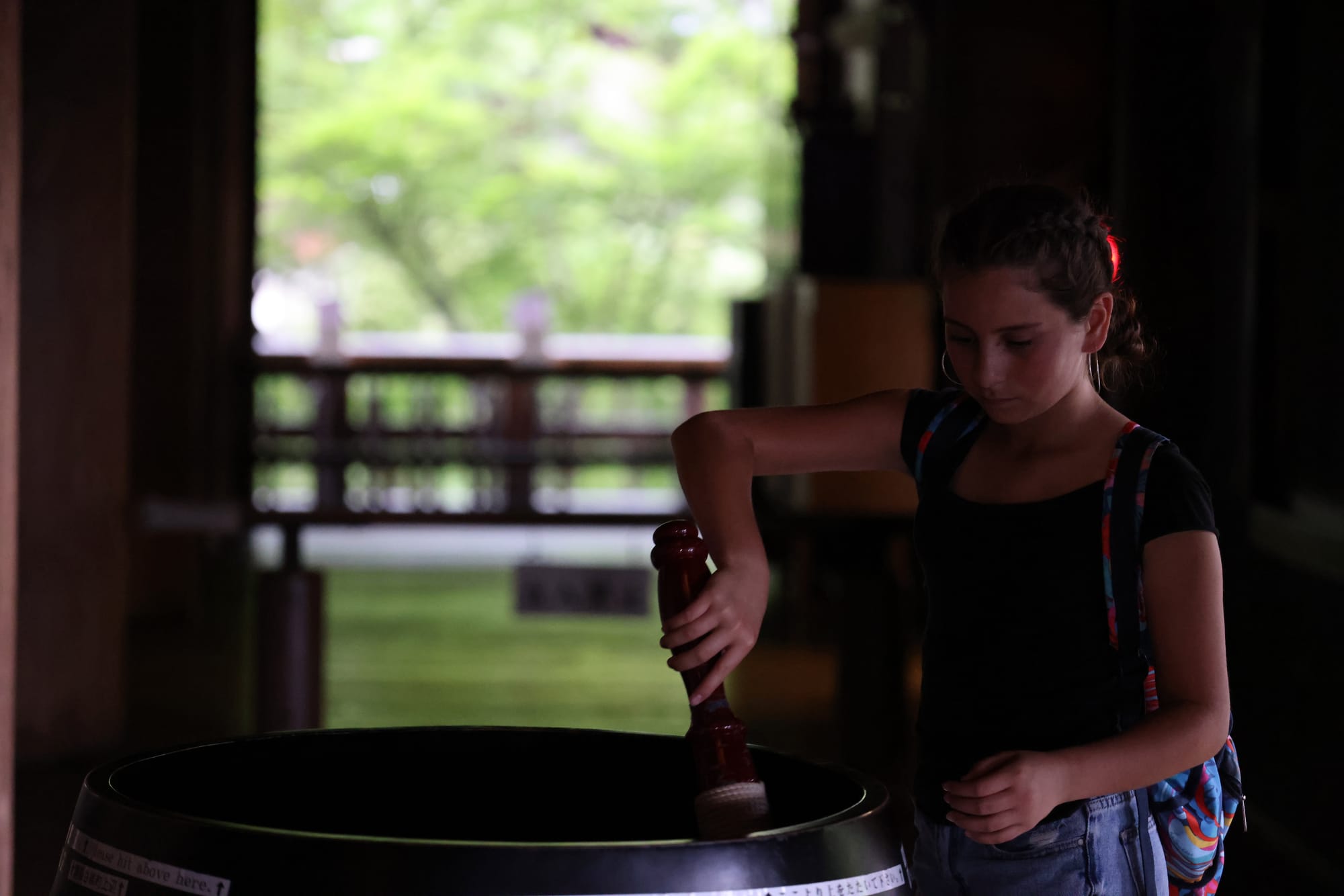
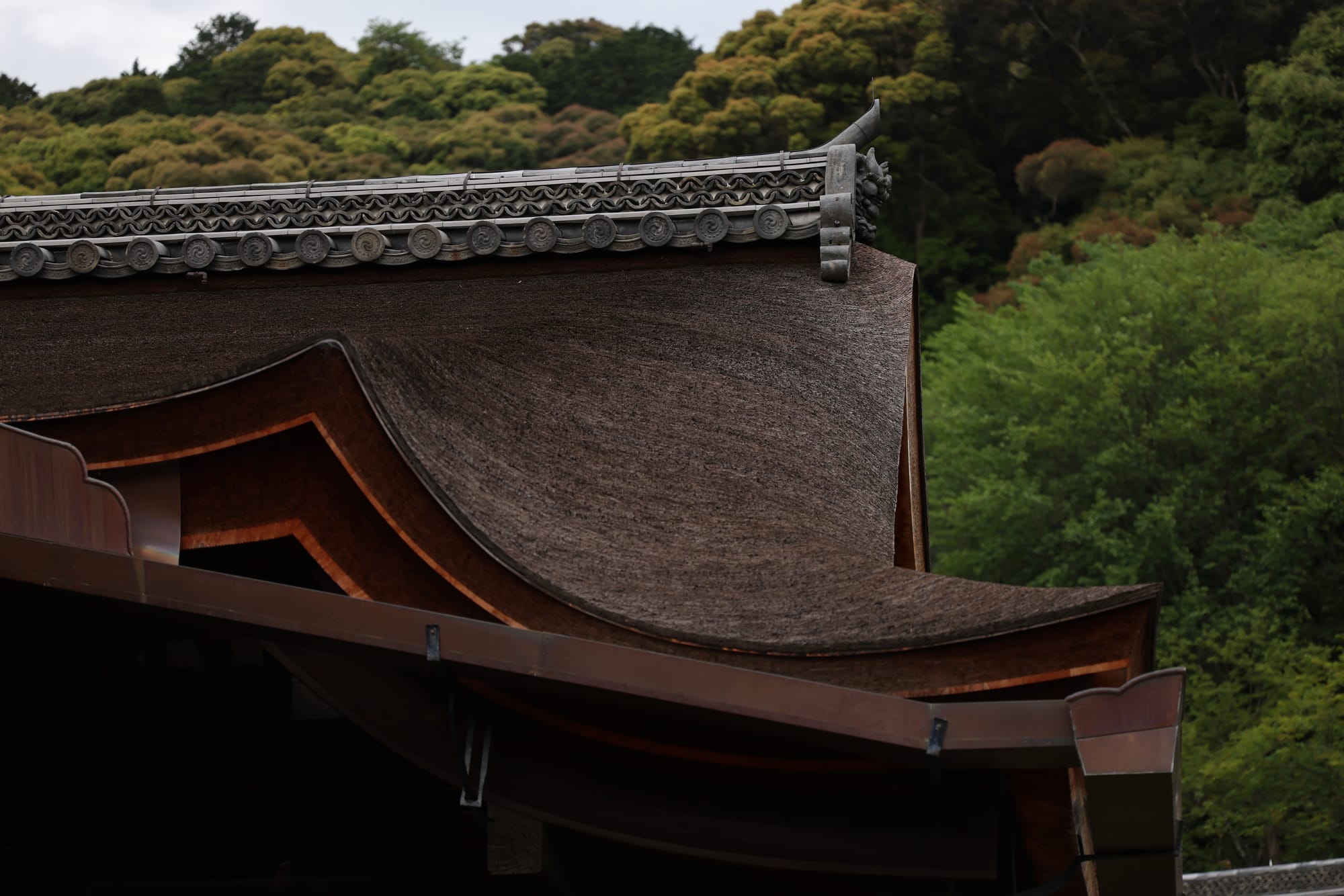
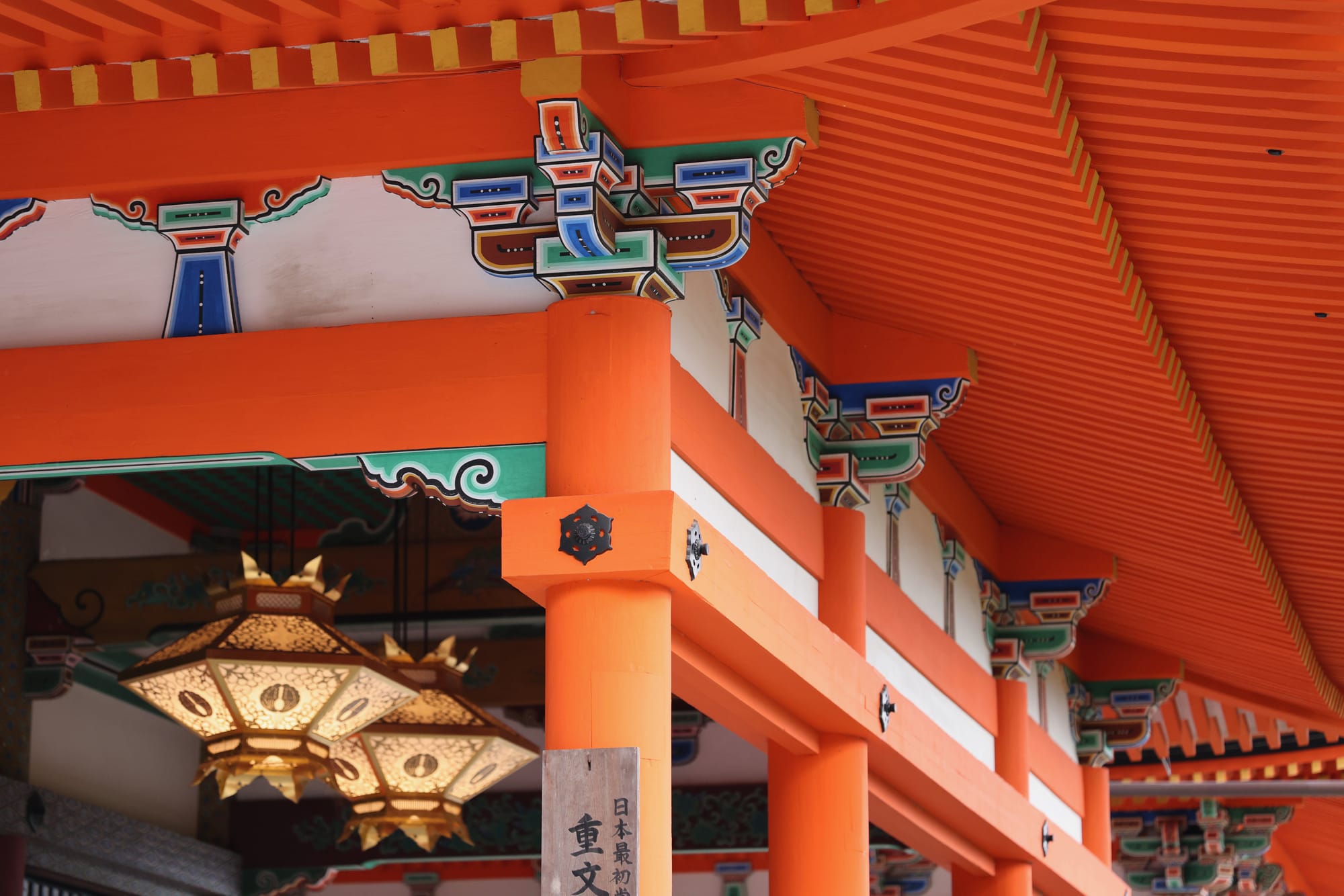
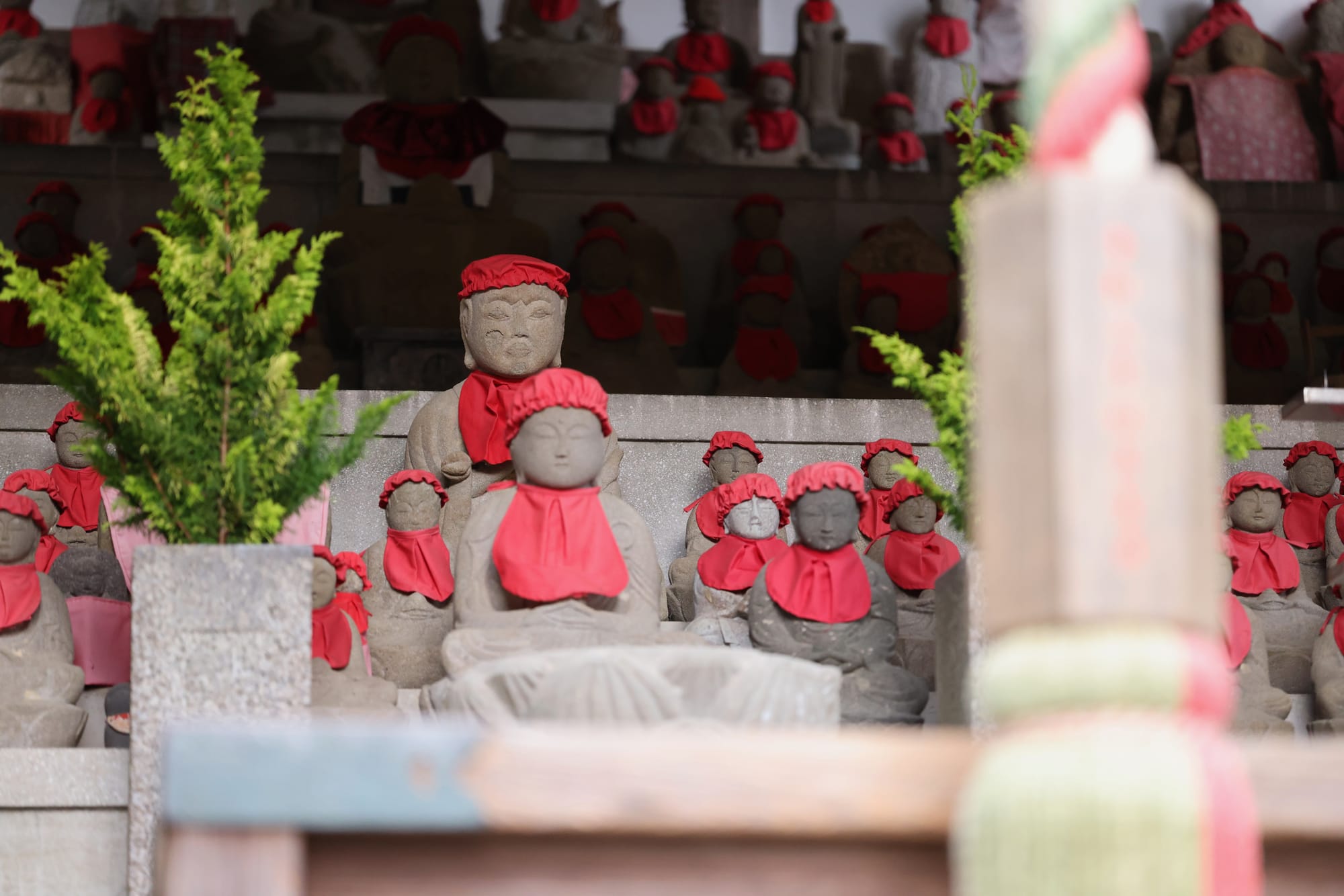
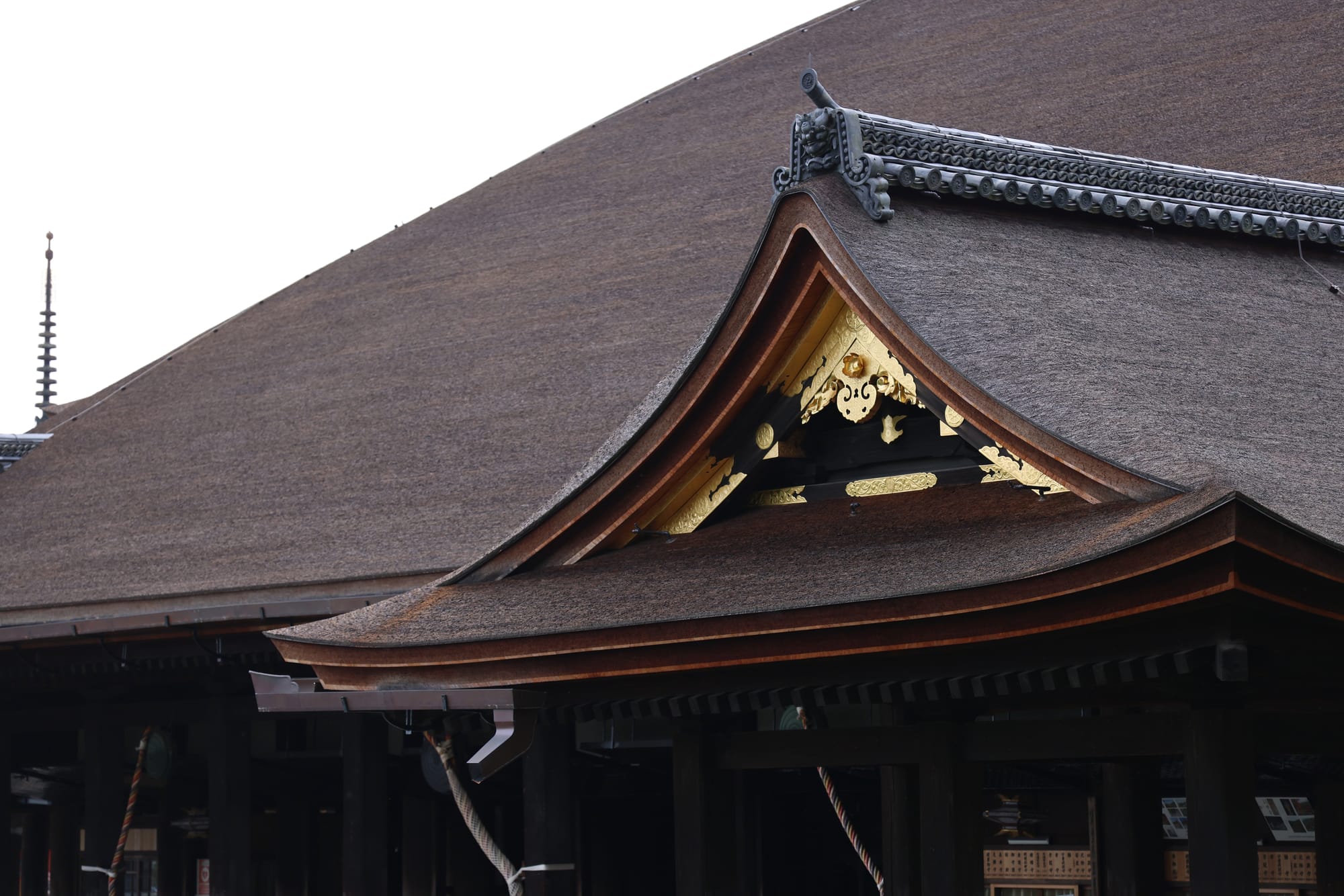
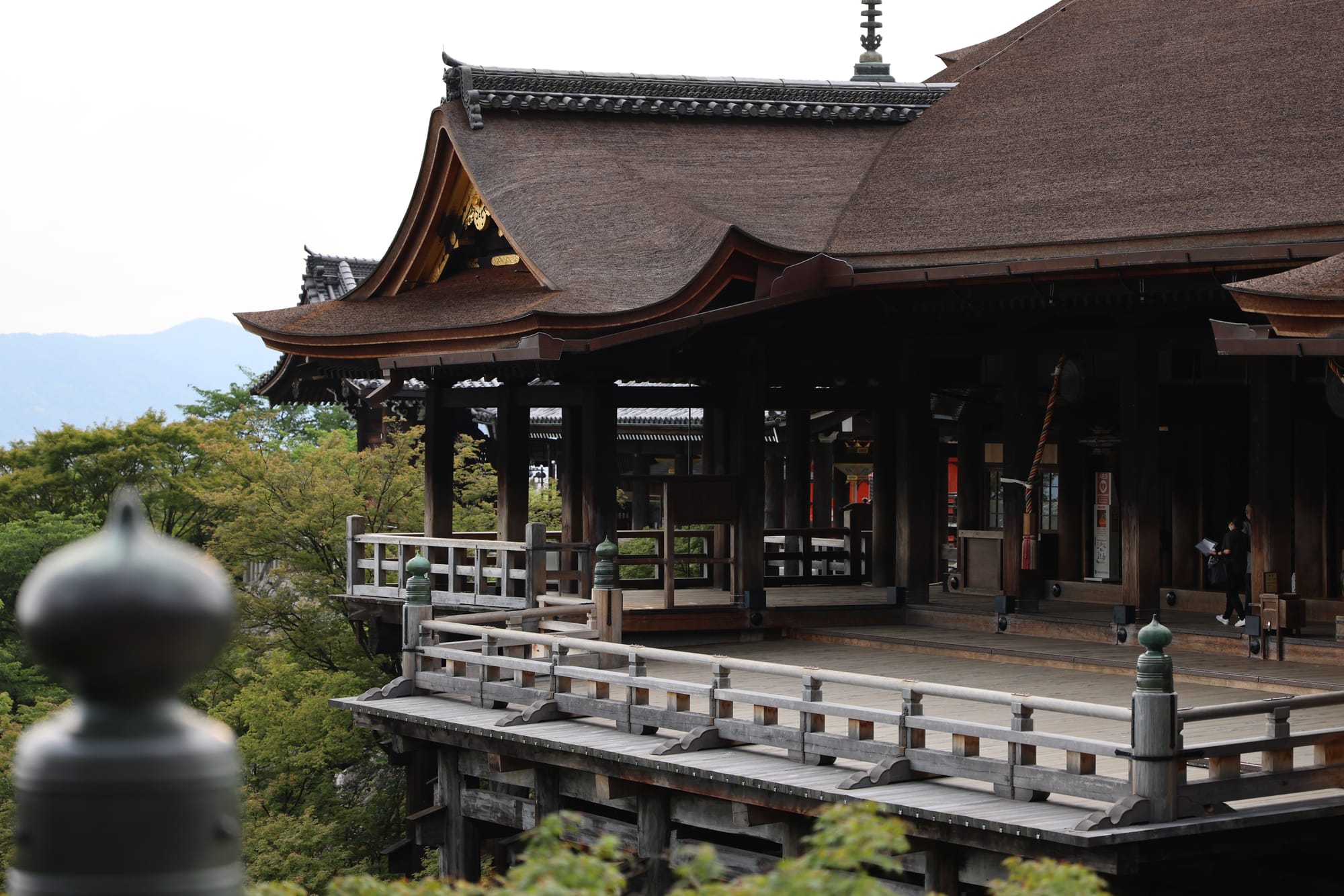
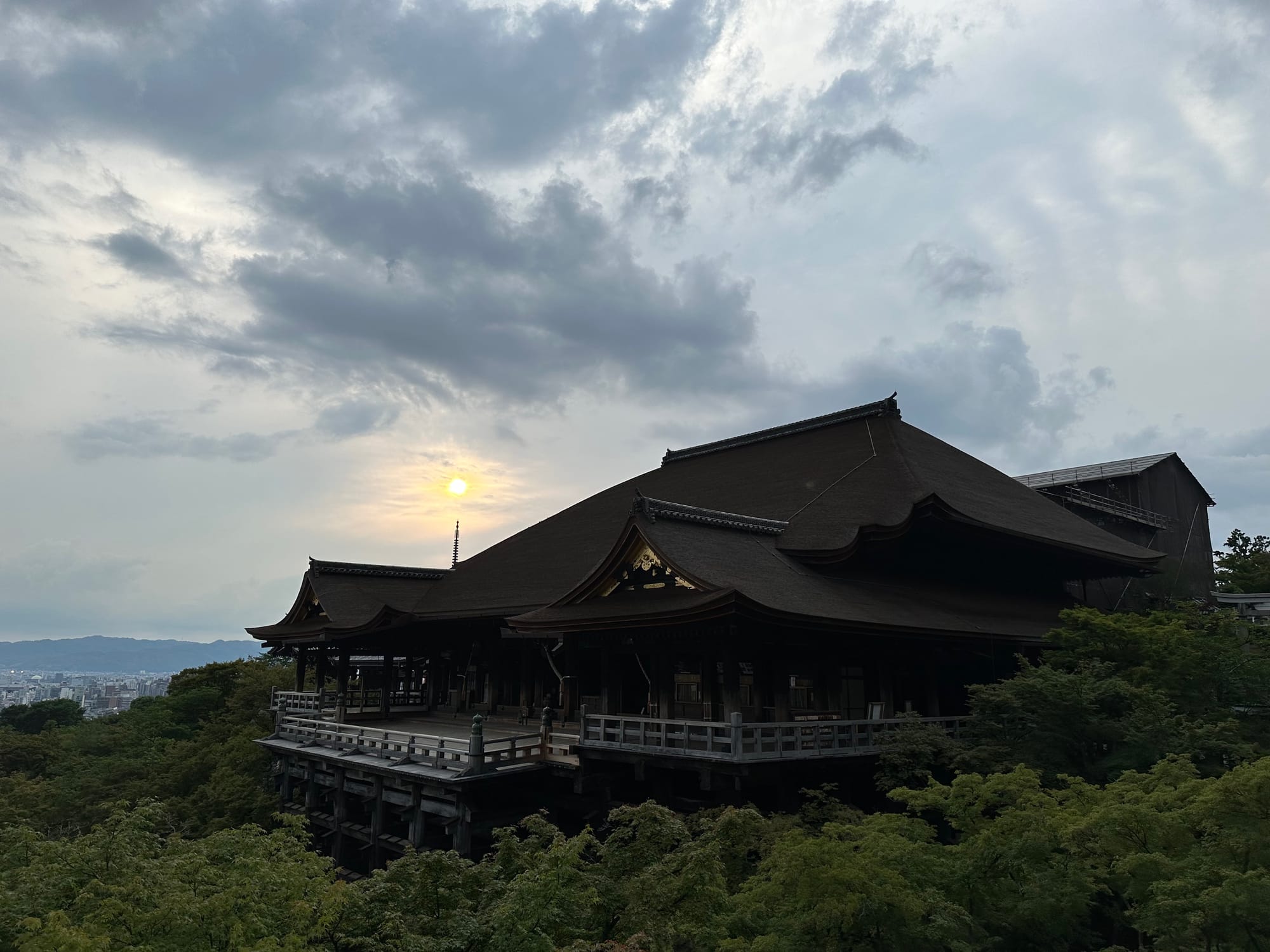
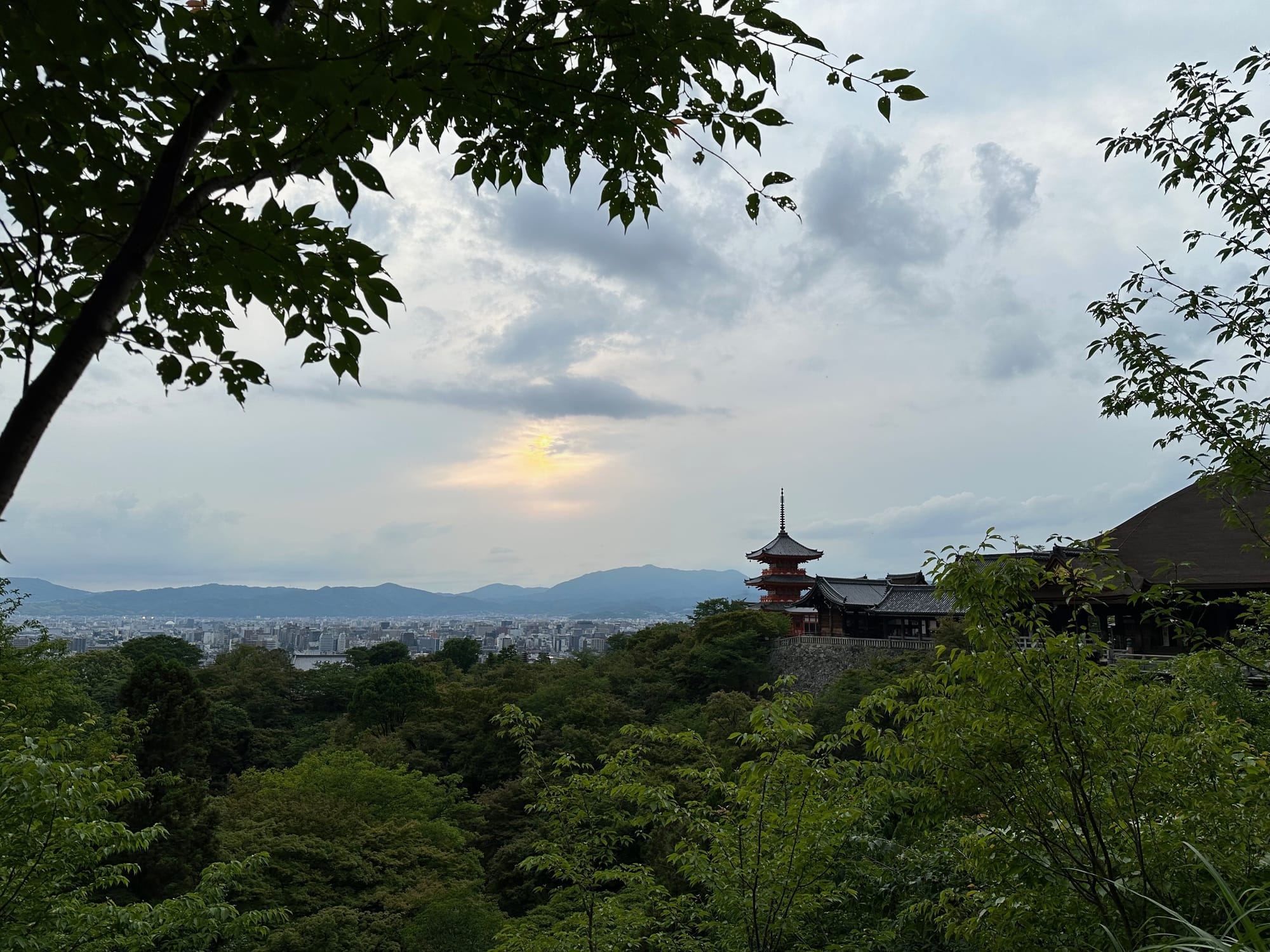
Kiyomizudera temple was one of our favorite temples in Japan. It sits above the city, on gorgeous, lush grounds. The temple is another UNESCO World Heritage Site, and was initiated in the 700s. The architecture is dramatic and very unique. It offers one of the best views of the city, especially in the late afternoon, when the sun lowers a bit and the shade encroaches. The grounds have a sense of space and give you the opportunity to spread out along winding paths, layered under trees. This temple and its grounds were a highlight of the trip.
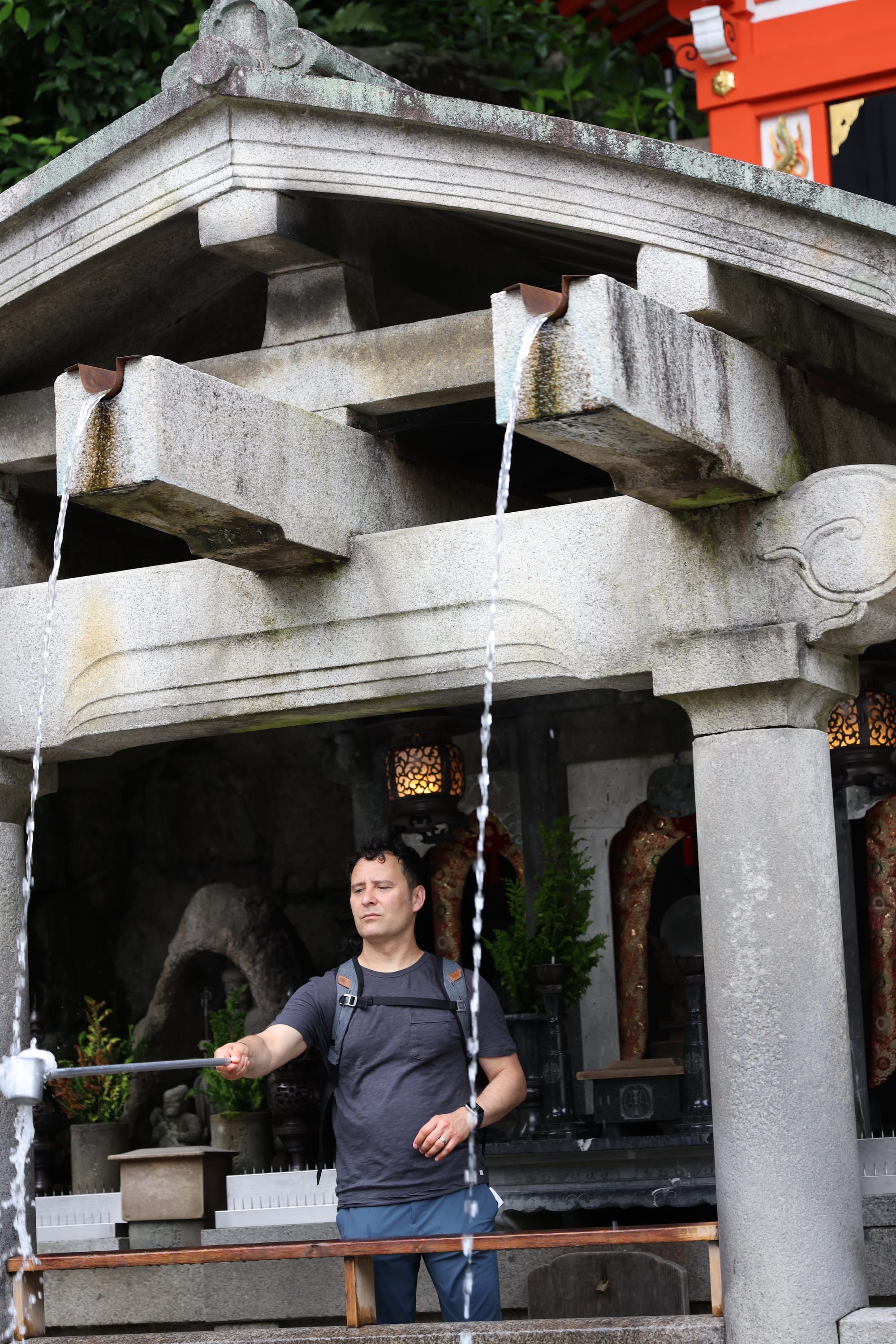
Kiyomizudera (清水寺, literally "Pure Water Temple") is one of the most celebrated temples of Japan. It was founded in 780 on the site of the Otowa Waterfall in the wooded hills east of Kyoto, and derives its name from the fall's pure waters. The temple was originally associated with the Hosso sect, one of the oldest schools within Japanese Buddhism, but formed its own Kita Hosso sect in 1965. In 1994, the temple was added to the list of UNESCO world heritage sites.
Kiyomizudera is best known for its wooden stage that juts out from its main hall, 13 meters above the hillside. The stage affords nice views of the numerous cherry and maple trees below that erupt in a sea of color in spring and fall, as well as of the city of Kyoto in the distance. The main hall, which together with the stage was built without the use of nails, houses the temple's primary object of worship, a small statue of the eleven faced, thousand armed Kannon.
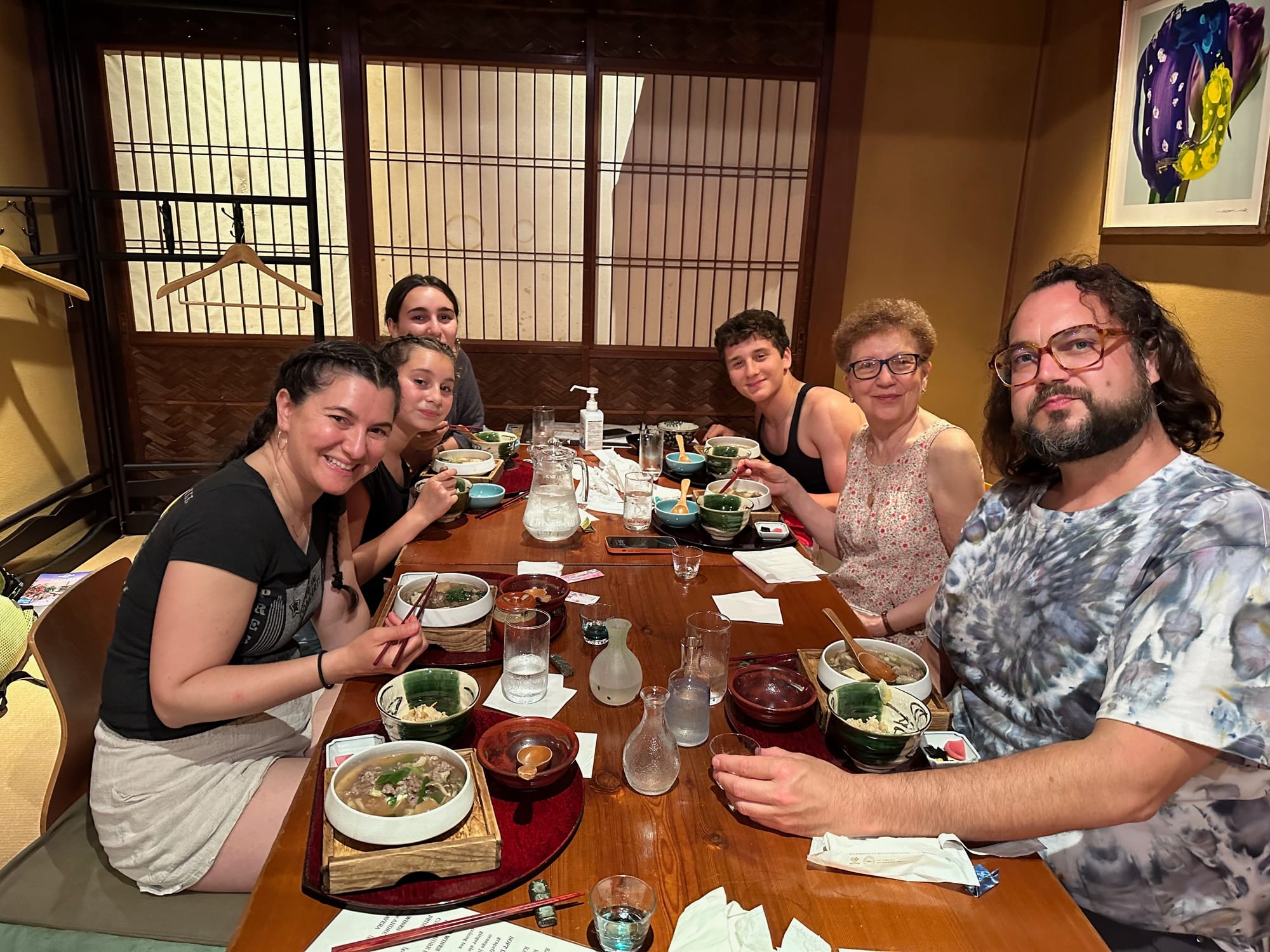
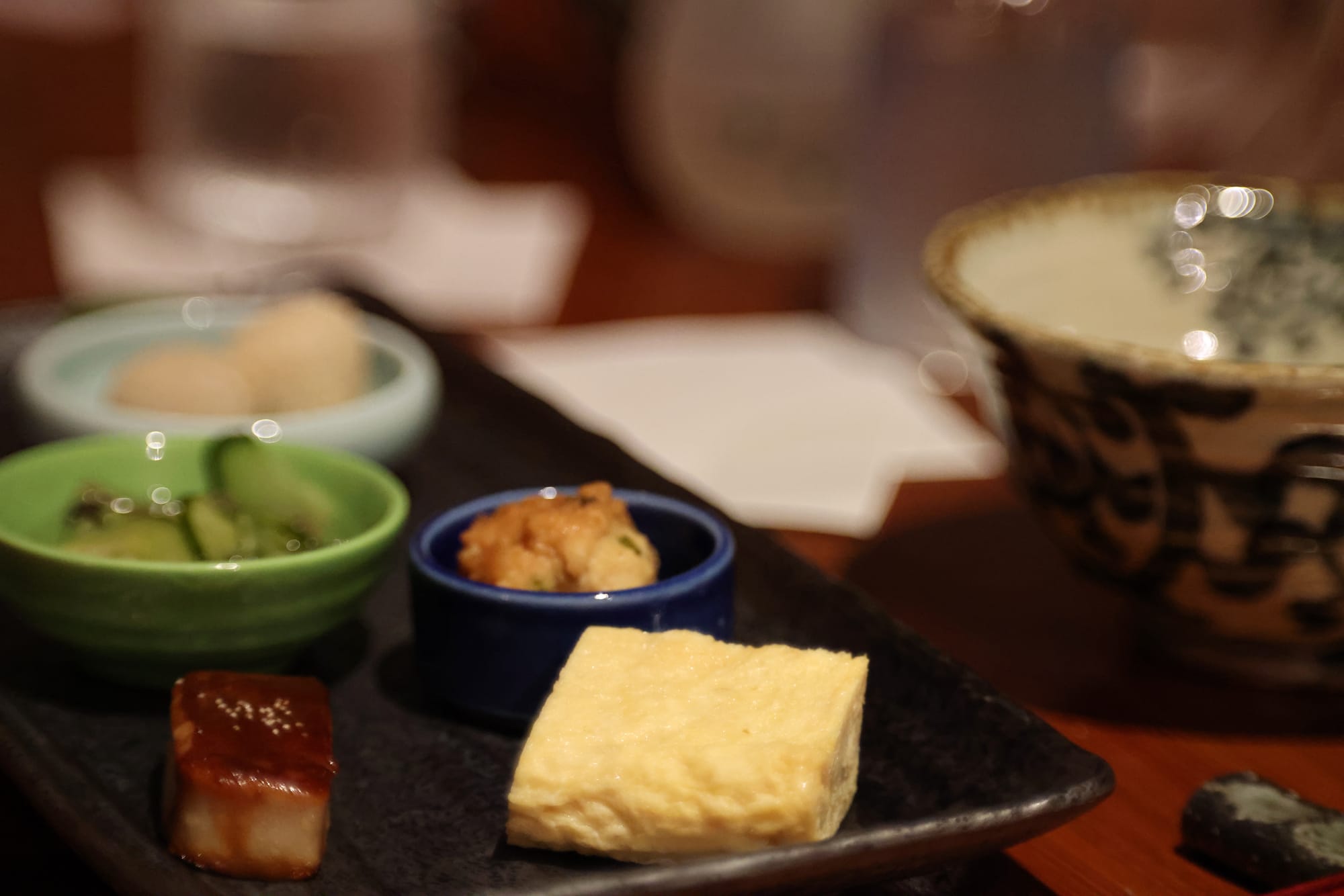
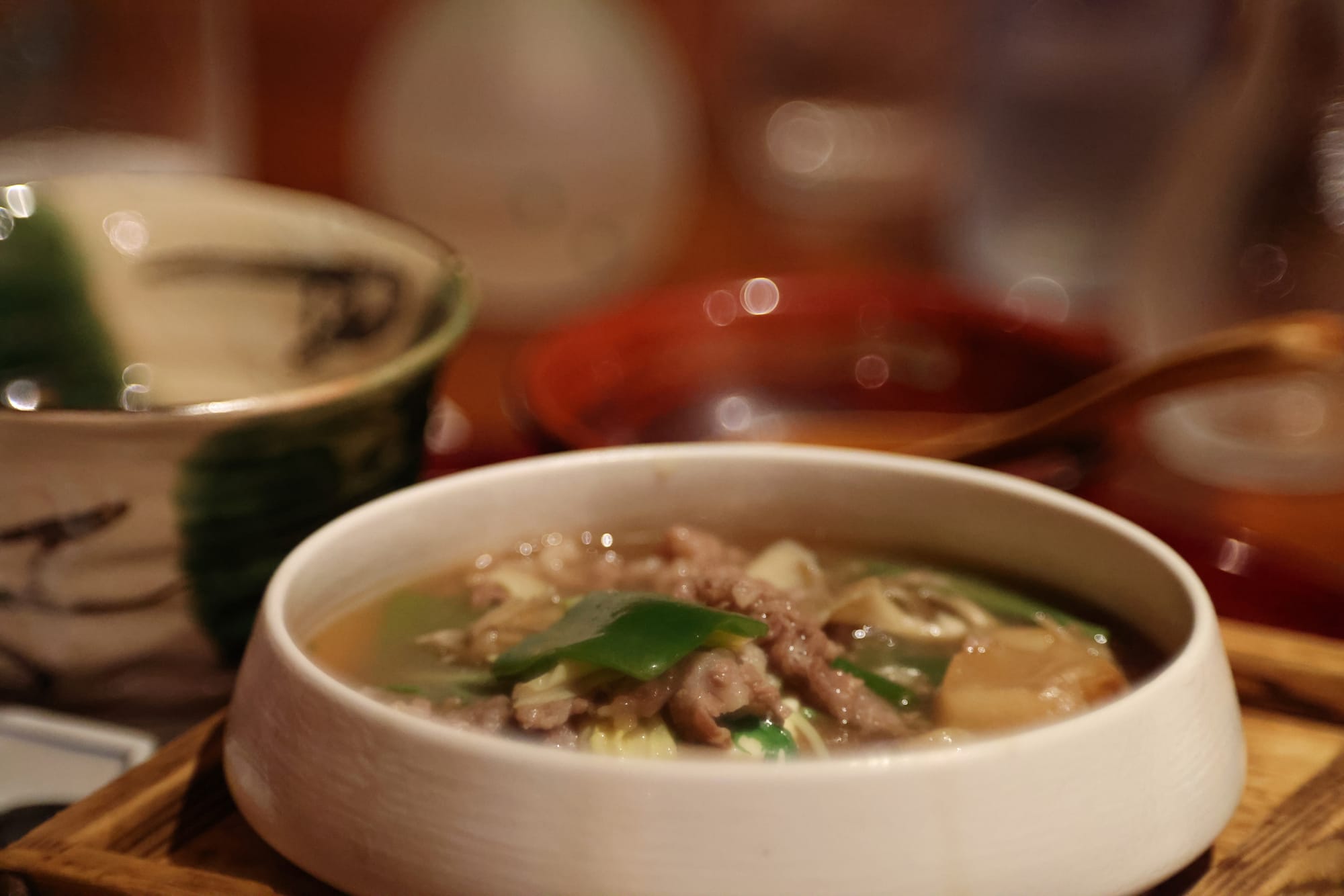
We finished the night with our first full set meal of the trip. Everything was amaaazing! And the kids were brave.