Monday - another castle, and then winding up the alps
We were up a little earlier than planned in the old Matsumoto home, because ... chickens! Up at dawn and making quite a racket right outside our bedroom. The day started on their schedule. Our hosts fed us very well one last time, and then we were off with our things to visit the main attraction in town, the black castle.
Matsumoto (松本) is the second largest city in Nagano Prefecture. It is most famous for Matsumotojo, one of Japan's most beautiful original castles. The city is also a good base for trips into the Japanese Alps, e.g. to Kamikochi, Norikura or the Tateyama-Kurobe Alpine Route.
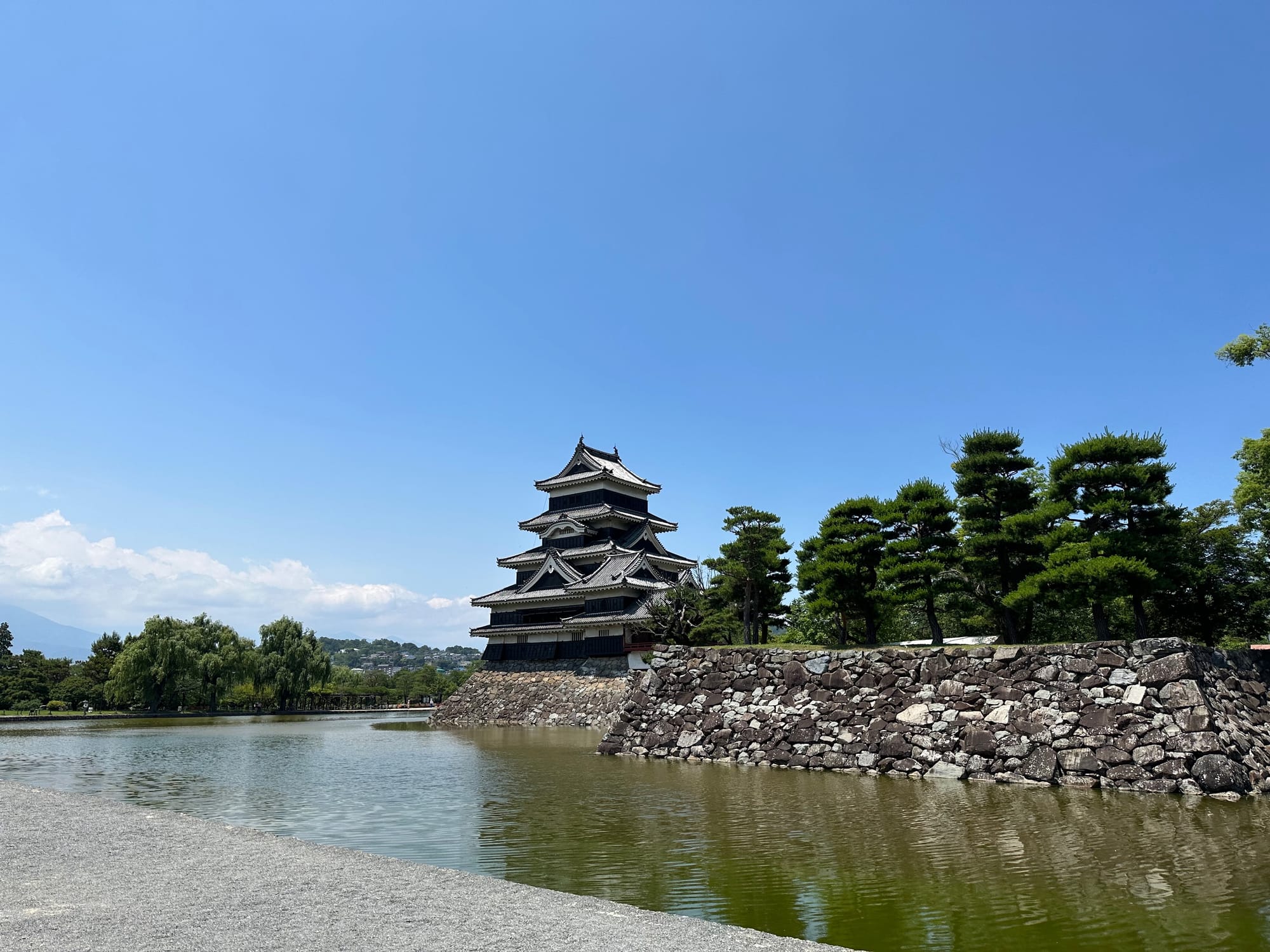
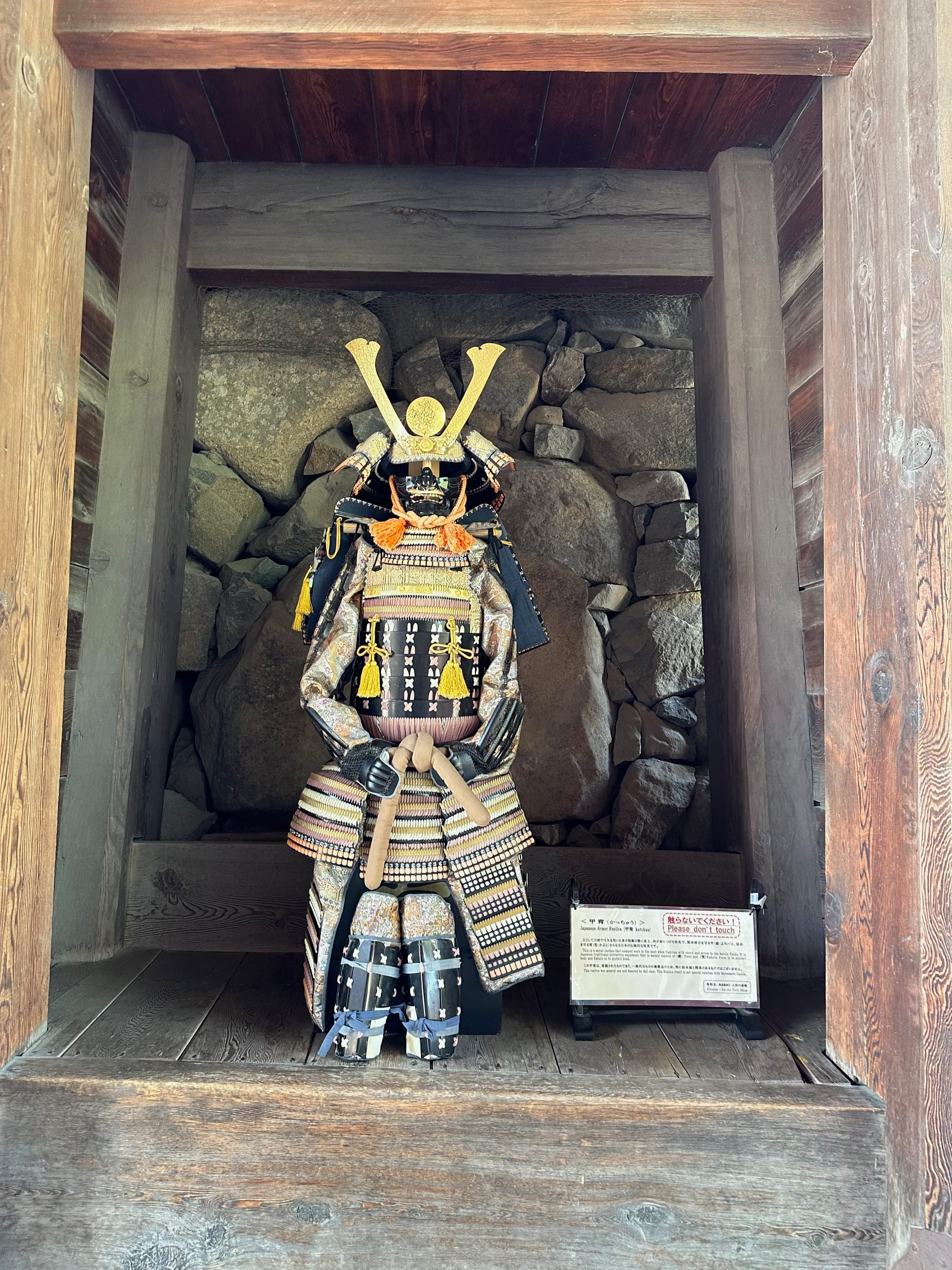
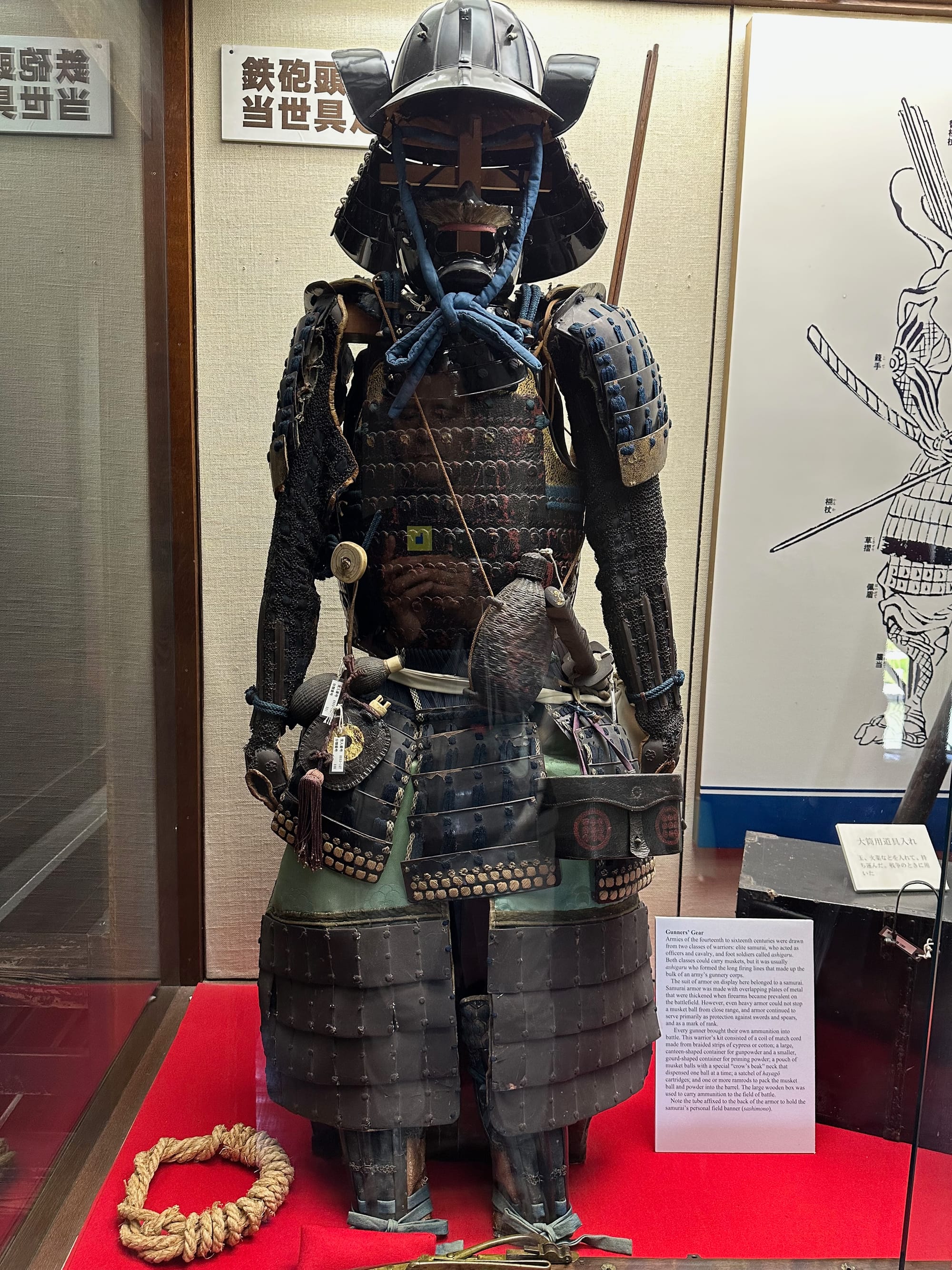
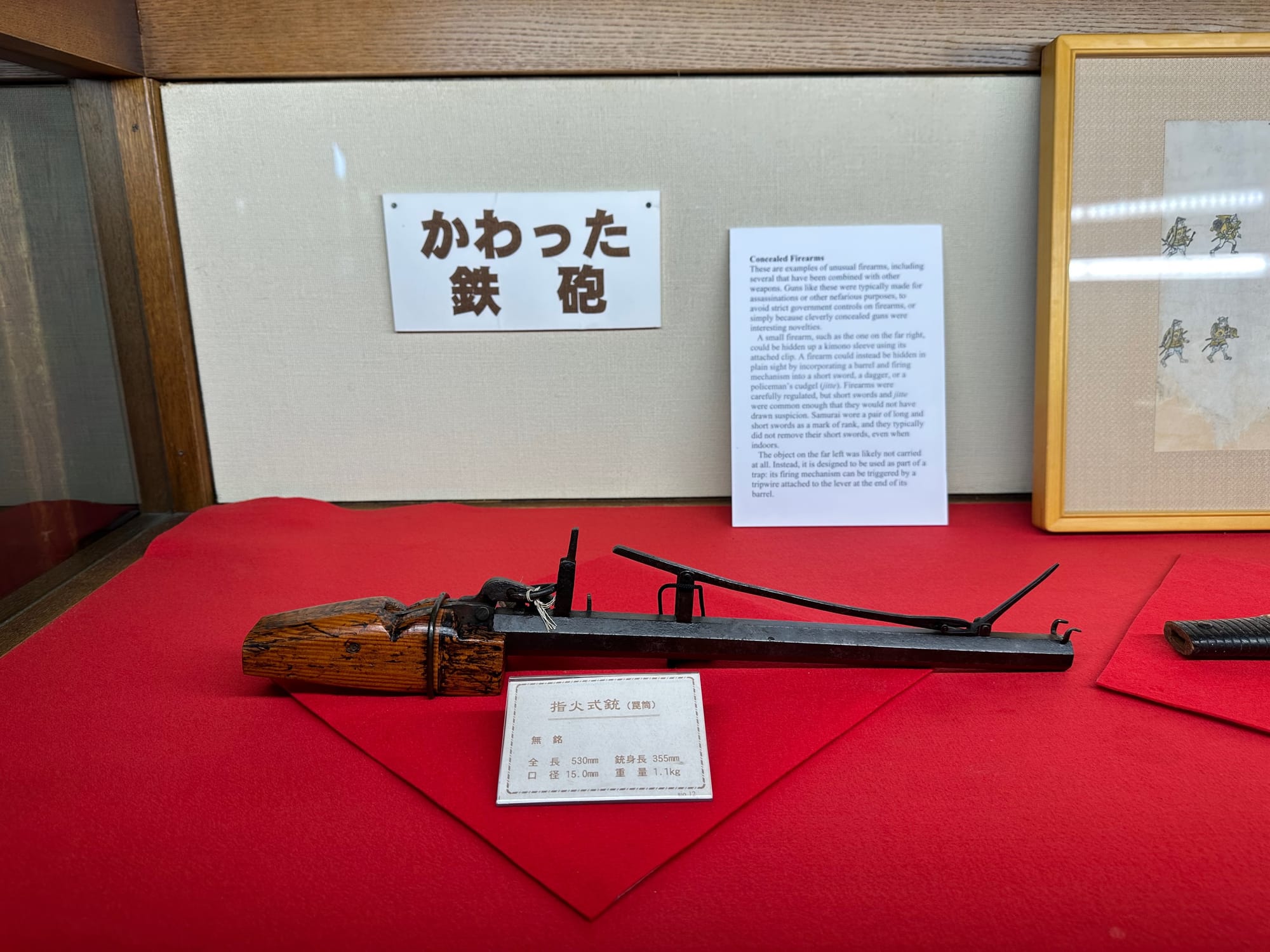
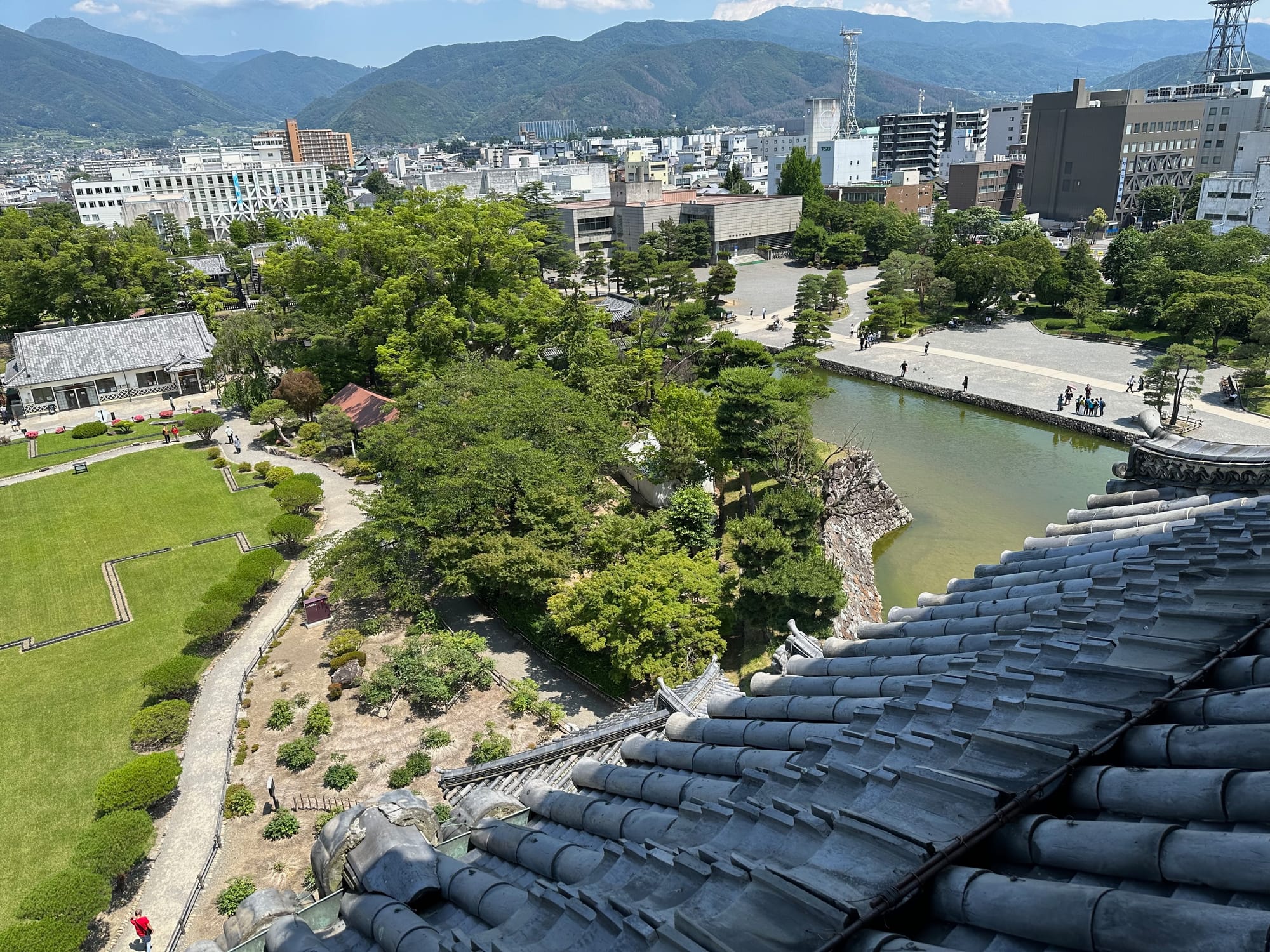
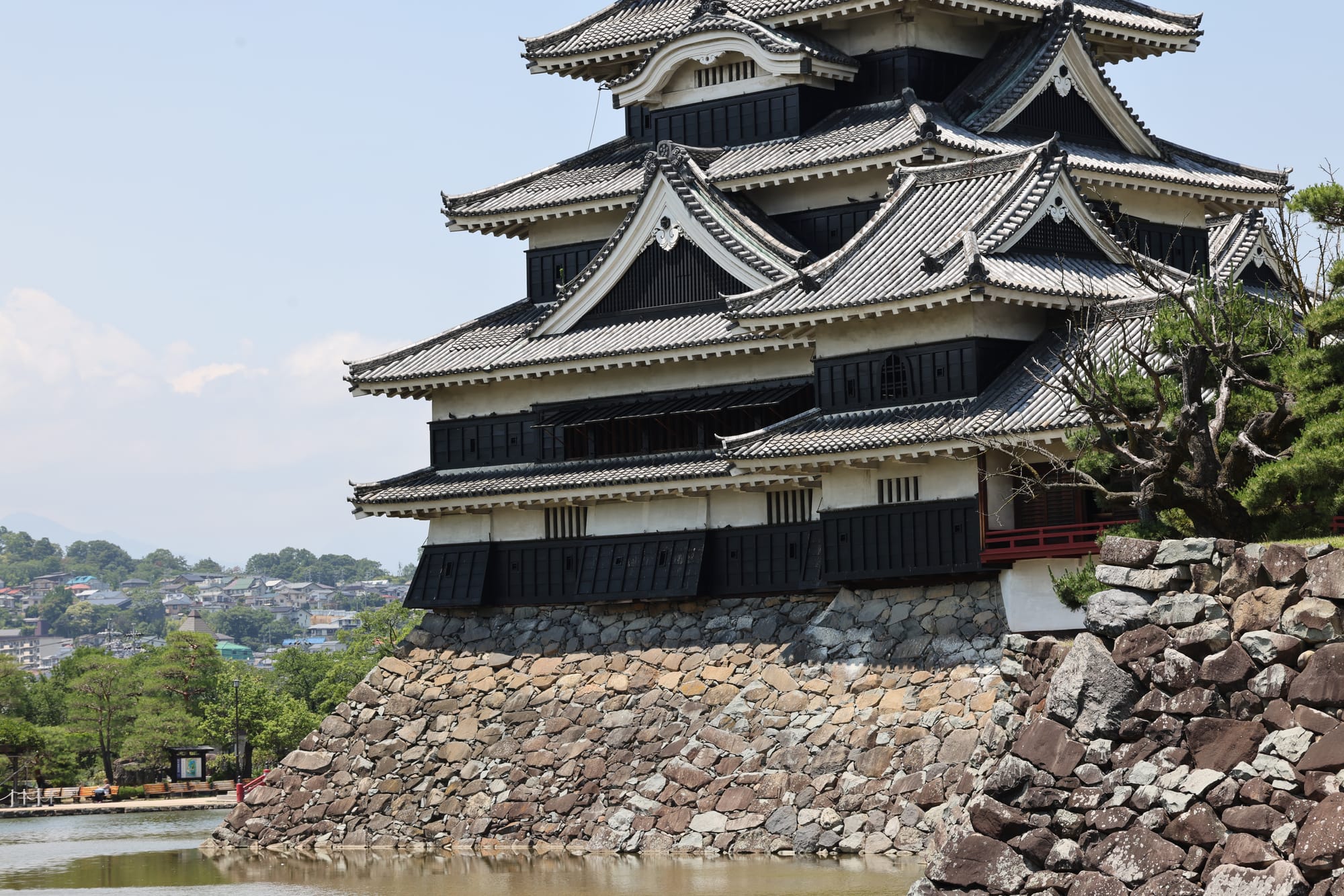
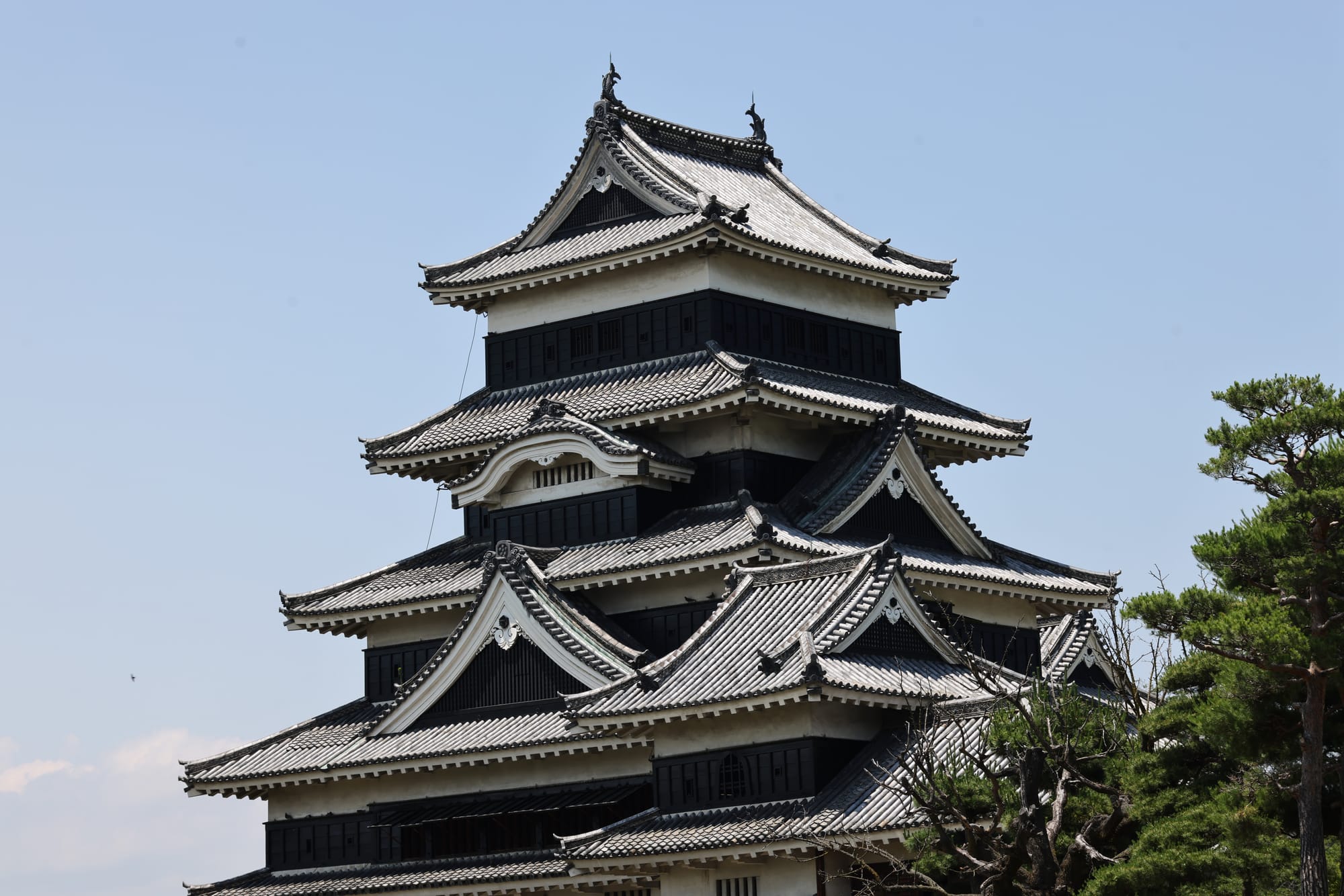
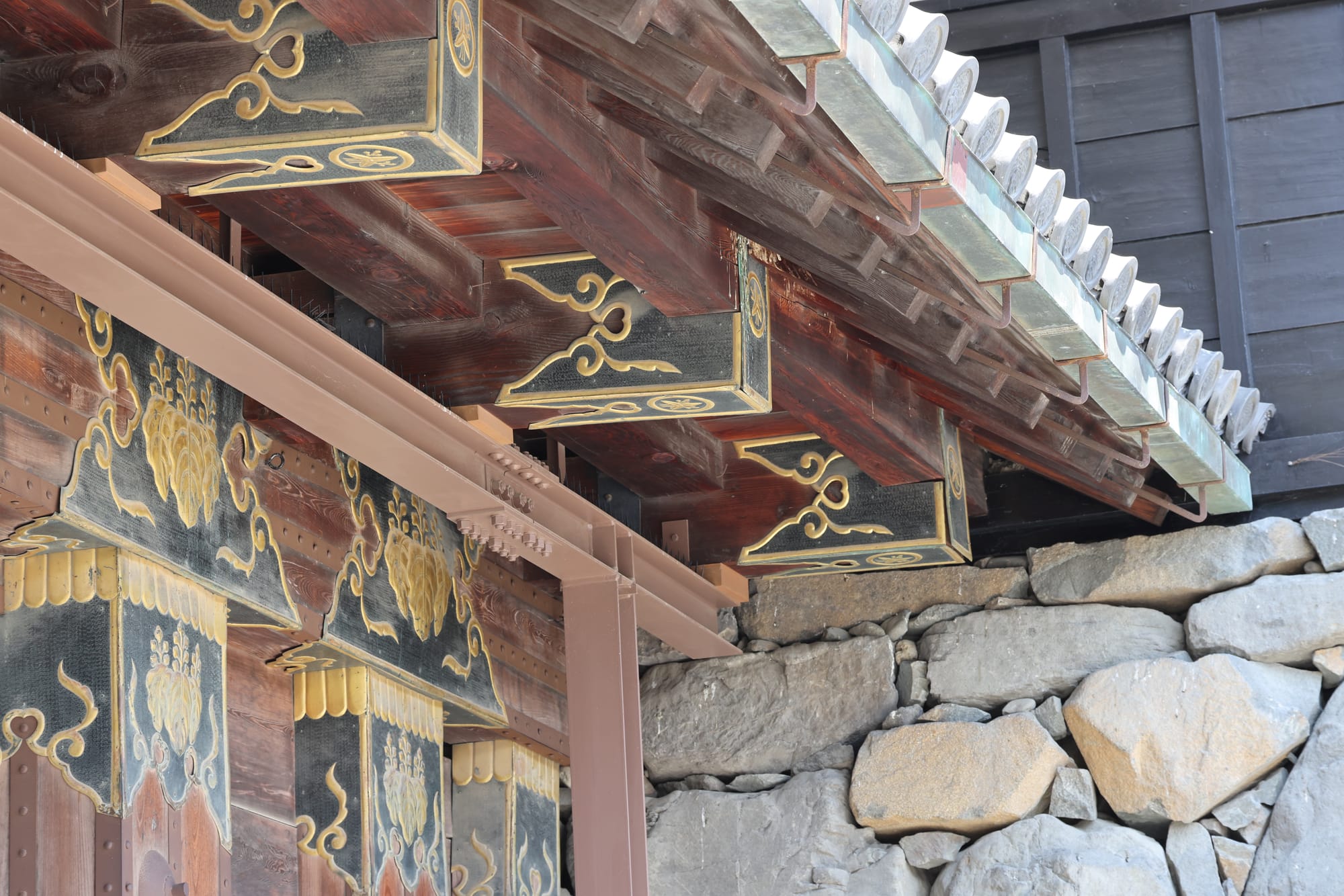
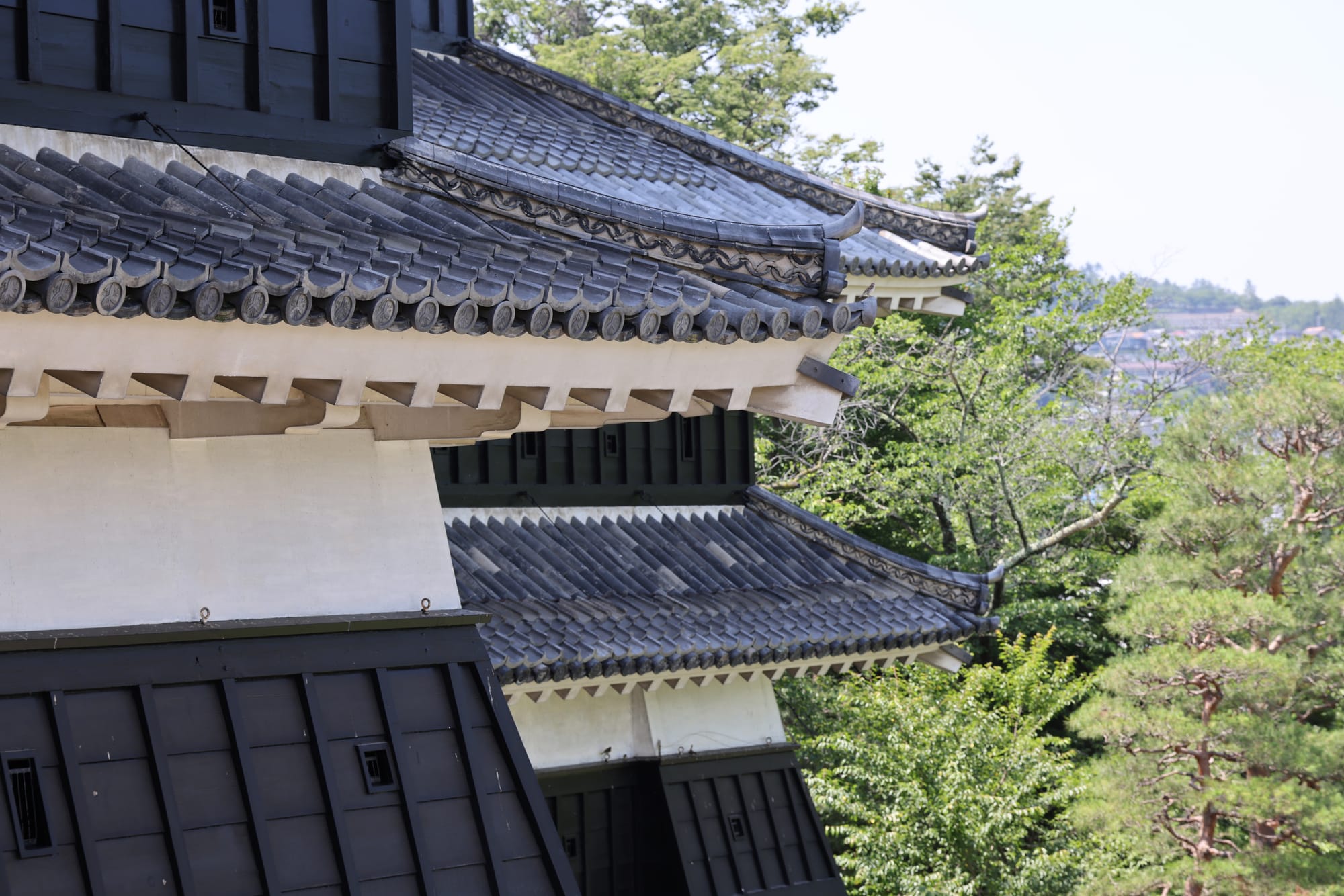
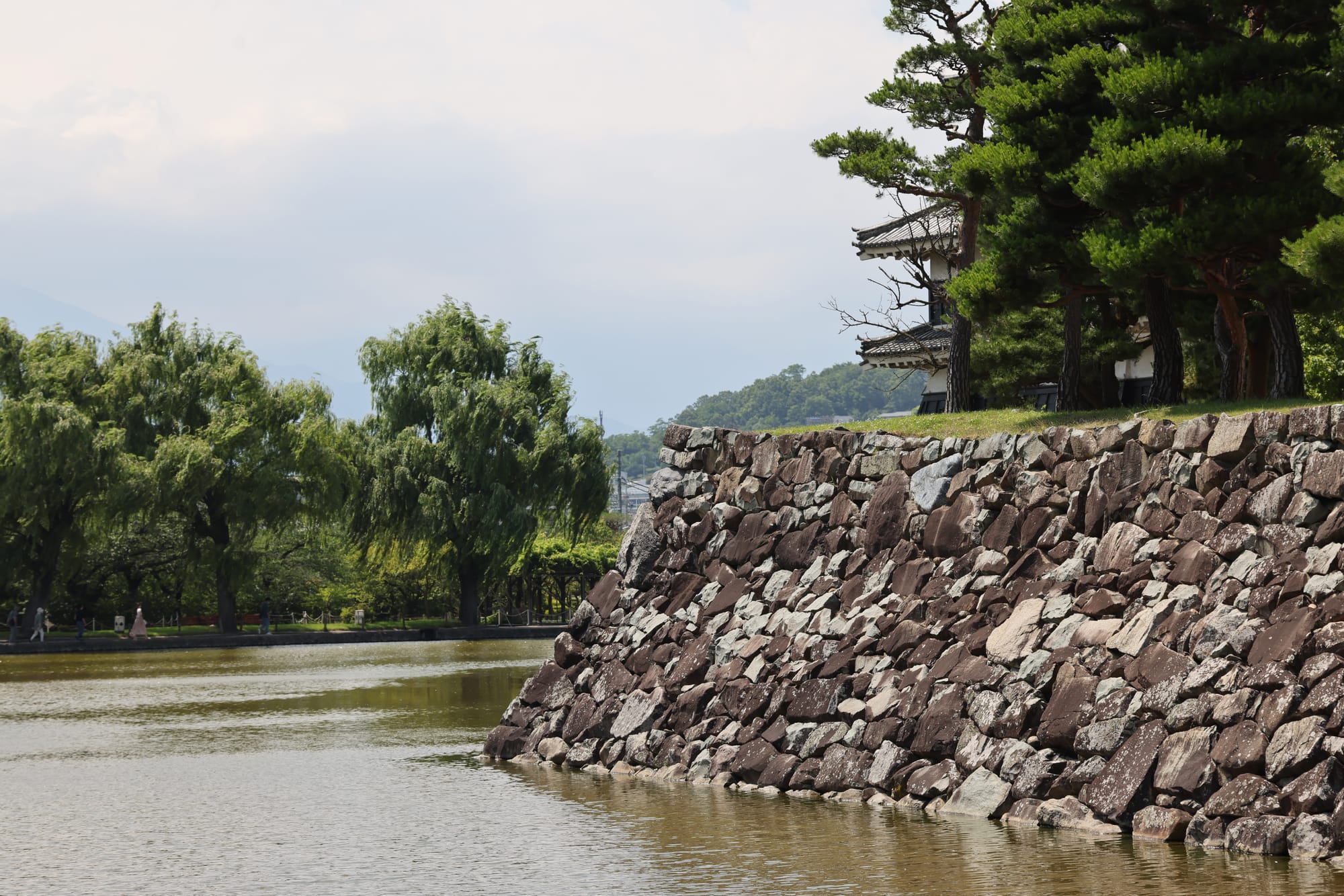
Matsumoto Castle (松本城, Matsumotojō) is one of the most complete and beautiful among Japan's original castles, i.e. the castles whose keeps have survived the post-feudal ages intact. It was built on the plains rather than on a hill or mountain. Matsumoto Castle is unique for having both a secondary donjon and a turret adjoined to its main keep. The castle structures, in combination with their characteristic black wainscoting, give off an air of grandeur and poise.
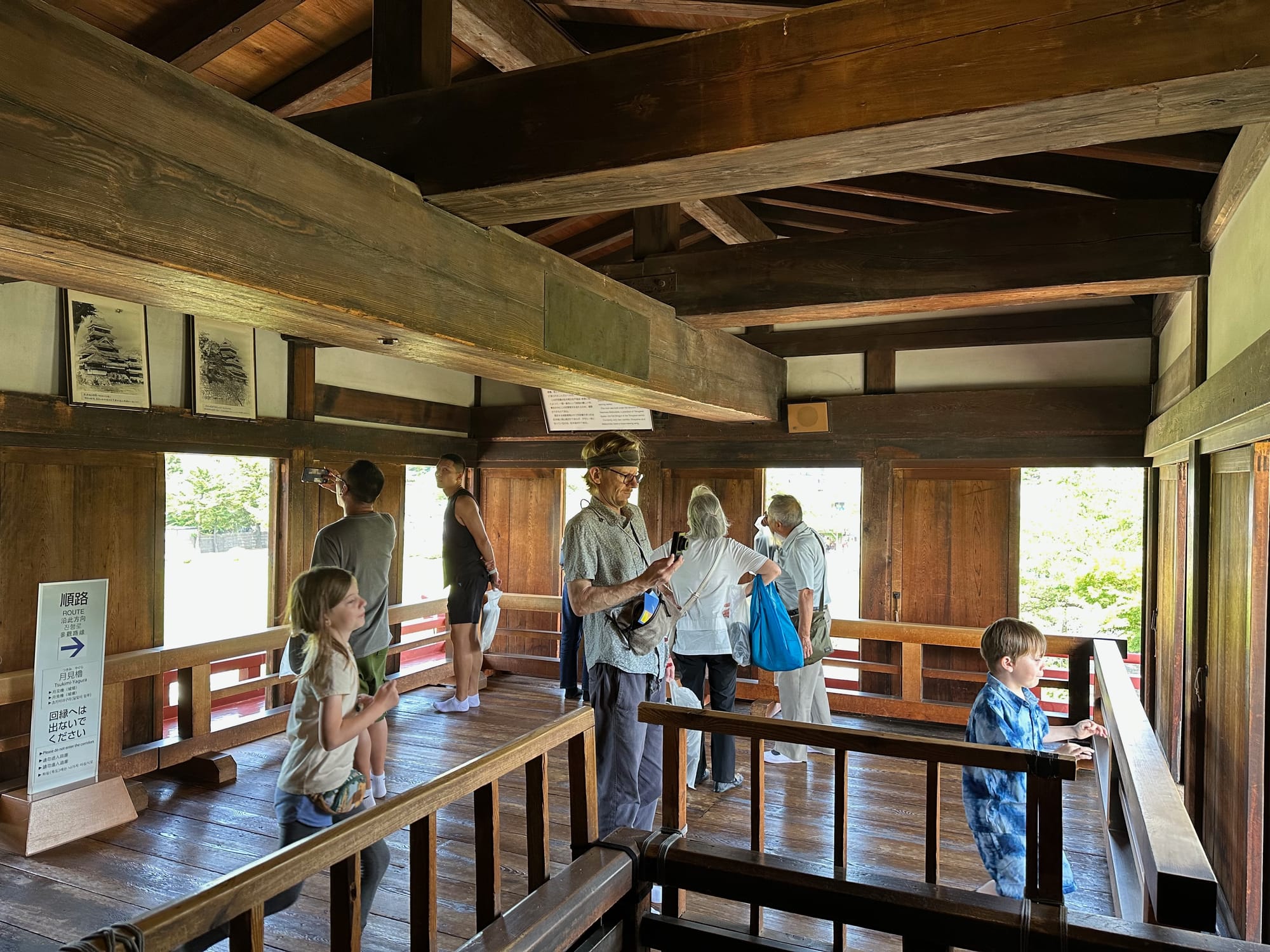
Matsumotojo's main castle keep and its smaller, second donjon were built from 1592 to 1614. Both these structures were well-fortified as peace was not yet fully achieved at the time. In 1635, when military threats had ceased, a third, barely defended turret and another for moon viewing were added to the castle.

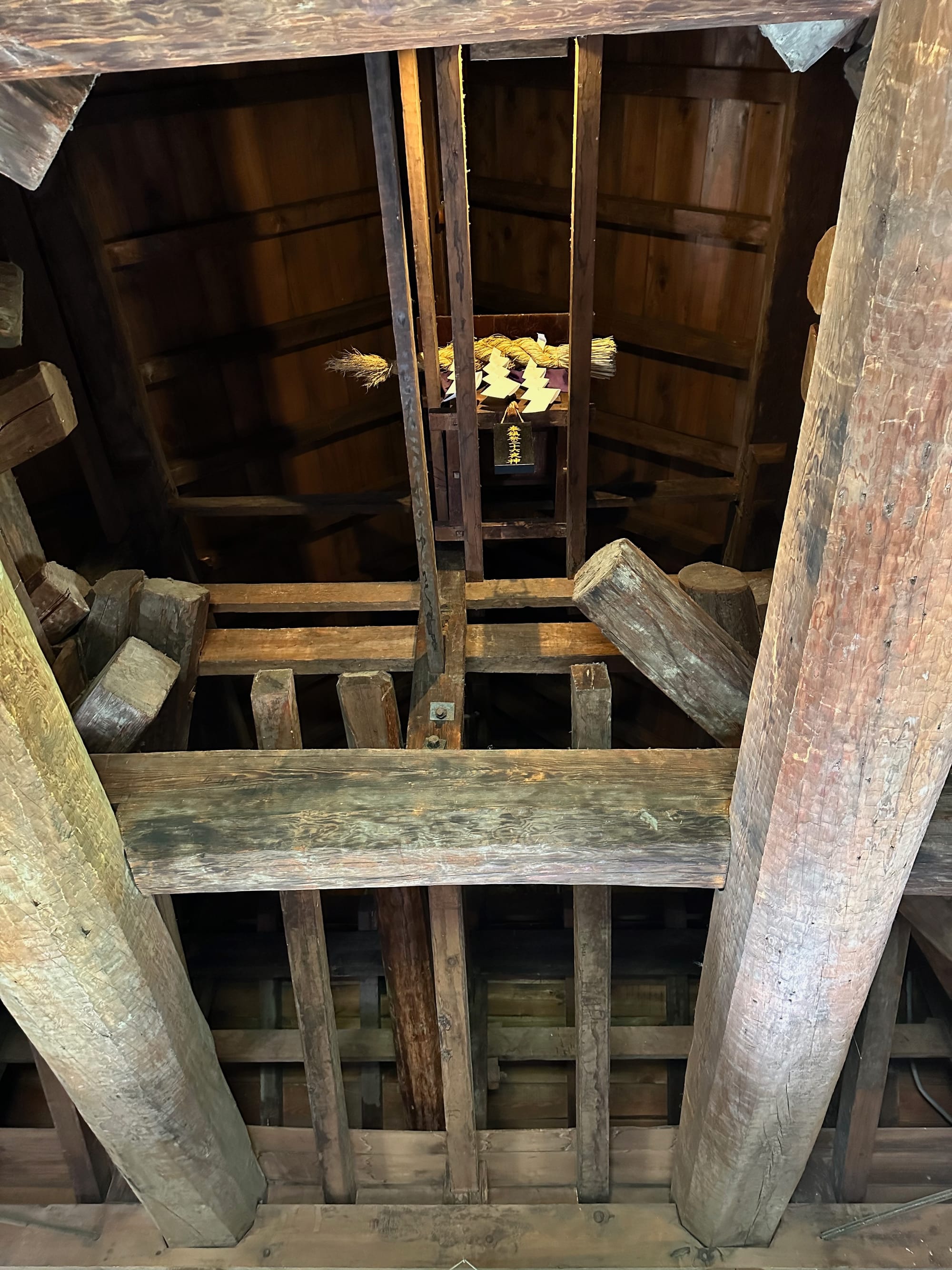
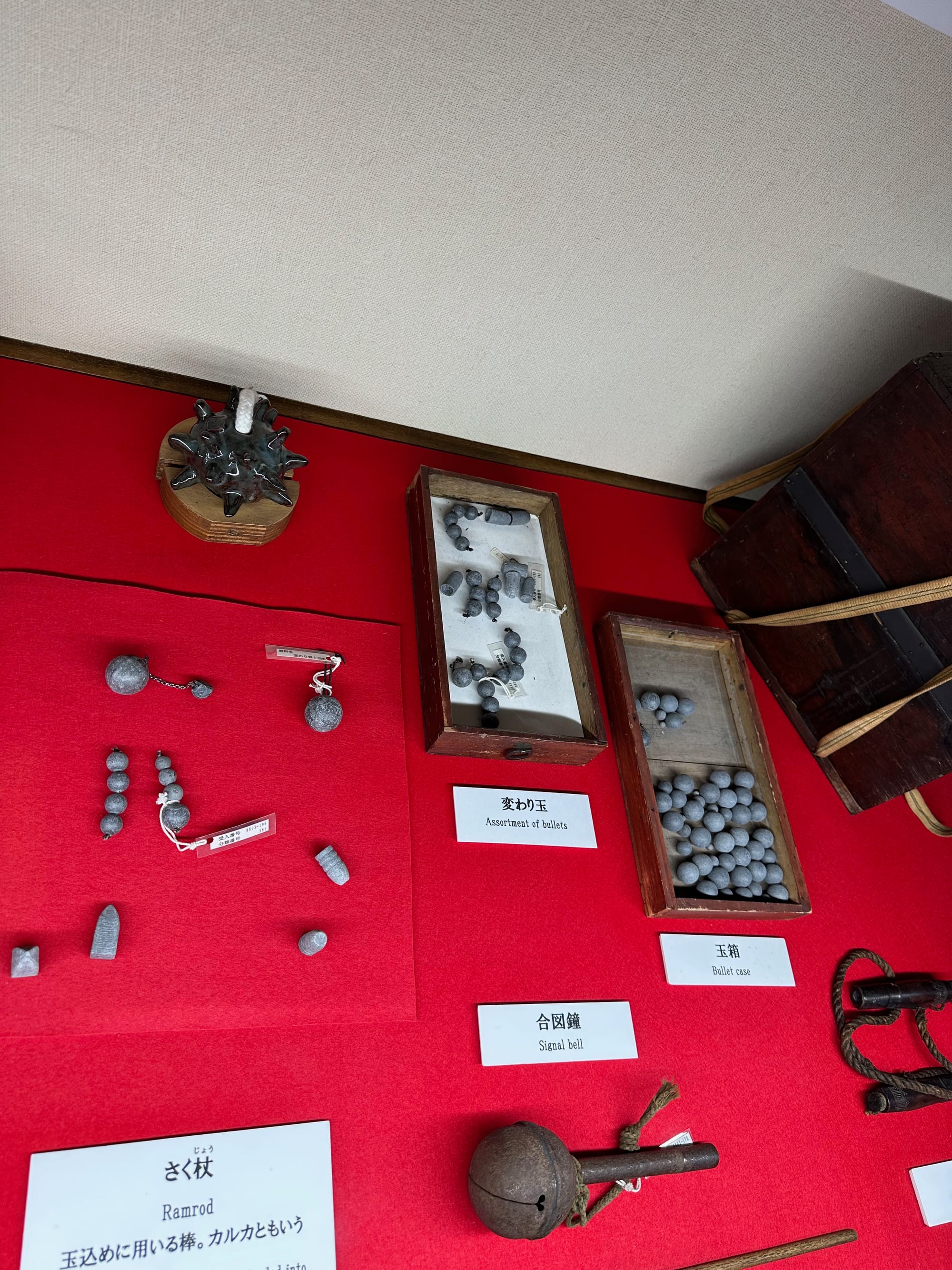
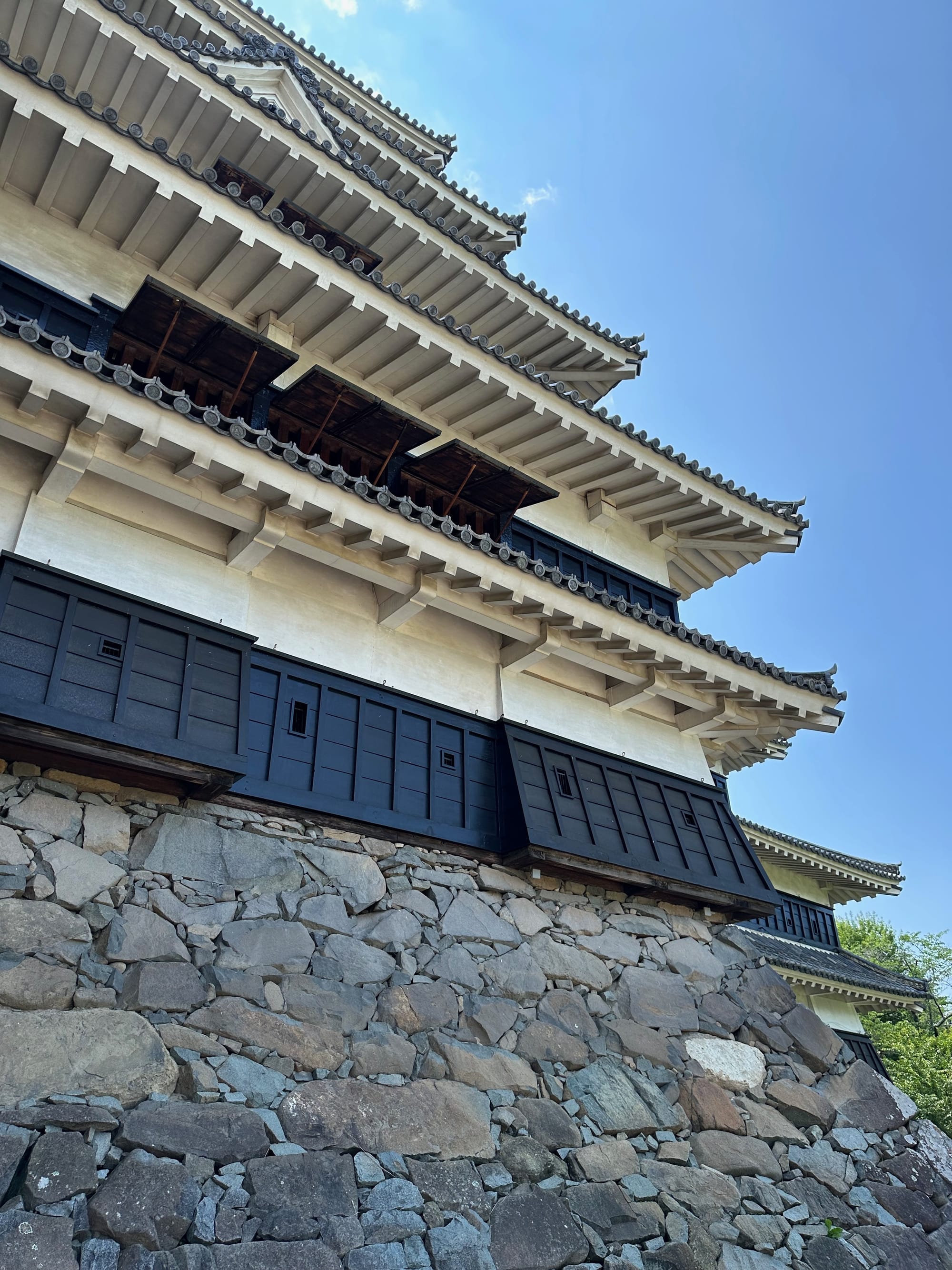
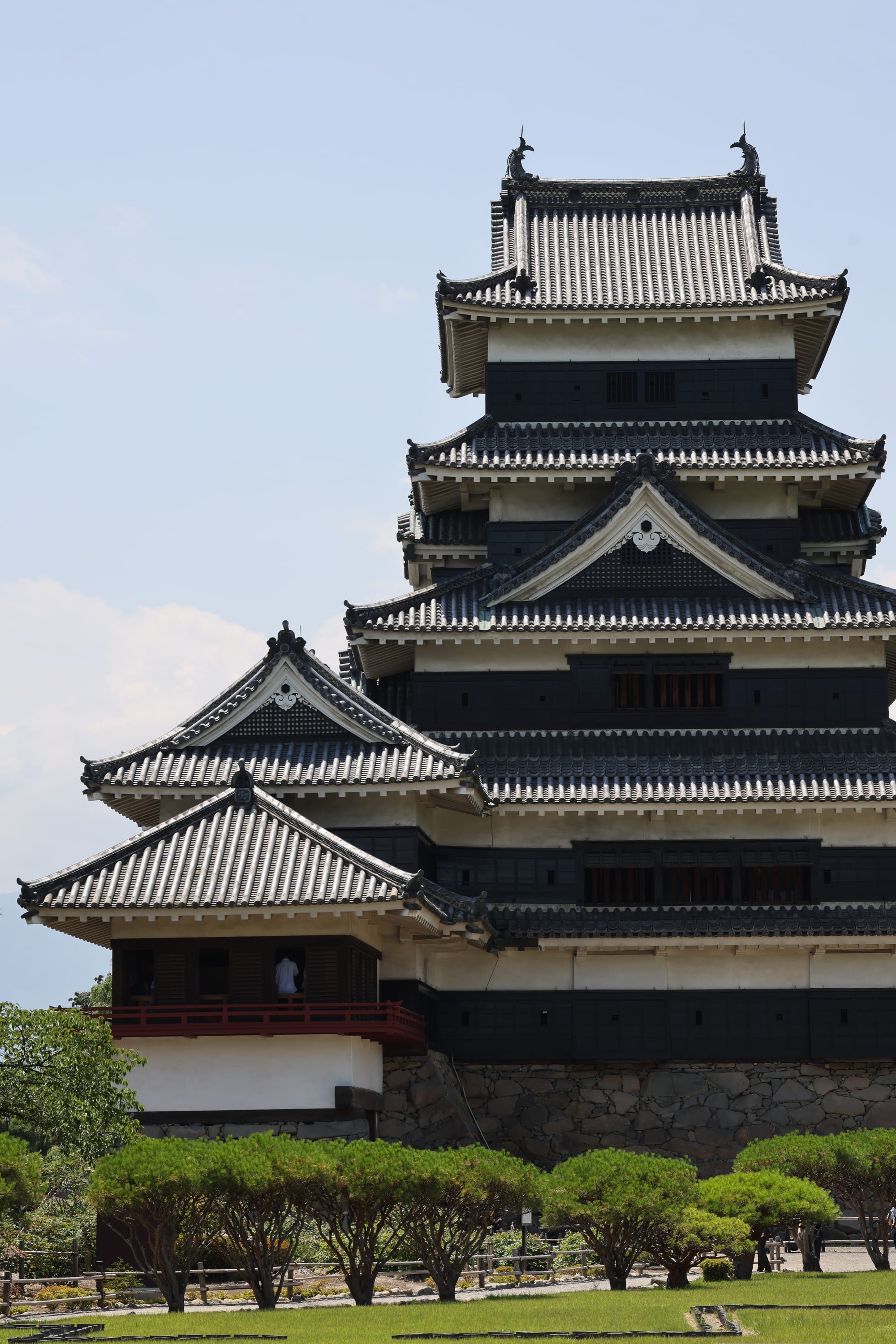
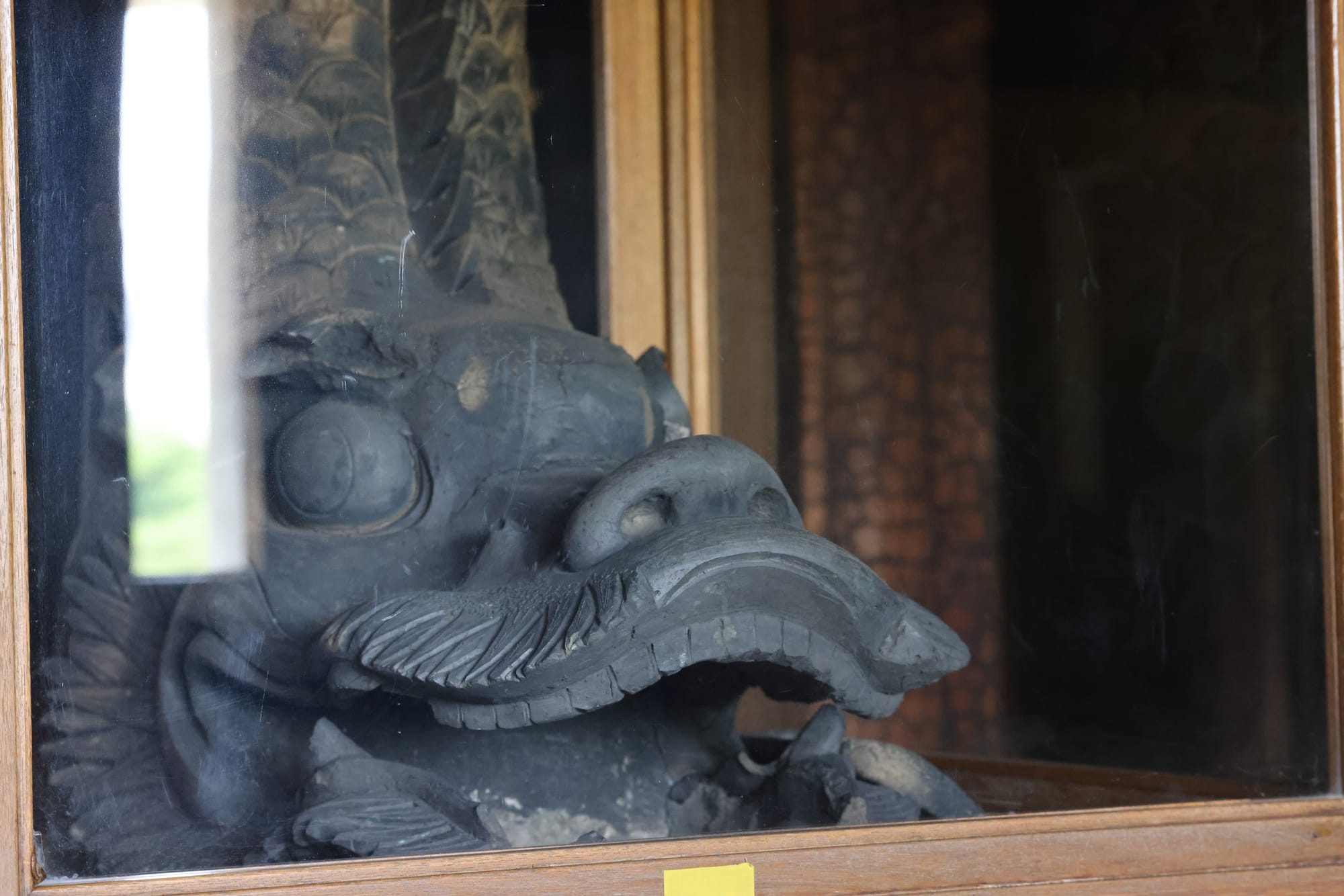
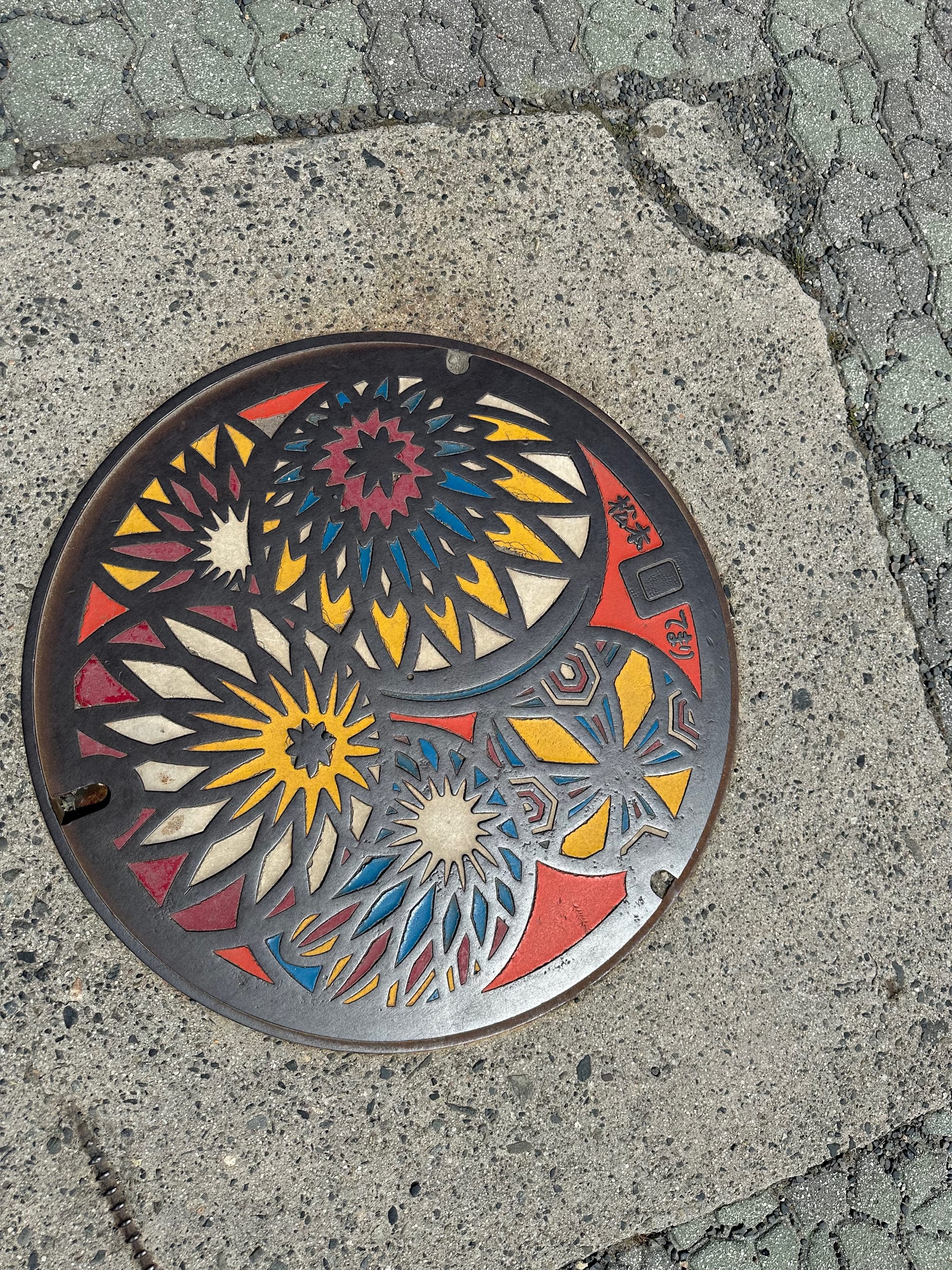
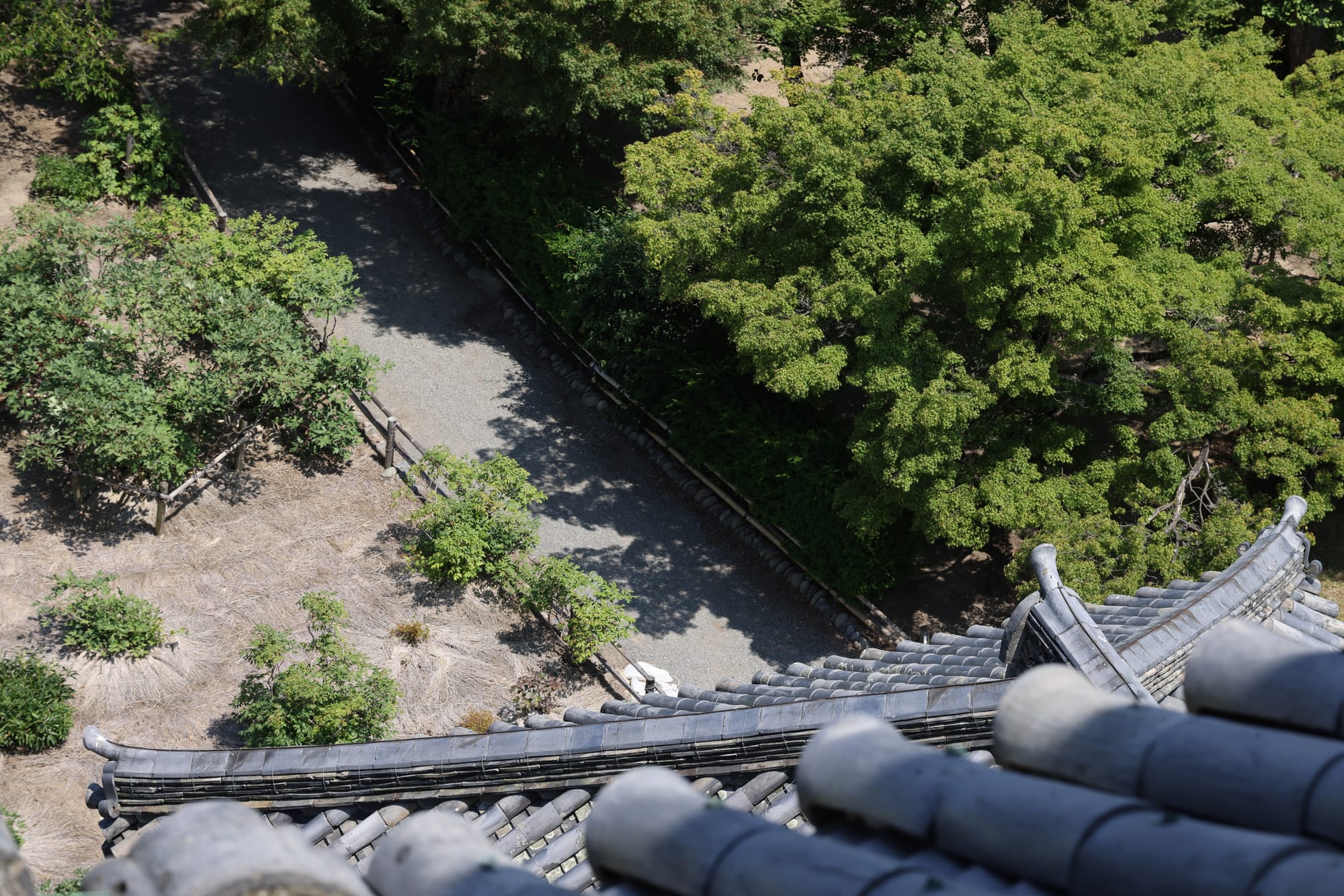
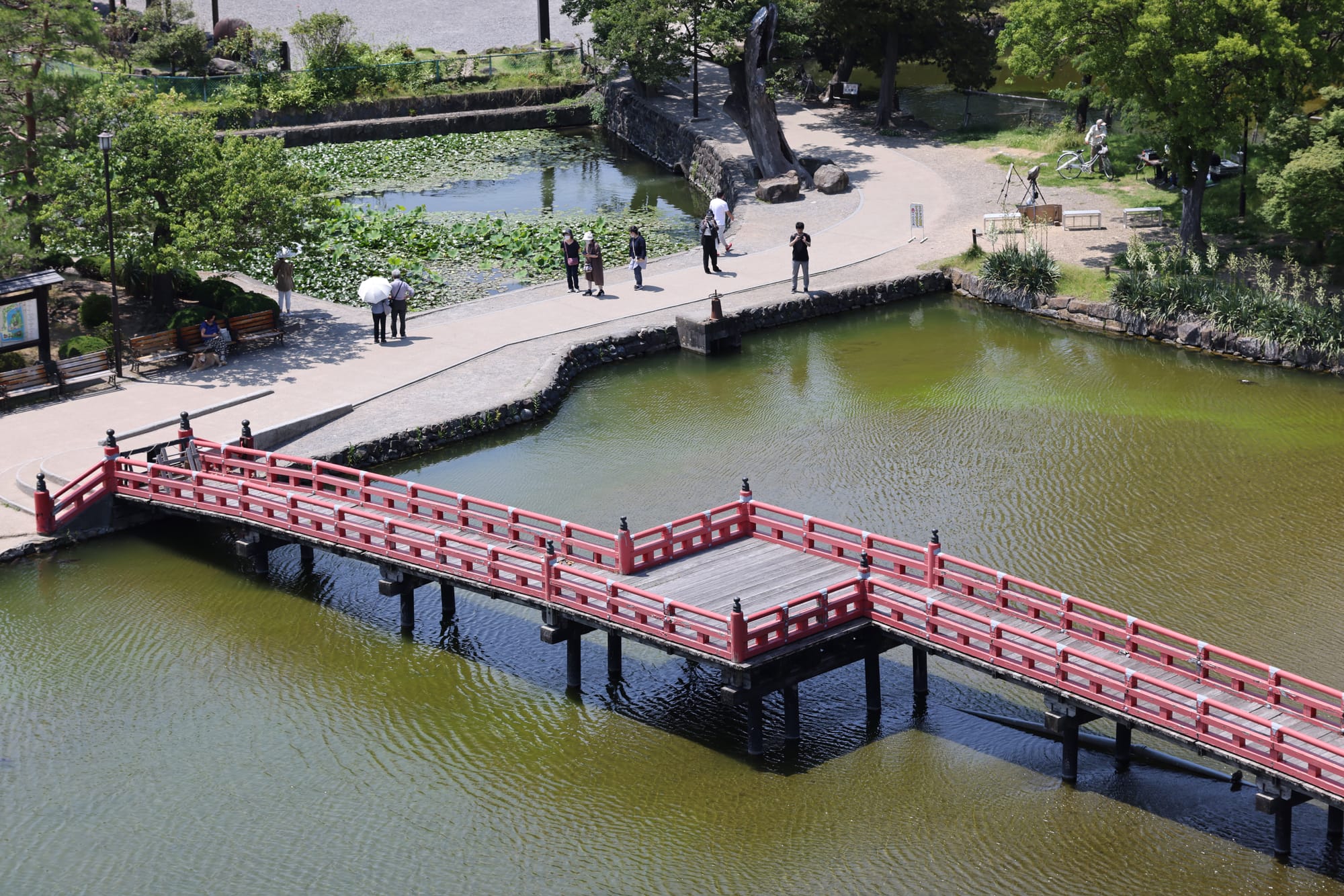
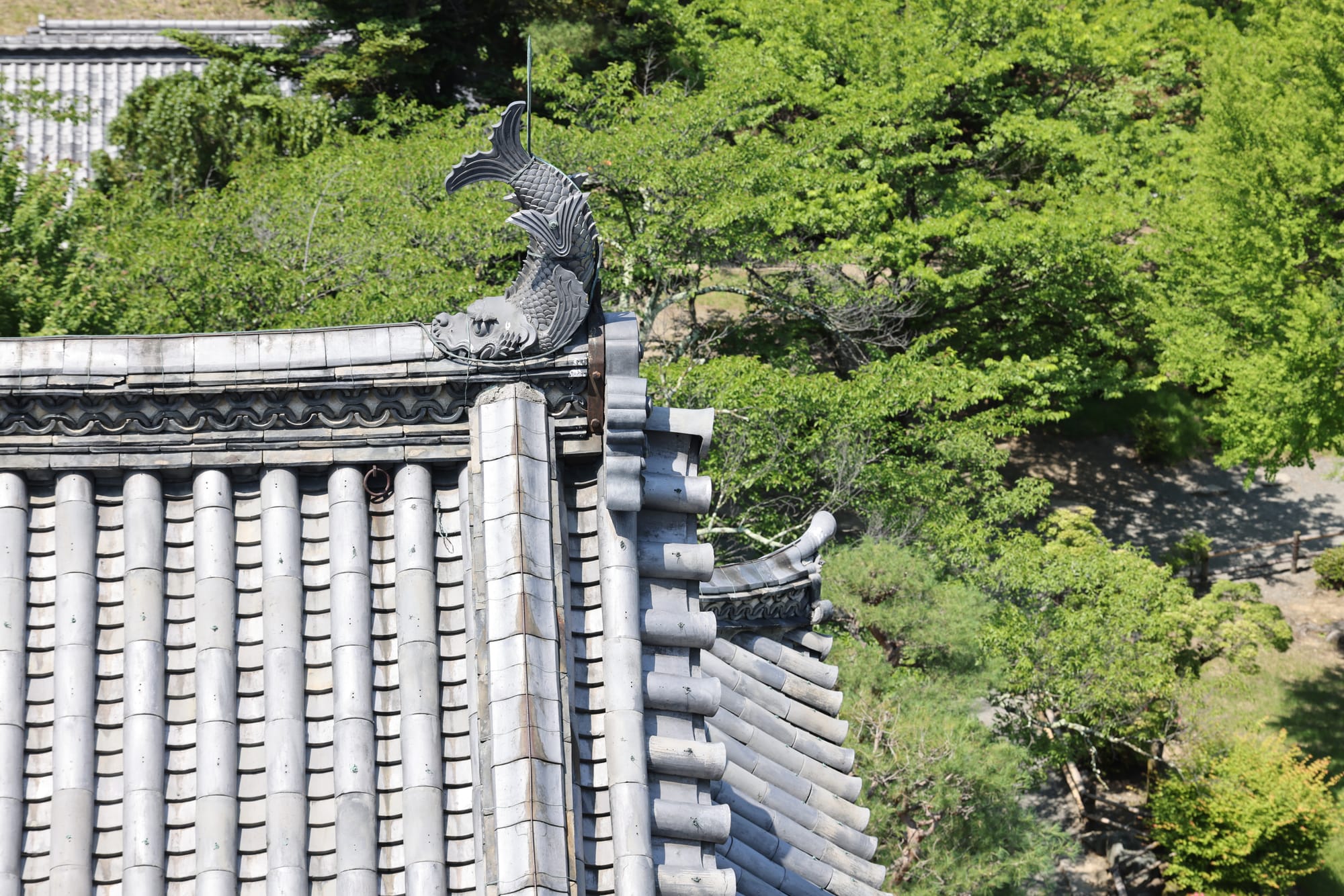
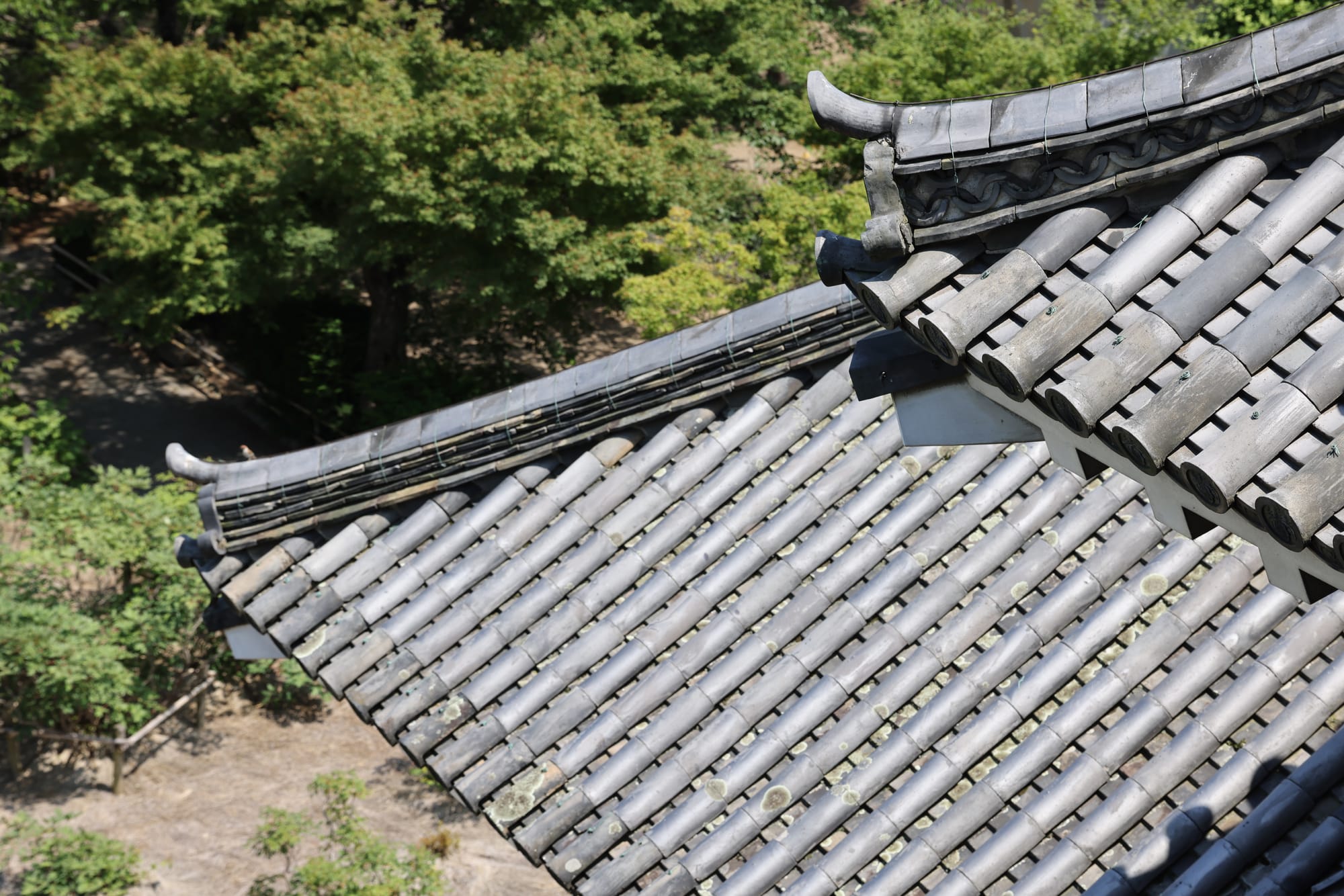
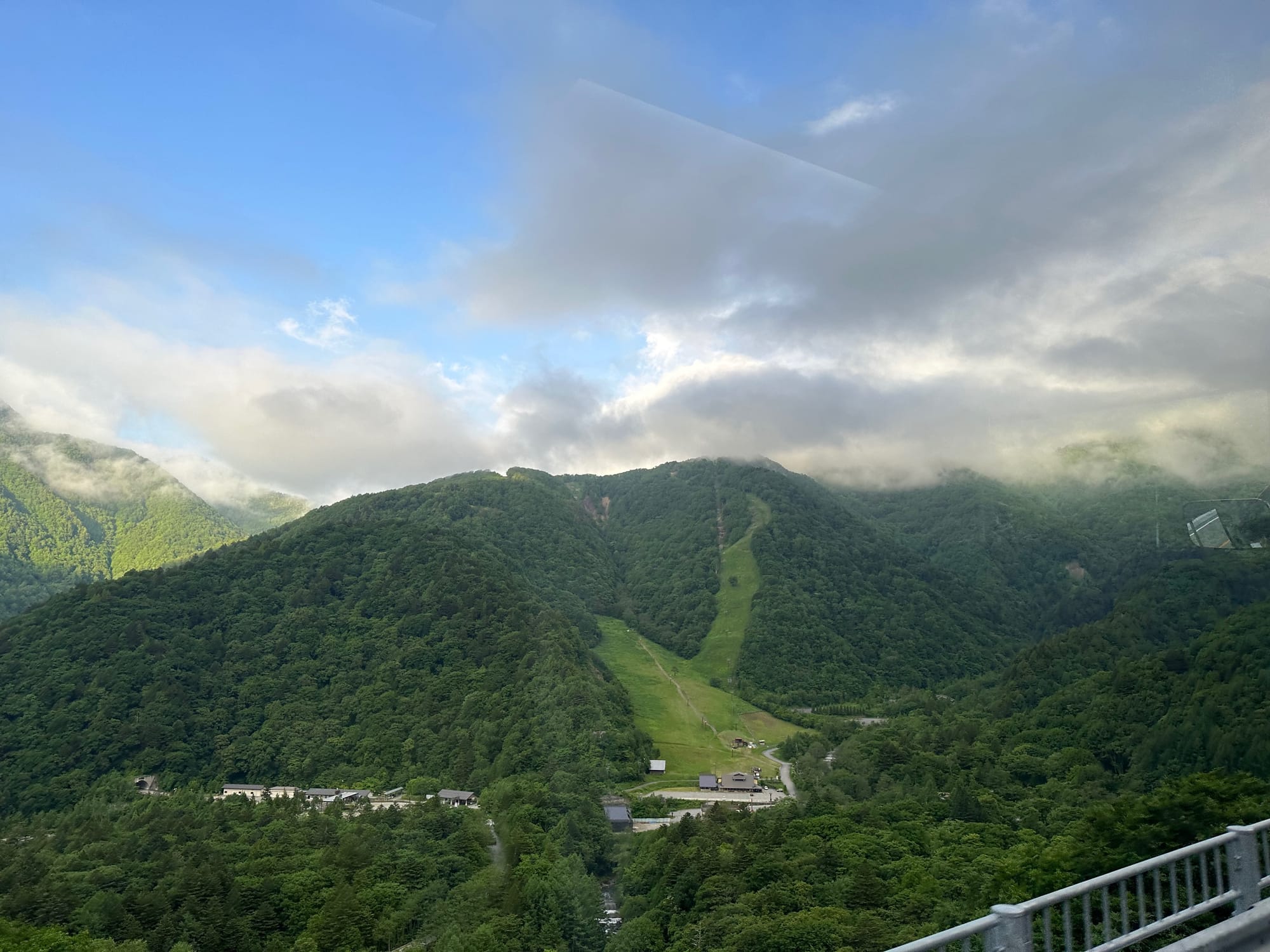
After some lunch, we are off on a journey into the Japanese Alps. Final destination: Takayama! We started on a regional train, but this trip would be mostly on the bus, winding through beautiful mountain roads.
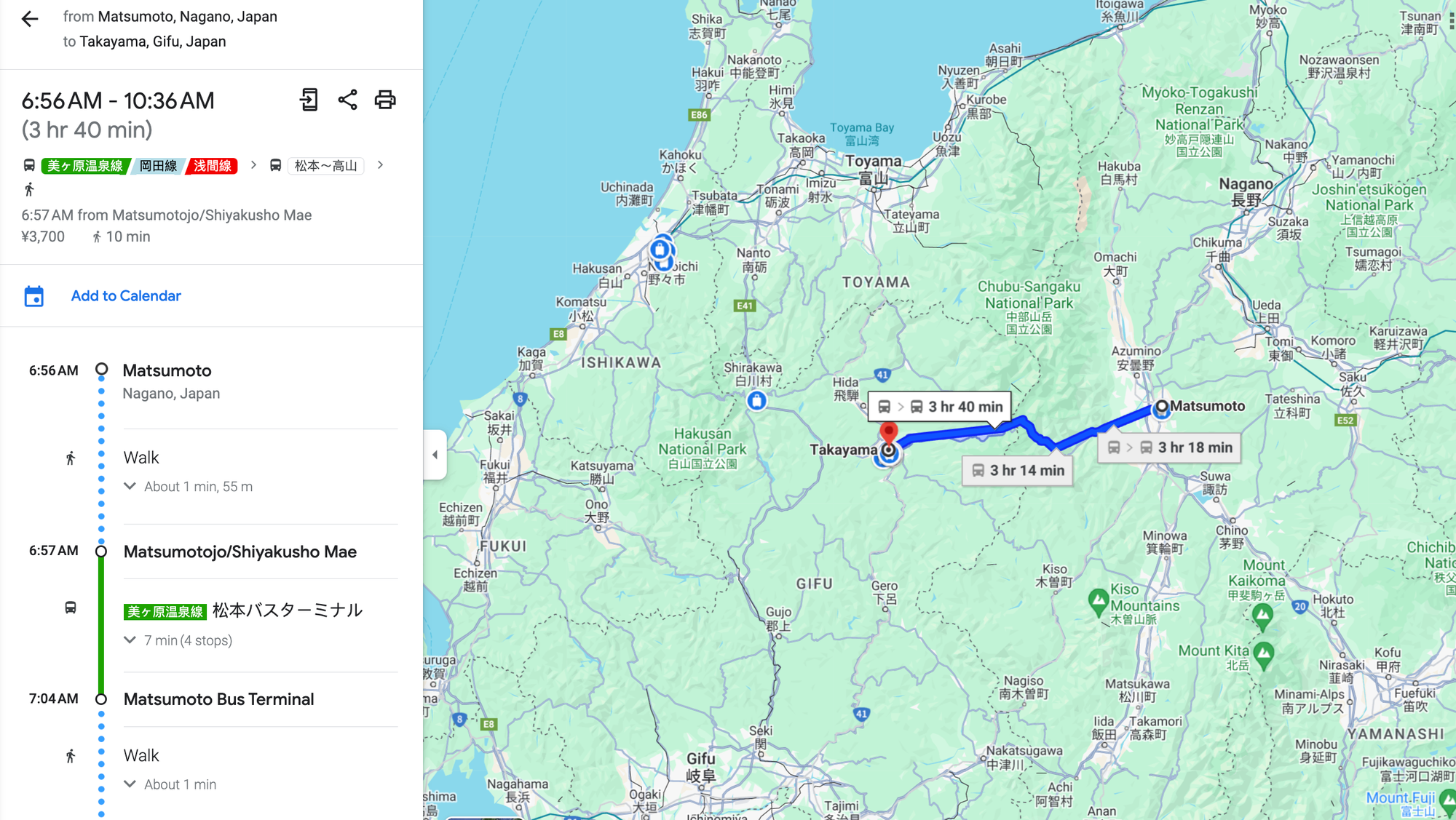
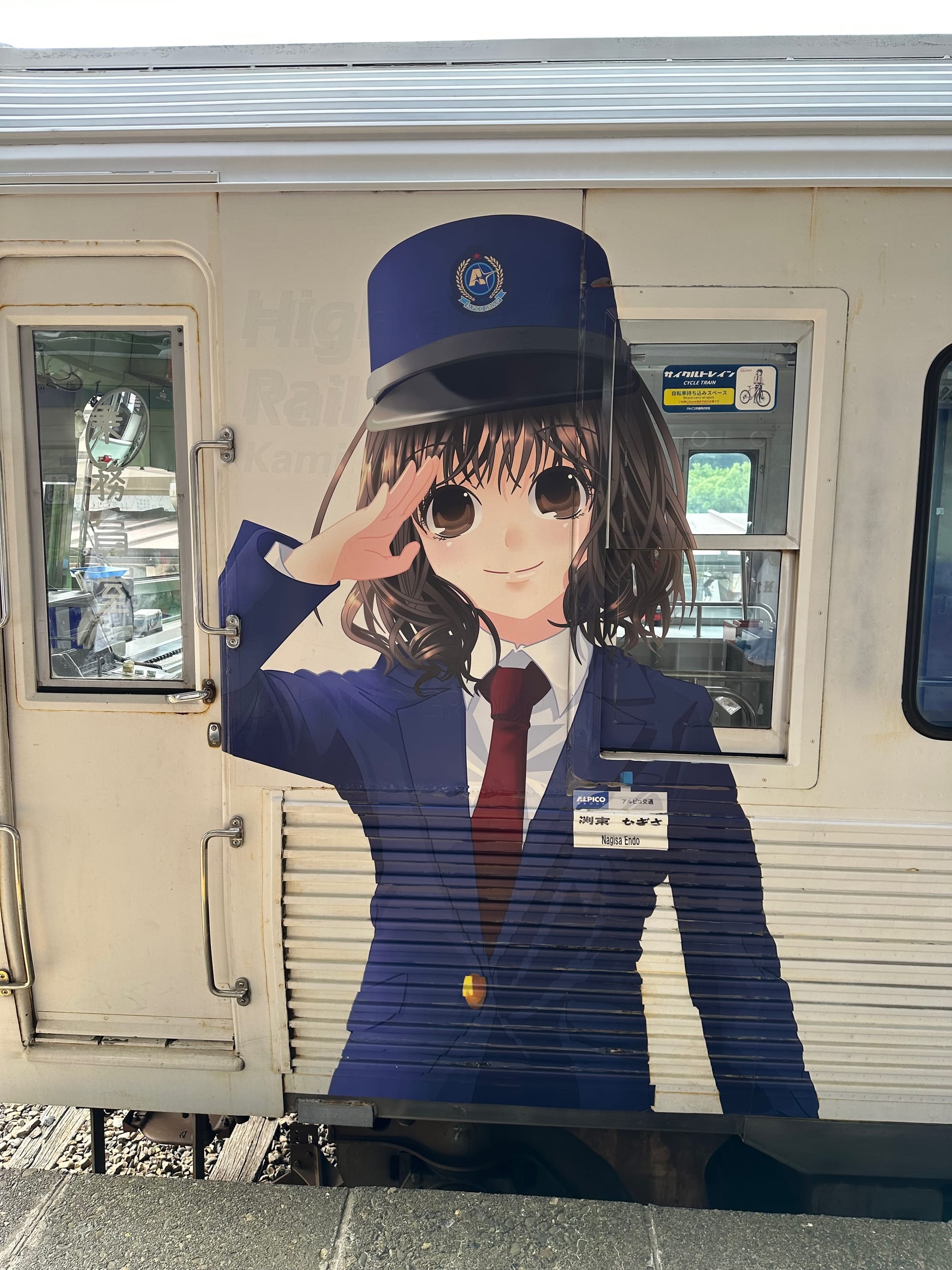
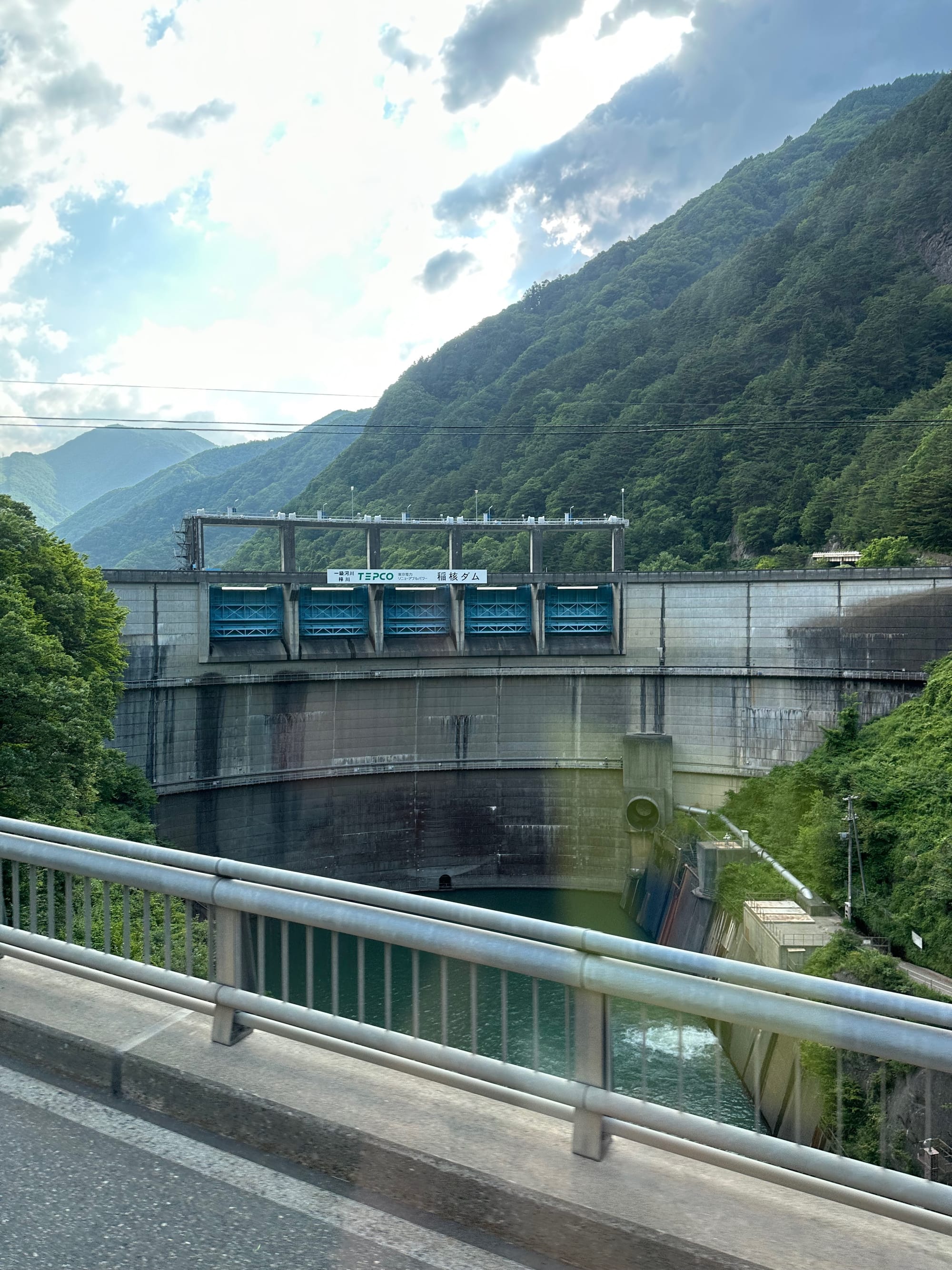
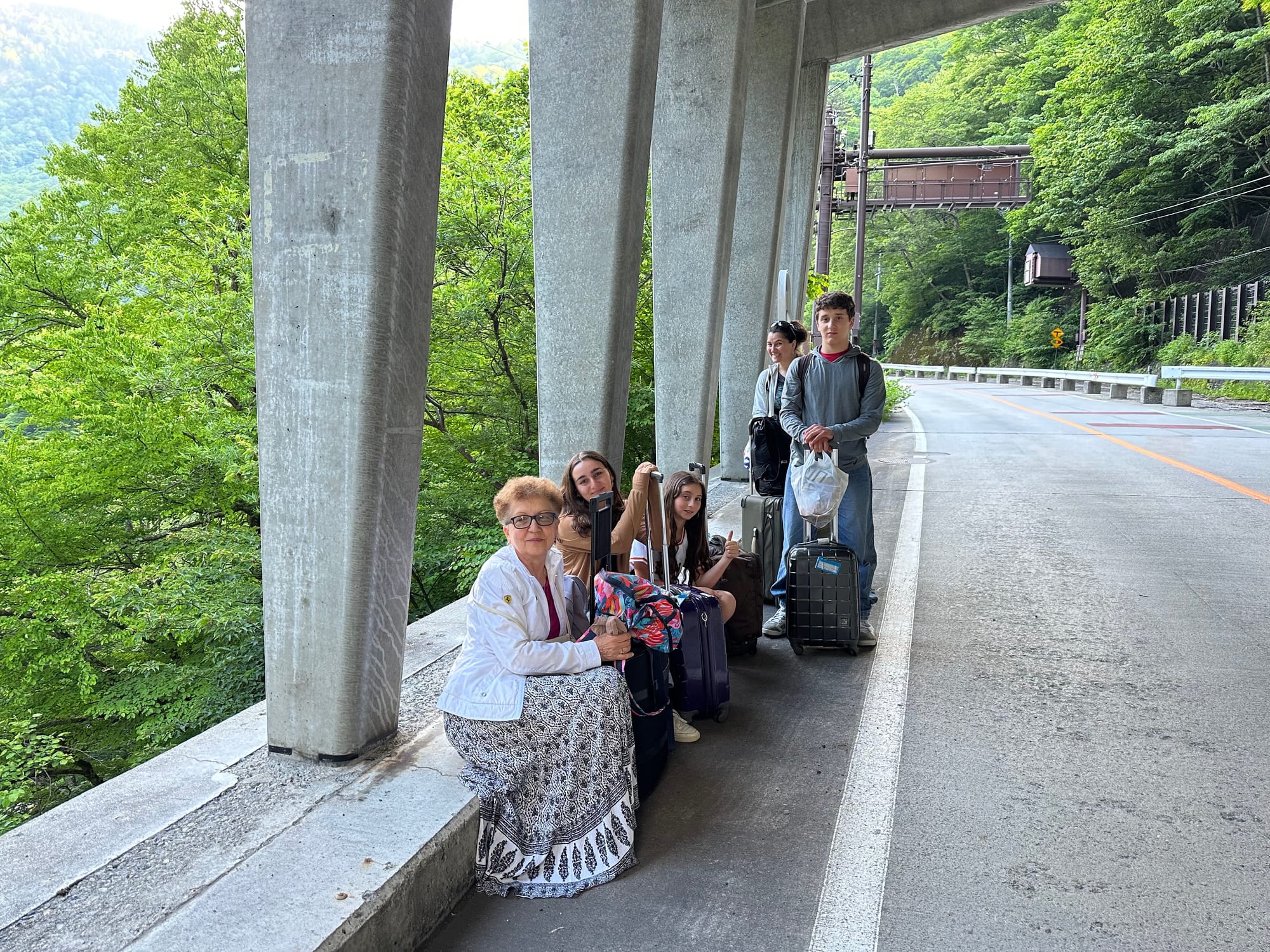
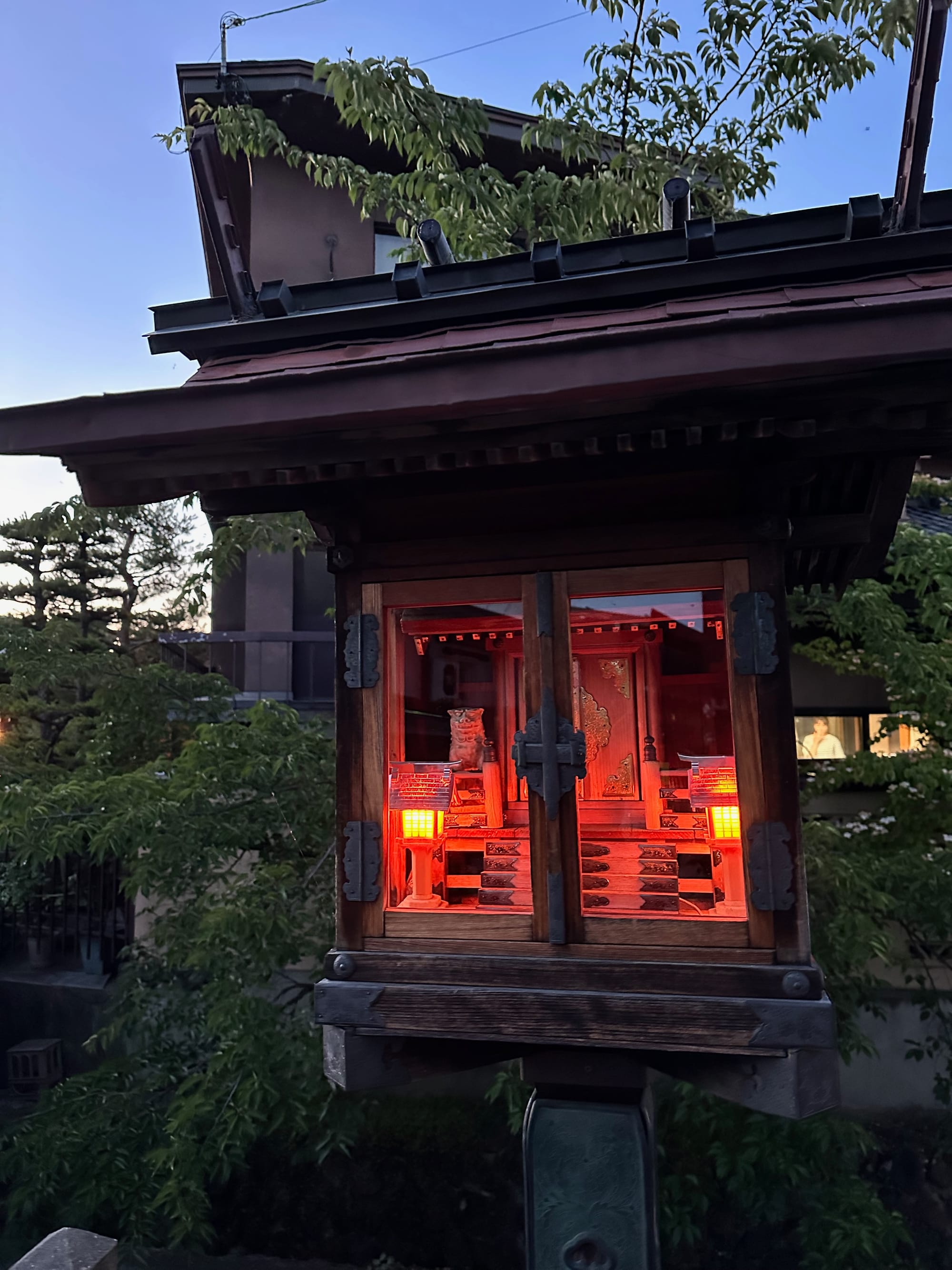
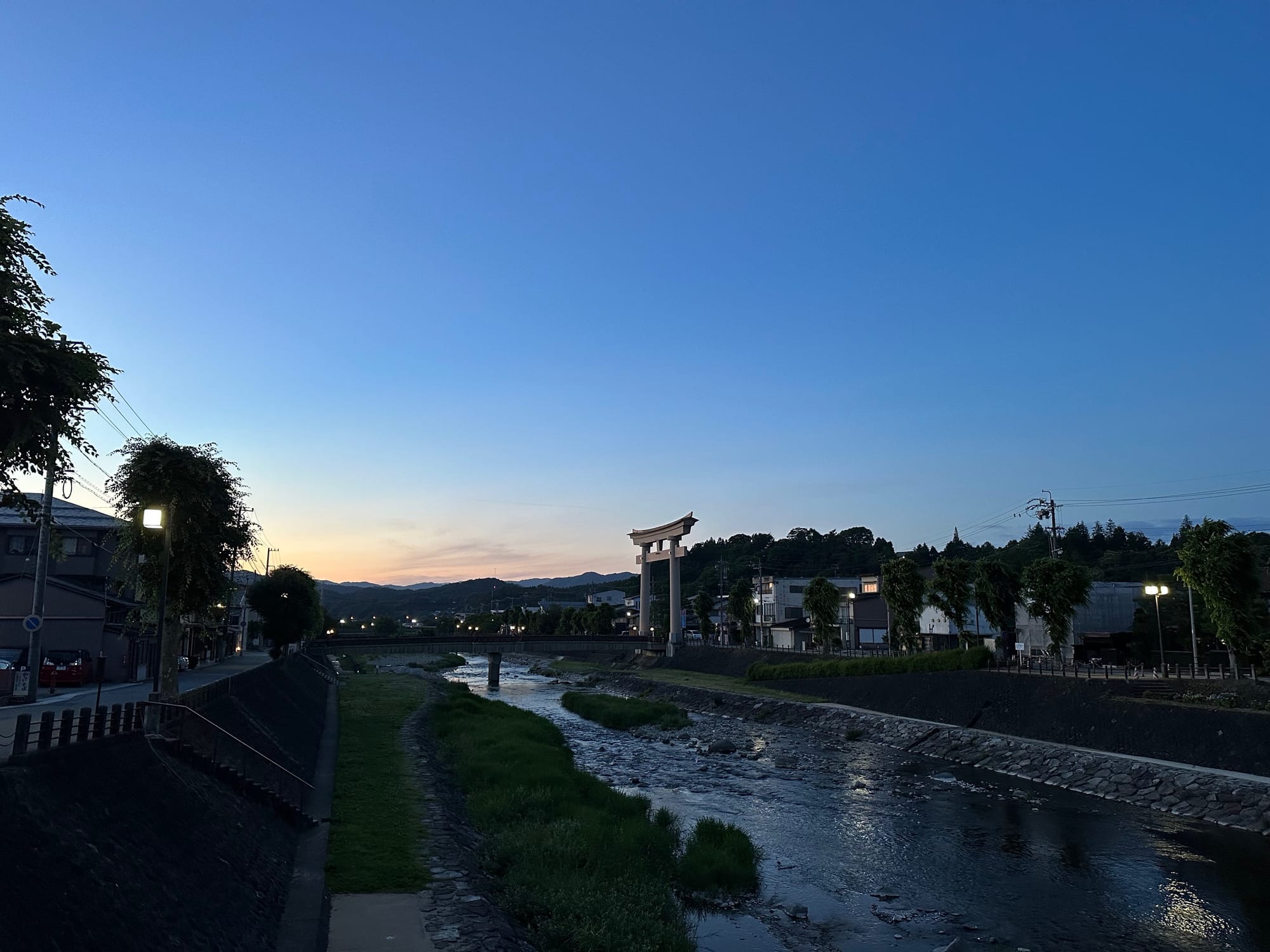
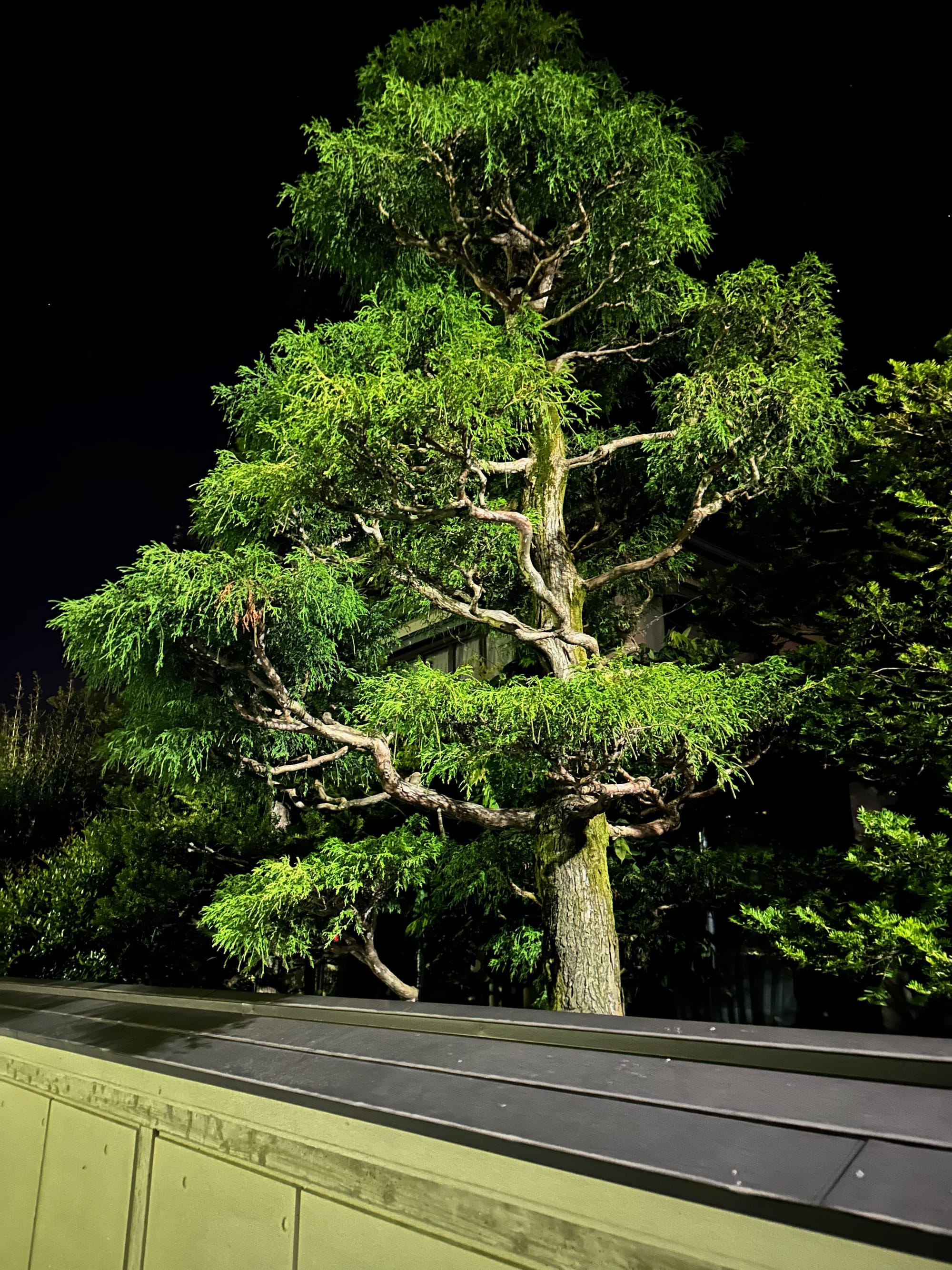
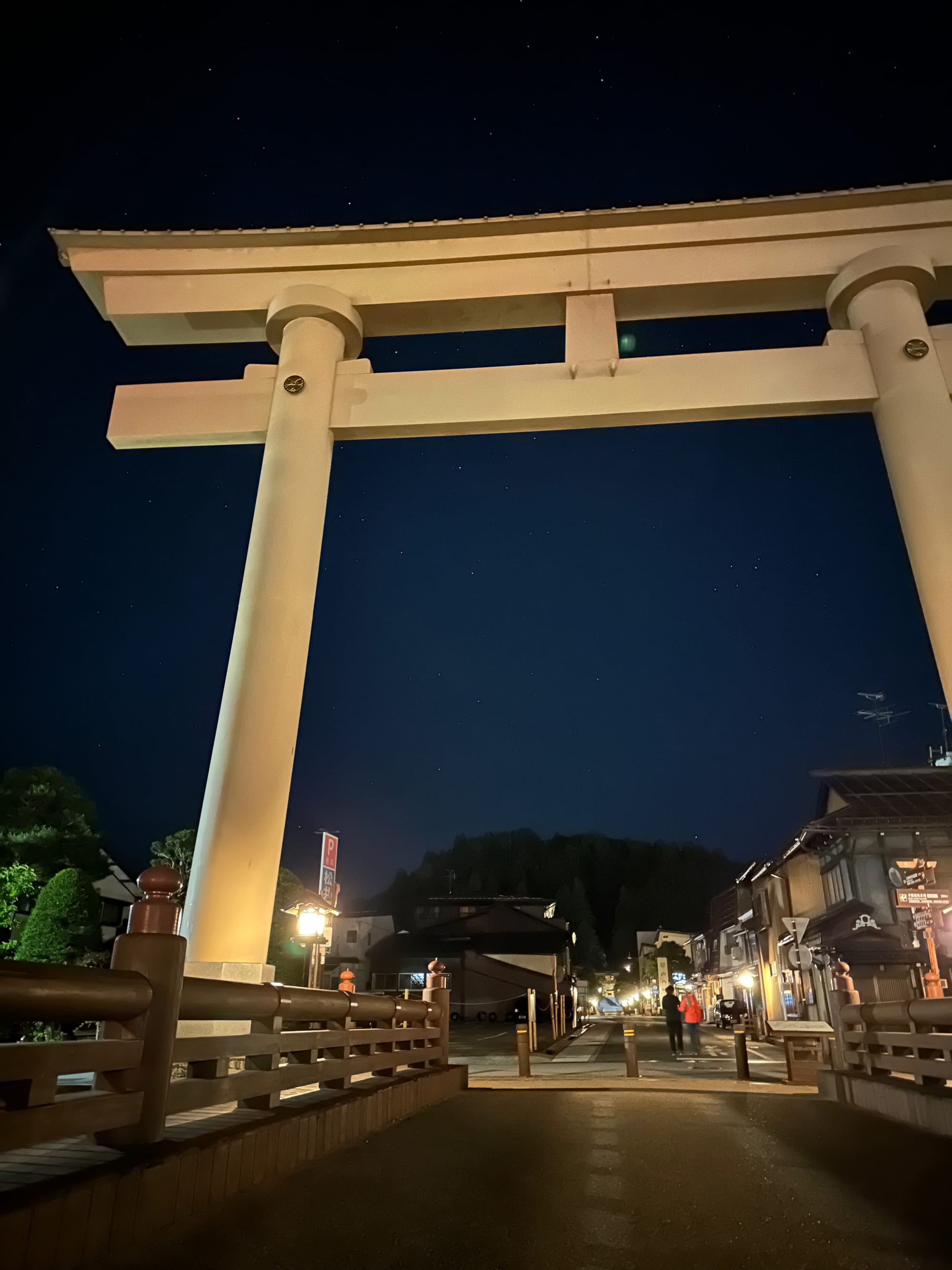
We touched down in Takayama at dusk. Our Airbnb was a wonderful traditional home, updated with modern amenities. We would be there for three days and it was our favorite home that we stayed at it in Japan.
Takayama (高山) is a city in the mountainous Hida region of Gifu Prefecture. To differentiate it from other places named Takayama, the city is also commonly referred to as Hida-Takayama. Takayama retains a traditional touch like few other Japanese cities, especially in its beautifully preserved old town. It ranks as a prime candidate among travelers wishing to add a rural element into their itineraries.
Takayama gained importance as a source of high-quality timber and highly skilled carpenters during the feudal ages. For these important resources, the city was put under direct control of the shogun and enjoyed quite a bit of prosperity considering its remote mountain location. The Takayama Festival, held in spring and autumn, is considered one of Japan's best festivals.
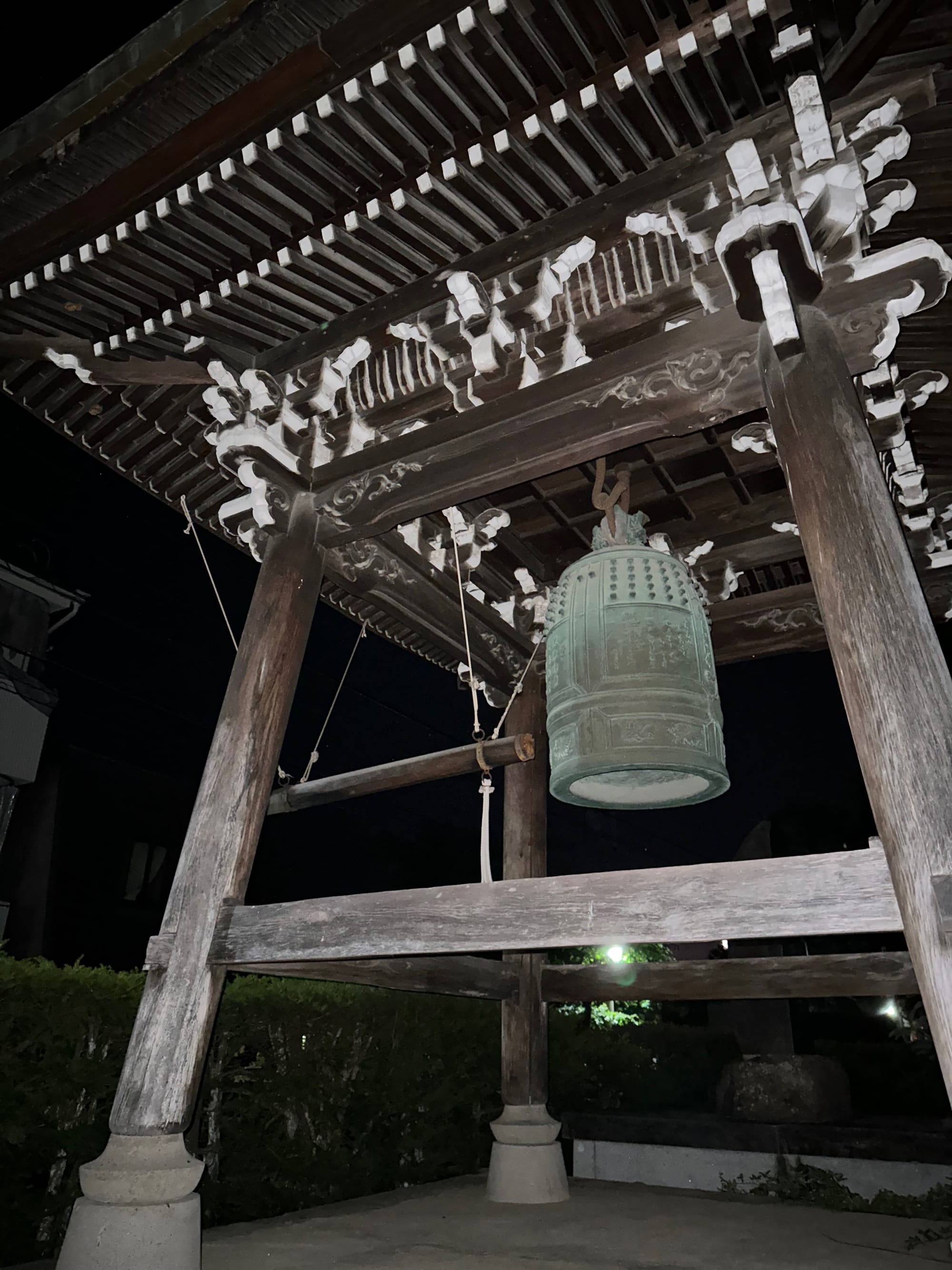
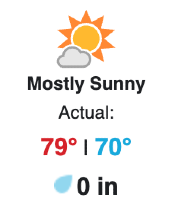
Takayama was wonderful from the start. It is a very affluent, small city, with gorgeous temples and a core urban area that is vibrant and walkable. For small city nestled in a mountain valley, it had more depth and was more vibrant than I had expected. You clearly see many centuries of built up architecture and artistic history, as well as a pretty hopping night time scene. The people were very welcoming, and it had a pace several notches more relaxed than Tokyo, or even Kyoto and Osaka. I also noticed that the humidity was much less intense. We had been lucky so far on our trip, with the June heat seldom getting into the mid 80's, but even the high 70's could feel a bit intense with the glaring sun and constant humidity. In Takayama, five degrees of heat disappeared and the humidity calmed down quite a bit. Super comfortable ...
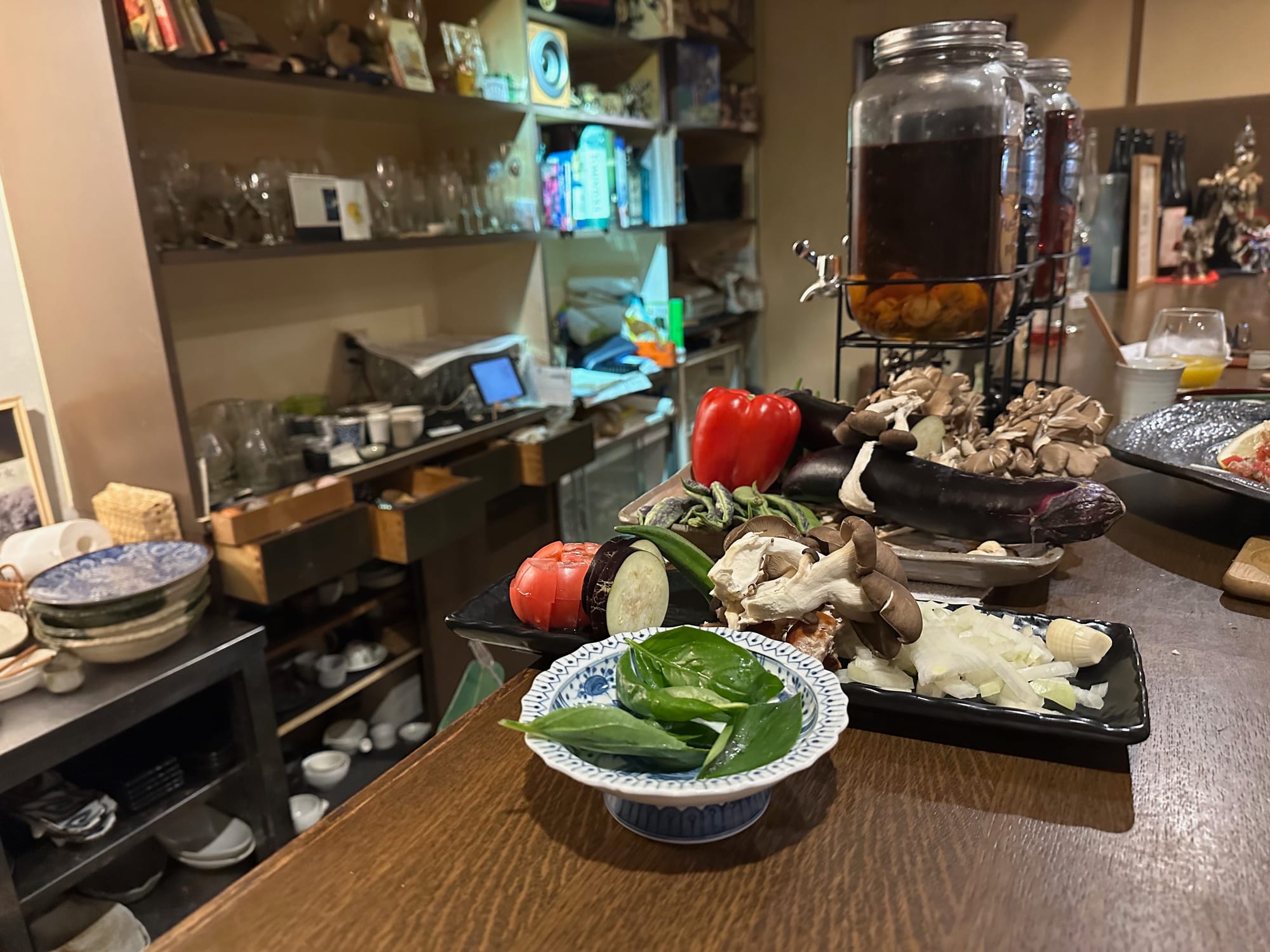
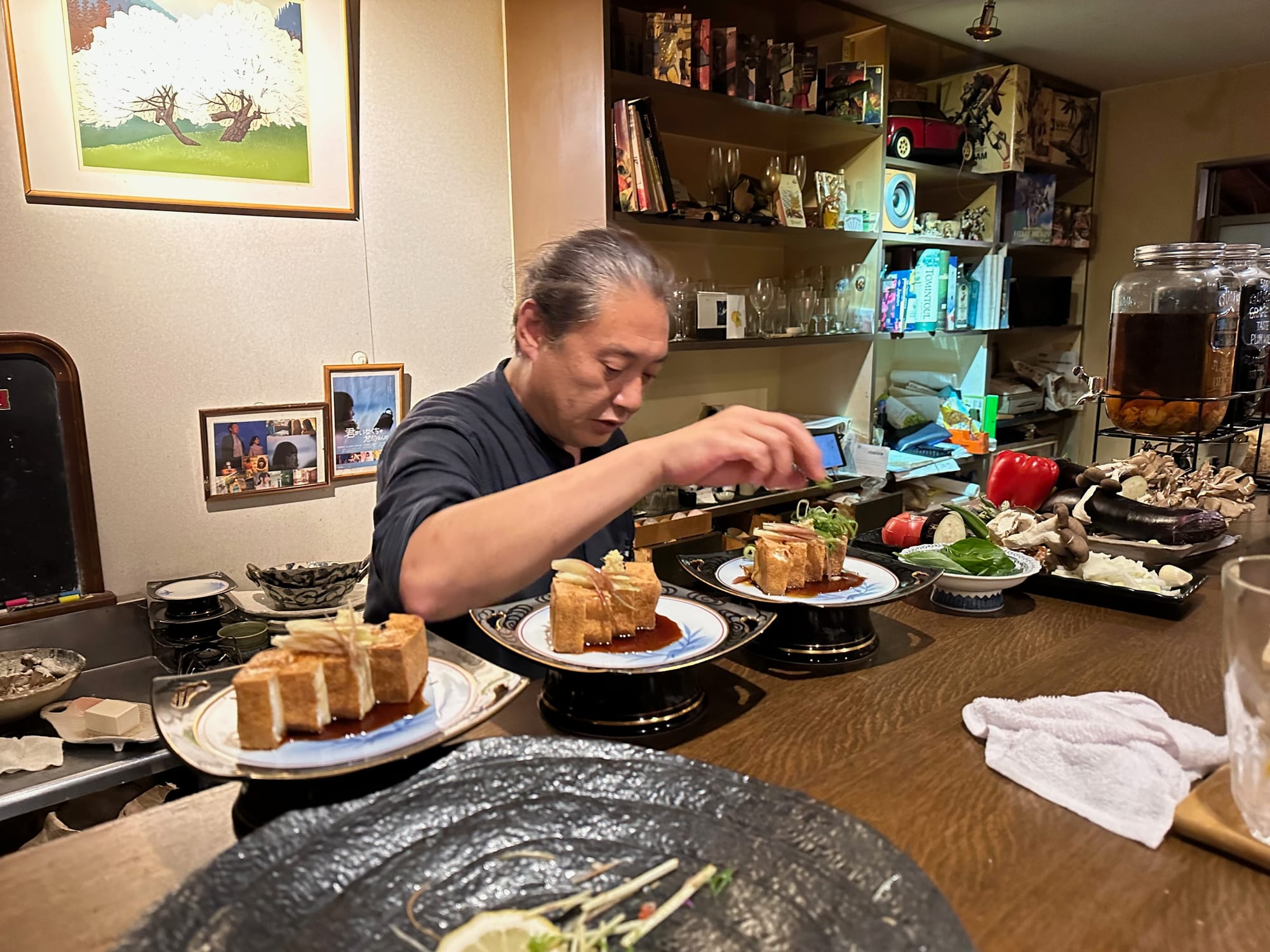
Once we settled our things into the Airbnb, it was off to dinner. We were in luck - we scored counter seating at Sakurajaya, an amazing local spot with a high profile chef who makes everything himself.