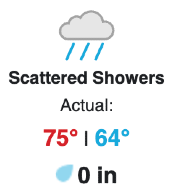
Thursday - exploring Kanazawa in the rain
During the Edo Period, Kanazawa (金沢) served as the seat of the Maeda Clan, the second most powerful feudal clan after the Tokugawa in terms of rice production and fief size. Accordingly, Kanazawa grew to become a town of great cultural achievements, rivaling Kyoto and Edo (Tokyo).
During World War Two, Kanazawa was Japan's second largest city (after Kyoto) to escape destruction by air raids. Consequently, parts of the old castle town, such as the Nagamachi samurai district and chaya entertainment districts, have survived in pretty good condition.
Today, Kanazawa remains an important city in its region and serves as the capital of Ishikawa Prefecture. The city boasts many historical attractions such as restored residences and districts, as well as modern museums. But Kanazawa's unchallenged main attraction is Kenrokuen, one of Japan's "three best landscape gardens" and by many considered the most beautiful of them all.
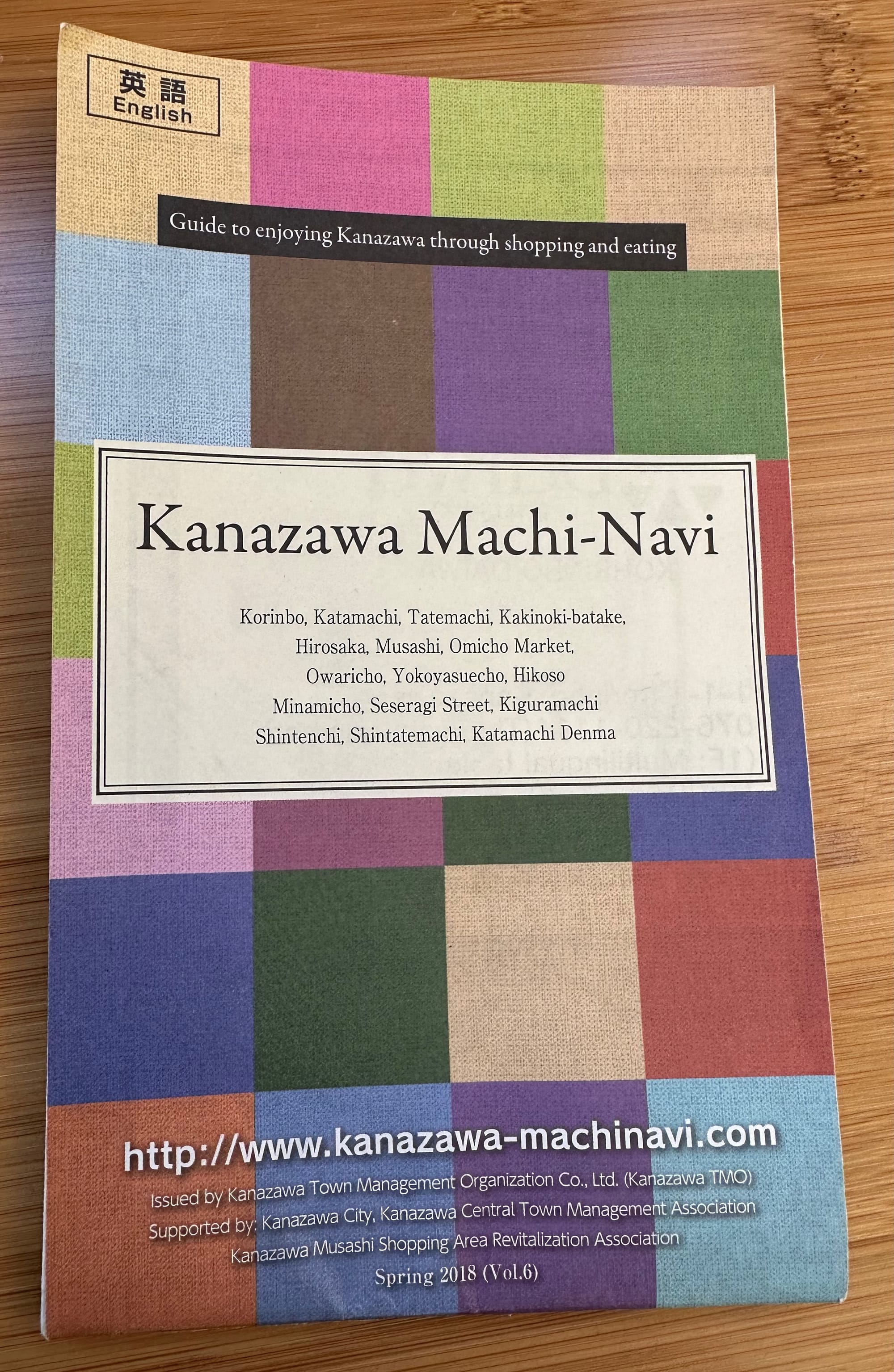
Our Airbnb was in the center of town. I woke up fairly early and wandered in search of coffee and pastries for the group. We wanted to see the main gardens of Kanazawa, and we were able to plan out a walking route that would take us through one of the most famous fish markets in Japan, and then ultimately to Gyokusen-en, the second most famous garden in Kanazawa.
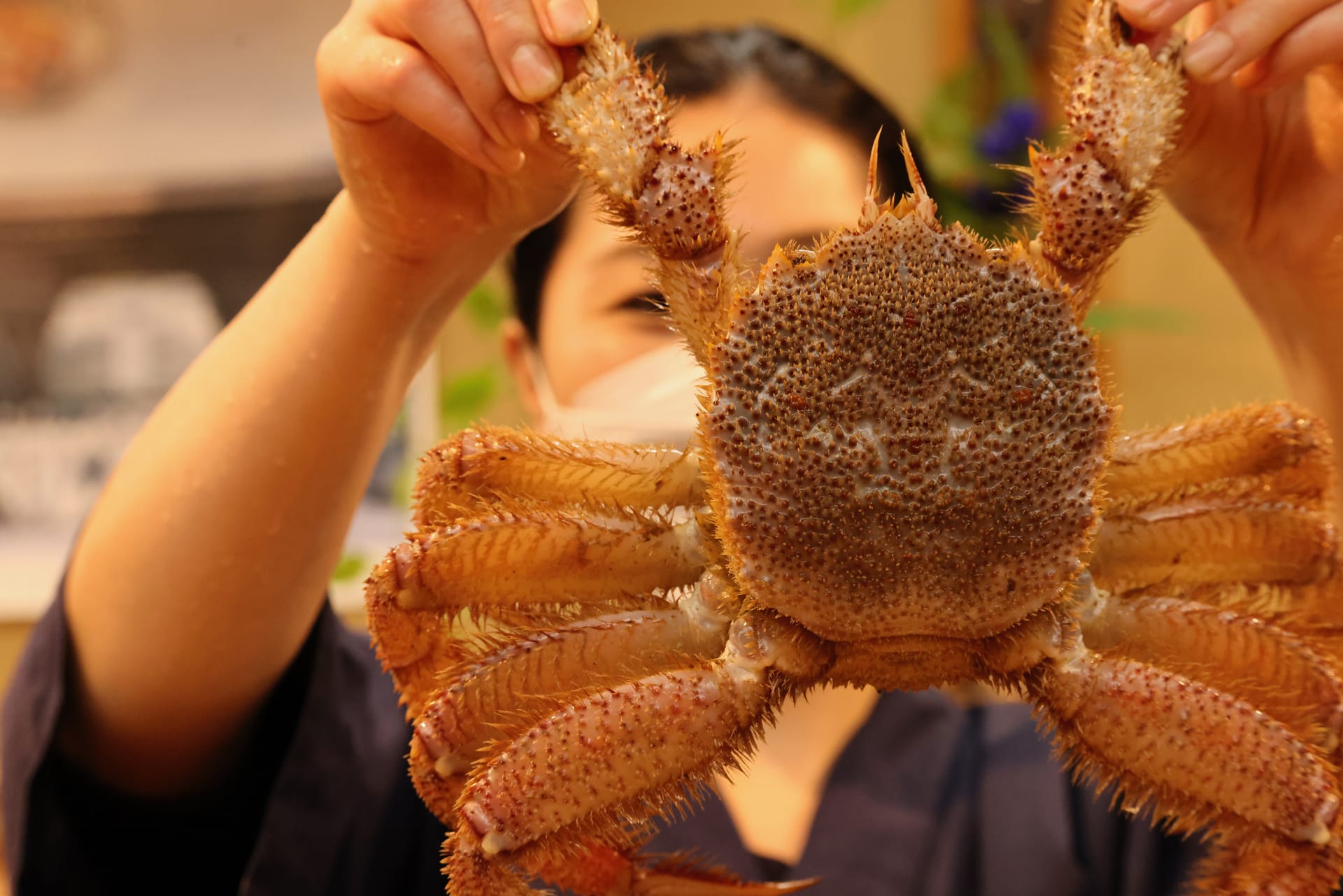
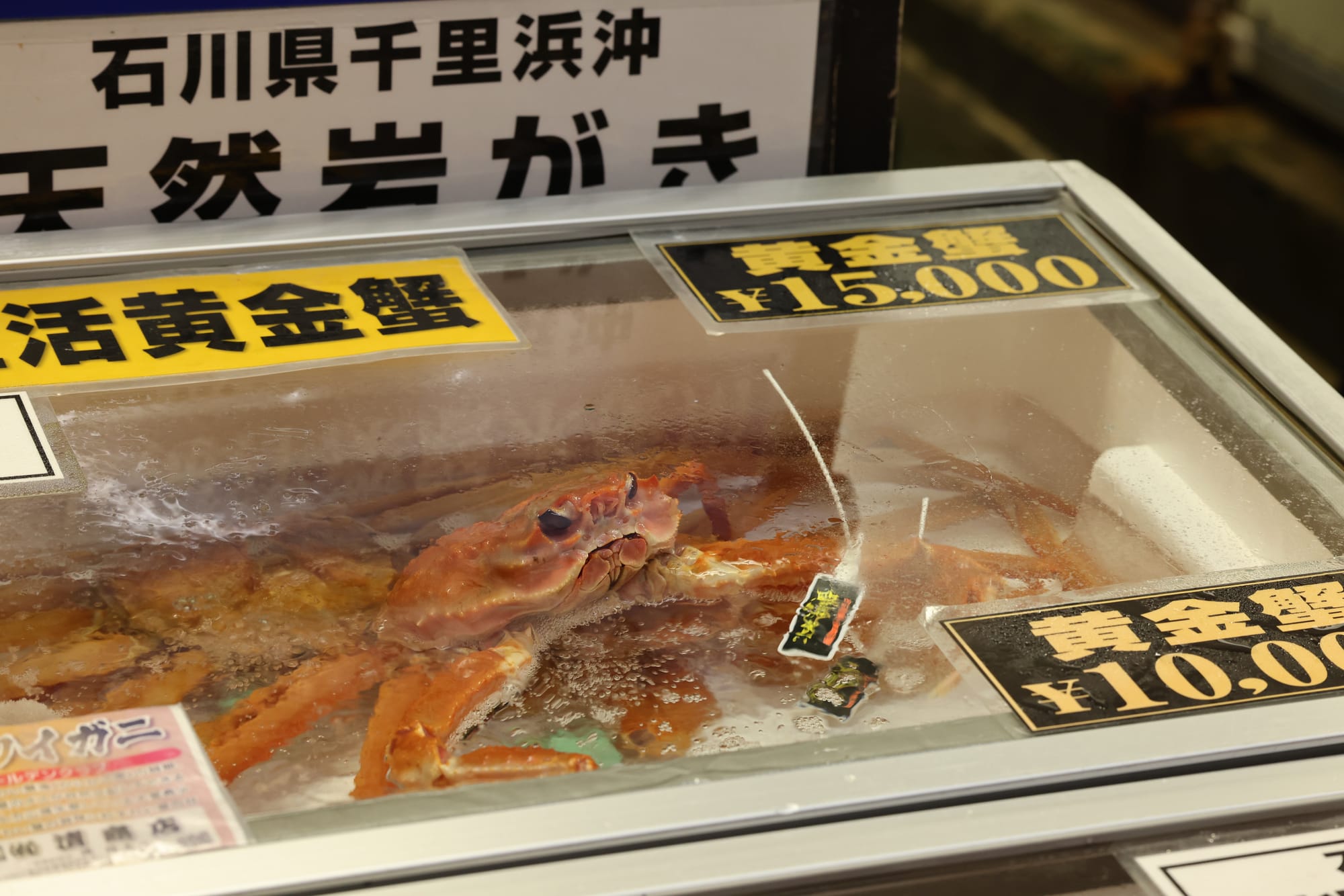
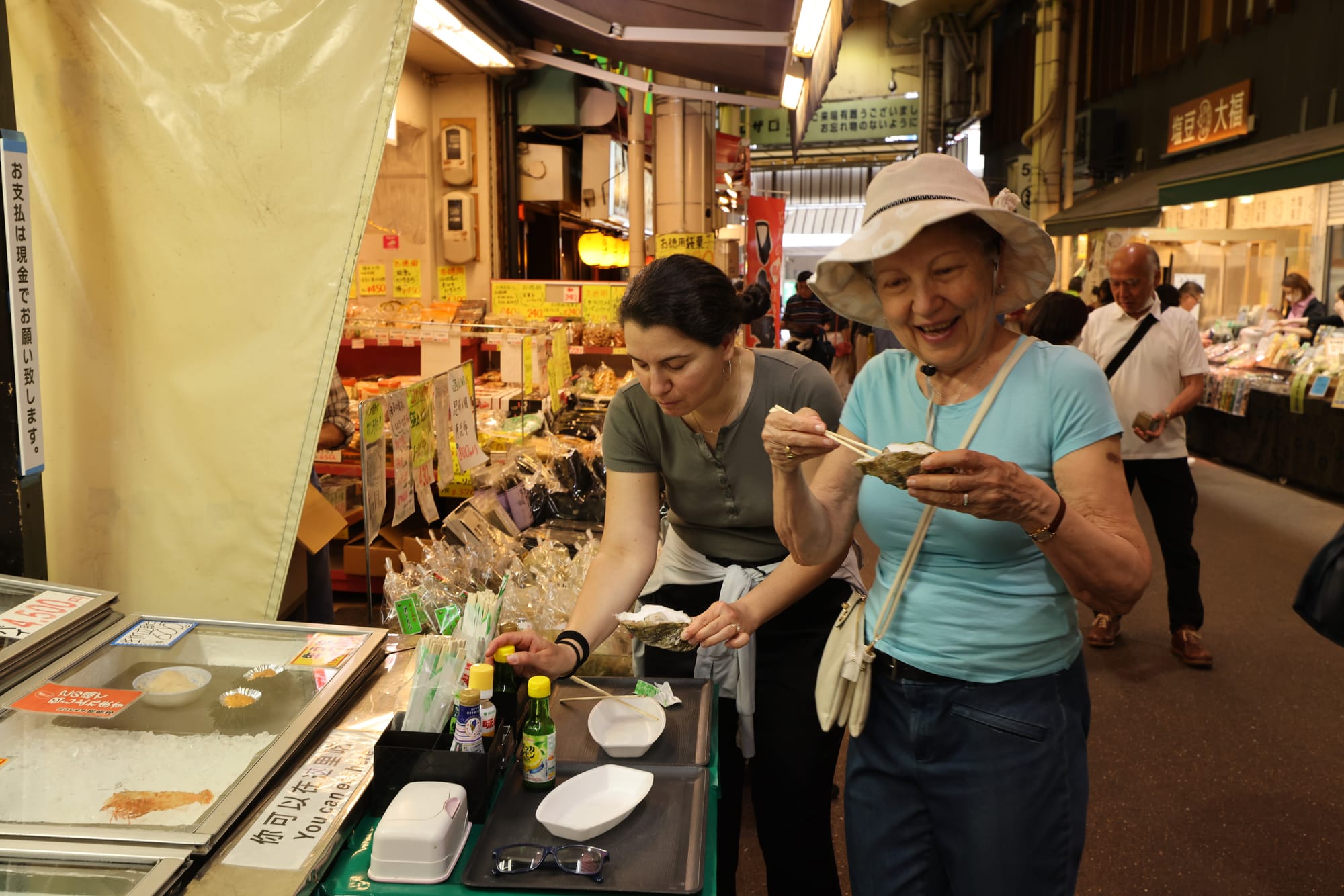
We got to the Omicho fish market before the rain really set it. I had read that the famous Tokyo fish market (Tsukiji) had been rebuilt with a tourist coral area that really dampened the vibe, and that Omicho was the more authentic experience at this point. We were not disappointed. The range and size of sea critters was beyond anything I had ever seen. While this is still a very active local market, there are also plenty of stands where you can sample the goods directly, in their freshest possible form.
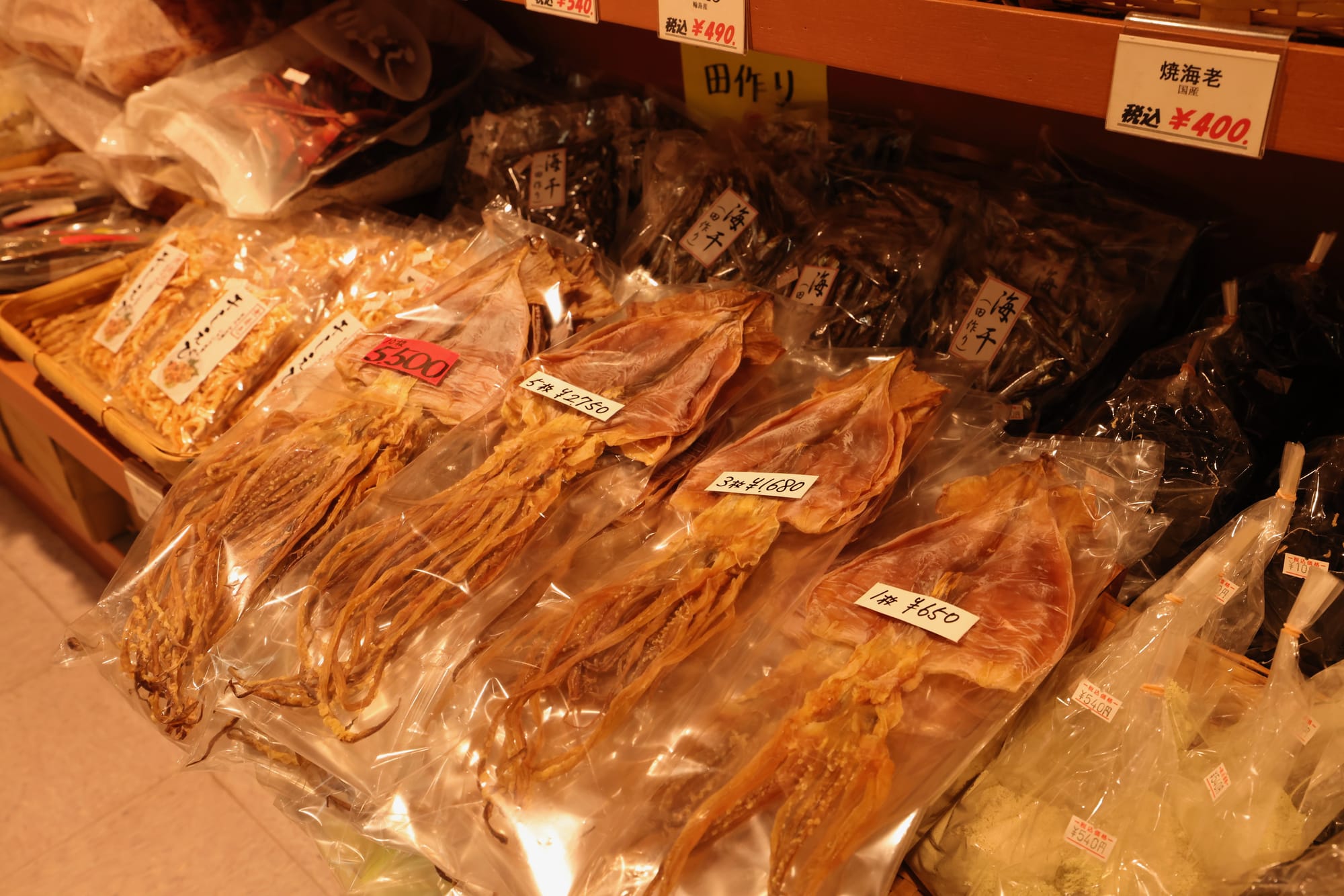
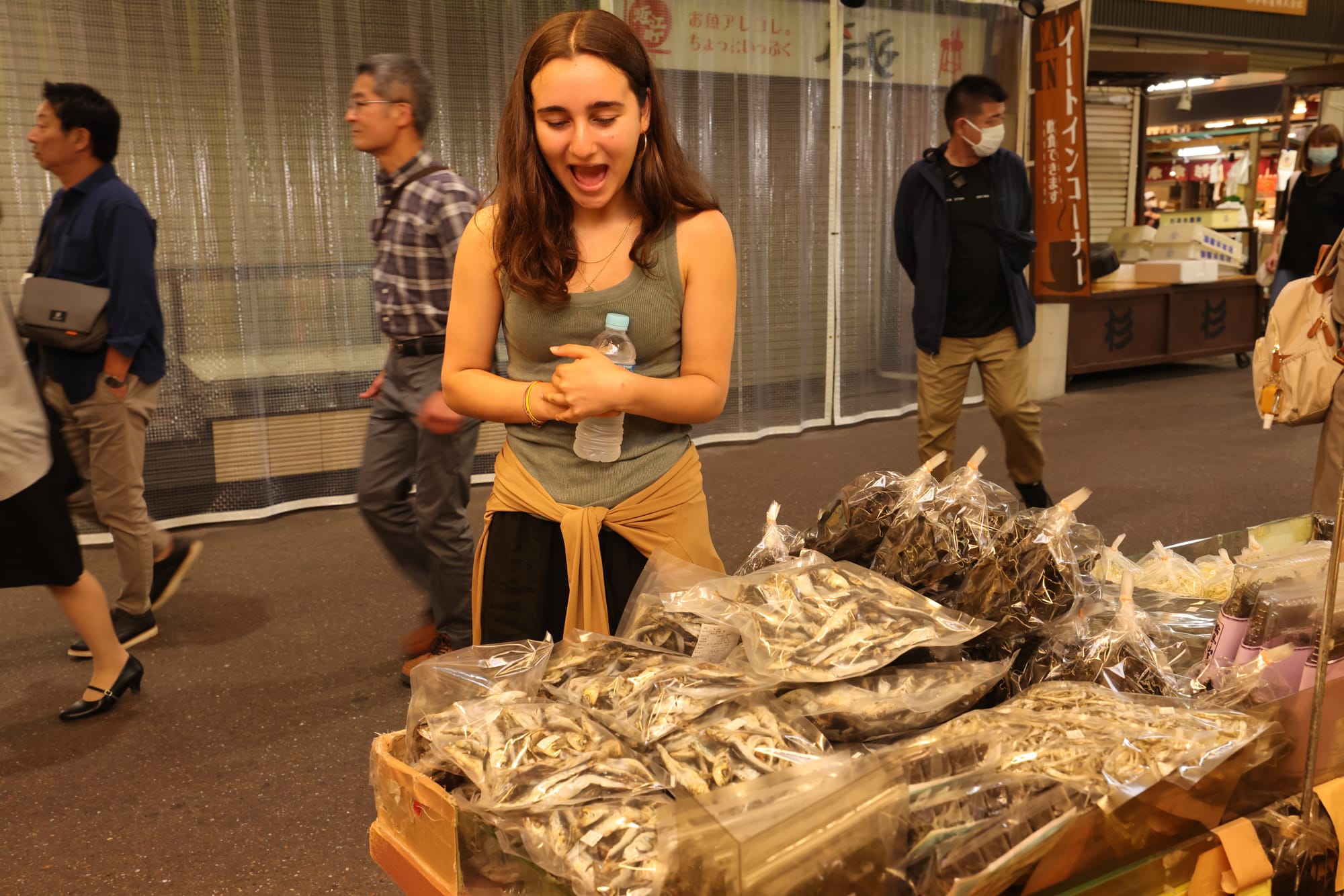
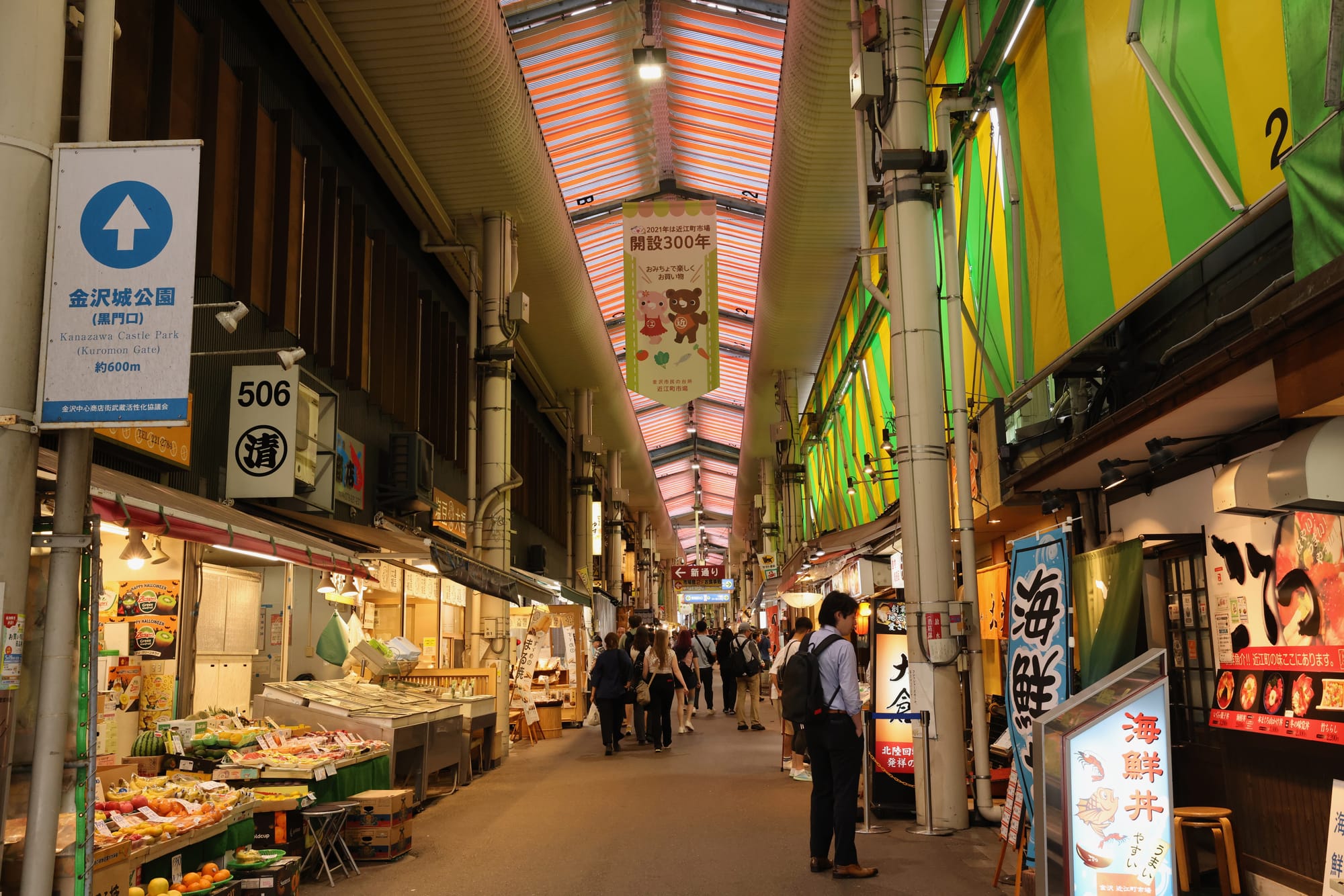
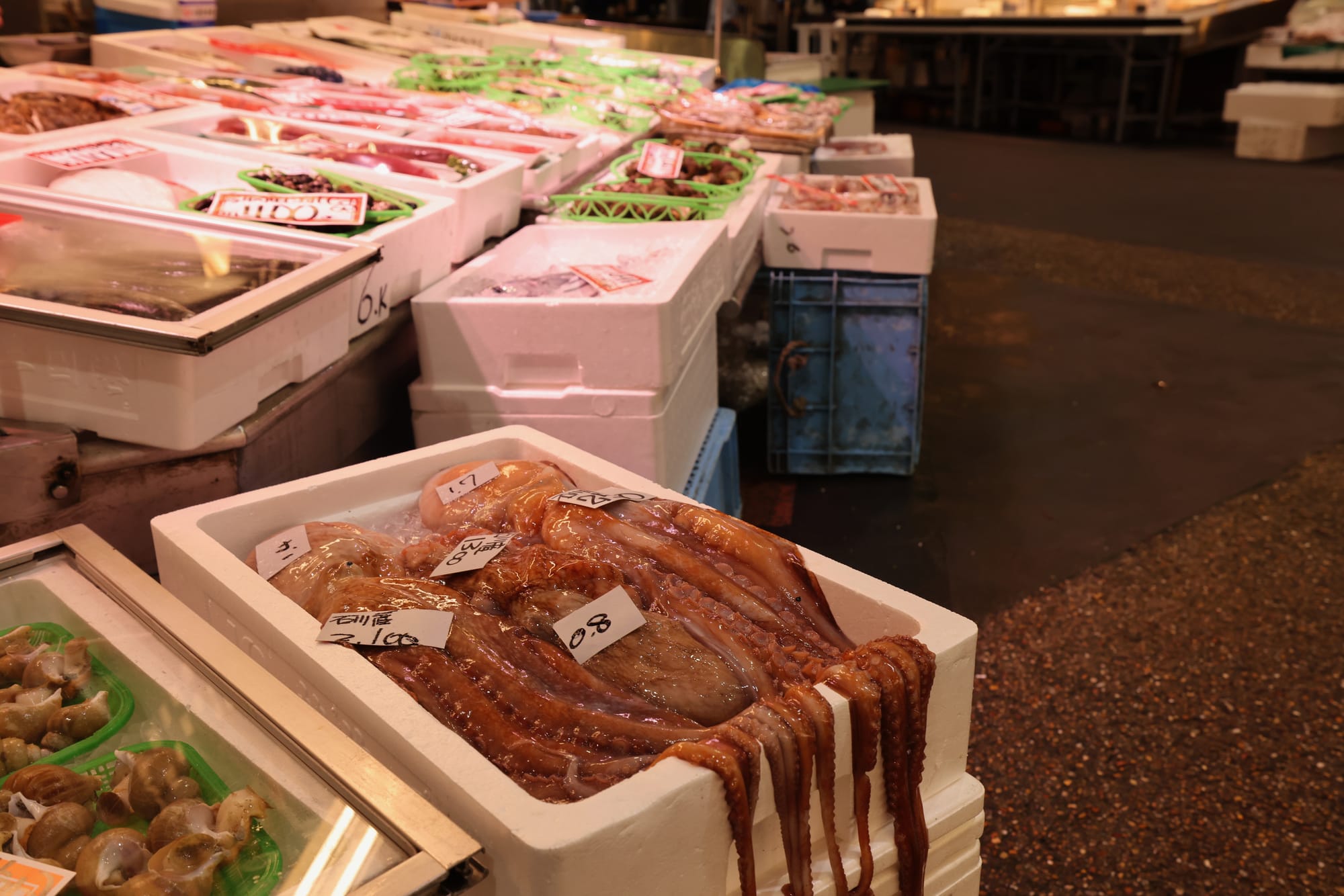
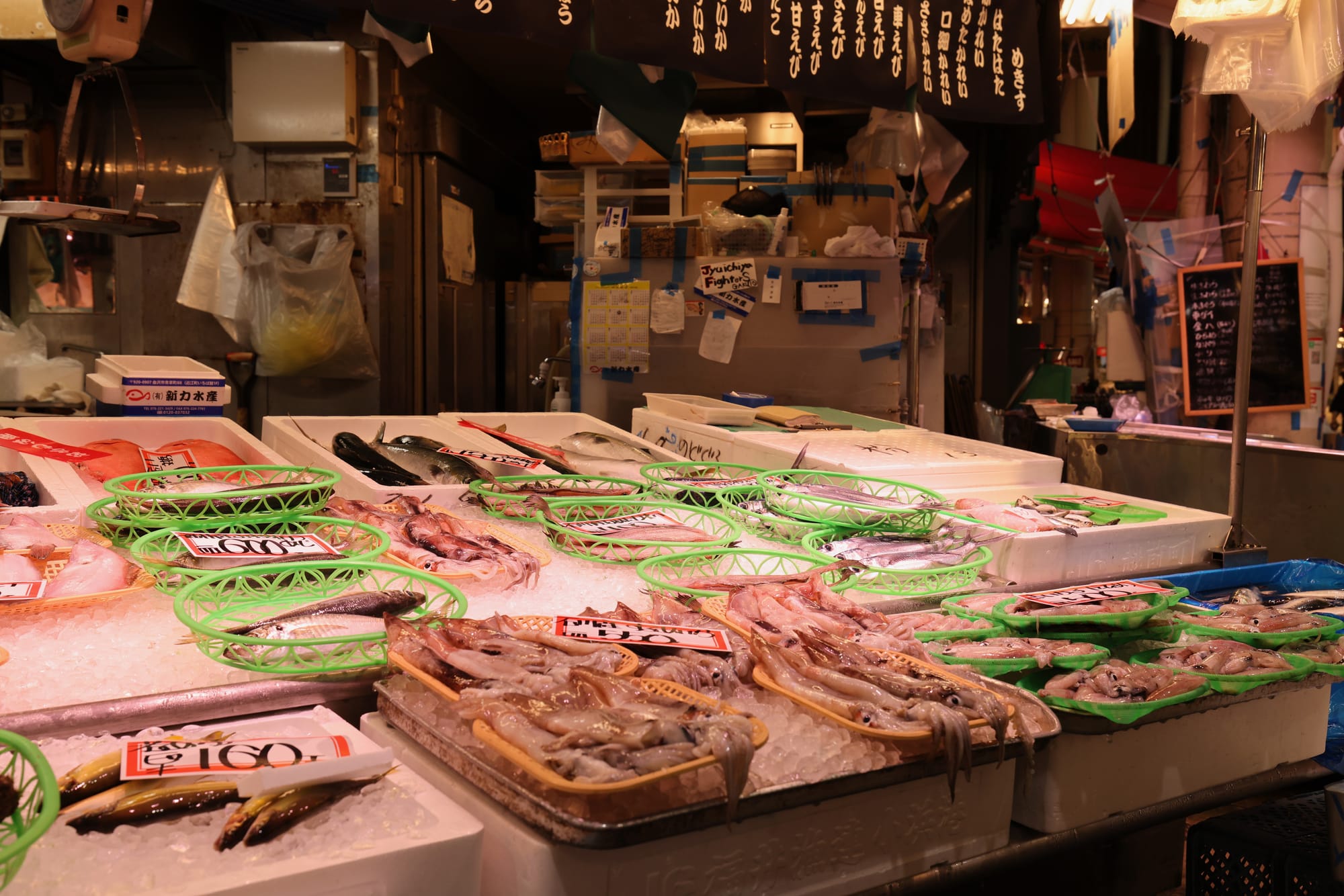
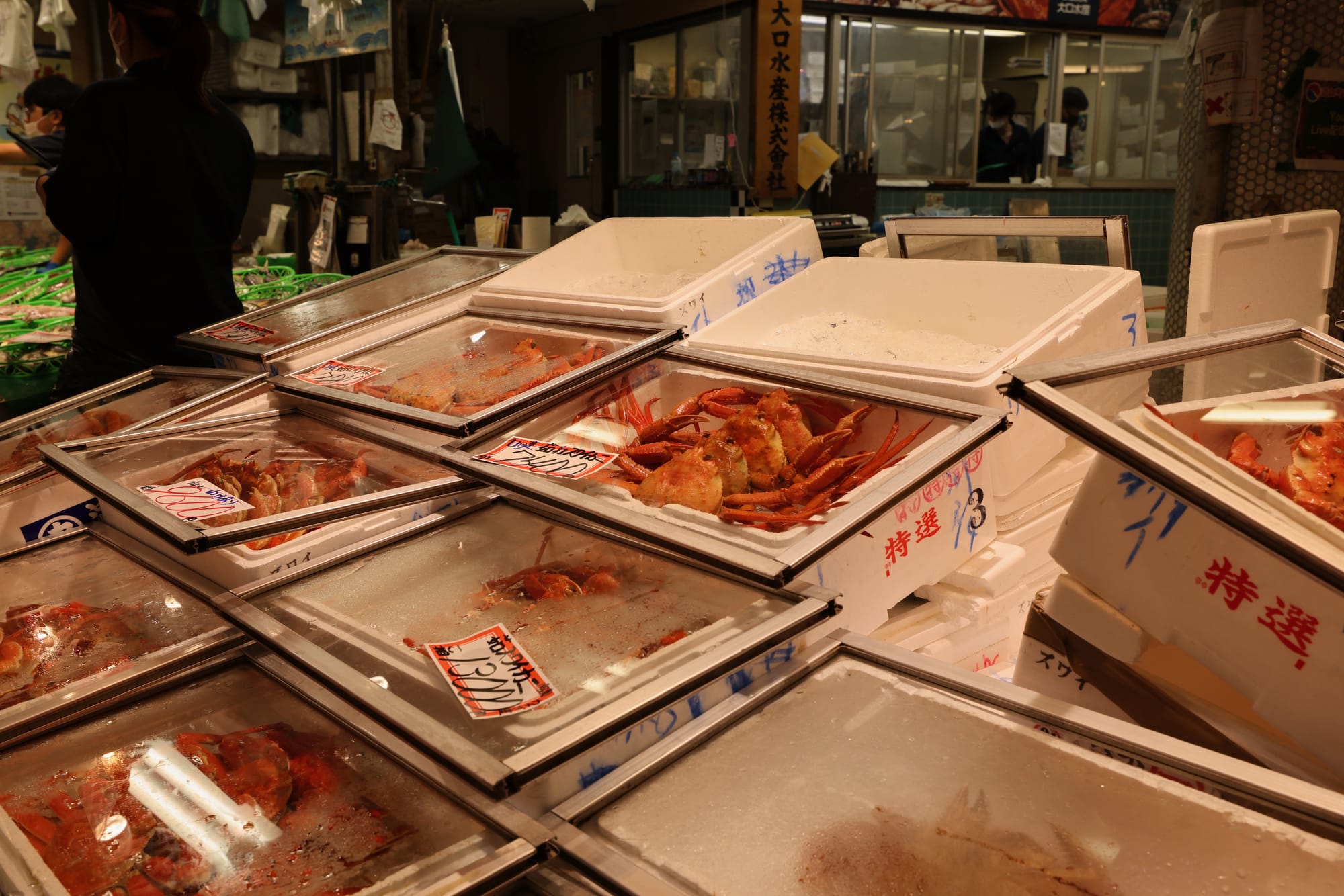
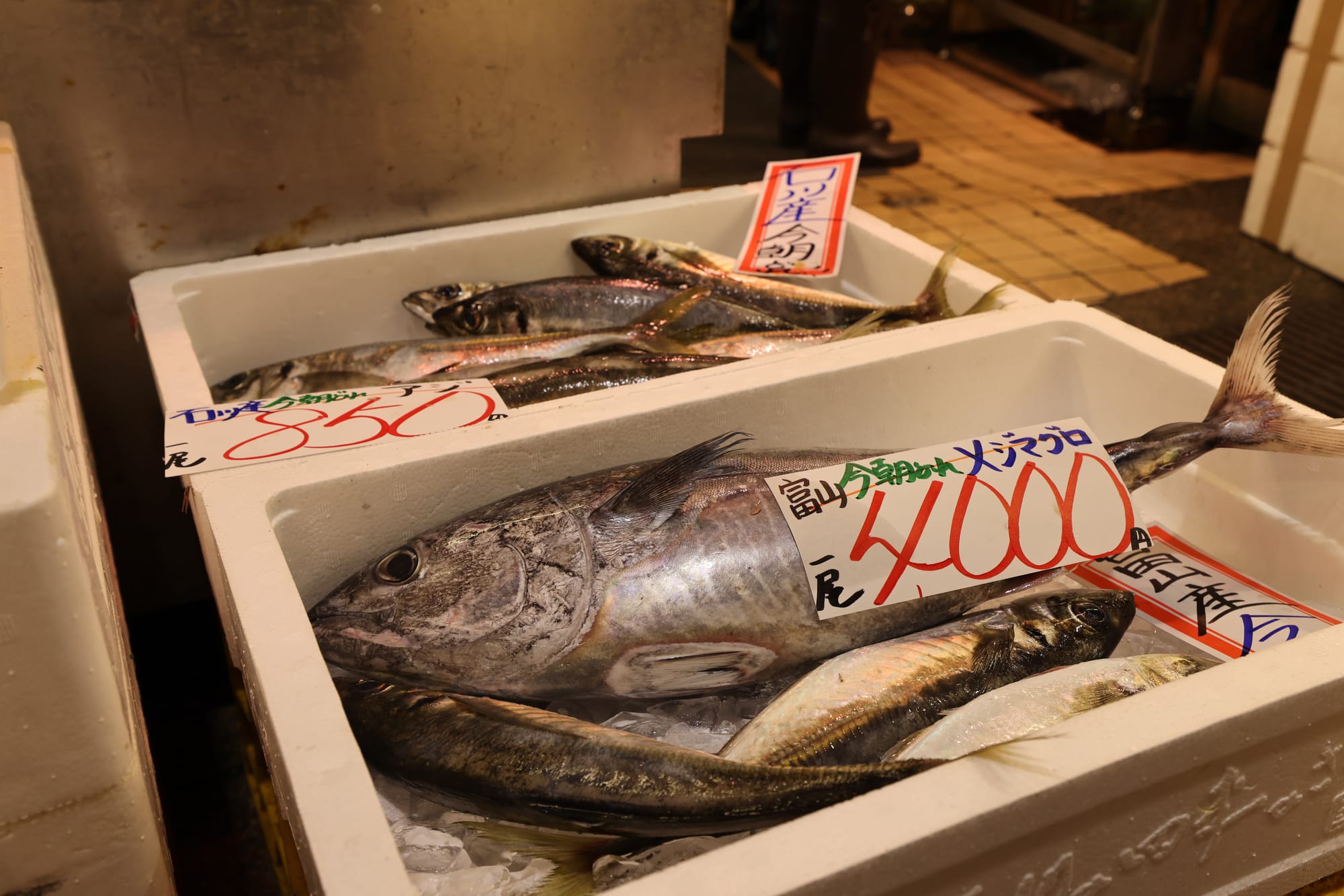
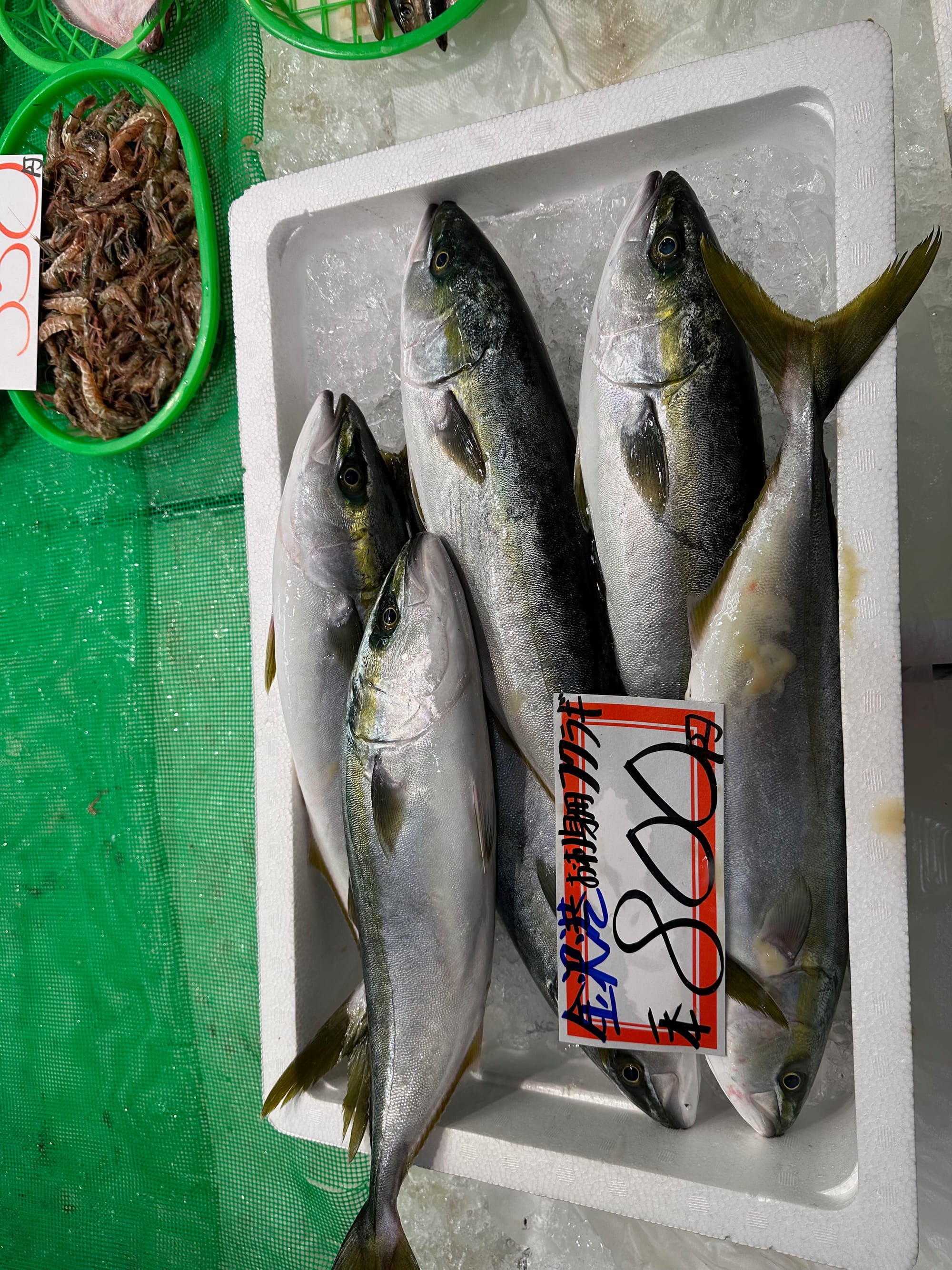
As we were about to leave the market, the rain really started to come down, so we settled in for more food and an afternoon coffee until the sky cleared up a bit.
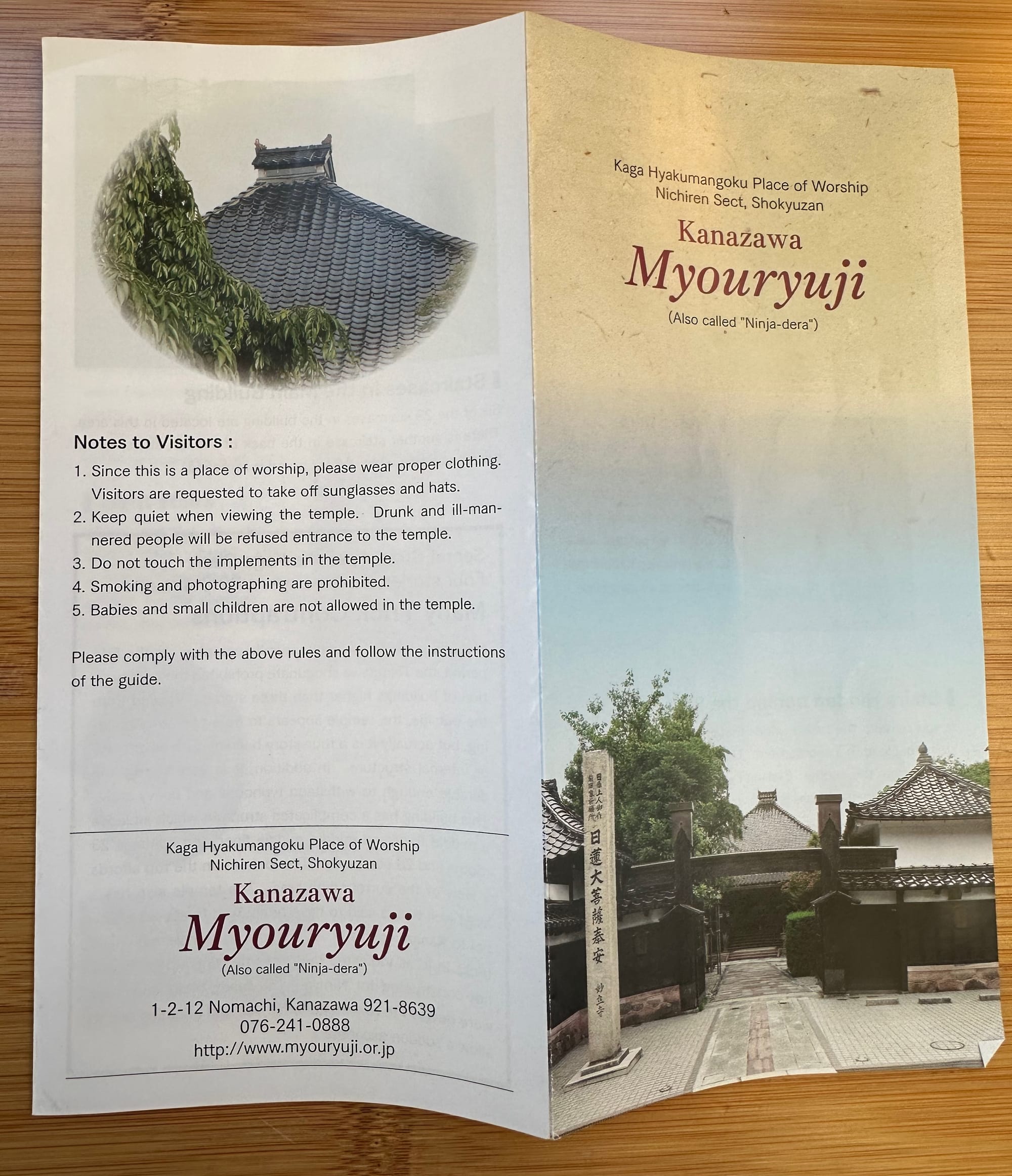
Unfortunately, the rain never really left us on this day. We decided to take a side trip to the 'Ninja Temple.' which wasn't far from our garden target.
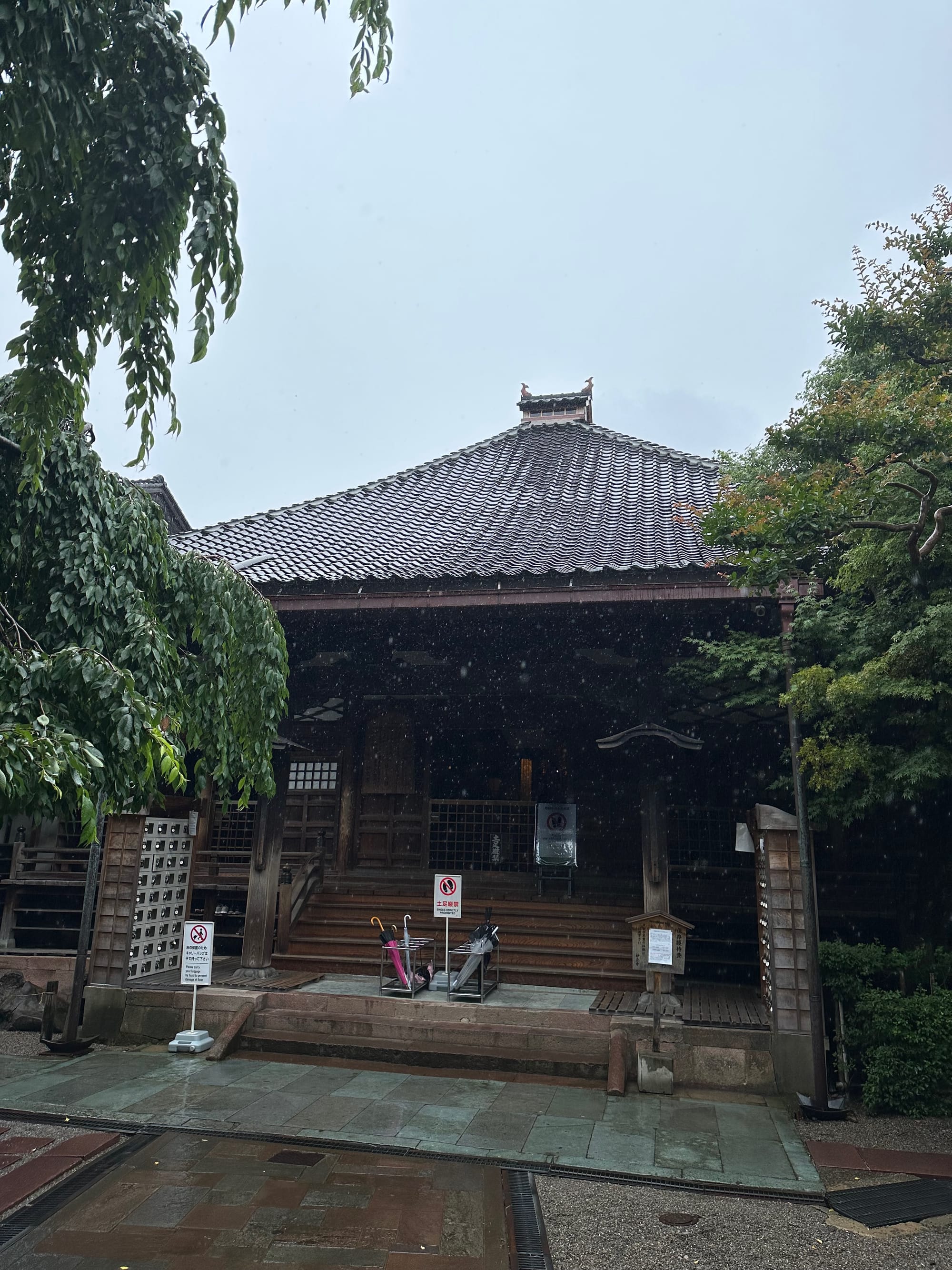
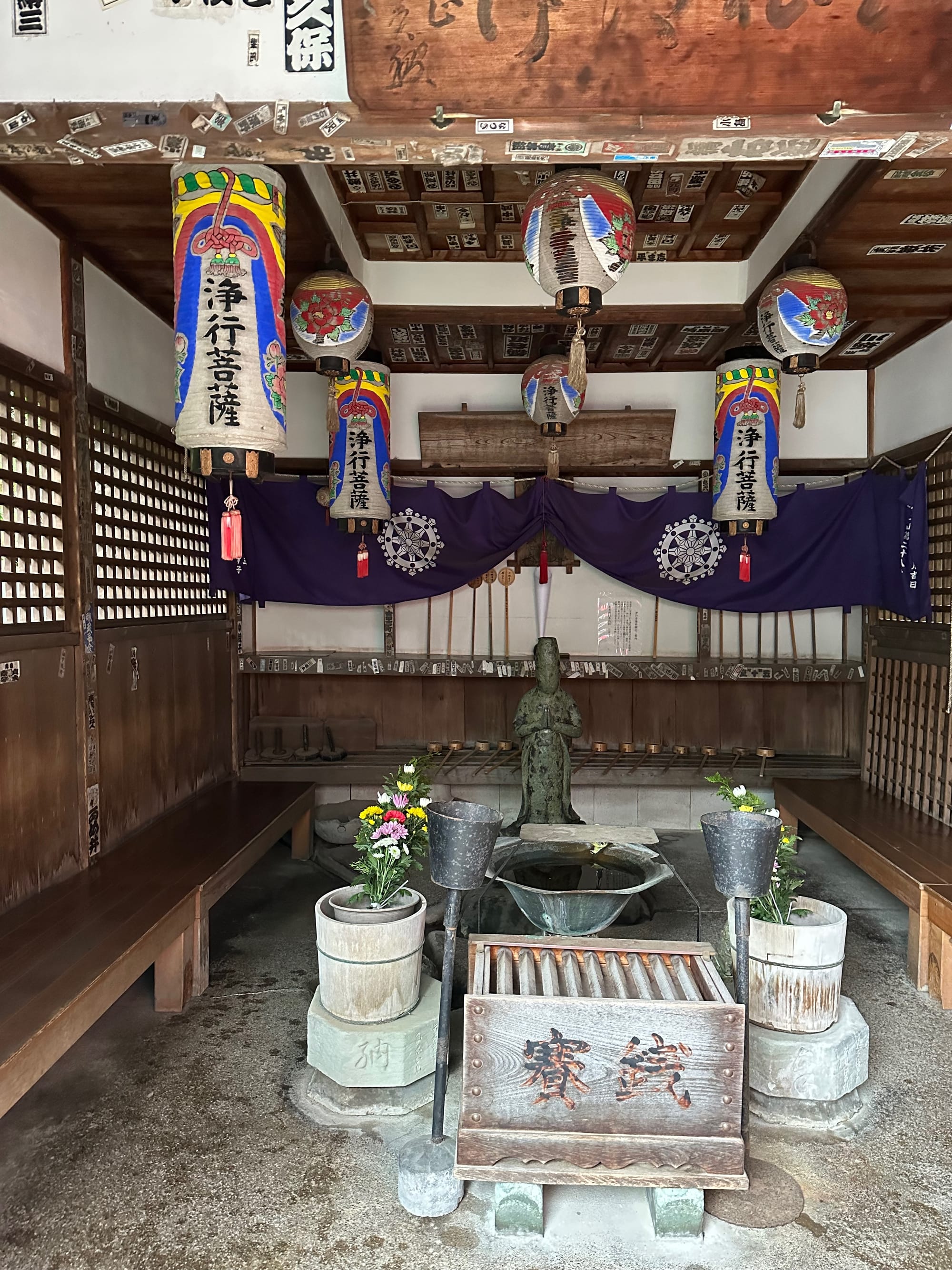
Myoryuji Temple (妙立寺, Myōryūji), commonly known as Ninjadera ("Ninja Temple"), was built by the Maeda lords, rulers over the region during the Edo Period. While not actually associated with ninja, the temple earned its nickname because of its many deceptive defences.
Since the shogun imposed strict building restrictions as one way of weakening the regional feudal lords, Myoryuji was designed to circumvent the restrictions and serve as a disguised military outpost. It was built with considerable defences and escape routes, so that its defenders could alert the castle in the event of an attack.
The temple's defences aimed to guard against intruders or attack, and include hidden tunnels, secret rooms, traps, and a labyrinth of corridors and staircases. These can be viewed on guided tours held in Japanese, although good English guidebooks are available.
This tour was super fun, but also a bit serious. Sorry guys, this is fantastic spy stuff, do we need to be so quiet the whole time?
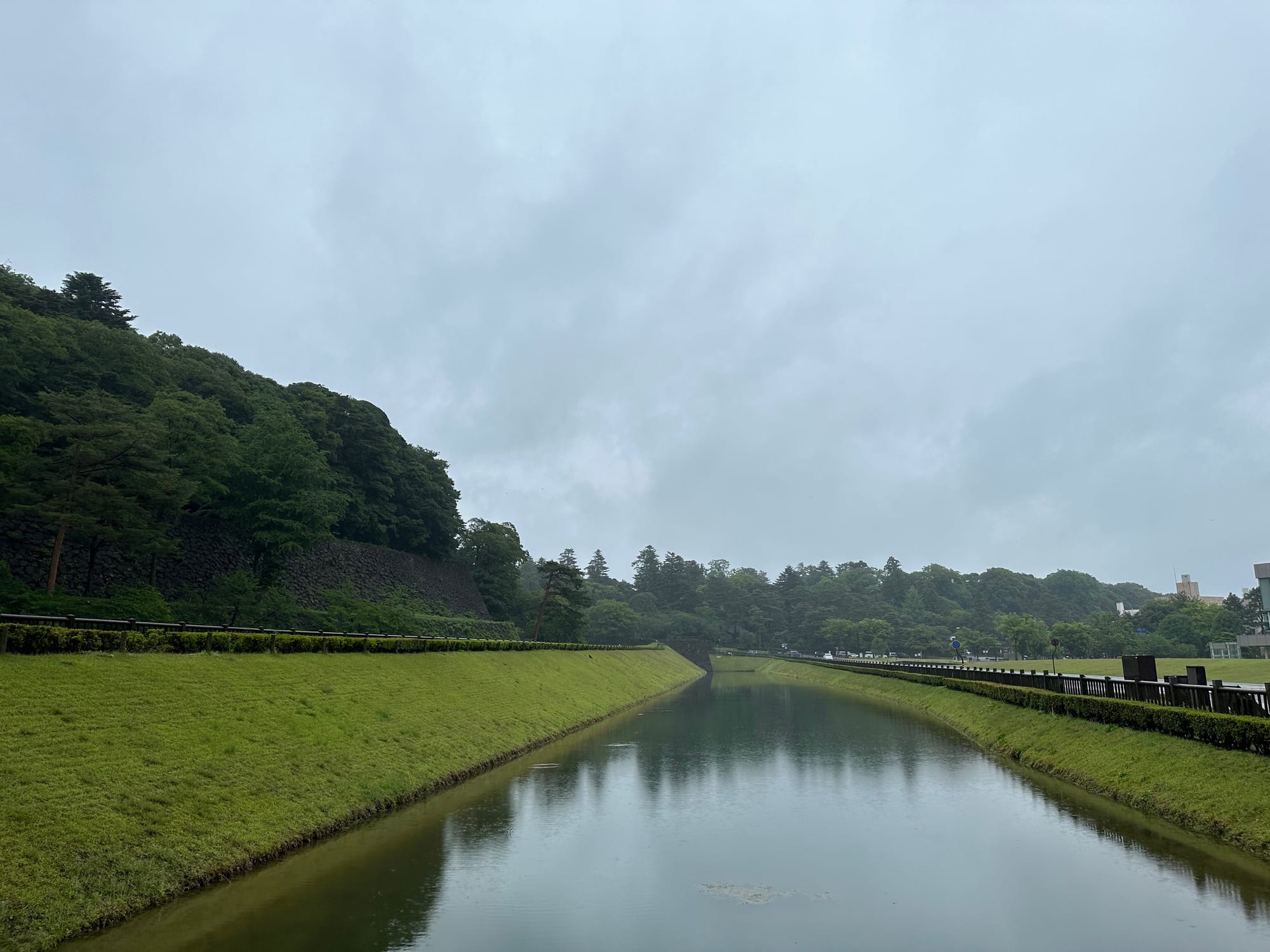
We eventually made our way through old castle grounds to Gyokusen-en, with the rain stopping and starting again the whole way.
Gyokusen-en was beautiful, but it was quite compact, and on this day, overcast and wet. Still, we enjoyed the adventure, and the garden itself is a remarkable example of traditional Japanese scene setting.
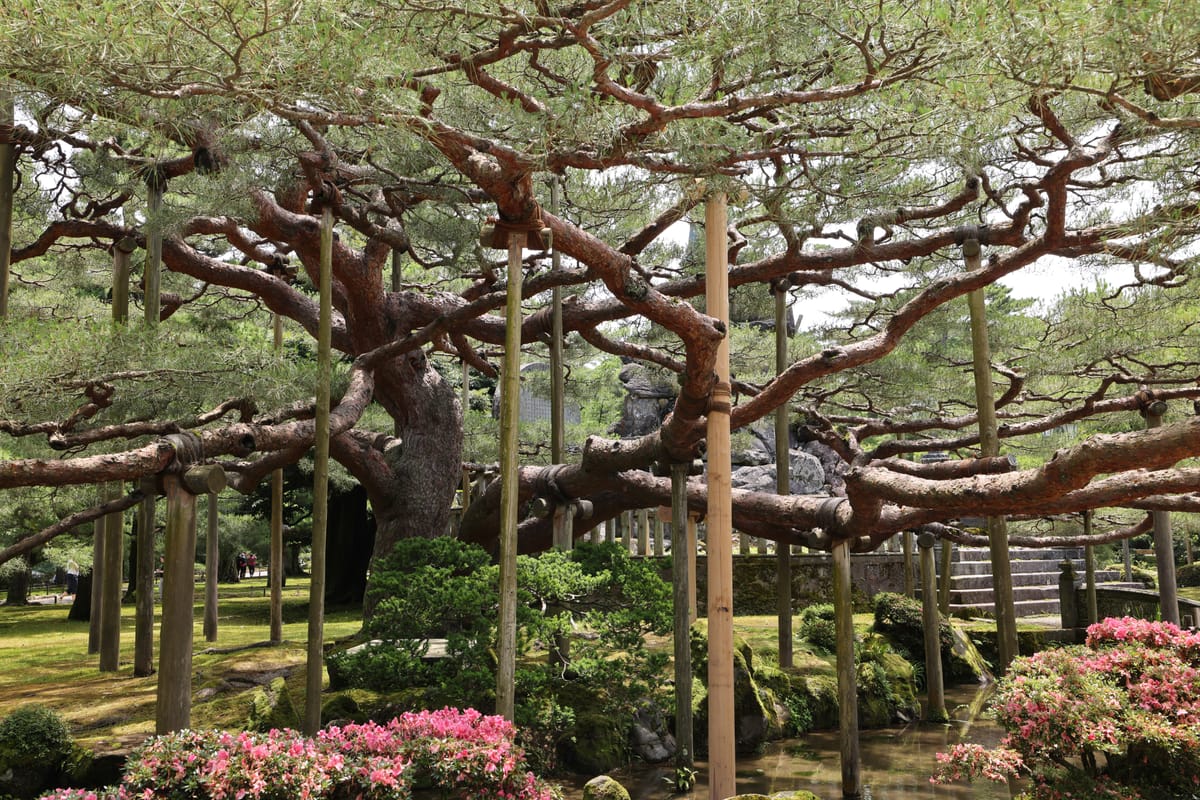
Wakita Naokata, vassal in the Kaga Clan, started designing and constructing the garden in the middle of the 17th century, and four generations carried on the landscaping of the garden. Naokata was born in Korea and raised by the Maeda family in Japan by a twist of fate. There are a large number of plants in the garden, including a huge Korean pentaphylla pine that Naokata and his father raised after they obtained the seed from Korea.
A visitor can enjoy a powdered green tea and experience a Japanese traditional tea ceremony subject to reservation.
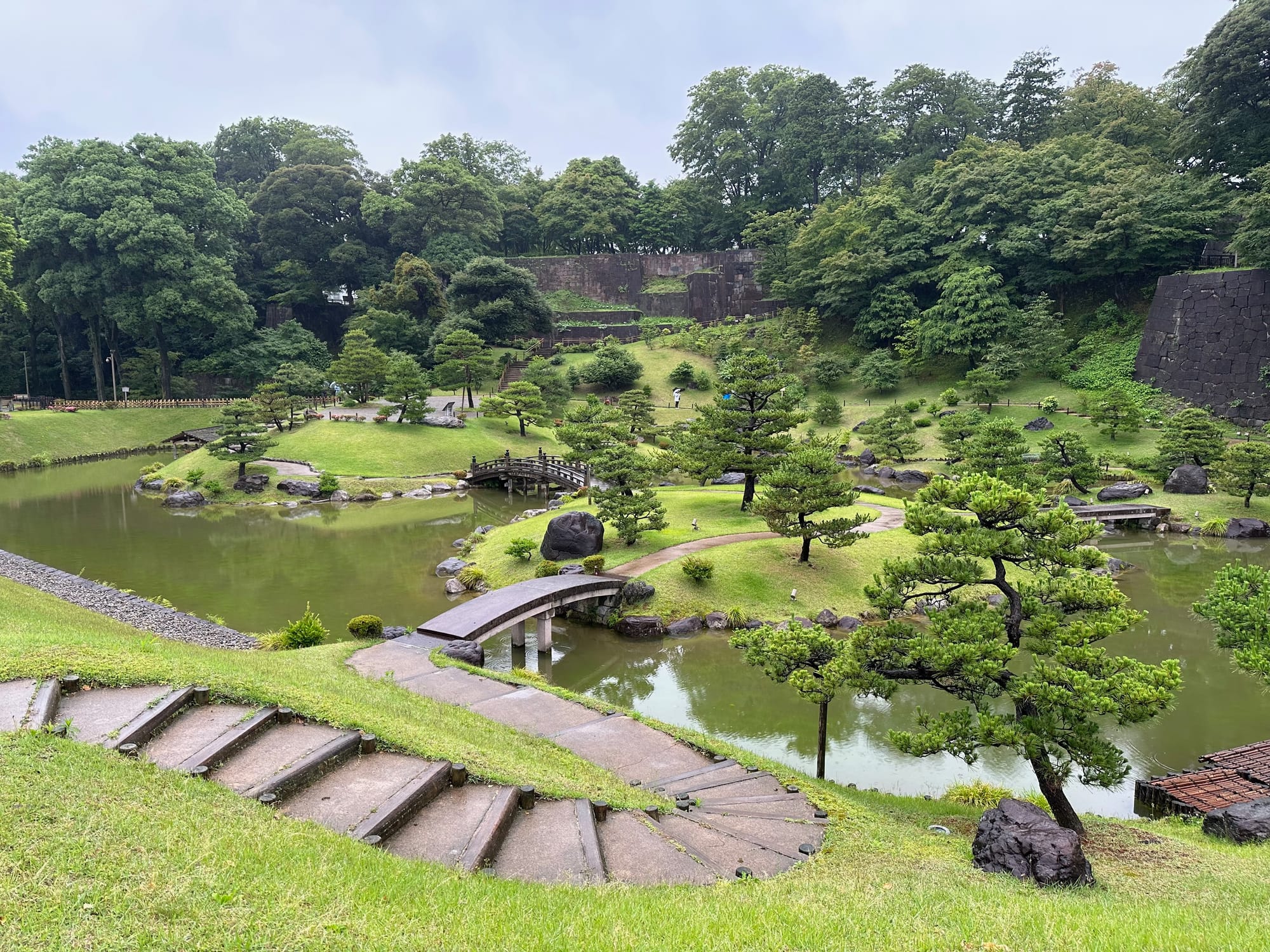
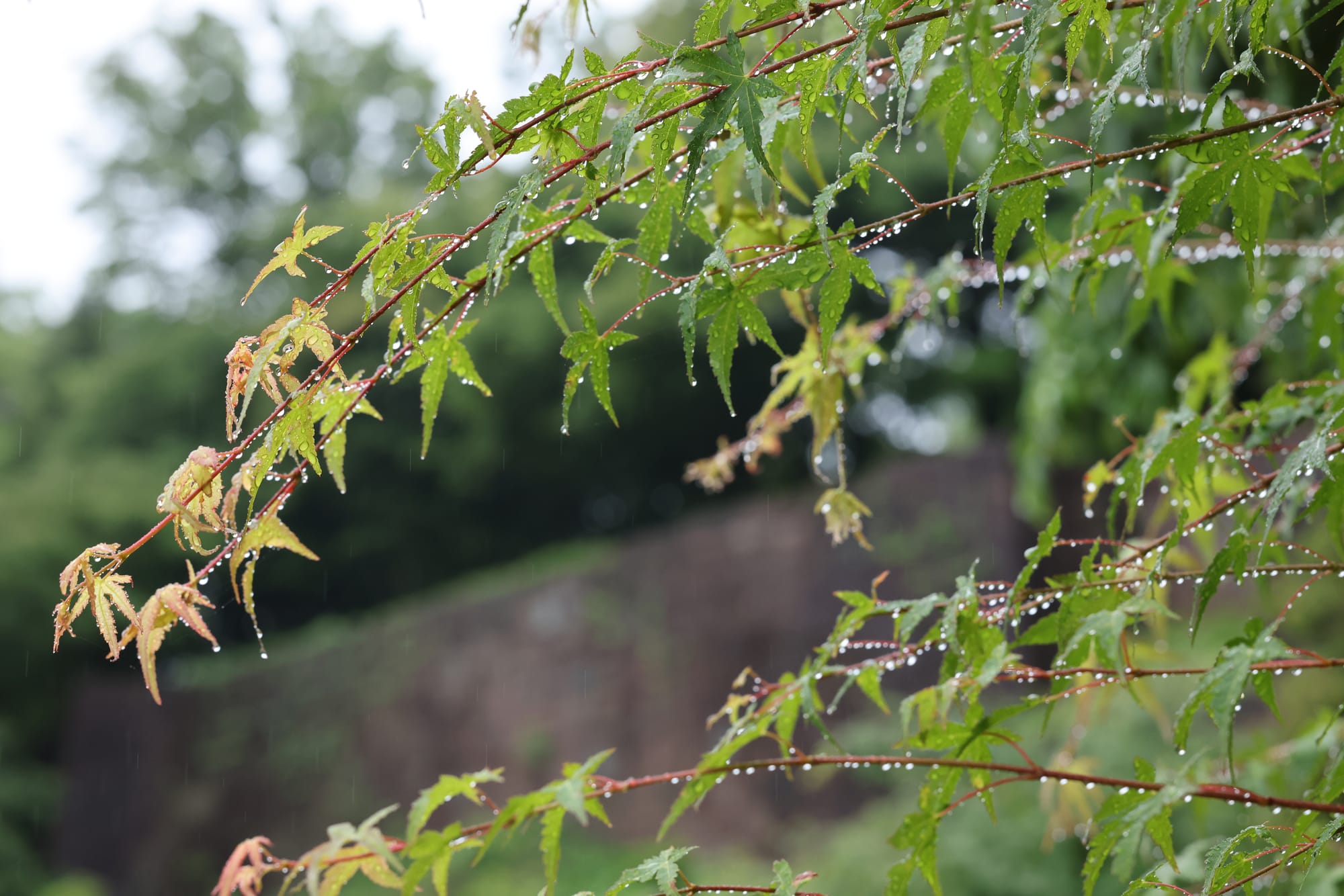
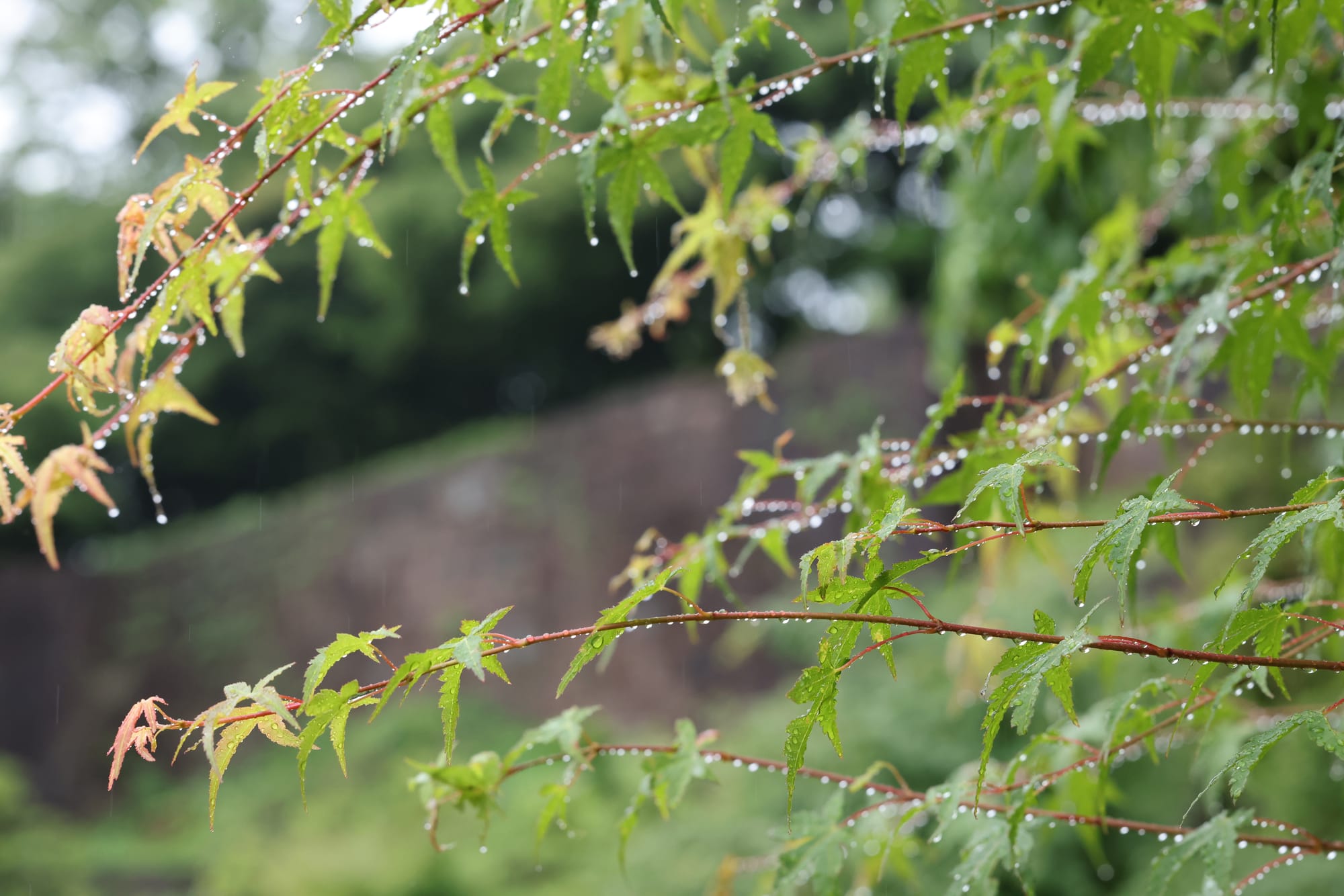
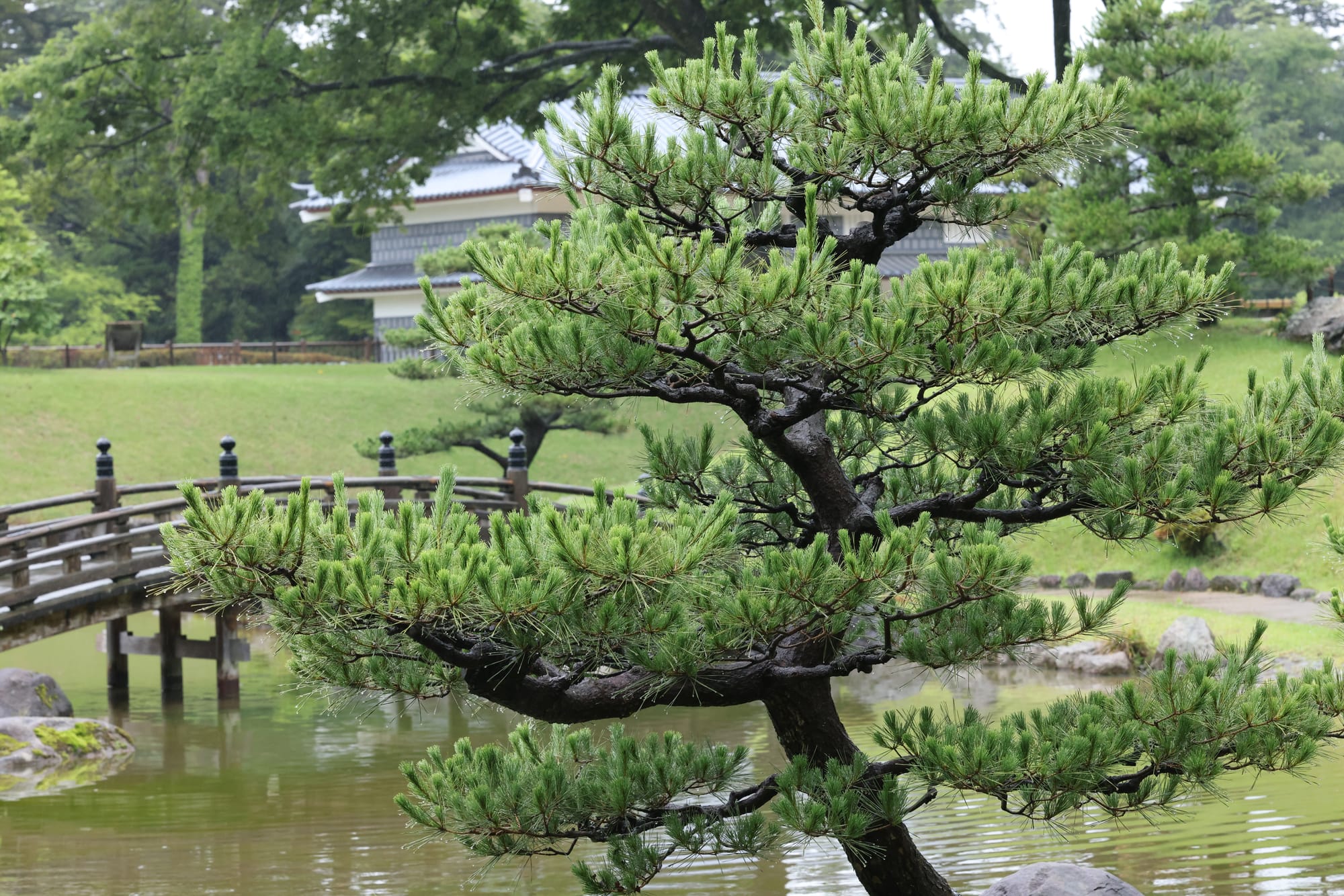
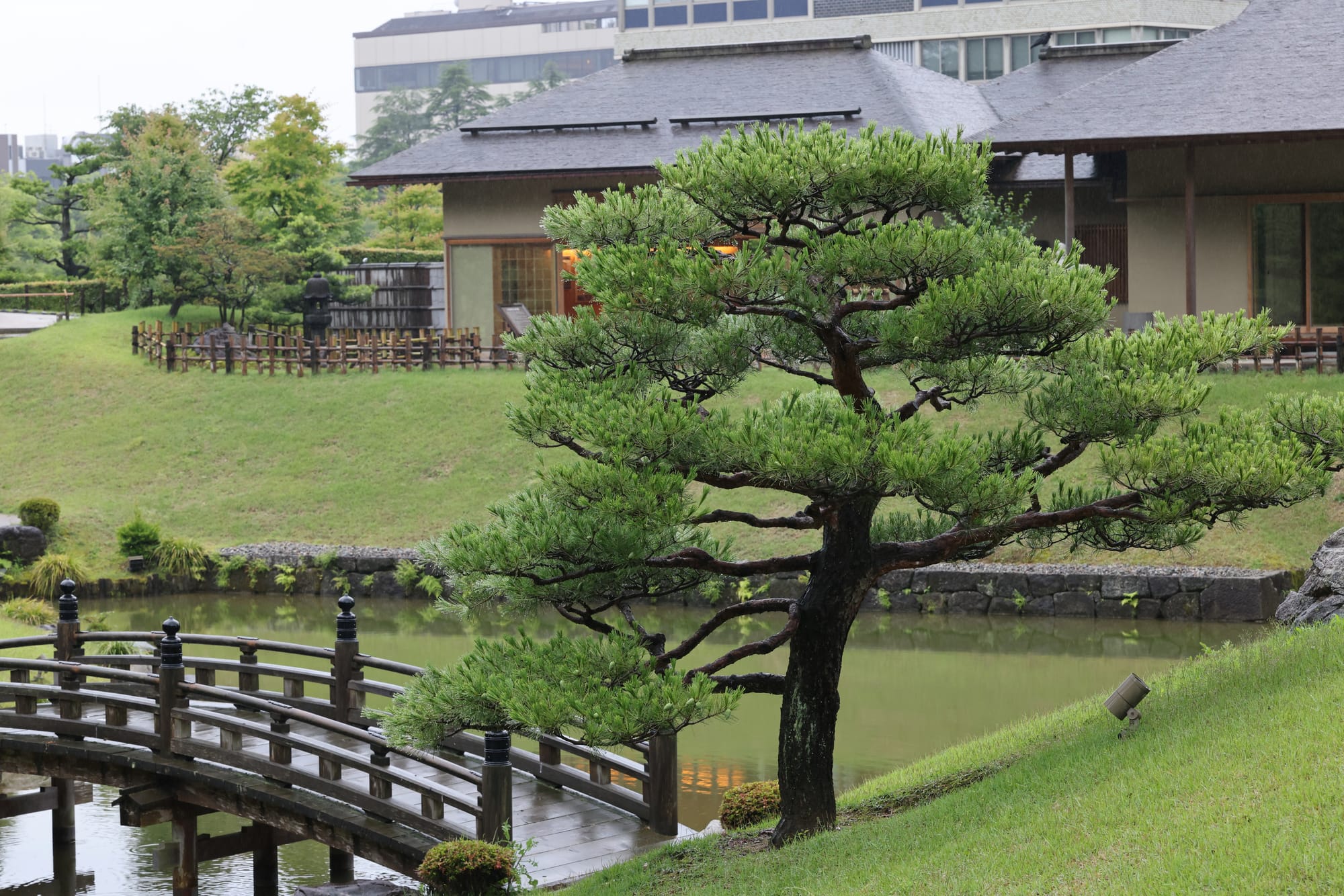
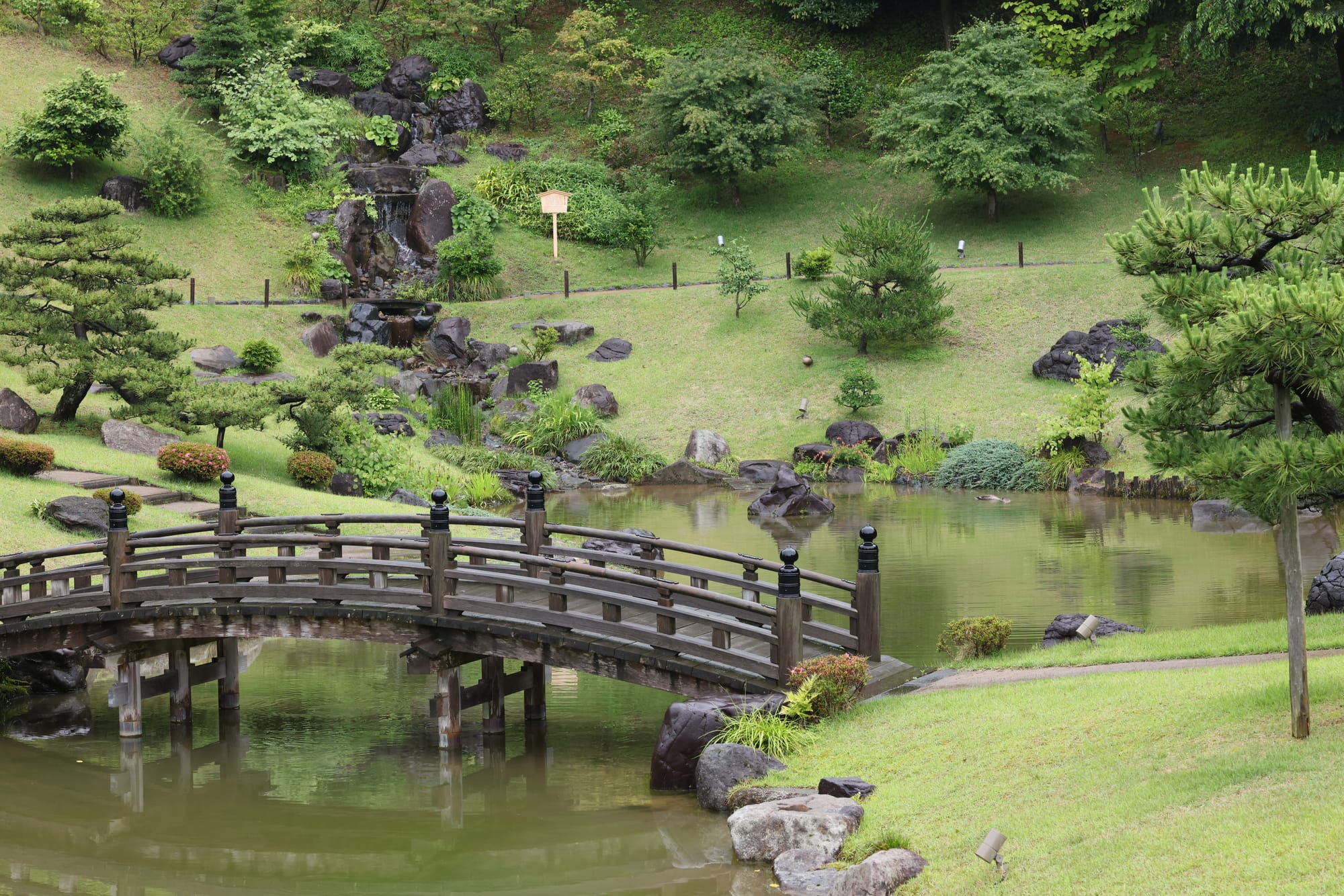
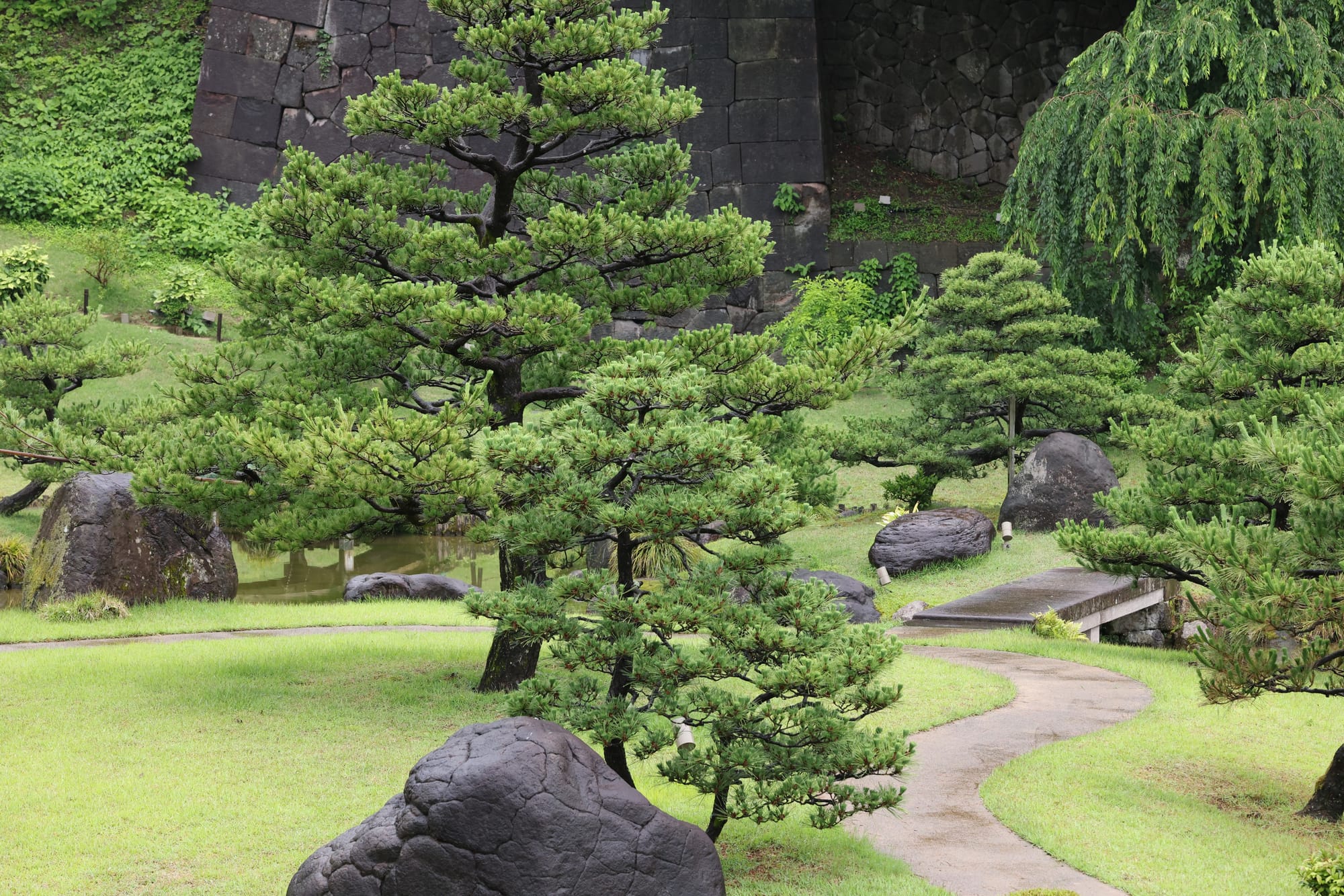
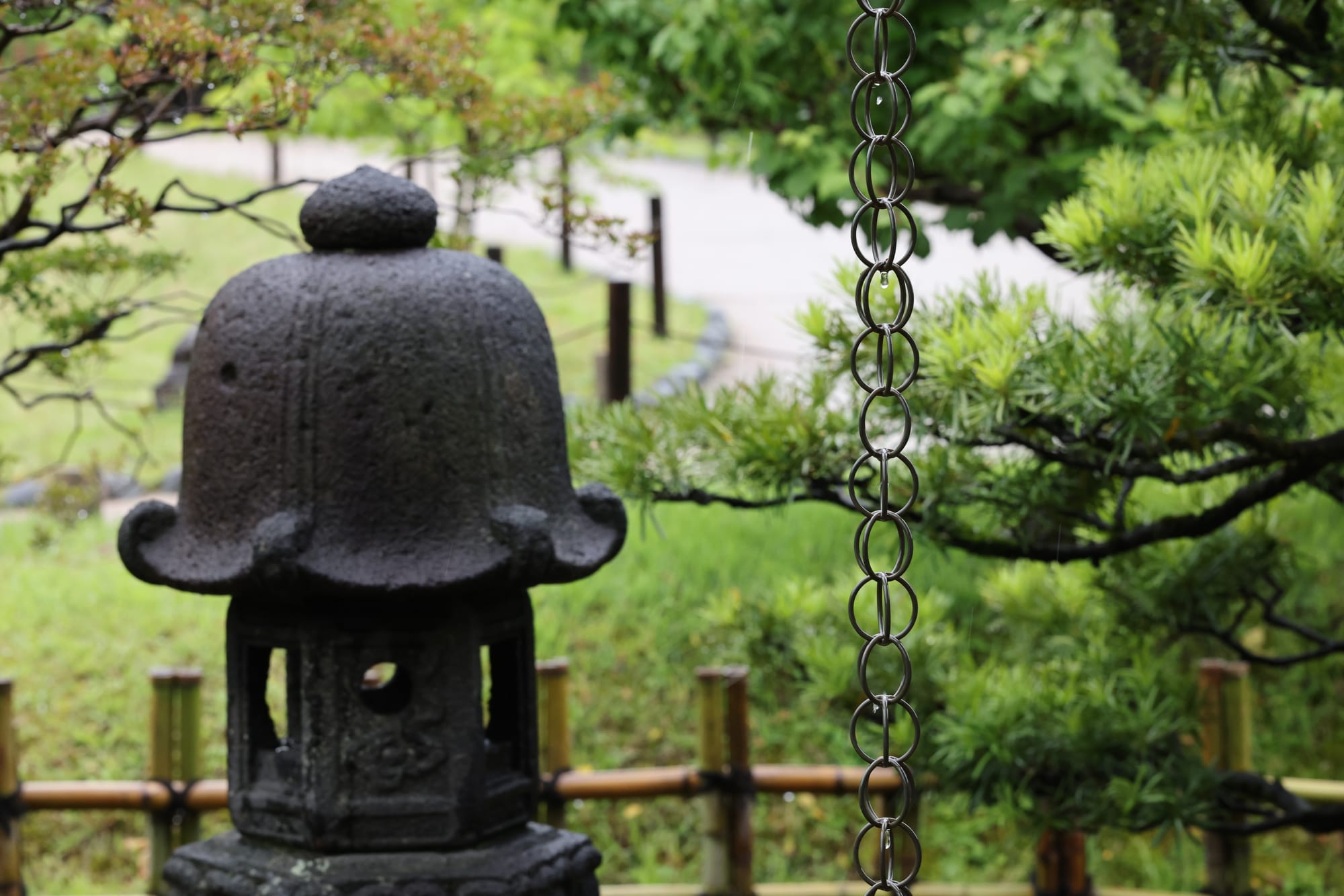
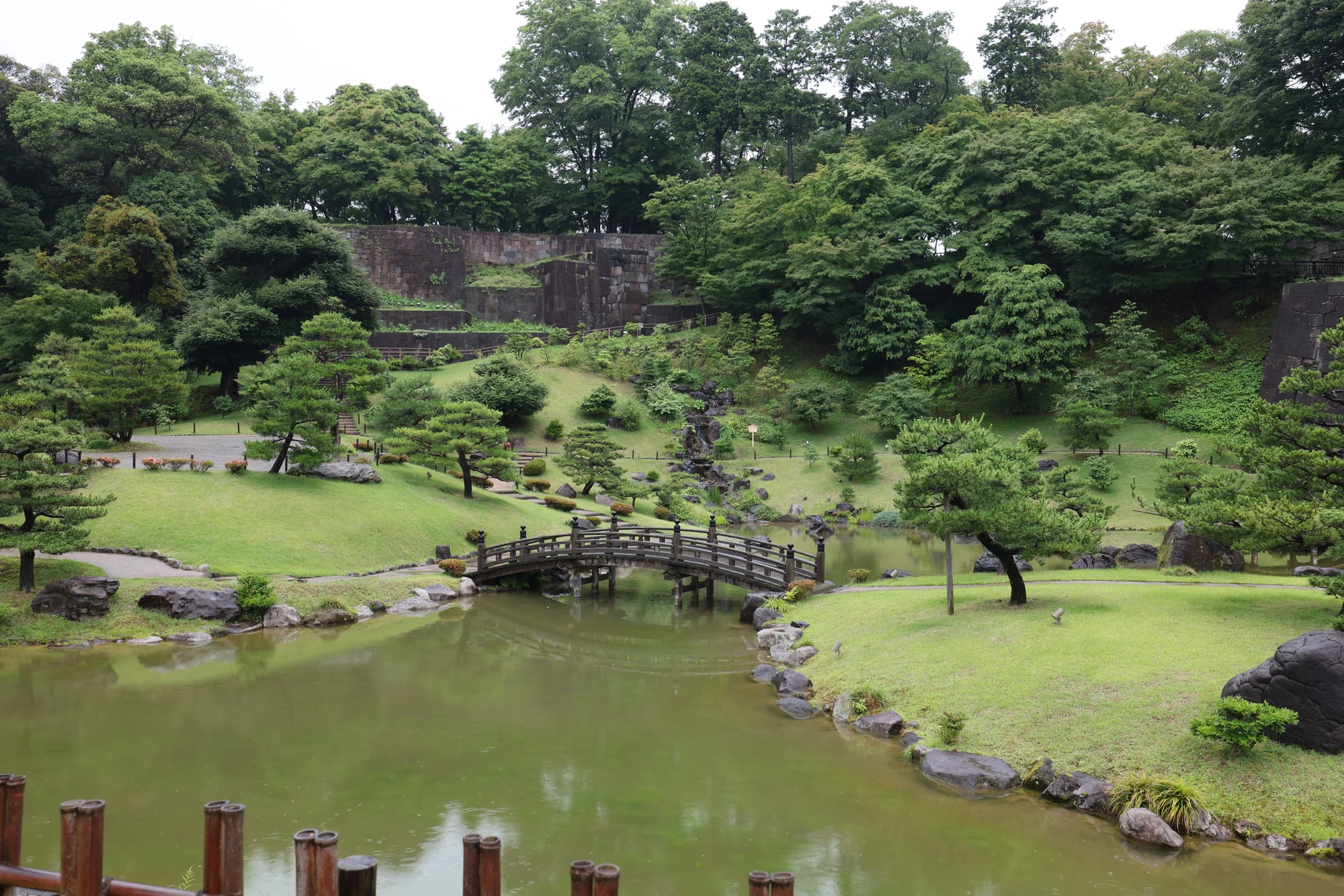
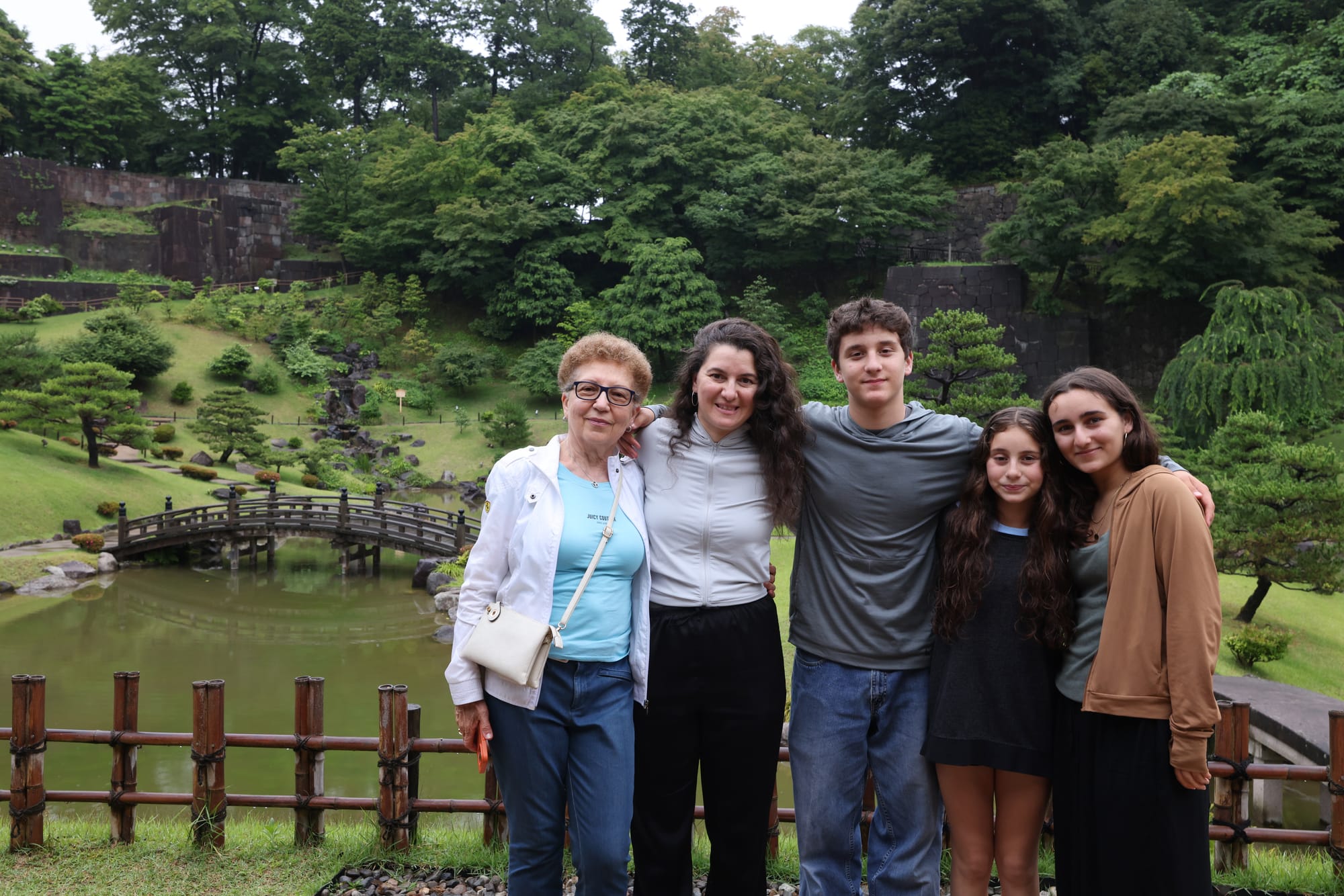
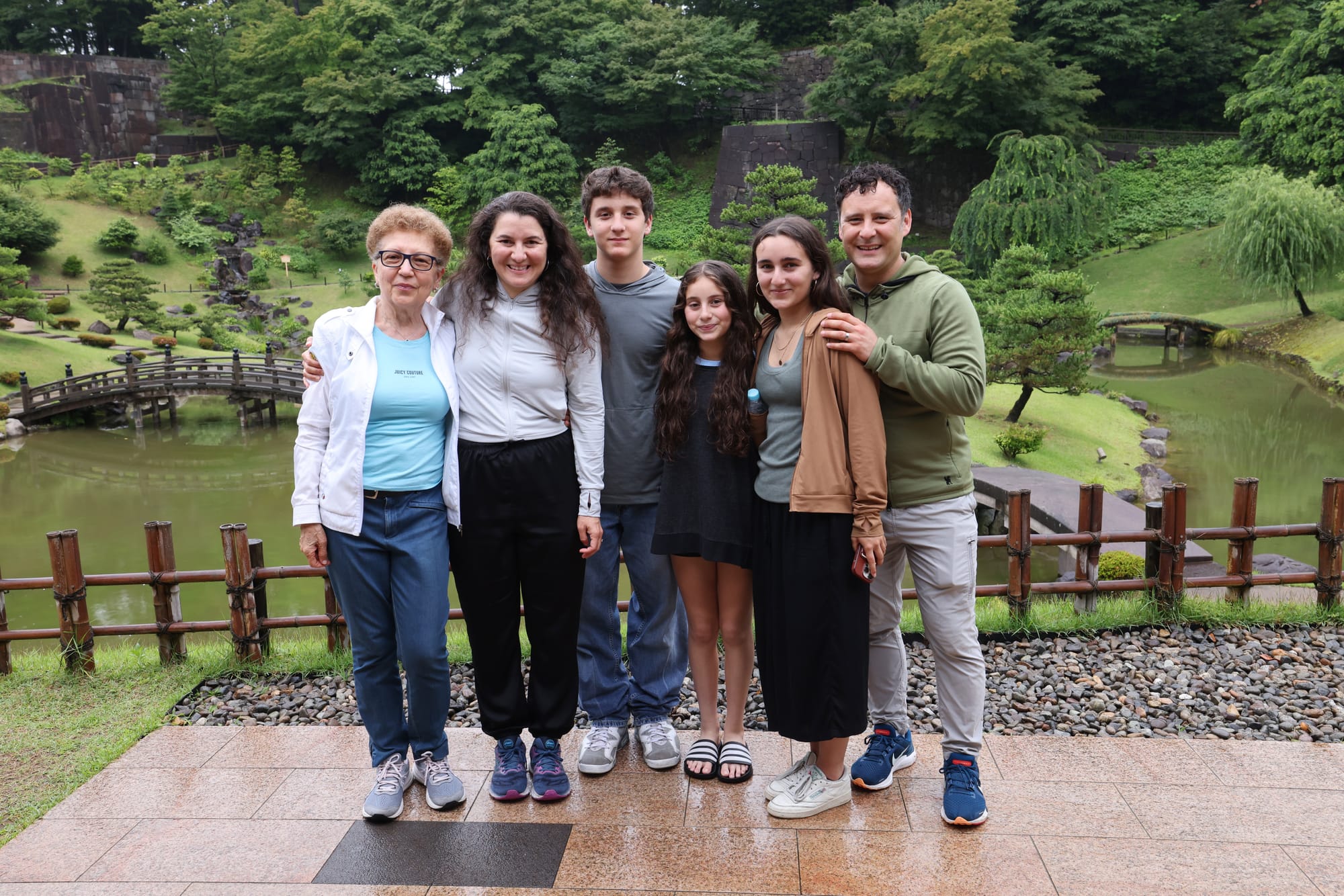

We wandered a bit from Gyokusen-en while we planned our next move, which we knew HAD to include local sushi ...
At one stop in a local park, a huge crowd of Crows took over the trees above as dusk approached ...
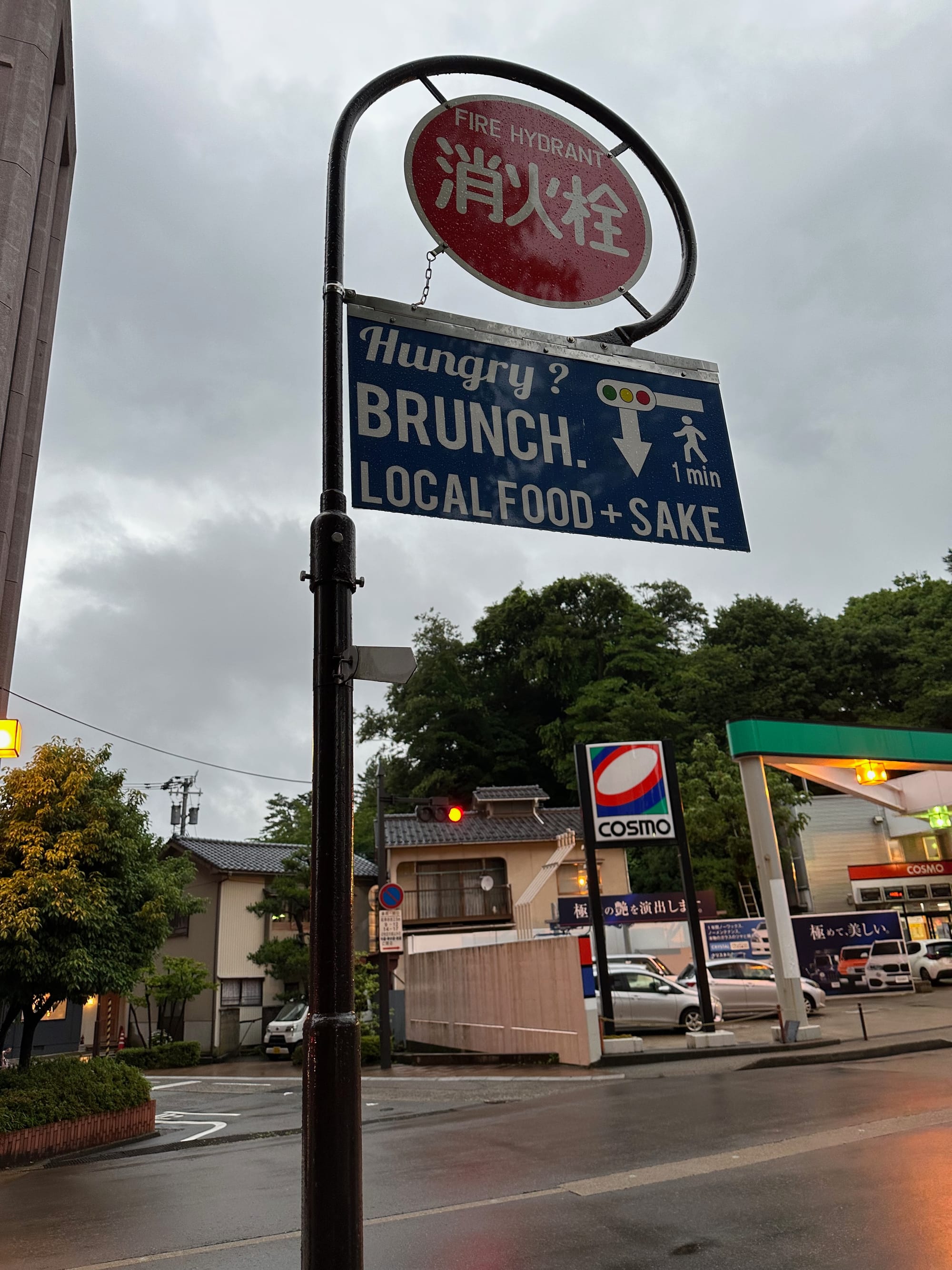
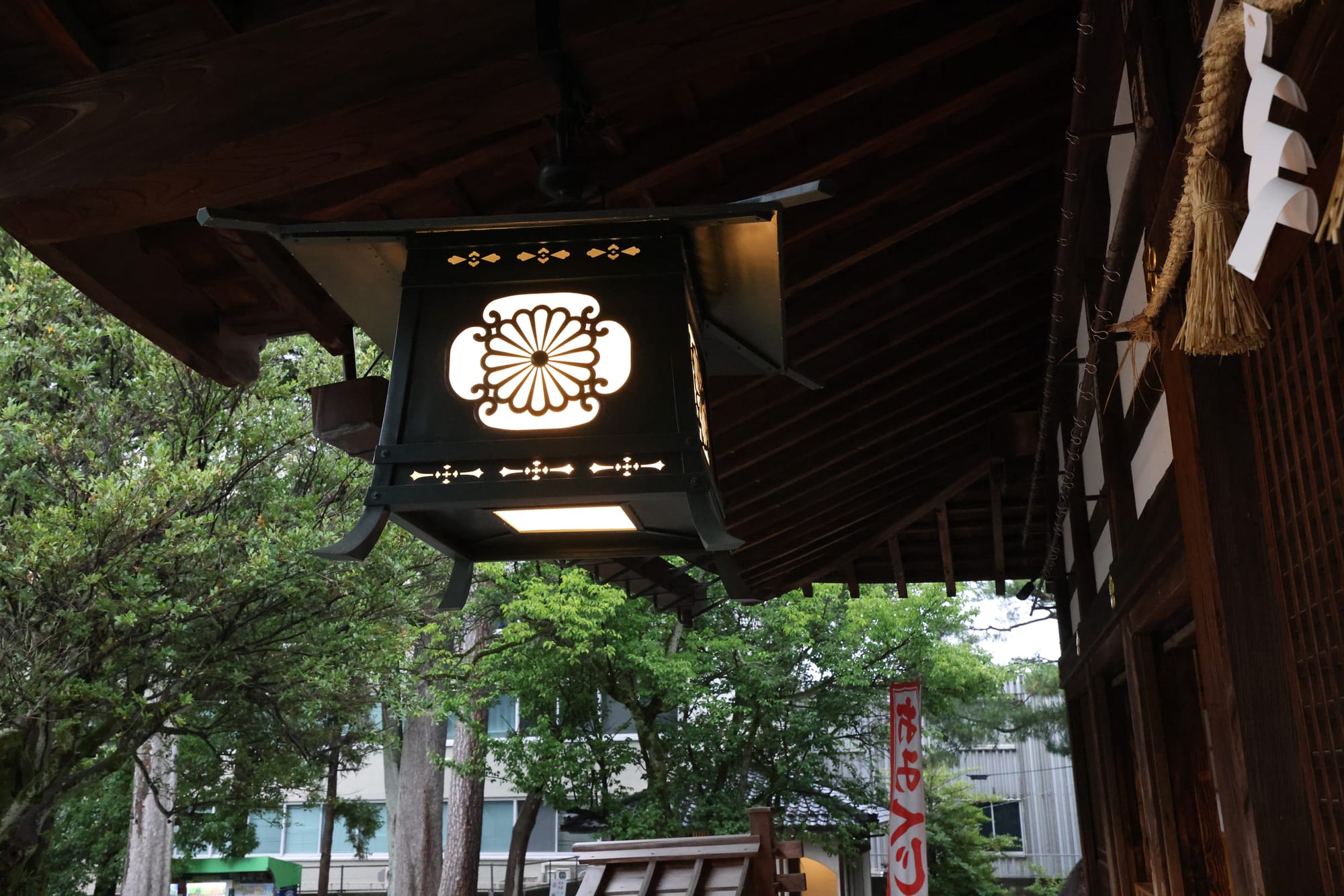
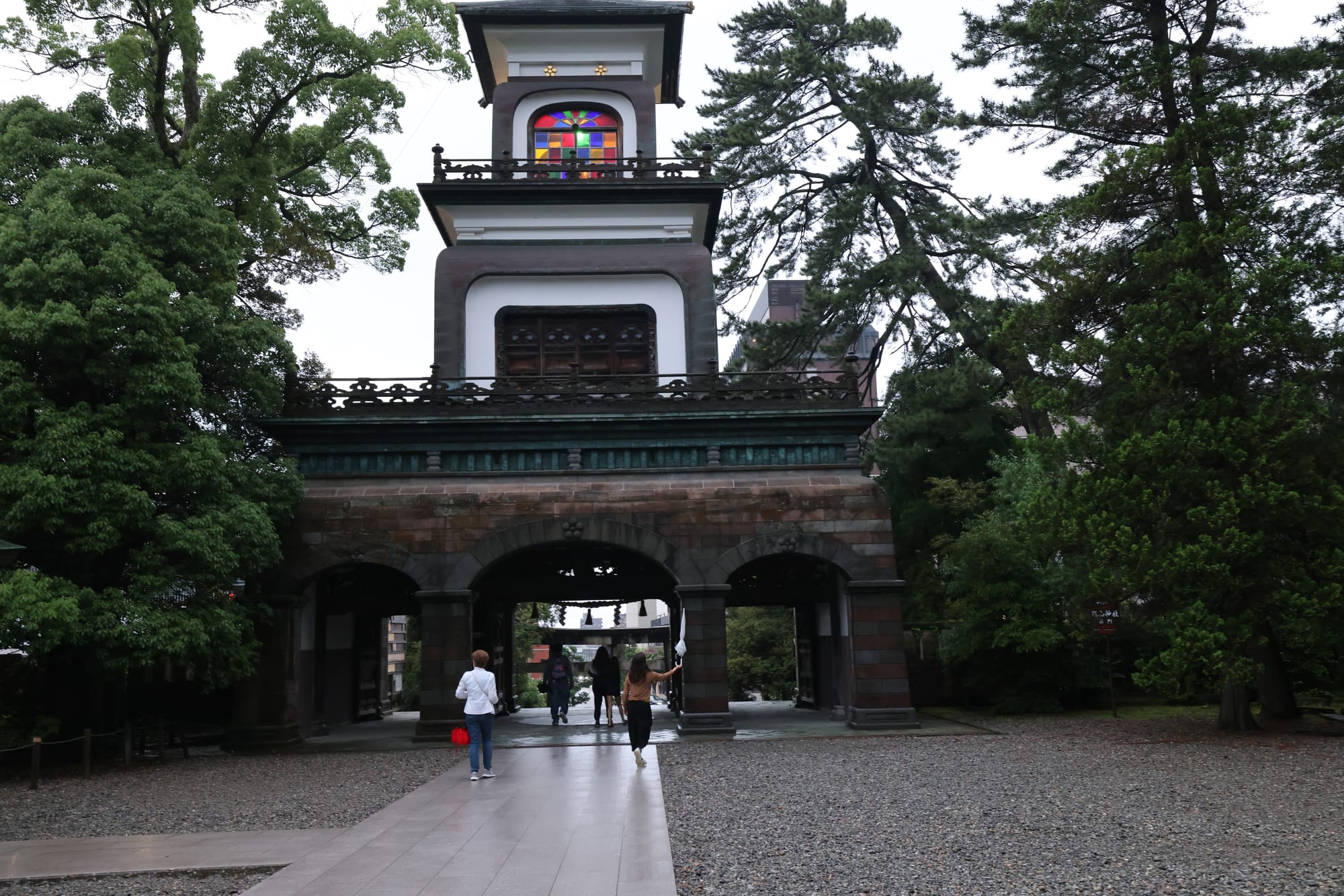

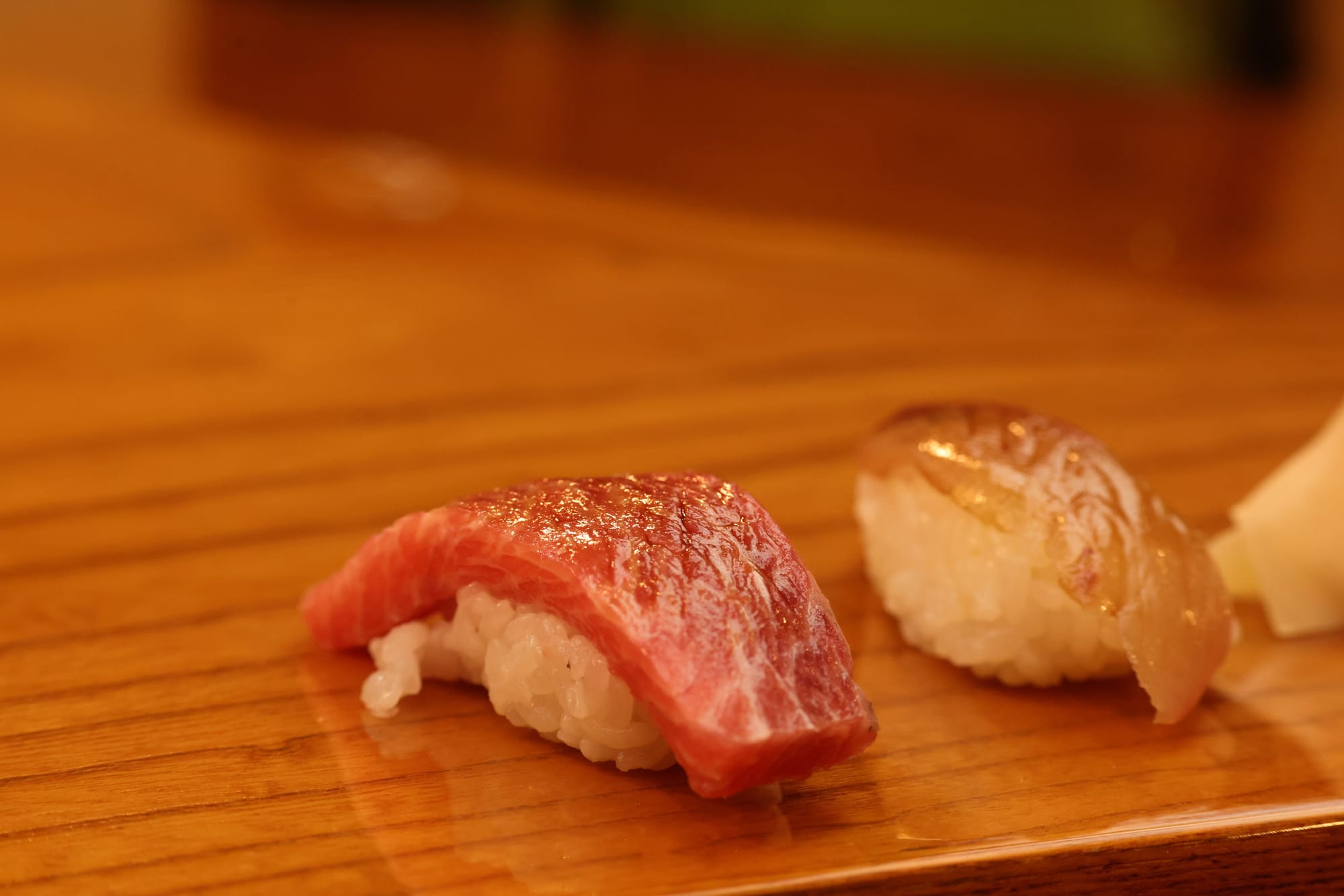
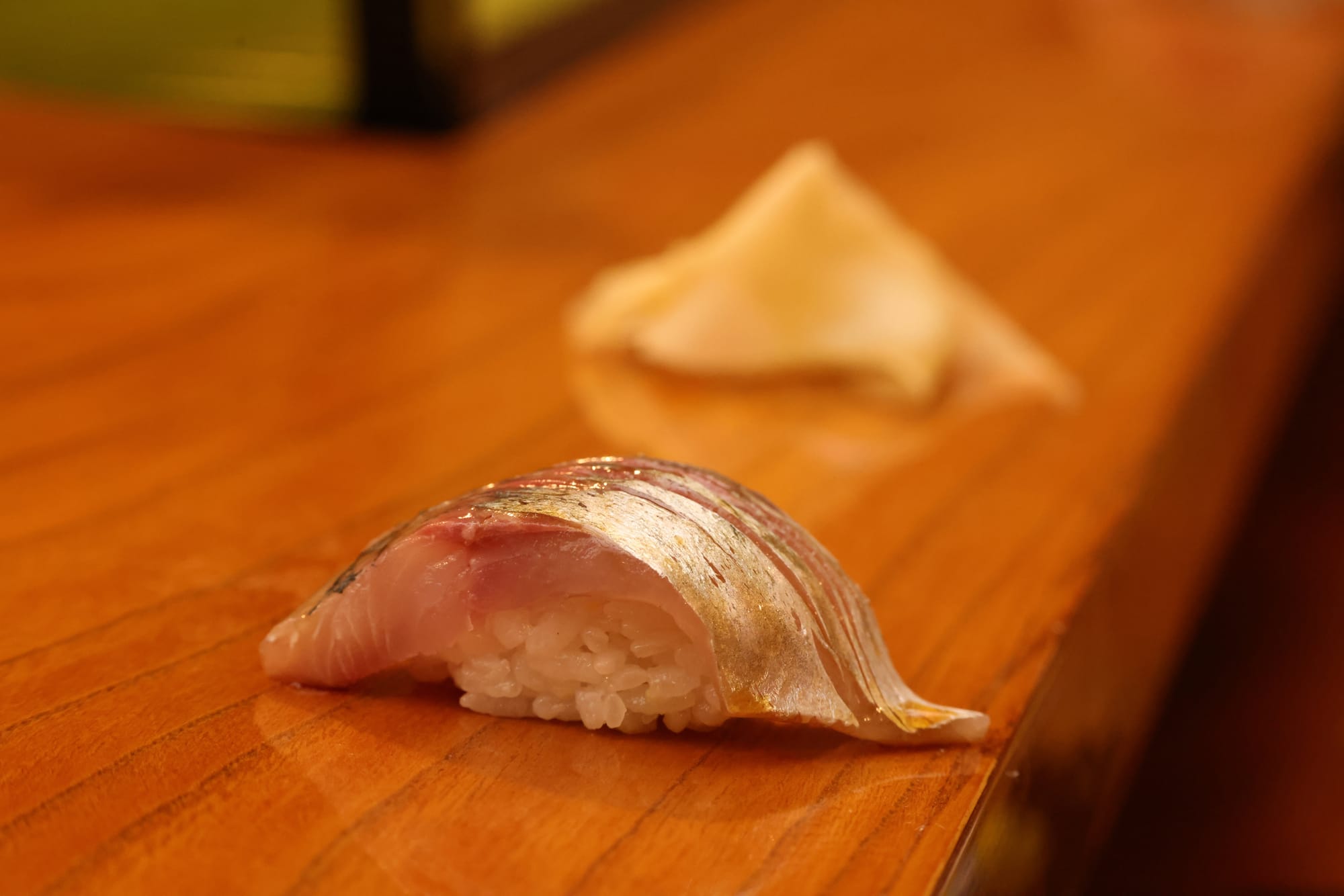
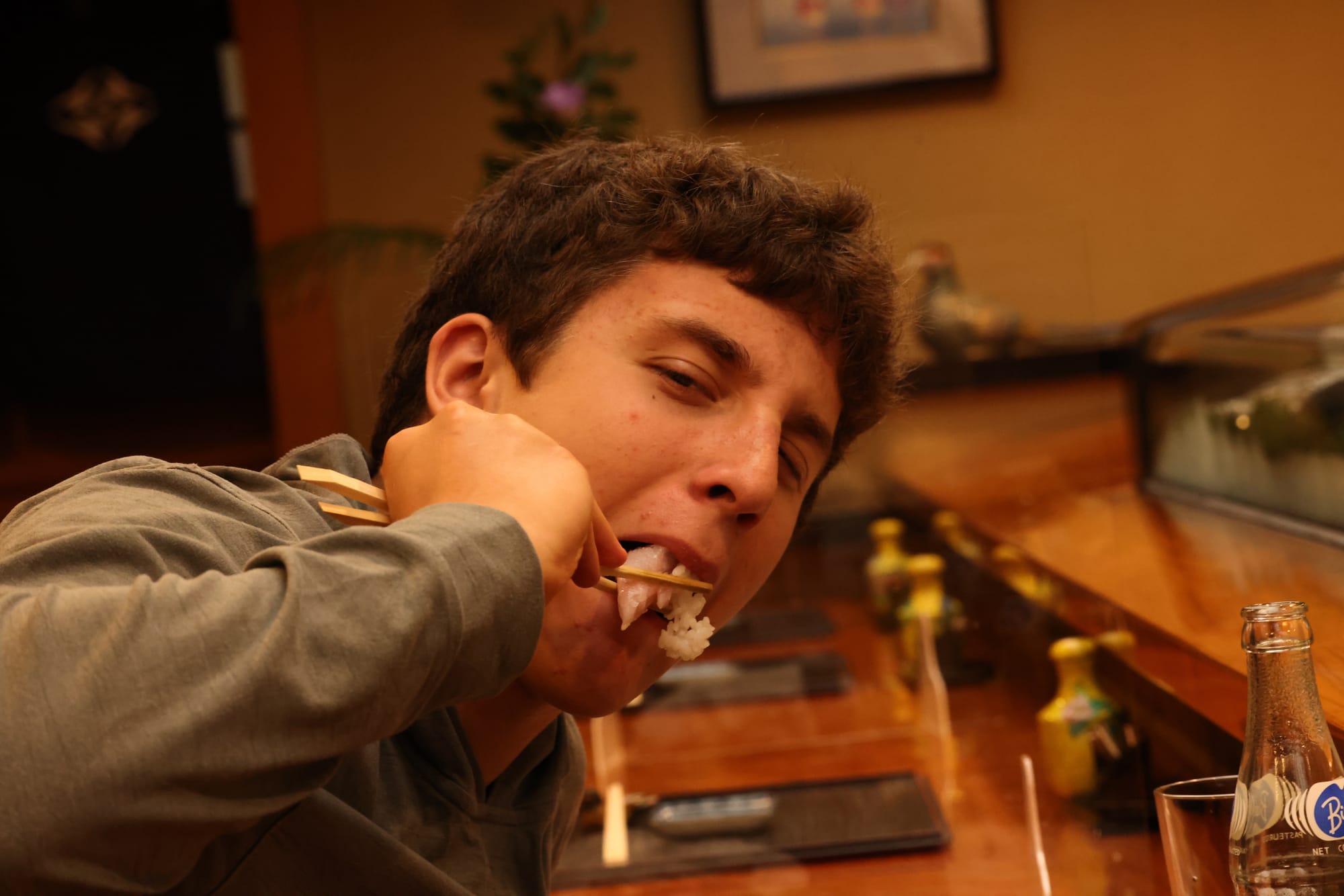
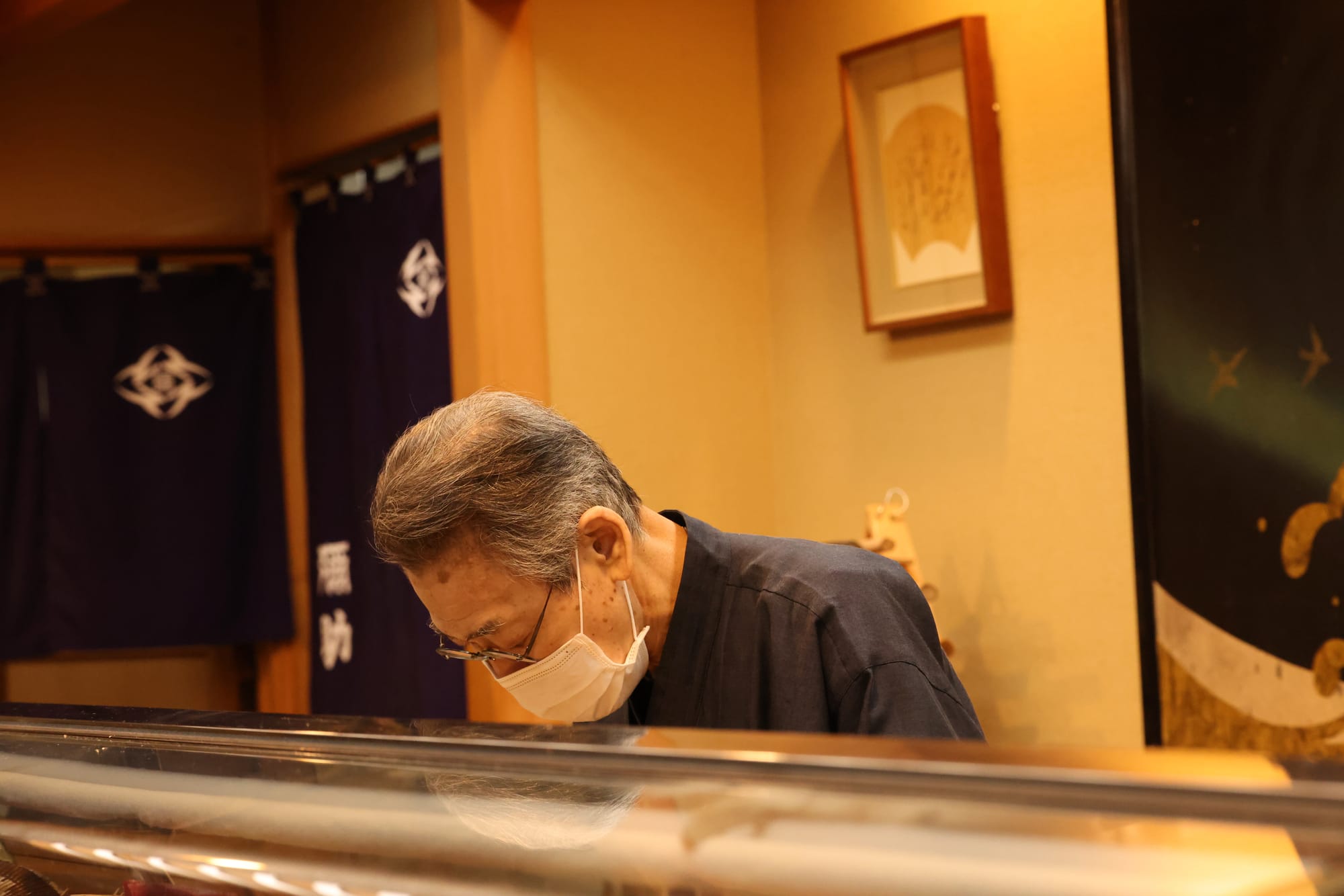
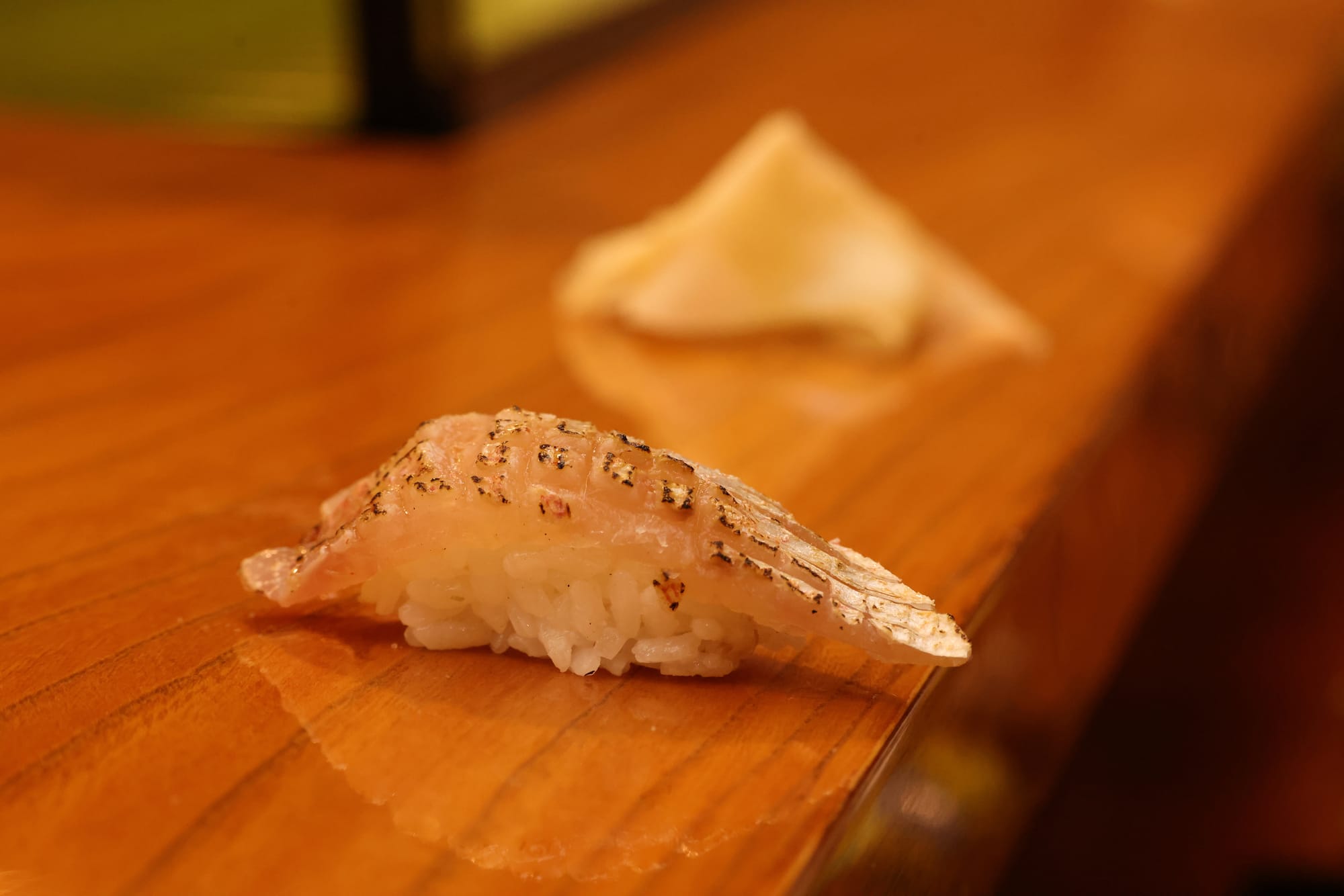
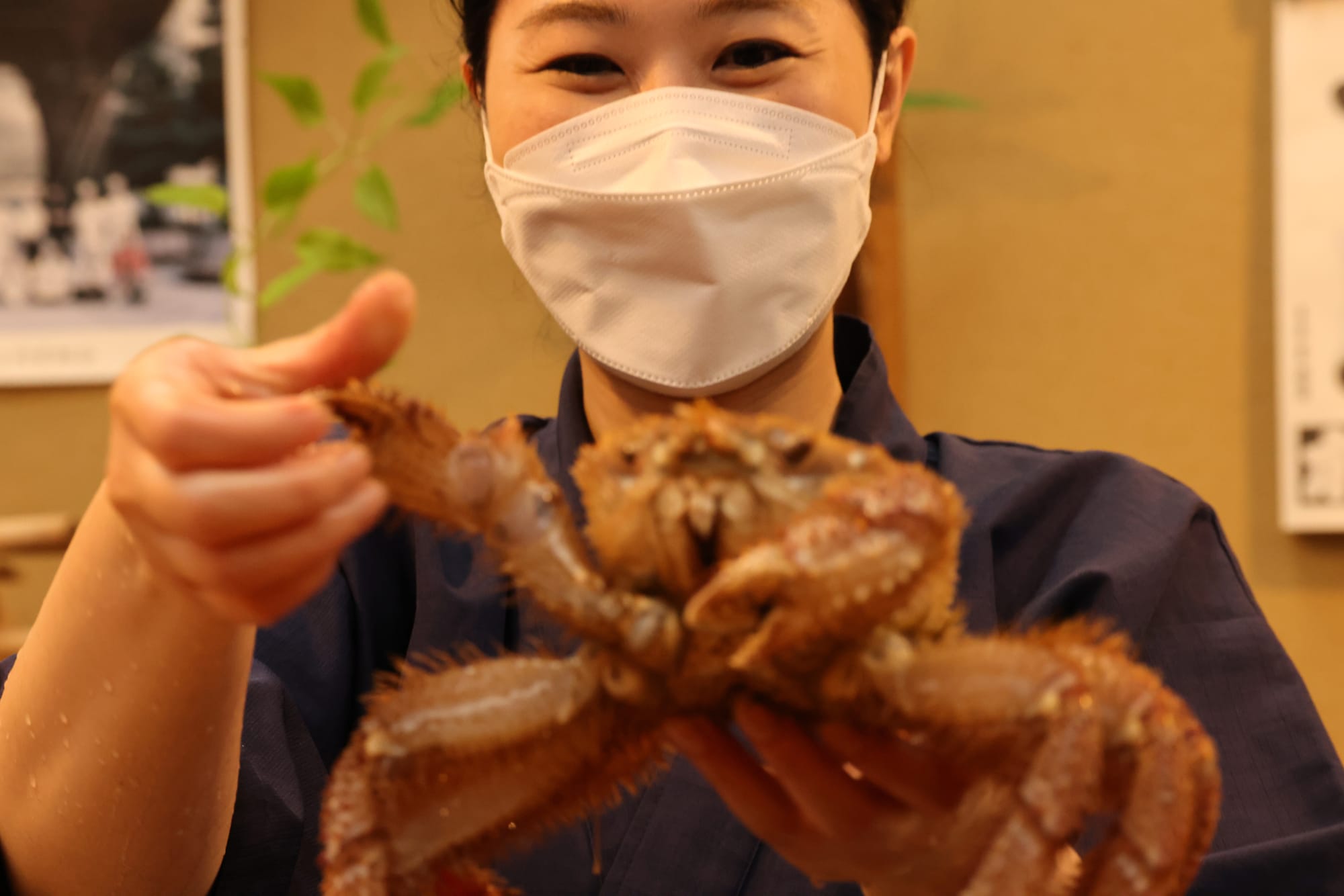
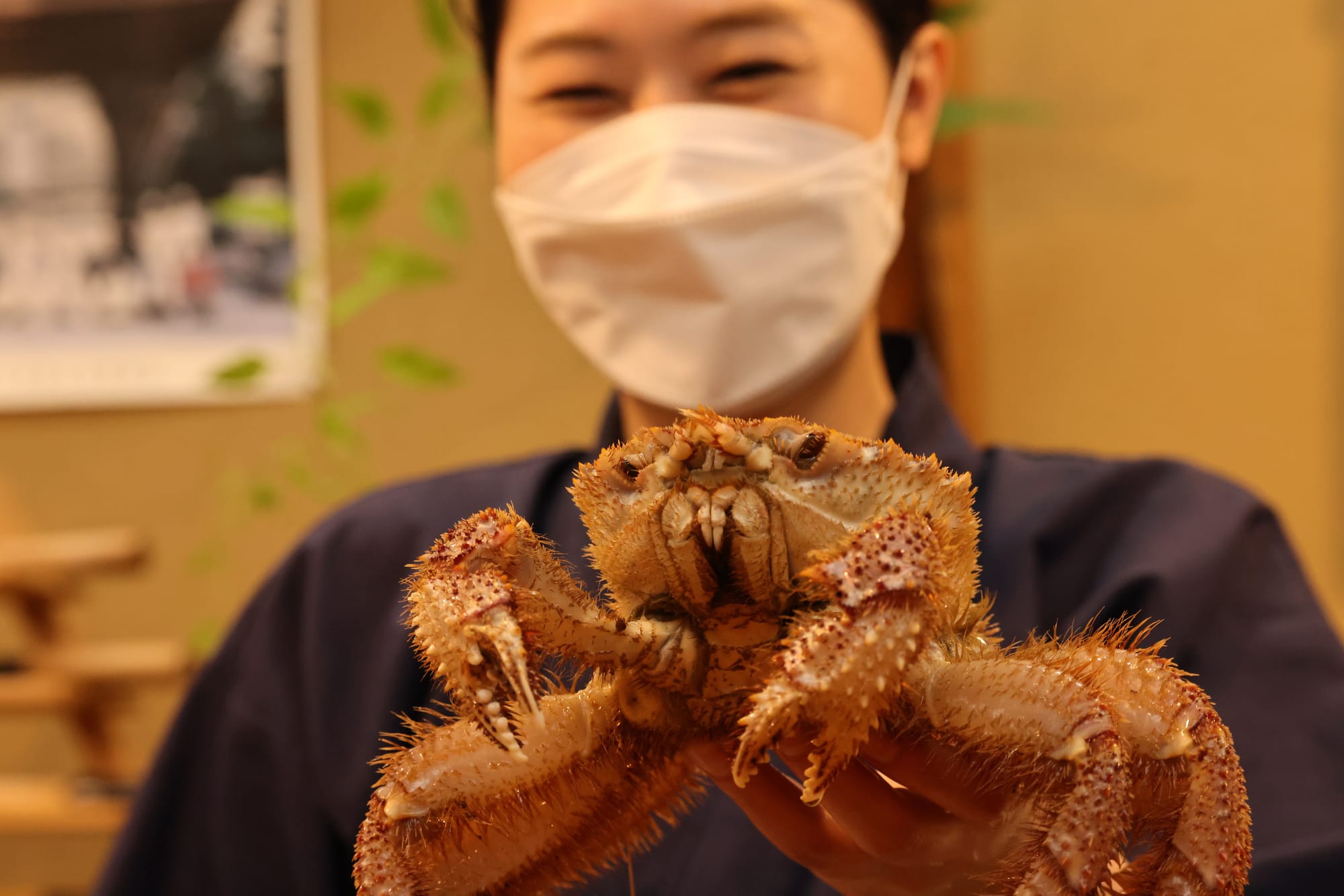
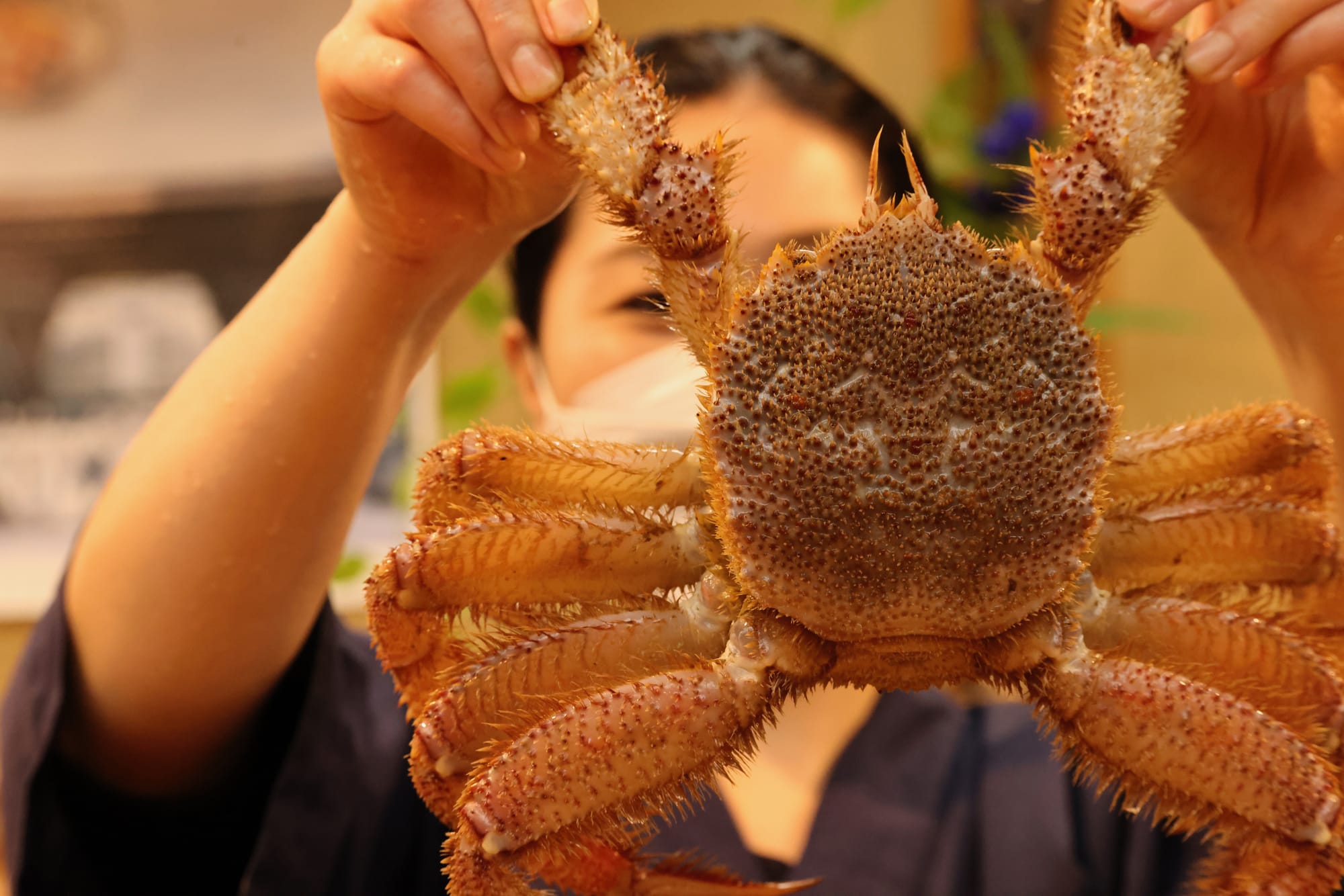
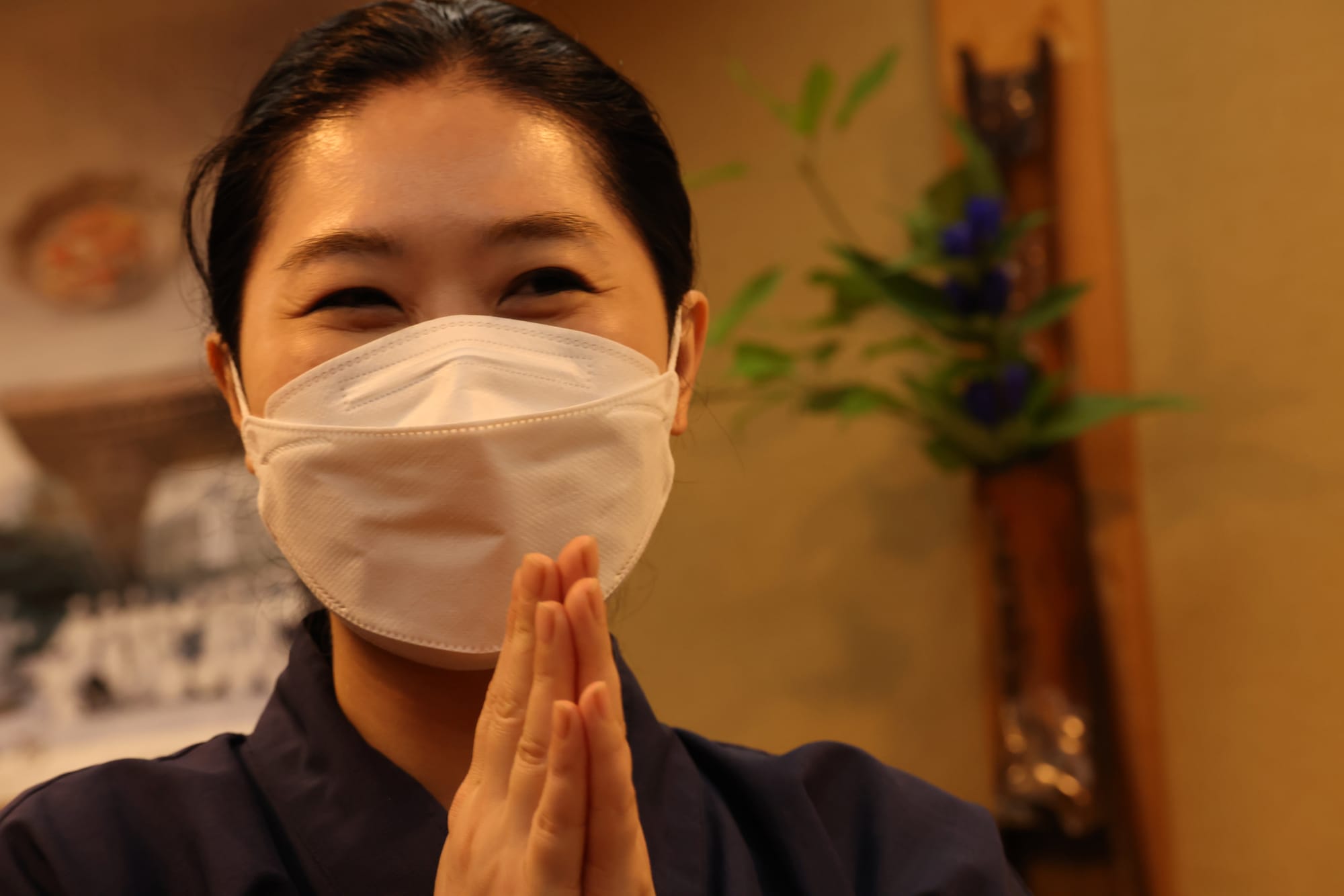
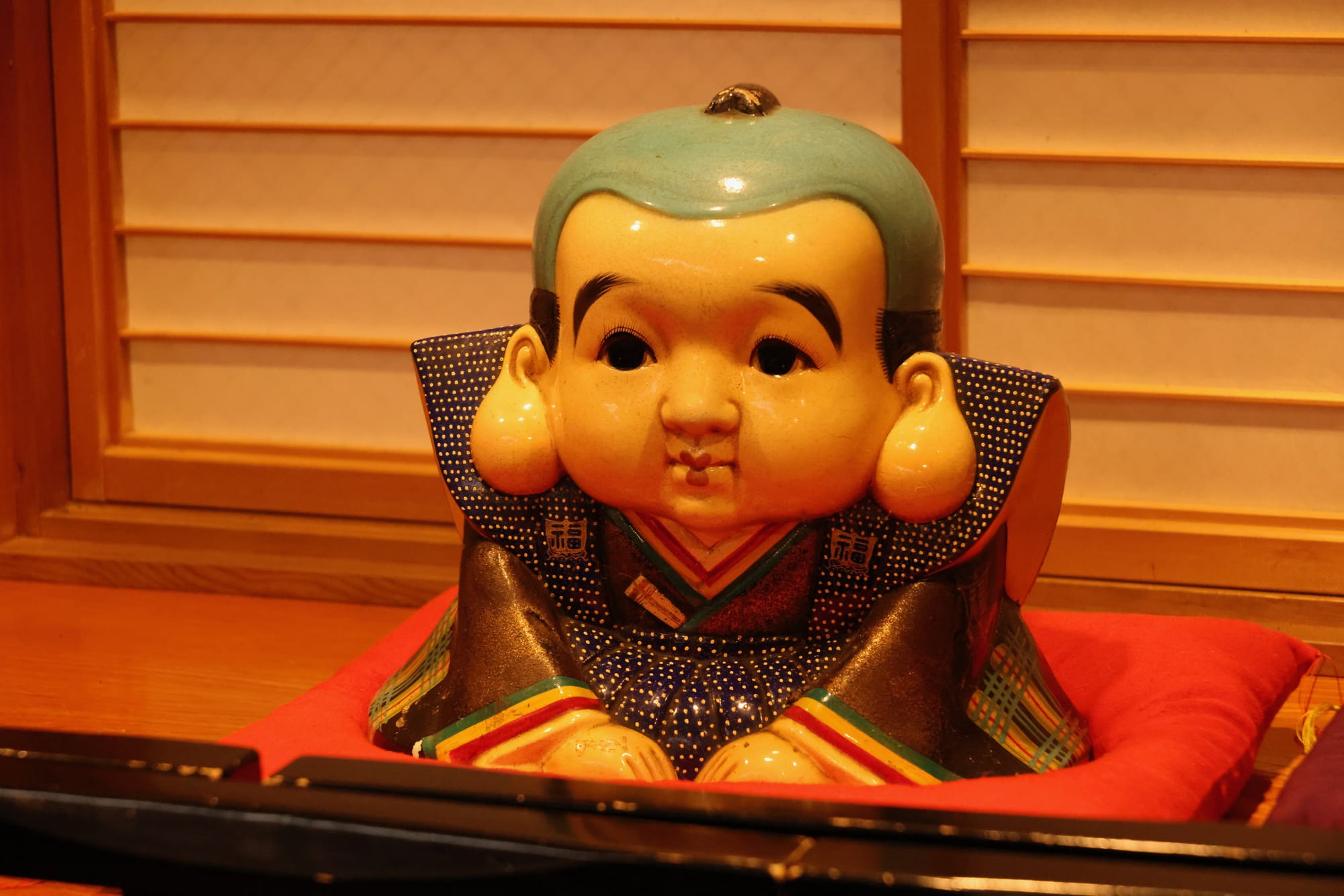
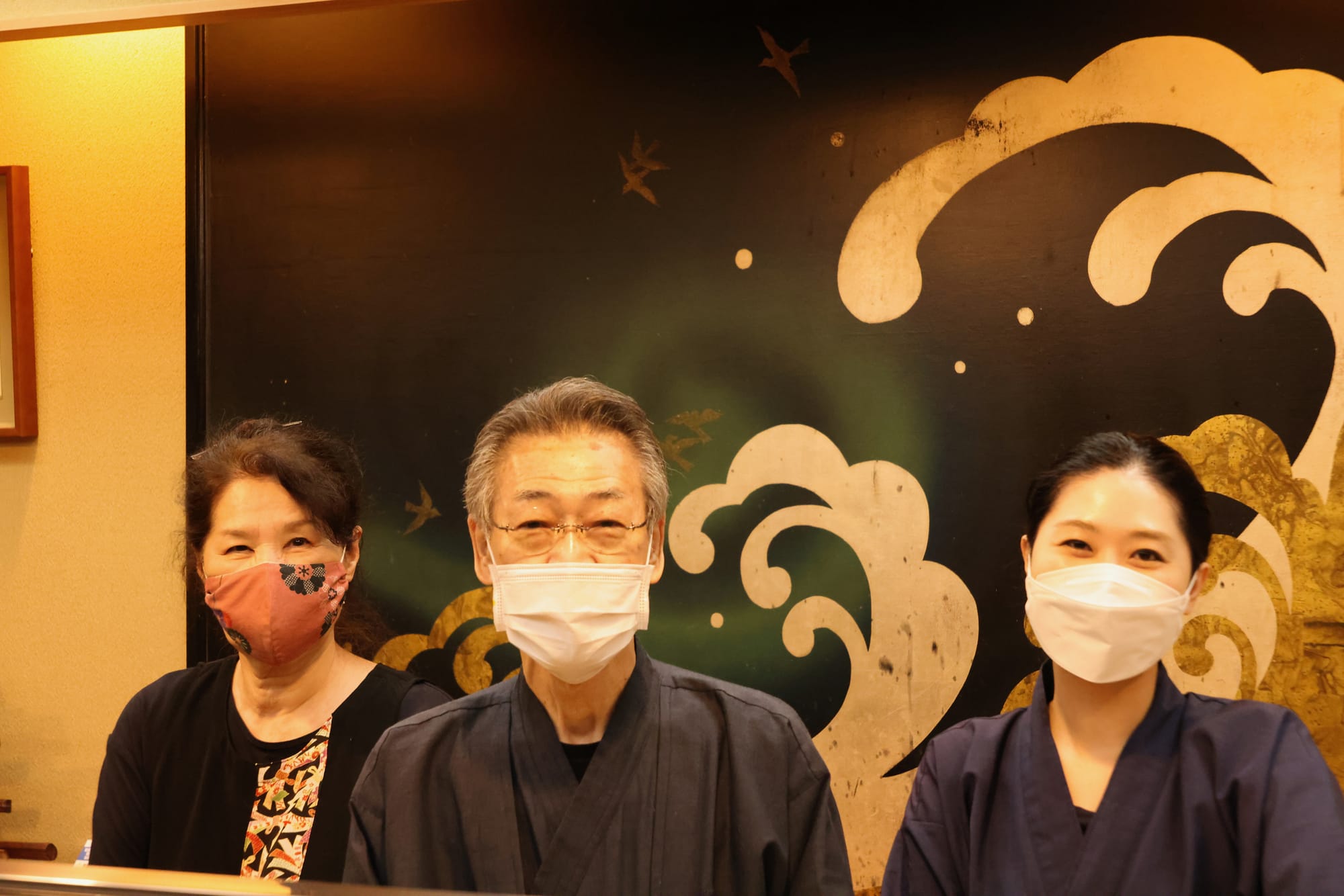
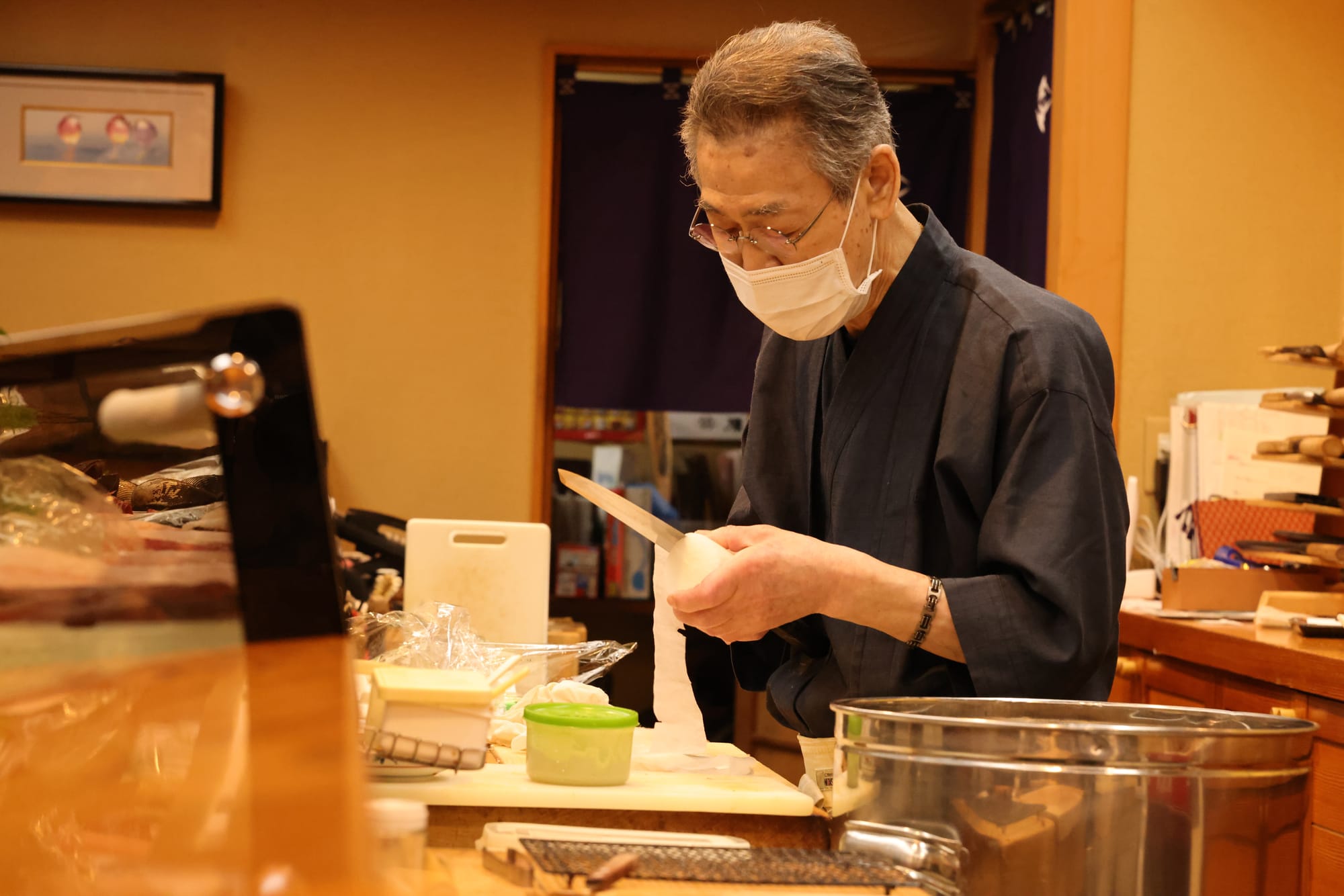
Eventually we found our spot. A family run omakase spot downtown, Kaga Yasuke. Wow. One of the best nights of sushi I have ever experienced.
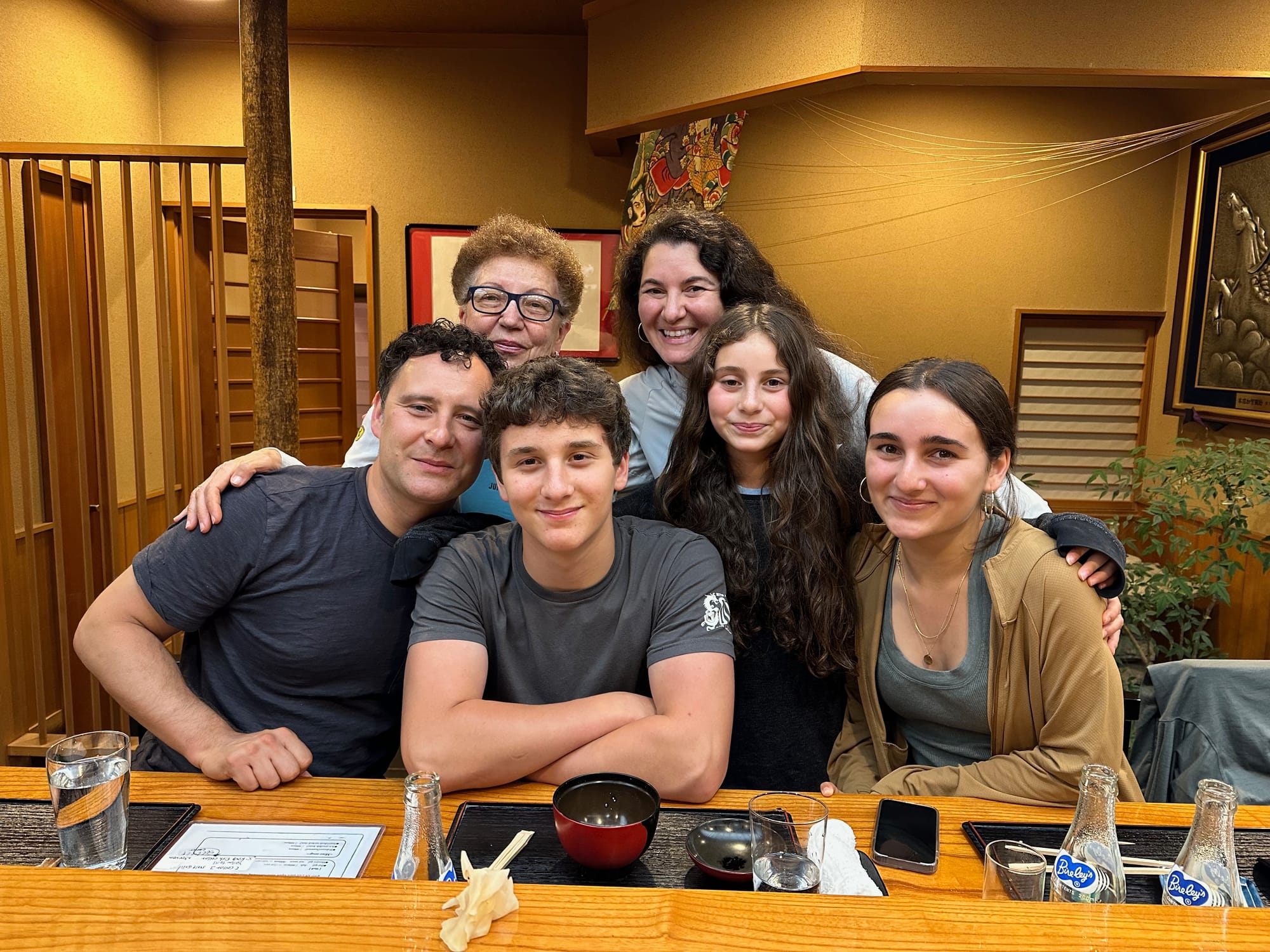
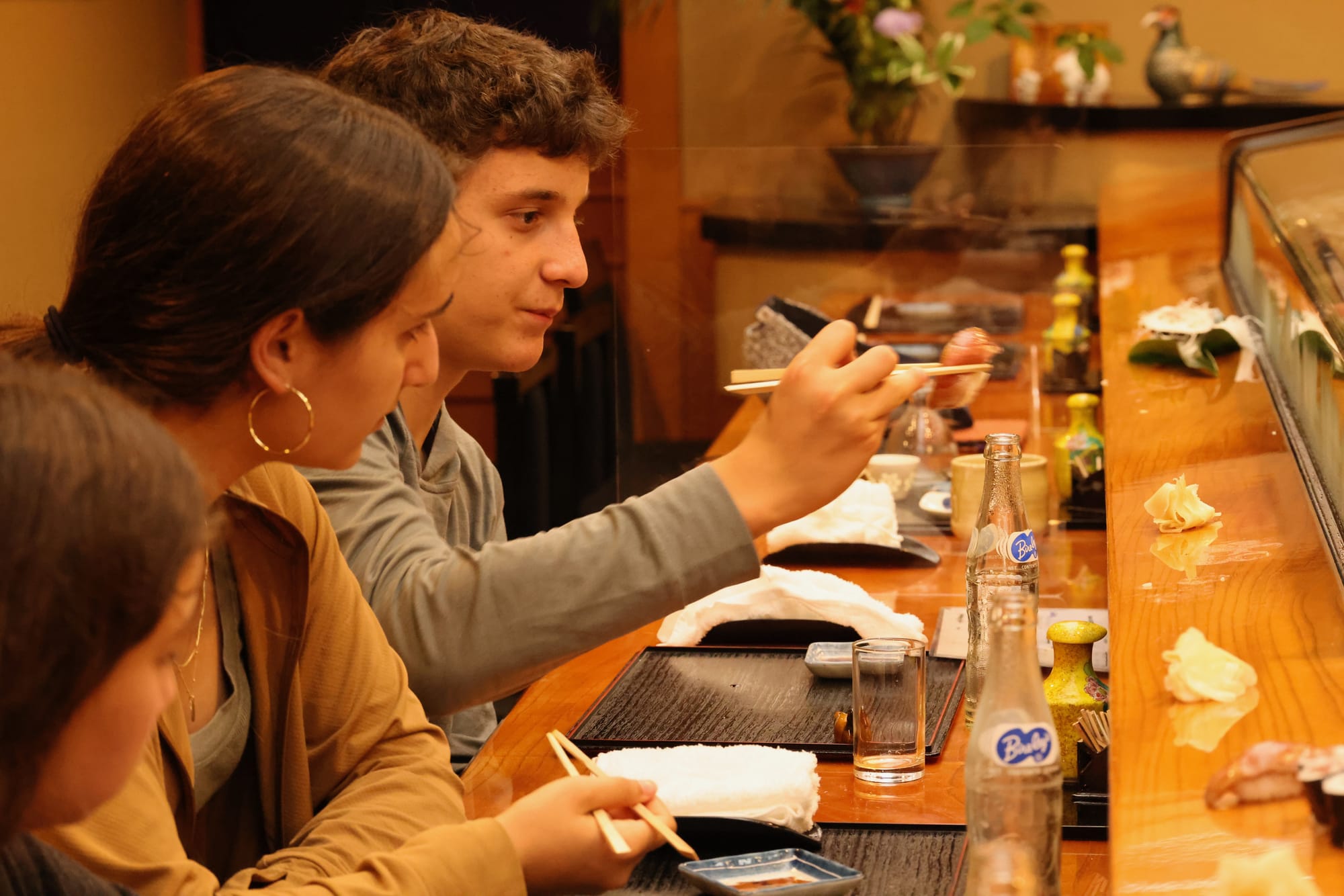






On our way home, with happy warm bellies, we captured the audio of the cross walk theme that had been following us all over Japan.